
Nutrition comparison
Horse Gram vs Mung Beans: Nutrition, Digestion & Best Uses
Comparing Horse Gram and Mung Beans for protein, digestion, and weight loss. Find out which legume fits your diet best and how to cook them for maximum benefit.
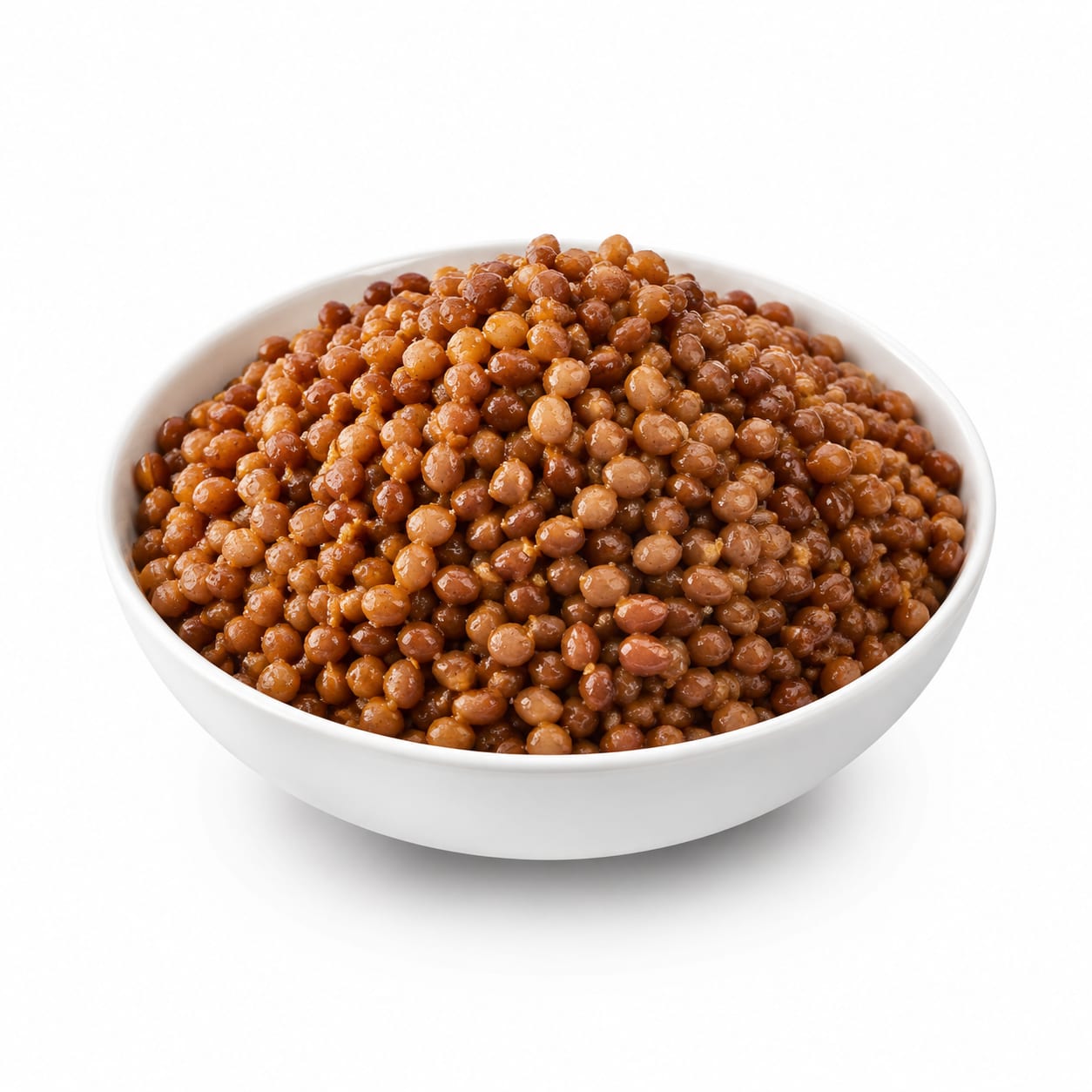
Horse Gram
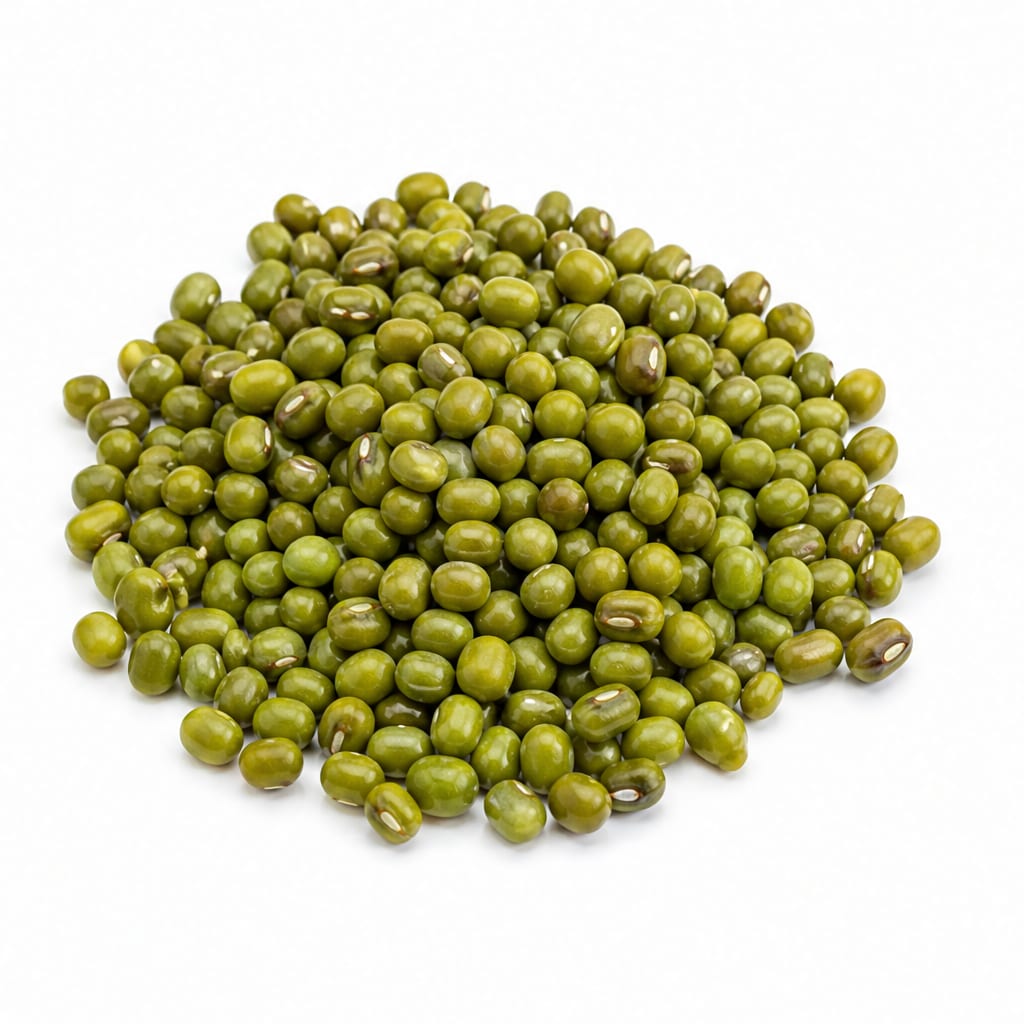
Mung Beans
Horse Gram is a nutritional powerhouse with more protein and iron, but Mung Beans win on digestive comfort and everyday practicality.
Mung Beans score higher overall because their ease of digestion and cooking makes them far more sustainable for daily use. Horse Gram scores high on raw nutrition but loses ground on practicality and digestive comfort.
Maximum nutrient density and heavy satiety versus gentle digestion and quick cooking.
At a glance
Executive summary
Overall
It depends
Healthier
It depends
More practical
Mung Beans
Daily use
Mung Beans
Key comparison lenses
digestive tolerance
Horse Gram is notoriously heavy and hard to digest, while Mung Beans are famous for being the easiest legume on the stomach.
nutritional density
Users comparing these two are often looking for the most protein and mineral bang for their buck, where Horse Gram excels.
weight management
Both are staples in weight loss diets, but they achieve satiety differently—one through heavy fullness, the other through light volume.
cooking convenience
The preparation time difference is massive; Mung Beans can be cooked quickly or sprouted raw, while Horse Gram requires extensive soaking and boiling.
Best choice for
Horse Gram
- People needing high iron and calcium intake
- Those seeking maximum satiety from small portions
- Ayurvedic diet followers targeting weight loss or kidney stones
- Heavy lifters wanting dense plant protein
Mung Beans
- People with sensitive stomachs or IBS
- Anyone short on cooking time
- Those who prefer lighter meals that don't cause a food coma
- Sprouting enthusiasts wanting raw legume options
Least suitable for
Horse Gram
- People prone to severe bloating or gas
- Anyone with gout due to high purine content
- Those who want quick weeknight meals
Mung Beans
- People needing maximum caloric density in small portions
- Those looking for the absolute highest plant protein content per bite
Deep comparison
Dimension by dimension
Each lens scores both foods and breaks down who each option suits.
- Dimension 1 · Priority 95Mung Beans
Digestive Comfort & Tolerance
Horse Gram · 35Mung Beans · 92Mung Beans are famously gentle and easy to digest, while Horse Gram is notoriously heavy and gas-producing if not prepared perfectly.
Tradeoff
You get more nutrients per bite with Horse Gram, but you pay for it with a heavier stomach and potential bloating.
Why it matters
If a food causes discomfort, you are less likely to eat it consistently, wiping out its nutritional advantages.
Real-world impact
A Mung Bean soup feels comforting and light after eating; a Horse Gram stew can sit like a brick in your stomach for hours.
Horse Gram
- Situations where you want one heavy meal to stay full all day
Better for
- Date nights or social gatherings where bloating is a concern
Worse for
Mung Beans
- Post-illness recovery eating
- Evening meals before bed
- Regular consumption without digestive aids
Better for
- Backpacking trips where you need maximum caloric density with minimal volume
Worse for
- Dimension 2 · Priority 90Horse Gram
Protein & Mineral Density
Horse Gram · 93Mung Beans · 72Horse Gram packs significantly more protein, iron, and calcium into each serving compared to Mung Beans.
Tradeoff
Horse Gram offers superior raw nutrition, but its high phytic acid and anti-nutrient content can block some of that absorption if not properly prepared.
Why it matters
For anyone battling anemia or needing plant-based iron and calcium, Horse Gram is a potent natural supplement.
Real-world impact
Eating Horse Gram regularly can noticeably boost iron levels, whereas you would need to eat a larger volume of Mung Beans to get the same mineral intake.
Horse Gram
- Treating iron-deficiency anemia naturally
- Maximizing protein intake on a vegan diet
Better for
- Those who skip long soaking times, as anti-nutrients will block the very minerals they are trying to get
Worse for
Mung Beans
- Maintaining steady nutrient intake without needing aggressive meal planning
Better for
- Situations requiring peak mineral density from limited food quantities
Worse for
- Dimension 3 · Priority 85Horse Gram
Blood Sugar & Satiety
Horse Gram · 88Mung Beans · 80Both are excellent for blood sugar, but Horse Gram's higher resistant starch and fiber content create a stronger, longer-lasting fullness.
Tradeoff
Horse Gram keeps you fuller for longer, but that heavy feeling can be uncomfortable for some, whereas Mung Beans offer a lighter, more comfortable satiety.
Why it matters
Preventing blood sugar spikes and crashes is crucial for managing cravings and energy levels throughout the day.
Real-world impact
A bowl of Horse Gram at lunch will kill afternoon snack cravings entirely, while Mung Beans will keep you satisfied but still ready for dinner.
Horse Gram
- Skipping meals without feeling deprived
- Managing intense sugar cravings
Better for
- Athletes needing quick energy recovery
Worse for
Mung Beans
- Eating multiple smaller meals a day
- Pre-workout fuel that won't weigh you down
Better for
- People who struggle with late-night snacking and need a heavy lunch to prevent it
Worse for
- Dimension 4 · Priority 80Mung Beans
Practicality & Cooking Convenience
Horse Gram · 30Mung Beans · 88Mung Beans cook quickly, sprout easily, and adapt to countless dishes; Horse Gram demands long soaking and pressure cooking.
Tradeoff
Mung Beans are ready in minutes, while Horse Gram requires advance planning and specific cooking equipment to be edible.
Why it matters
The best food for your health is the one you actually have the time and energy to cook consistently.
Real-world impact
You can decide to make Mung Beans 30 minutes before dinner; Horse Gram requires remembering to soak it the night before.
Horse Gram
- Weekend meal prep when you have time to monitor a long cook
Better for
- Impromptu cooking
- Dorm rooms or kitchens without pressure cookers
Worse for
Mung Beans
- Last-minute weeknight dinners
- Raw sprouting for salads and sandwiches
Better for
- Slow-cooker recipes that benefit from a bean that holds its shape for 8 hours
Worse for
Timeline
Health impact over time
Short-term
Hours to days
Horse Gram
- Deep, heavy satiety that lasts for hours
- Potential gas and bloating if undercooked or unspiced
- Steady energy without a crash
Mung Beans
- Light, comfortable fullness
- Easy digestion with minimal bloating
- Gentle, sustained energy
Long-term
Months to years
Horse Gram
- Significant improvement in iron and calcium status
- Potential risk of kidney stones from high purines if susceptible
- Better appetite control due to high resistant starch
Mung Beans
- Consistent gut health improvement from easy-to-digest fiber
- Sustainable weight management without dietary fatigue
- Steady, long-term blood sugar stabilization
Risk profile
Safety & processing
Both are whole, dried legumes with virtually no processing. You are getting the plant exactly as nature intended, requiring only water and heat to become edible.
Horse Gram
Anti-nutrient load
mediumHigh levels of phytic acid and tannins can block mineral absorption and cause digestive distress if not properly soaked and cooked.
Purine content
mediumHorse Gram contains moderate to high purines, which can trigger gout flare-ups in susceptible individuals.
Mung Beans
Raw sprout contamination
lowWhen sprouting Mung Beans at home, warm and humid conditions can breed bacteria like Salmonella or E. coli if hygiene is poor.
Who wins for whom
Audience fit
Same foods, different winners depending on your goal.
children
Mung BeansMung Beans are much gentler on a child's developing digestive system and their mild, slightly sweet flavor is far more kid-friendly.
daily consumption
Mung BeansMung Beans are easy to eat every day without digestive fatigue; Horse Gram is better reserved for a few times a week to avoid stomach strain.
diabetes
Horse GramThe higher resistant starch and fiber in Horse Gram creates a slightly better blood sugar stabilizing effect, though both are excellent choices.
elderly
Mung BeansAs digestive strength declines with age, the lightness and easy processing of Mung Beans make them a much safer and more comfortable choice.
muscle gain
Horse GramHorse Gram provides more protein per serving, making it slightly more efficient for muscle building, provided you can digest it comfortably.
weight loss
It dependsHorse Gram is better for crushing hunger with heavy satiety, but Mung Beans are better for sustainable, low-calorie volume eating that you can stick with long-term.
Your move
Decision guide
Choose Horse Gram
- You struggle with anemia and need a dense plant-based iron source
- You want a heavy meal that eliminates snacking for hours
- You have a pressure cooker and plan your meals in advance
- You are following an Ayurvedic regimen for weight loss or kidney health
Choose Mung Beans
- You have a sensitive stomach or are prone to bloating
- You want a quick-cooking protein source for busy weeknights
- You enjoy sprouting beans for fresh, raw additions to meals
- You want a legume you can eat daily without discomfort
Either works if
- You are looking for high-fiber, plant-based protein sources
- You want to stabilize your blood sugar naturally
- You are trying to reduce your meat consumption
Avoid both if
- You have a severe legume allergy
- You are on a very low-carb or keto diet
Final recommendation
Keep Mung Beans as your daily driver for gentle, reliable nutrition and easy cooking. Use Horse Gram strategically a couple of times a week when you need a heavy, iron-rich meal or want deep satiety. Always soak Horse Gram overnight and cook it with digestive spices like cumin or ginger to make it easier on your stomach.
Practical
Consumer tips
- 1
Always soak Horse Gram for at least 8 hours and discard the water to reduce anti-nutrients and gas-causing compounds.
- 2
Add a pinch of asafoetida, ginger, or cumin when cooking either legume to drastically reduce bloating and improve digestion.
- 3
Sprout Mung Beans at home for 2-3 days to massively boost their Vitamin C content and make them even easier to digest.
- 4
Use a pressure cooker for Horse Gram to cut down cooking time and ensure it becomes truly soft and digestible.
- 5
If you find Horse Gram too heavy, mix it with a lighter legume like Mung Beans to balance the nutritional density with digestive comfort.