
Nutrition comparison
Horse Gram vs Lentils: Which Legume Is Better for Weight Loss, Diabetes, and Daily Nutrition?
Compare Horse Gram and Lentils for protein, fiber, blood sugar control, and weight loss. Discover which legume fits your health goals and cooking lifestyle better.
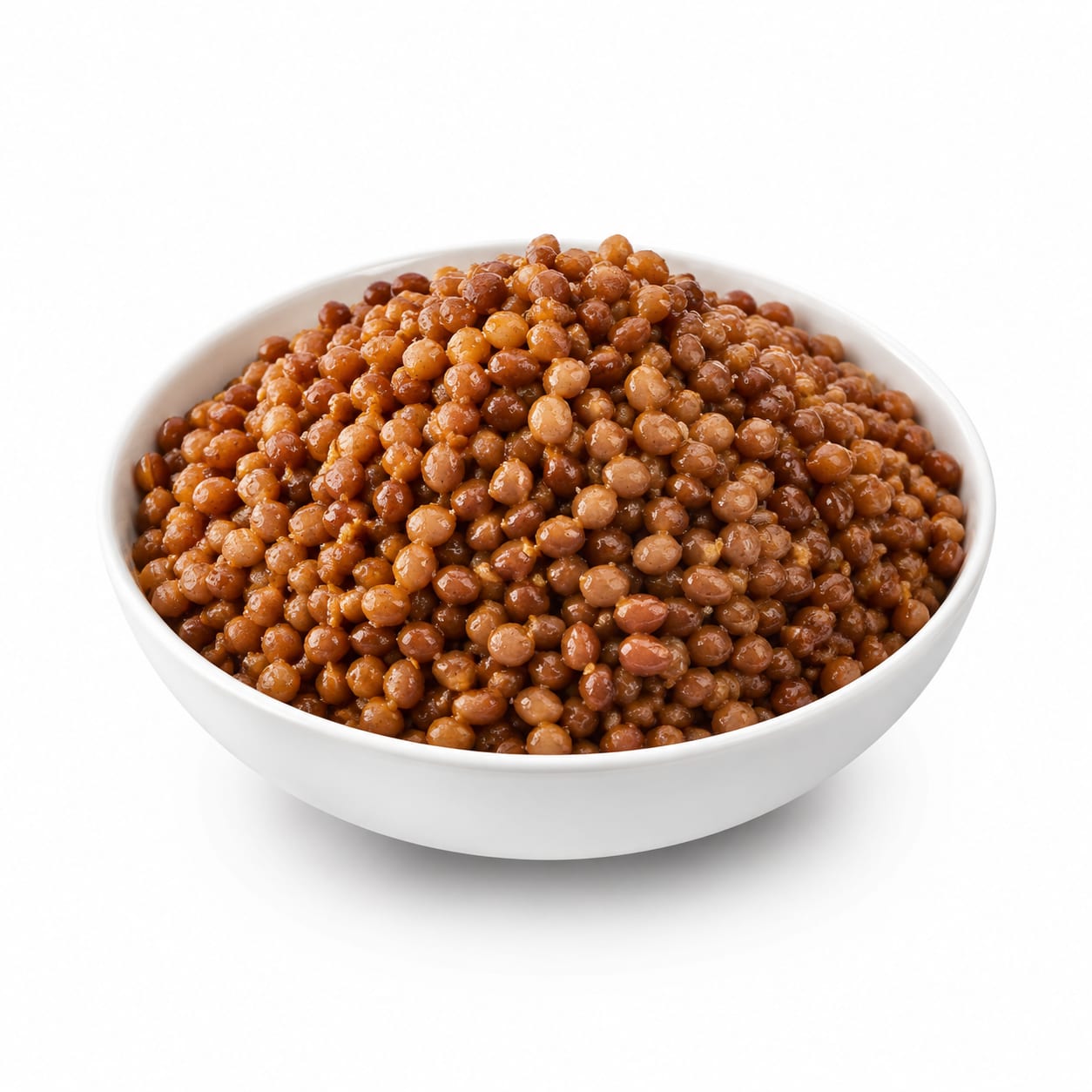
Horse Gram
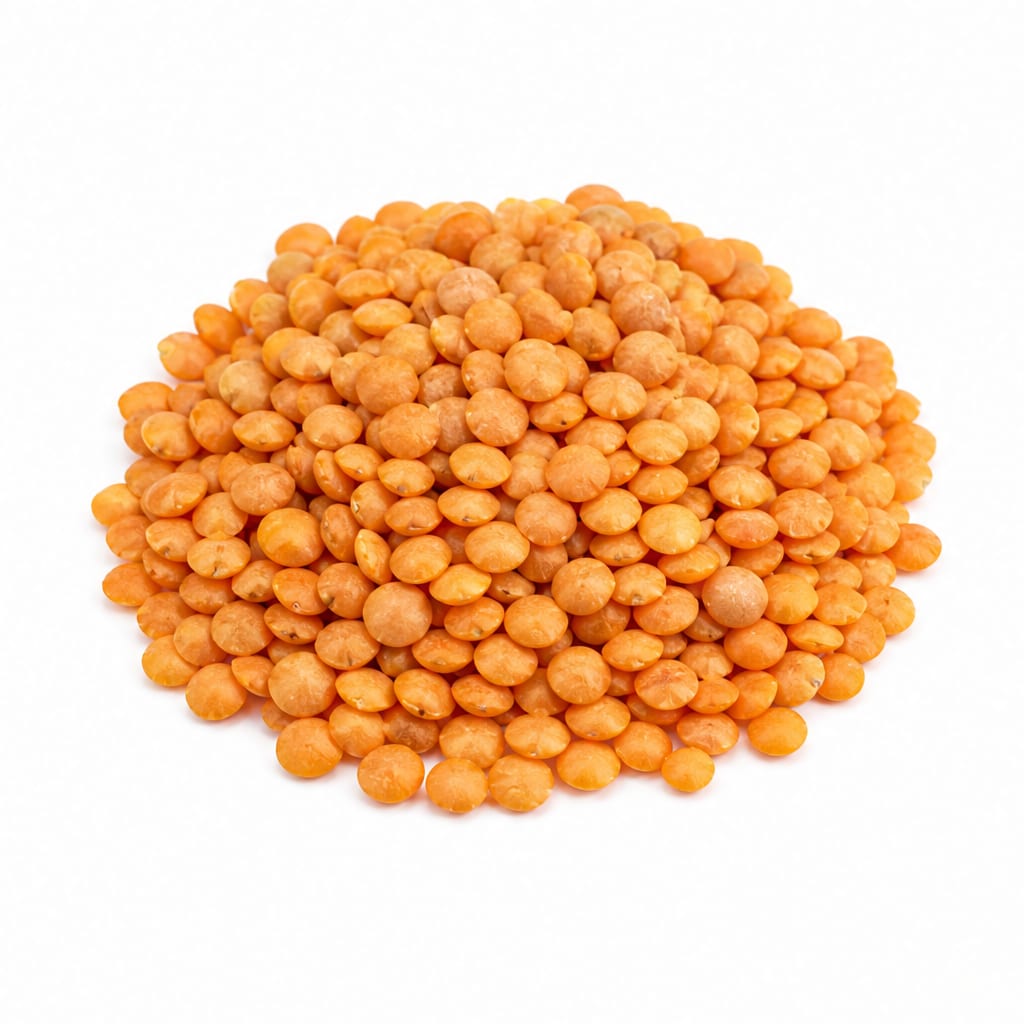
Lentils
Horse Gram edges ahead for therapeutic goals like weight loss and blood sugar control, but Lentils win on everyday practicality and digestibility.
Horse Gram scores higher on therapeutic metrics like antioxidant density and blood sugar control, but Lentils earn a higher overall score due to superior digestibility, cooking convenience, and long-term dietary sustainability. The gap reflects that nutritional excellence only matters if you can actually eat the food consistently.
Horse Gram offers superior fat-fighting and glucose-stabilizing properties at the cost of tougher cooking and more digestive discomfort, while Lentils deliver easier, more versatile nutrition with slightly less metabolic punch.
At a glance
Executive summary
Overall
It depends
Healthier
Horse Gram
More practical
Lentils
Daily use
Lentils
Key comparison lenses
weight management potential
Horse Gram is renowned in Ayurvedic tradition for fat loss and lipid metabolism, making this the primary decision driver for most users comparing these two legumes
digestive tolerance and comfort
Both are high-fiber legumes but differ significantly in digestibility, gas production, and ease of cooking, which directly affects daily adherence
protein quality for plant based diets
Users comparing legumes are often vegetarians seeking reliable protein sources, and the amino acid profile differences matter for meal planning
blood sugar control
Both foods are diabetic-friendly staples, but their glycemic responses and resistant starch content differ enough to influence glucose management
practical everyday usability
Horse Gram requires significantly more preparation effort, which can make or break long-term dietary habits
Best choice for
Horse Gram
- People actively targeting weight loss or stubborn fat
- Diabetics seeking maximum blood sugar stabilization
- Those following Ayurvedic or traditional healing protocols
- Anyone wanting the highest antioxidant density from a legume
Lentils
- Busy households needing quick, reliable plant protein
- People with sensitive digestion or IBS tendencies
- Families cooking for children or elderly members
- Anyone wanting a versatile legume for daily meals
Least suitable for
Horse Gram
- People prone to bloating or gas from high-fiber foods
- Anyone short on cooking time or prep patience
- Those with kidney stone history (high oxalate content)
- Picky eaters unfamiliar with strong earthy flavors
Lentils
- Those specifically seeking the lipid-lowering effects unique to Horse Gram
- People wanting maximum polyphenol antioxidant intake from legumes
- Anyone following traditional Ayurvedic weight loss protocols
Deep comparison
Dimension by dimension
Each lens scores both foods and breaks down who each option suits.
- Dimension 1 · Priority 92Horse Gram
Weight Management and Fat Loss
Horse Gram · 88Lentils · 72Horse Gram has a unique lipid-lowering profile backed by both traditional use and emerging research, making it the more targeted choice for fat loss.
Tradeoff
You get stronger metabolic benefits from Horse Gram but must tolerate its heavier digestion and longer cooking to actually reap those rewards.
Why it matters
Horse Gram contains specific polyphenols that inhibit lipid accumulation and boost fat oxidation in ways Lentils do not match.
Real-world impact
Someone eating Horse Gram regularly may notice steadier weight loss progress, especially around stubborn belly fat, but only if they can stick with the preparation routine.
Horse Gram
- Stubborn fat reduction
- Lipid profile improvement
- Ayurvedic detox protocols
Better for
- People who abandon complicated recipes after a week
Worse for
Lentils
- Sustainable calorie control through easier meal prep
- Maintaining weight loss long-term without burnout
Better for
- Those wanting the extra fat-oxidation boost unique to Horse Gram
Worse for
- Dimension 2 · Priority 82Horse Gram
Blood Sugar Stability
Horse Gram · 86Lentils · 78Horse Gram has a lower glycemic index and higher resistant starch content, giving it an edge for glucose control.
Tradeoff
The difference is meaningful for diabetics but modest for healthy individuals, and Lentils are still an excellent low-GI choice.
Why it matters
Slower glucose absorption means fewer energy crashes and less insulin demand over time.
Real-world impact
A diabetic substituting Horse Gram for Lentils may see slightly better post-meal sugar readings, but both are far superior to rice or wheat.
Horse Gram
- Type 2 diabetics optimizing glucose control
- Insulin-resistant individuals
- PCOS patients managing blood sugar
Better for
- Anyone who finds the taste so unpleasant they skip the meal entirely
Worse for
Lentils
- Pre-diabetics who need consistency over perfection
- Active people who need faster post-workout carb recovery
Better for
- Those needing the tightest possible glucose control
Worse for
- Dimension 3 · Priority 85Horse Gram
Protein Quality and Quantity
Horse Gram · 80Lentils · 77Horse Gram contains slightly more protein per serving, but Lentils offer better digestibility, meaning you may actually absorb more usable protein from them.
Tradeoff
Raw protein numbers favor Horse Gram, but net protein utilization likely favors Lentils due to easier digestion and lower anti-nutrient interference after standard cooking.
Why it matters
What you absorb matters more than what is on the label, and anti-nutrients in Horse Gram can reduce protein bioavailability.
Real-world impact
A vegetarian relying on Lentils for daily protein will likely get more consistent, usable protein than someone struggling to properly prepare Horse Gram.
Horse Gram
- Those who soak and sprout their legumes to maximize protein absorption
- Athletes in calorie deficit wanting maximum protein density per gram
Better for
- Anyone cooking Horse Gram without adequate soaking loses protein to anti-nutrients
Worse for
Lentils
- Everyday cooks wanting reliable protein without sprouting protocols
- Elderly individuals needing easily digestible protein
Better for
- Bodybuilders chasing the highest possible protein-per-serving numbers
Worse for
- Dimension 4 · Priority 88Lentils
Digestive Tolerance and Comfort
Horse Gram · 52Lentils · 82Lentils are significantly gentler on digestion, especially red and yellow varieties, while Horse Gram is notoriously heavy and gas-producing.
Tradeoff
Horse Gram's tough fiber profile that helps with fat loss is the same thing that causes bloating and discomfort in many people.
Why it matters
Digestive distress is the number one reason people abandon healthy legumes, making tolerance a critical long-term factor.
Real-world impact
You might tolerate Lentils three times a week comfortably but only manage Horse Gram once or twice before your gut protests.
Horse Gram
- People with very robust digestion accustomed to high-fiber diets
- Those who sprout and ferment to reduce gas-causing compounds
Better for
- People with chronic bloating or flatulence issues
- Those with sensitive colons or diverticulitis risk
Worse for
Lentils
- IBS-prone individuals
- Older adults with slowing digestion
- Anyone transitioning to plant-based eating for the first time
Better for
- No significant digestive downside compared to most legumes
Worse for
- Dimension 5 · Priority 80Lentils
Convenience and Cooking Practicality
Horse Gram · 40Lentils · 88Lentils cook quickly, especially split varieties, while Horse Gram demands long soaking and extended cooking times.
Tradeoff
Horse Gram rewards patience with deeper nutrition, but most people default to what is easy, giving Lentils a massive real-world advantage.
Why it matters
The healthiest food only works if you actually prepare and eat it. Complexity kills consistency.
Real-world impact
Red lentils can be ready in 15 minutes on a busy weeknight. Horse Gram requires overnight soaking plus 45-60 minutes of cooking, making it a weekend-only option for most households.
Horse Gram
- Meal preppers who cook large batches once a week
- Traditional cooks already familiar with long-simmered legumes
Better for
- Last-minute meal situations
- People who hate kitchen planning and prep
Worse for
Lentils
- Working parents needing dinner in under 30 minutes
- Students with limited cooking facilities
- Anyone who values spontaneous cooking without planning ahead
Better for
- No significant convenience downside
Worse for
- Dimension 6 · Priority 75Horse Gram
Antioxidant and Phytochemical Density
Horse Gram · 90Lentils · 68Horse Gram is exceptionally rich in polyphenols and flavonoids, far surpassing Lentils in antioxidant capacity.
Tradeoff
These powerful compounds come wrapped in a tougher, less palatable package that requires proper preparation to unlock.
Why it matters
Polyphenols from Horse Gram have been linked to anti-obesity, anti-diabetic, and liver-protective effects that go beyond basic nutrition.
Real-world impact
Think of Horse Gram as the kale of legumes: nutritionally superior but requiring more effort and acquired taste to consume regularly.
Horse Gram
- People fighting chronic inflammation
- Those with fatty liver concerns
- Anyone wanting maximum disease-fighting compounds from food
Better for
- Those who boil and discard the soaking water lose significant polyphenols
Worse for
Lentils
- People who get their antioxidants from fruits and vegetables and just need reliable protein from legumes
Better for
- Anyone relying on Lentils as their sole source of dietary antioxidants
Worse for
- Dimension 7 · Priority 72Horse Gram
Mineral Density and Micronutrients
Horse Gram · 82Lentils · 75Horse Gram provides more iron and calcium per serving, but its higher phytic acid content can block absorption of those same minerals.
Tradeoff
More minerals on paper but potentially fewer absorbed in practice unless you sprout or ferment Horse Gram before eating.
Why it matters
Iron-deficient vegetarians need to think about absorption, not just intake, when choosing between these two.
Real-world impact
A woman with low iron might assume Horse Gram is the better choice, but properly prepared Lentils paired with vitamin C could actually deliver more usable iron.
Horse Gram
- Those who sprout legumes to neutralize phytic acid
- People needing high calcium from plant sources
Better for
- Mineral-deficient people who eat legumes straight-boiled without soaking
Worse for
Lentils
- Iron-deficient individuals who do not sprout their legumes
- Those pairing legumes with vitamin C foods for absorption
Better for
- Those needing the absolute highest calcium intake from a legume source
Worse for
Timeline
Health impact over time
Short-term
Hours to days
Horse Gram
- Noticeable fullness and satiety lasting several hours due to dense fiber
- Potential bloating and gas, especially if undercooked or unsoaked
- Steadier post-meal energy without the crash that follows refined carbs
Lentils
- Comfortable satiety without heavy digestive burden, especially with split varieties
- Mild gas possible but generally well-tolerated compared to other legumes
- Quick energy replenishment after physical activity
Long-term
Months to years
Horse Gram
- Improved lipid profiles and potential reduction in visceral fat with regular consumption
- Better long-term glycemic control for diabetics
- Risk of kidney stone formation in susceptible individuals due to oxalate content
- Possible mineral deficiencies if consumed without proper soaking and sprouting
Lentils
- Consistent cardiovascular protection through regular fiber and folate intake
- Steady weight maintenance supported by high satiety and easy meal integration
- Reduced anemia risk when paired with absorption enhancers like vitamin C
- Lower long-term colon cancer risk from consistent fiber consumption
Risk profile
Safety & processing
Both Horse Gram and Lentils are whole, minimally processed foods sold as dried seeds. Neither typically contains additives, preservatives, or artificial ingredients. The main concern is agricultural contamination, not processing. Both represent clean eating at its most fundamental level.
Horse Gram
Oxalate accumulation and kidney stones
mediumHorse Gram contains moderate-to-high oxalates that can crystallize in susceptible individuals, potentially worsening kidney stone formation with frequent consumption.
Anti-nutrient exposure from improper preparation
mediumPhytic acid and trypsin inhibitors are higher in Horse Gram than Lentils. Skipping the soaking step means these compounds remain active, reducing mineral absorption and protein digestibility.
Agricultural pesticide residue
lowHorse Gram is often grown with fewer chemical inputs than mainstream crops, but organic sourcing is still preferable to minimize exposure.
Lentils
Phytic acid interference with mineral absorption
lowLentils contain phytic acid but at lower levels than Horse Gram, and standard cooking reduces it sufficiently for most people.
Agricultural pesticide residue
lowConventionally grown Lentils may carry pesticide residues. Rinsing and cooking reduces surface contamination, but organic options are widely available for concerned consumers.
Allergic reactions in sensitive individuals
lowLentil allergy exists but is uncommon, more frequently reported in Mediterranean populations where consumption is highest.
Who wins for whom
Audience fit
Same foods, different winners depending on your goal.
children
LentilsLentils are milder in flavor, softer in texture when cooked, and far less likely to cause digestive upset in developing systems, making them the clear choice for kids.
daily consumption
LentilsLentils are the more sustainable daily staple due to faster cooking, better tolerance, and wider culinary versatility. Horse Gram is better used as a therapeutic addition two to three times per week.
diabetes
Horse GramHorse Gram's lower glycemic index and higher resistant starch content give it a measurable advantage for post-meal glucose control, though both are excellent diabetic-friendly foods.
elderly
LentilsOlder adults benefit from Lentils' easier digestion, softer cooked texture, and higher folate content, which supports cardiovascular and cognitive health without straining aging digestive systems.
muscle gain
LentilsLentils provide more reliably absorbable protein and are easier to eat in larger quantities consistently, which matters more for muscle building than marginal protein density differences.
weight loss
Horse GramHorse Gram's unique polyphenols actively support fat oxidation and lipid metabolism beyond what simple calorie restriction achieves, making it the more targeted weight loss tool.
Your move
Decision guide
Choose Horse Gram
- You are actively working on weight loss and want every metabolic advantage
- You have diabetes or insulin resistance and need the tightest glucose control from food
- You enjoy traditional cooking methods like soaking, sprouting, and slow simmering
- You are following Ayurvedic dietary principles for specific health conditions
- You have strong digestion and are already comfortable with high-fiber legumes
Choose Lentils
- You need a reliable, quick-cooking protein source for busy weeknights
- You or your family members have sensitive digestion
- You want a versatile legume that works in soups, salads, curries, and sides
- You are new to plant-based eating and need an easy entry point
- You prioritize consistency and long-term dietary sustainability over peak nutritional metrics
Either works if
- You want excellent plant-based protein and fiber from whole food sources
- You are managing cholesterol and want heart-healthy legume options
- You are comfortable cooking dried legumes and planning meals ahead
- You rotate between different legumes for nutritional diversity
Avoid both if
- You have a diagnosed legume allergy
- You are in an acute gout flare and need to limit purine intake temporarily
- You cannot tolerate any significant fiber increase without severe GI distress
Final recommendation
Make Lentils your daily legume staple and treat Horse Gram as your therapeutic booster. Eat Lentils three to four times a week for consistent, easy nutrition. Add Horse Gram once or twice a week when you have time to soak and cook it properly, especially if weight loss or blood sugar management is a priority. This combination gives you the practical reliability of Lentils with the metabolic edge of Horse Gram, without forcing you into an all-or-nothing choice.
Practical
Consumer tips
- 1
Soak Horse Gram for at least 8 hours and discard the water to reduce anti-nutrients and improve digestibility significantly.
- 2
Sprouting Horse Gram for 24-48 hours before cooking unlocks more protein availability and reduces gas-causing compounds.
- 3
Pair either legume with vitamin C-rich foods like tomatoes, lemon juice, or bell peppers to boost iron absorption by up to three times.
- 4
If Horse Gram causes bloating, start with small portions of two tablespoons cooked and gradually increase over two weeks as your gut adapts.
- 5
Red and yellow split Lentils cook in just 15 minutes and are the gentlest on digestion, making them ideal for beginners.
- 6
Pressure cooking Horse Gram cuts the cooking time from 60 minutes down to 20, making it far more practical for busy households.
- 7
Buy both legumes organic when possible, as dried legumes are affordable even at organic prices compared to other protein sources.
- 8
Cook a large batch of Horse Gram on weekends and refrigerate or freeze portions for quick use throughout the week.
- 9
Avoid combining Horse Gram with high-oxalate foods like spinach in the same meal if you have kidney stone concerns.
- 10
Add digestive spices like cumin, ginger, or asafoetida when cooking either legume to reduce gas production and improve flavor.