
Seafood
Halibut
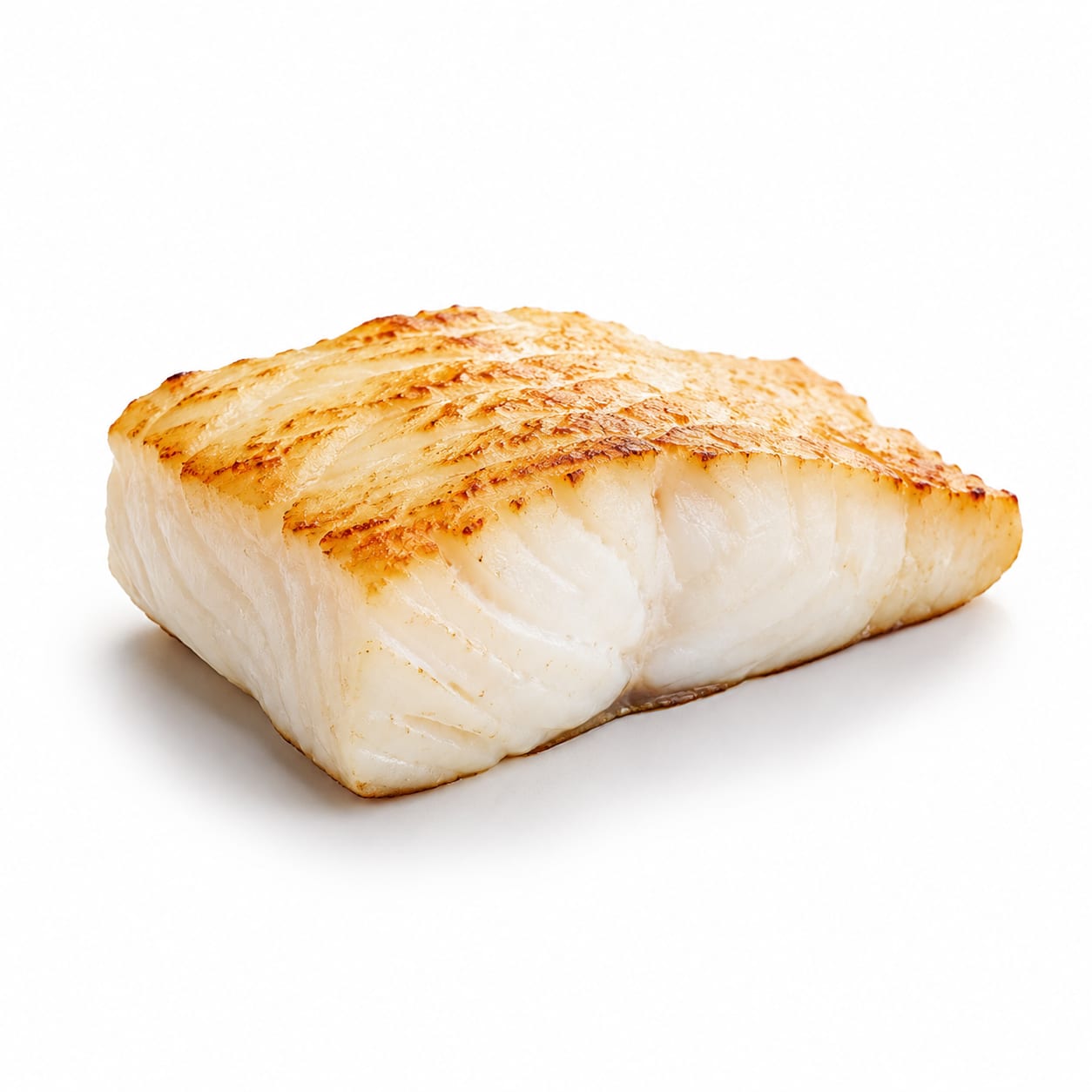
Halibut is a lean, firm-textured white fish prized for its high protein content and mild flavor.
Halibut is a large, lean saltwater flatfish known for its firm texture and mild, sweet flavor. It is highly valued as a culinary fish and a dense source of high-quality protein.
lean protein-dense seafood
Typical serving · 85g
Common varieties · Pacific Halibut, Atlantic Halibut, Greenland Halibut
Overall context score across nutrition, safety, and diet fit
At a glance
Quick facts
Simple indicators based on nutrition, processing, and diet fit.
The story
What makes it unique
Halibut is a fast-digesting, high-protein, low-fat animal food with zero carbohydrates. It provides strong satiety due to its protein density and contains beneficial omega-3 fatty acids, though less than fattier fish. As a wild-caught whole food, it is minimally processed.
Varieties: Pacific Halibut · Atlantic Halibut · Greenland Halibut
Per 100g
Nutrition breakdown
Macro balance and key metrics at a glance.
Energy
Density 1.40 kcal/g
Protein
Carbs
Fat
Fiber
Sugar
0 g
Sodium
60 mg
Potassium
500 mg
Glycemic index
0
Glycemic load
0
Water content
75%
Standout compounds
Nutrient highlights
Selenium
highSupports thyroid function and antioxidant defense
Protein
highPromotes muscle growth and satiety
Vitamin B6
moderateAids in protein metabolism and brain health
Vitamin D
moderateSupports bone health and immune function
Omega-3 Fatty Acids
lowReduces inflammation and supports heart health
Wellness map
Health scores & processing
NOVA processing scale
minimally processed · Whole food
Fresh or frozen halibut is a single-ingredient whole food requiring no industrial processing.
Diet compatibility
- Weight loss
- Muscle gain
- Diabetes
- Gut health
- Low carb
- High protein
- Heart health
Relative standing
Food rankings
Qualitative ranks compared to similar whole foods.
- Satietyexcellent
- Blood sugarexcellent
- Nutrient densitygood
- Fitness fuelexcellent
- Processing qualityexcellent
Eat with confidence
Food safety profile
Halibut carries a moderate risk of mercury accumulation compared to smaller fish. While safe for most adults in moderation, sensitive populations should limit intake to a few servings per month.
Evidence confidence 85%
- Pesticideslow
- Antibioticslow
- Heavy metalsmoderate
- Contaminationlow
Watch for
- methylmercury
- PCBs
Safer choices
Pacific halibut generally has lower mercury levels than Atlantic or Greenland halibut. Smaller white fish like cod or sardines are lower mercury alternatives.
Prep tips
Cook thoroughly to an internal temperature of 145°F (63°C) to eliminate potential parasites or bacteria. Avoid cross-contamination with raw fish.
Larger, longer-living fish like halibut accumulate more mercury, leading to consumption advisories for pregnant women.
Deep dive
Health analysis
How this food may fit different goals and preparation choices.
Weight loss
High protein and low calories increase satiety and support muscle maintenance during calorie deficits.
Blood sugar
Zero carbohydrates mean halibut has no direct impact on blood glucose levels.
Fitness & energy
Provides complete amino acids for muscle repair and synthesis, making it an excellent post-workout protein source.
Gut health
Contains no dietary fiber, so it does not directly feed gut microbiota, but its anti-inflammatory omega-3s support overall gut lining health.
Processing quality
Typically sold as fresh or frozen fillets with no additives, representing a high-quality whole food.
Food safety
Moderate mercury levels require mindful consumption, particularly for pregnant women and children, who should limit intake.
Common mistakes
Overcooking halibut dries it out quickly due to its low fat content; cooking just until opaque preserves moisture and texture.
Best preparation
Baking, grilling, or pan-searing with a small amount of healthy fat to prevent drying.
Practical guide
Best use cases
When and how this food fits real eating patterns.
post-workout recovery
Provides fast-digesting complete protein to support muscle repair.
low-calorie weight loss meals
Delivers high satiety and large portion sizes for minimal calories.
keto diet base
Zero-carb protein source that pairs well with added healthy fats.
Balance sheet
Pros & cons
Upsides
- Extremely high protein-to-calorie ratio
- Zero carbohydrates, perfect for low-carb diets
- Rich in selenium and B vitamins
- Mild flavor and firm texture appeal to picky eaters
- Naturally anti-inflammatory due to omega-3s
Trade-offs
- Moderate mercury content limits safe consumption frequency
- Very low fat means it dries out easily if overcooked
- Lower in omega-3s compared to fattier fish like salmon
- Expensive compared to other white fish
- Atlantic halibut populations are often overfished or depleted
Fit check
Who is it for?
Great match
- lean muscle building
- low-carb and keto diets
- blood sugar management
- high-volume low-calorie eating
Consider alternatives
- pregnant women needing low-mercury fish
- strict plant-based diets
- those seeking high omega-3 intake from food alone
Side by side
How it compares
Open the full head-to-head analysis for nutrition, safety, and practical tradeoffs.
This food
Halibut
VS85% alike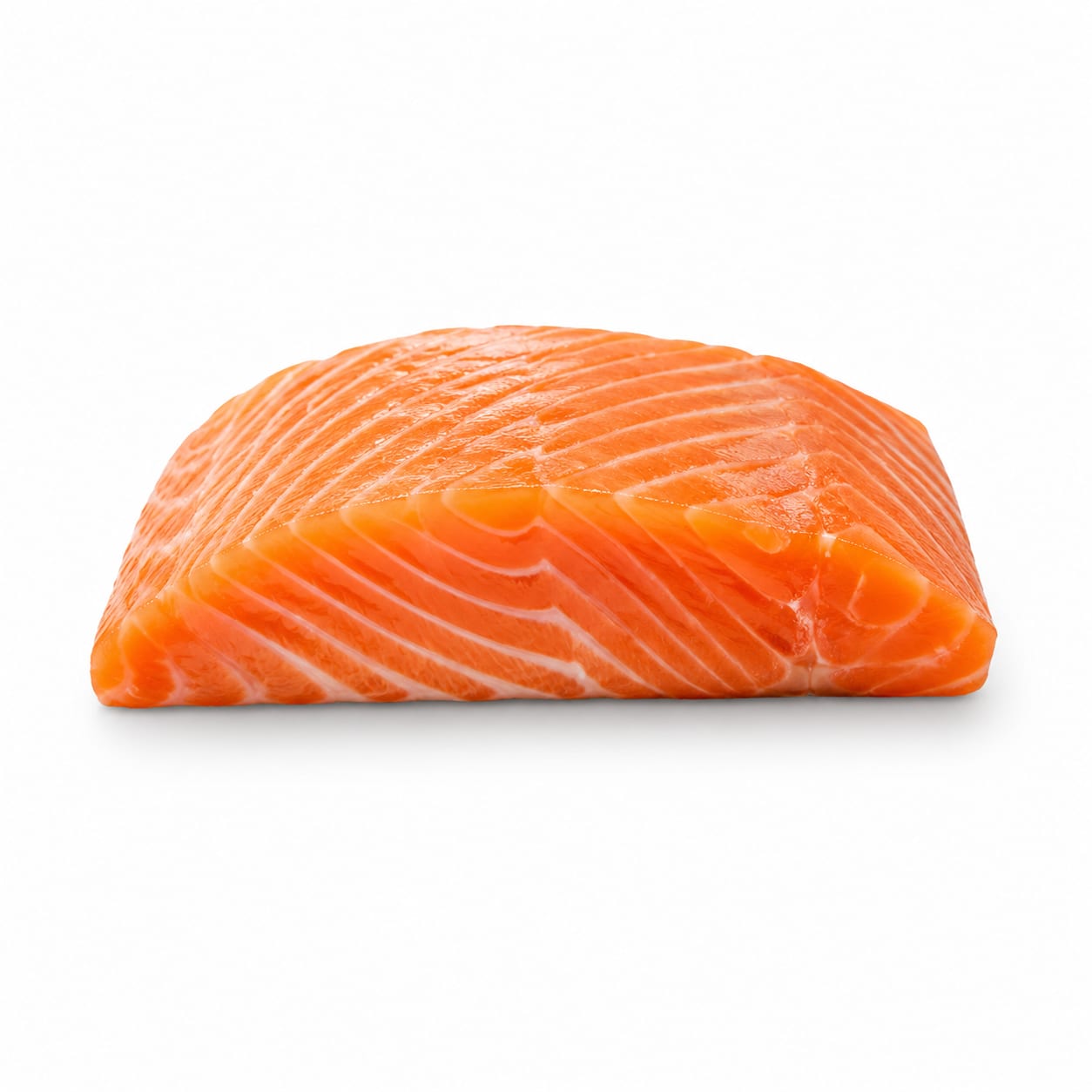
Compare with
Salmon
Salmon provides more omega-3s and healthy fats, while halibut offers a leaner, lower-calorie protein source.
Salmon provides more omega-3s and healthy fats, while halibut offers a leaner, lower-calorie protein source.
This food
Halibut
VS90% alike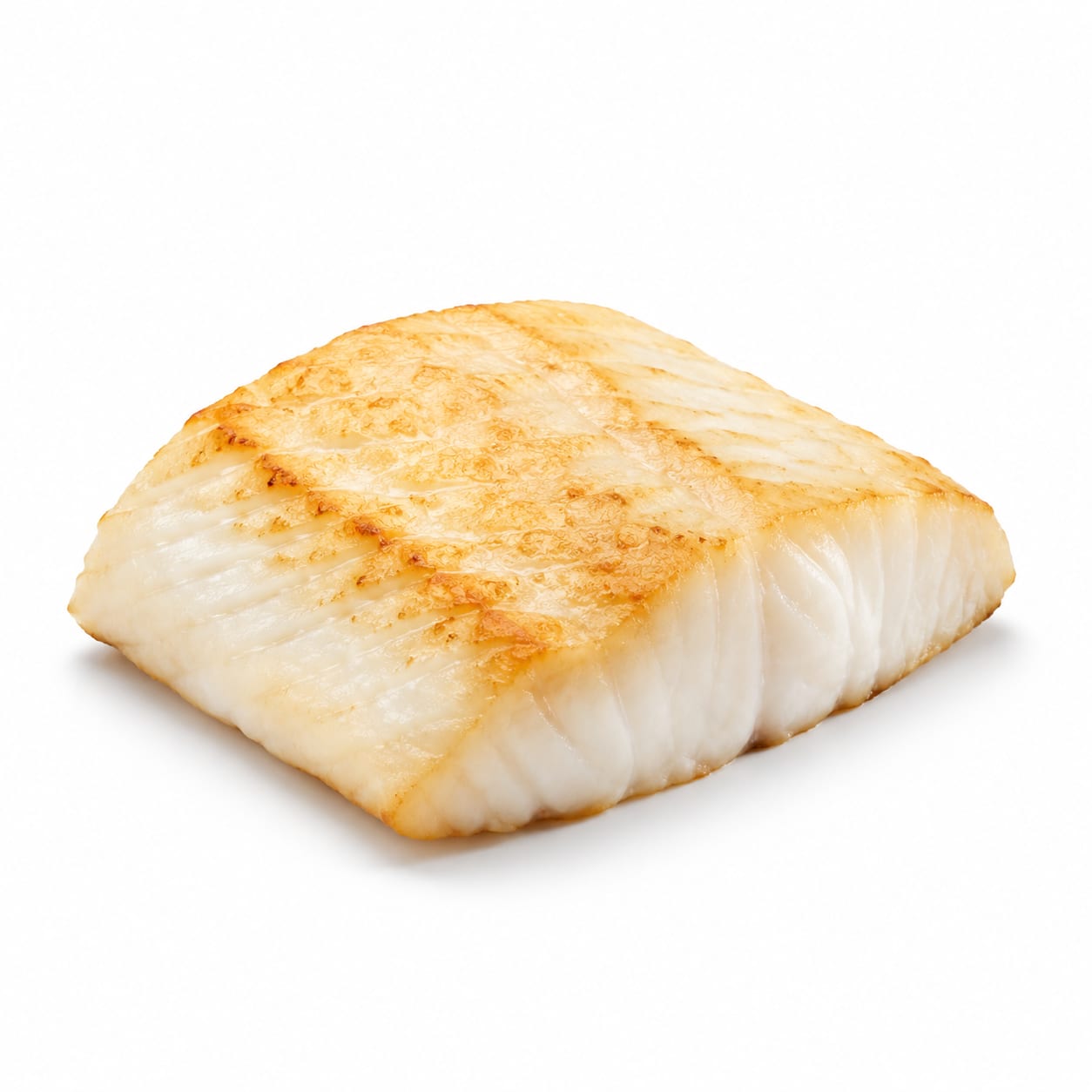
Compare with
Cod
Cod is slightly lower in calories, but halibut provides more protein and micronutrients per serving.
Cod is slightly lower in calories, but halibut provides more protein and micronutrients per serving.
This food
Halibut
VS75% alike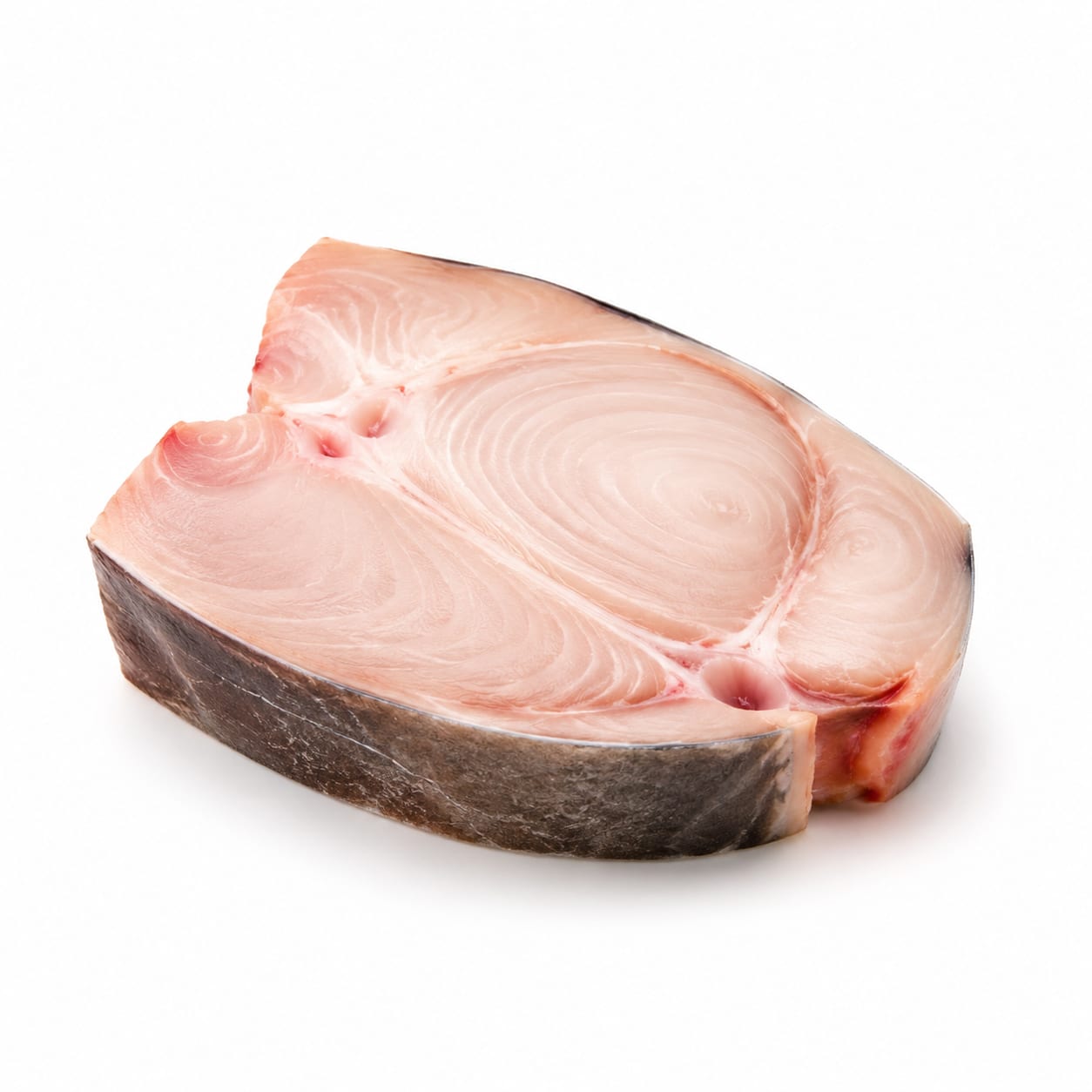
Compare with
Swordfish
Halibut is a safer choice than swordfish due to significantly lower mercury levels while providing similar lean protein.
Halibut is a safer choice than swordfish due to significantly lower mercury levels while providing similar lean protein.
This food
Halibut
VS80% alike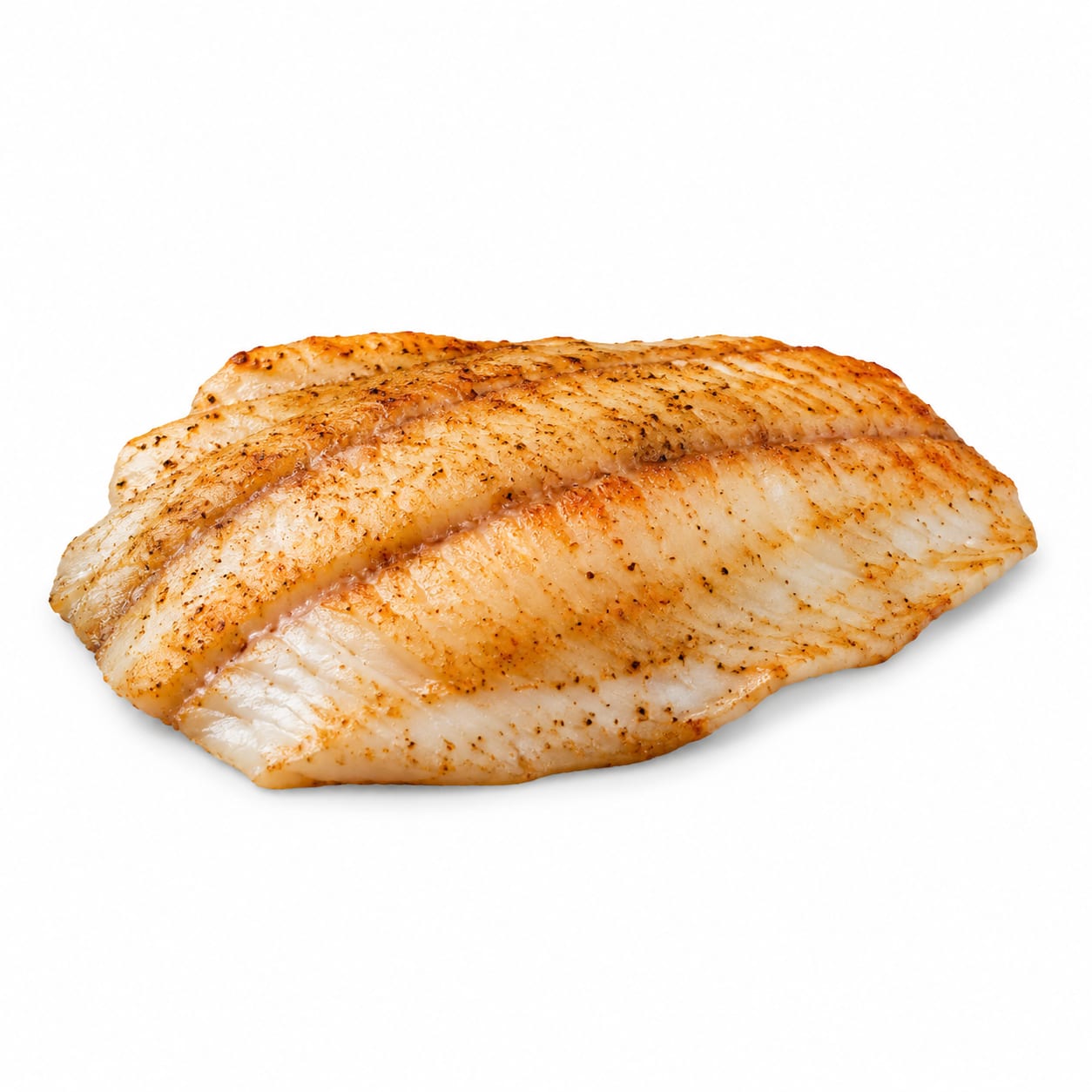
Compare with
Tilapia
Tilapia is cheaper and lower in mercury, but halibut offers better overall nutritional quality and anti-inflammatory fats.
Tilapia is cheaper and lower in mercury, but halibut offers better overall nutritional quality and anti-inflammatory fats.
This food
Halibut
VS85% alike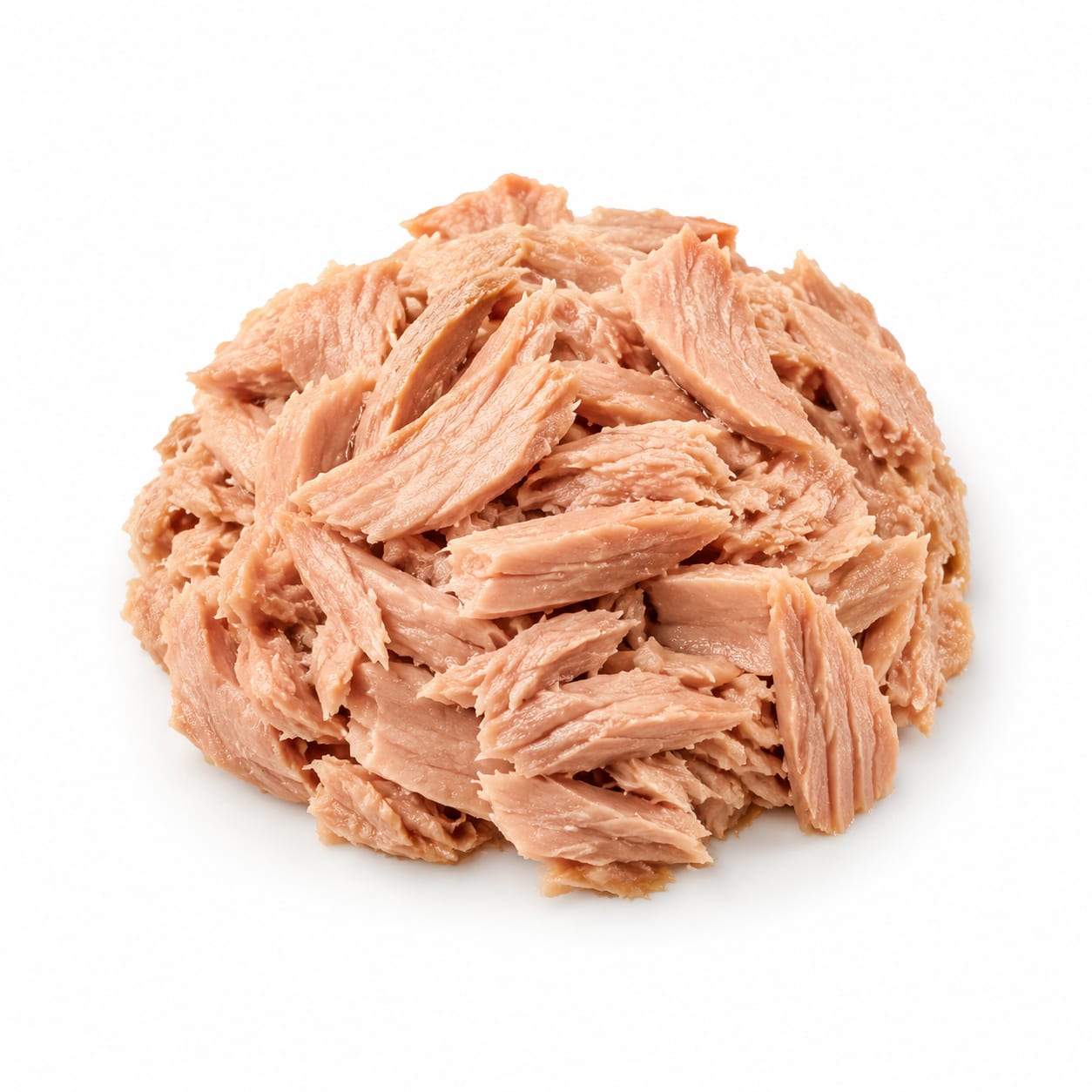
Compare with
Tuna
Tuna is slightly higher in protein, but halibut generally has lower mercury levels, making it safer for regular consumption.
Tuna is slightly higher in protein, but halibut generally has lower mercury levels, making it safer for regular consumption.
This food
Halibut
VS85% alike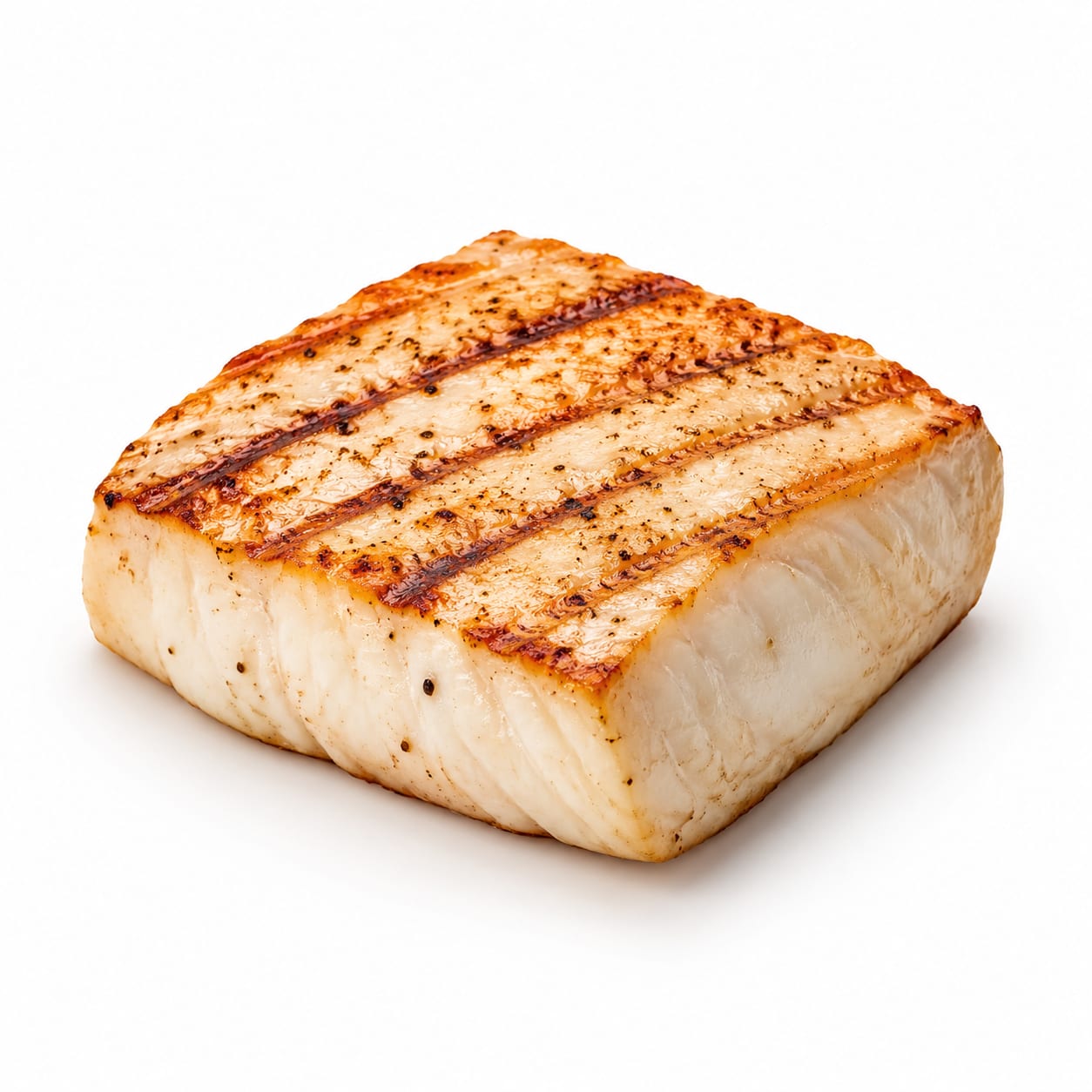
Compare with
Mahi Mahi
Mahi mahi and halibut are both lean, mild fish, but mahi mahi typically has lower mercury levels.
Mahi mahi and halibut are both lean, mild fish, but mahi mahi typically has lower mercury levels.
This food
Halibut
VS80% alike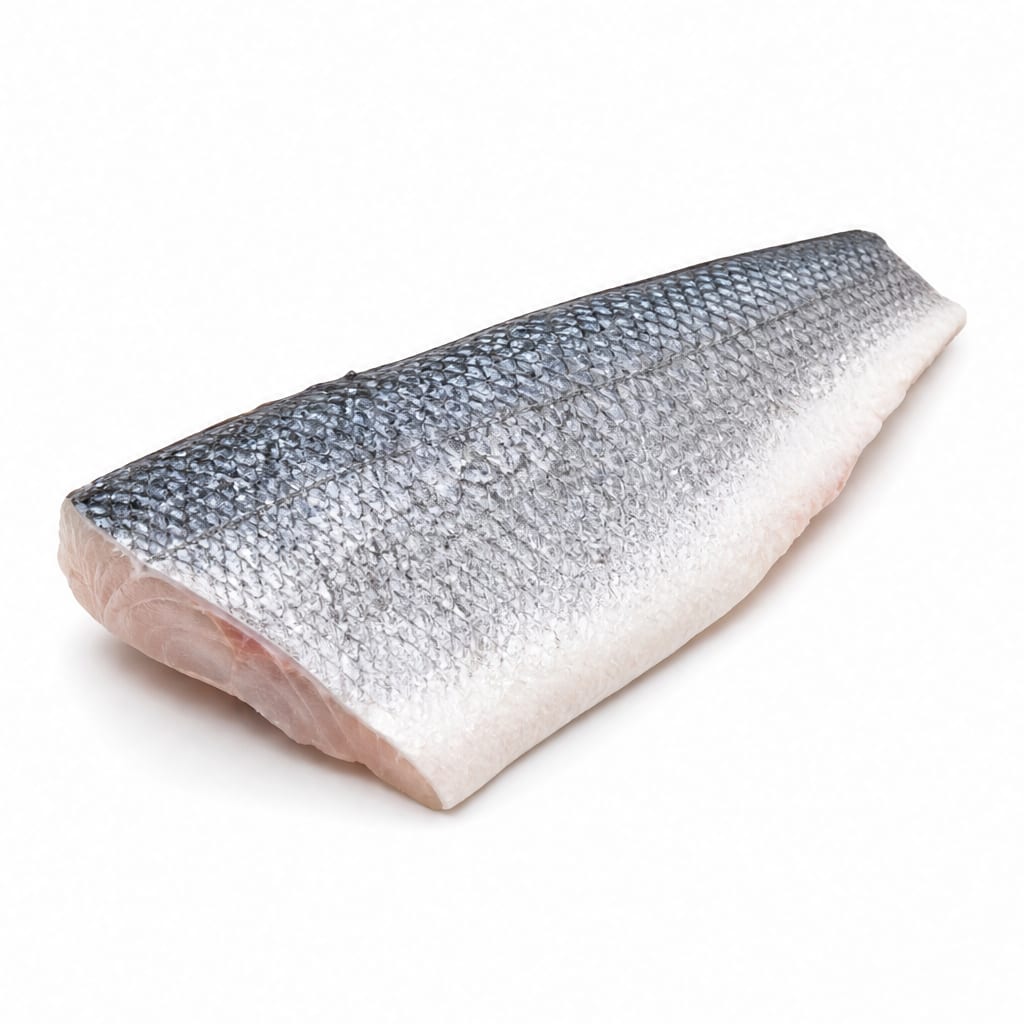
Compare with
Sea Bass
Sea bass is richer and fattier, while halibut is a leaner option better suited for low-calorie diets.
Sea bass is richer and fattier, while halibut is a leaner option better suited for low-calorie diets.
This food
Halibut
VS90% alike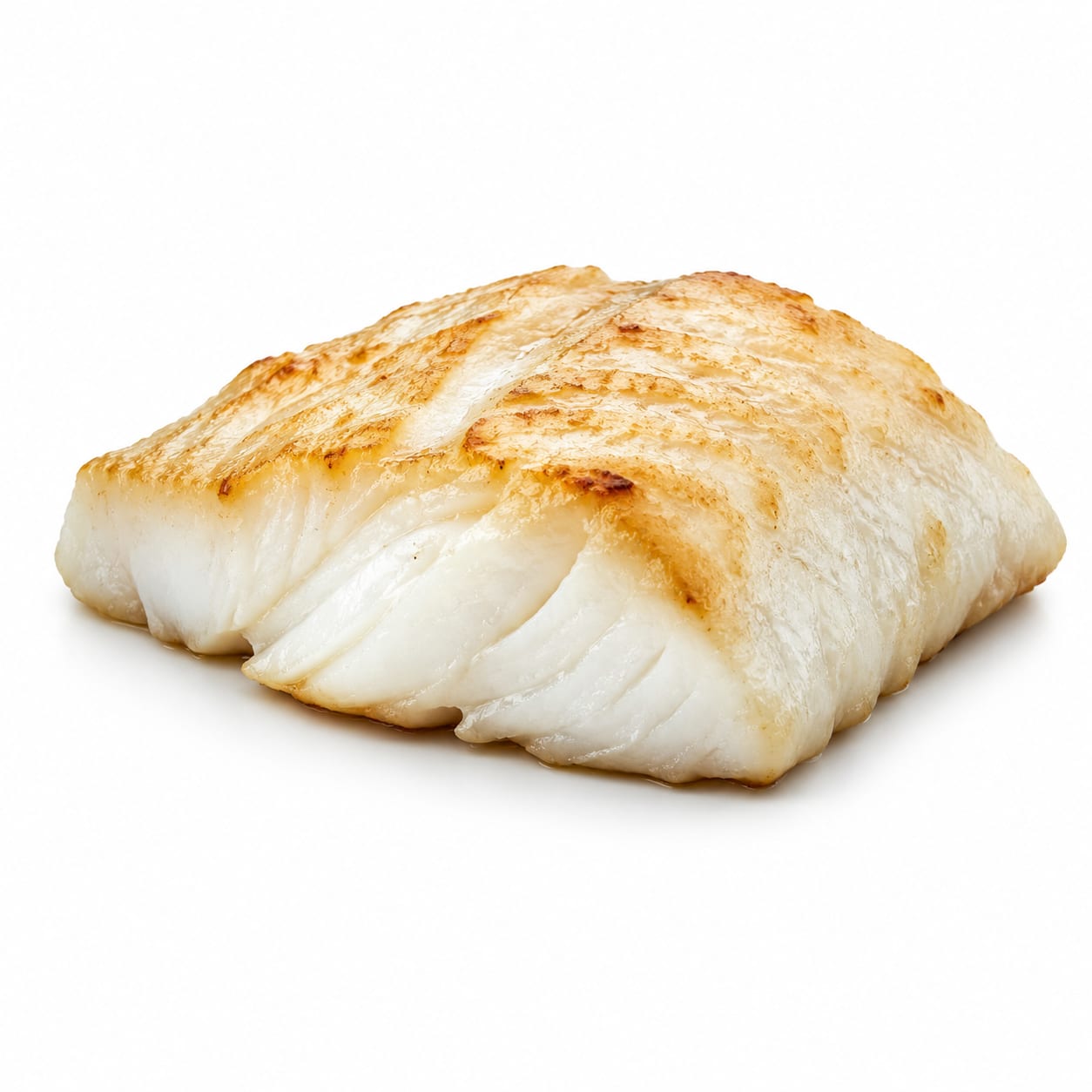
Compare with
Haddock
Haddock is lower in calories and mercury, but halibut provides a firmer texture and more selenium.
Haddock is lower in calories and mercury, but halibut provides a firmer texture and more selenium.
This food
Halibut
VS85% alike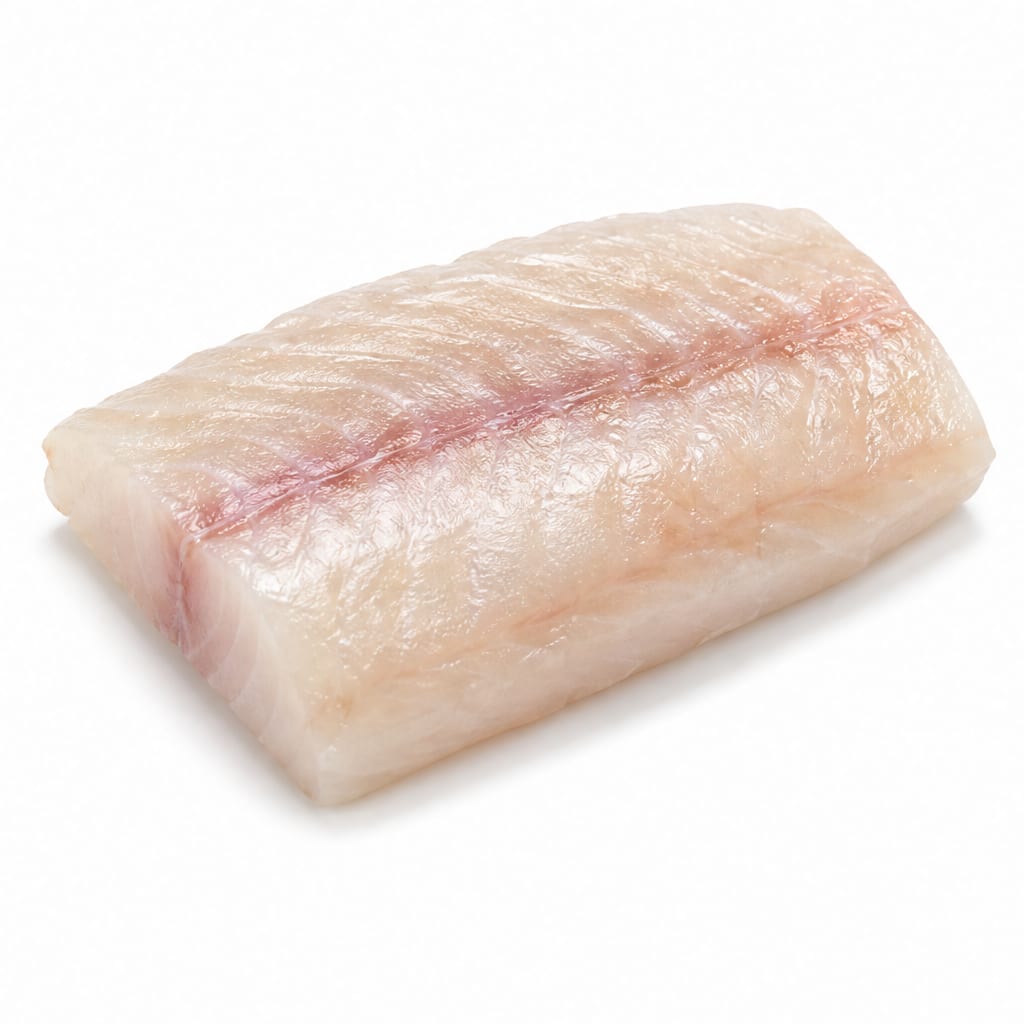
Compare with
Pollock
Pollock is a budget-friendly, low-mercury white fish, whereas halibut is a premium fish with higher protein density.
Pollock is a budget-friendly, low-mercury white fish, whereas halibut is a premium fish with higher protein density.
This food
Halibut
VS75% alike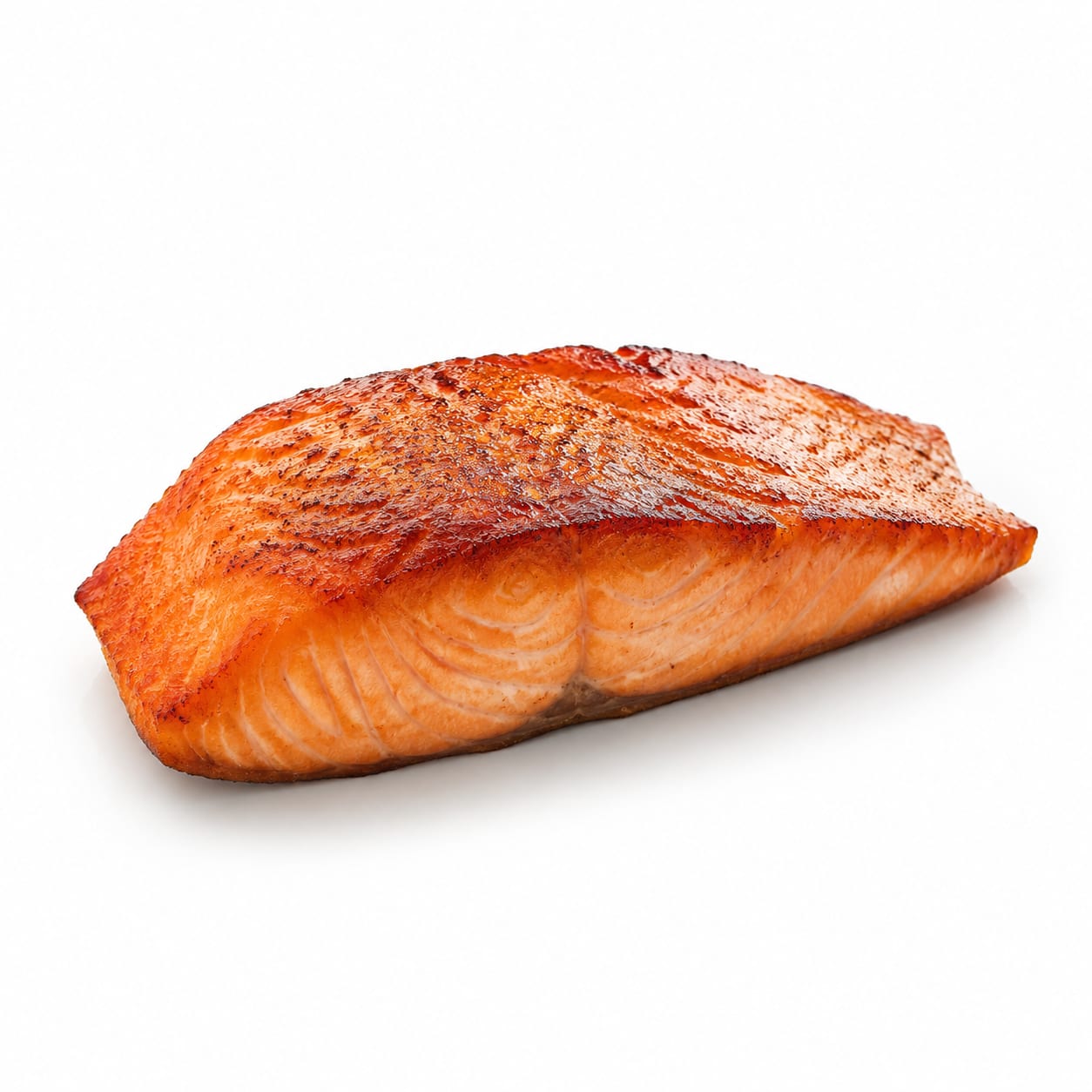
Compare with
Trout
Trout provides more omega-3 fatty acids and has lower mercury, while halibut is a leaner protein choice.
Trout provides more omega-3 fatty acids and has lower mercury, while halibut is a leaner protein choice.
Common questions
FAQ
Answers aligned with how people search for this food.
Is halibut high in mercury?
Halibut has moderate mercury levels. It is safe for most adults in moderation, but pregnant women and children should limit consumption to a few servings per month.
Is halibut good for weight loss?
Yes, halibut is very good for weight loss because it is high in protein and very low in calories and fat, which helps increase satiety.
Can diabetics eat halibut?
Yes, halibut contains zero carbohydrates and will not spike blood sugar. Its protein content also helps stabilize glucose levels after meals.
Is halibut a fatty fish?
No, halibut is considered a lean fish with only about 2.5 grams of fat per 100-gram serving, unlike salmon or mackerel.
Which is healthier, halibut or salmon?
Salmon is higher in heart-healthy omega-3 fats, while halibut is much lower in calories and fat. Both are healthy depending on whether you need more healthy fats or leaner protein.
Can you eat halibut on a keto diet?
Yes, halibut is carb-free and keto-friendly, though you will need to add a fat source like butter or olive oil to meet keto macronutrient ratios.
How much protein is in a serving of halibut?
A standard 3-ounce (85g) serving of cooked halibut contains about 20 grams of high-quality protein.
What is the best way to cook halibut?
Baking, pan-searing, and grilling are the best methods. Because it is very lean, avoid overcooking and consider using a marinade or a bit of oil to keep it moist.
Transparency
Data confidence
Estimated confidence for nutrition data, interpretation, safety notes, and comparisons.
Nutrition data
Health analysis
Food safety
Comparisons