
Nutrition comparison
Haddock vs Halibut: Which White Fish Is Healthier and Safer to Eat?
Compare Haddock and Halibut on mercury levels, protein, nutrition, price, and taste. Find out which white fish is safer for regular consumption and when to choose each.
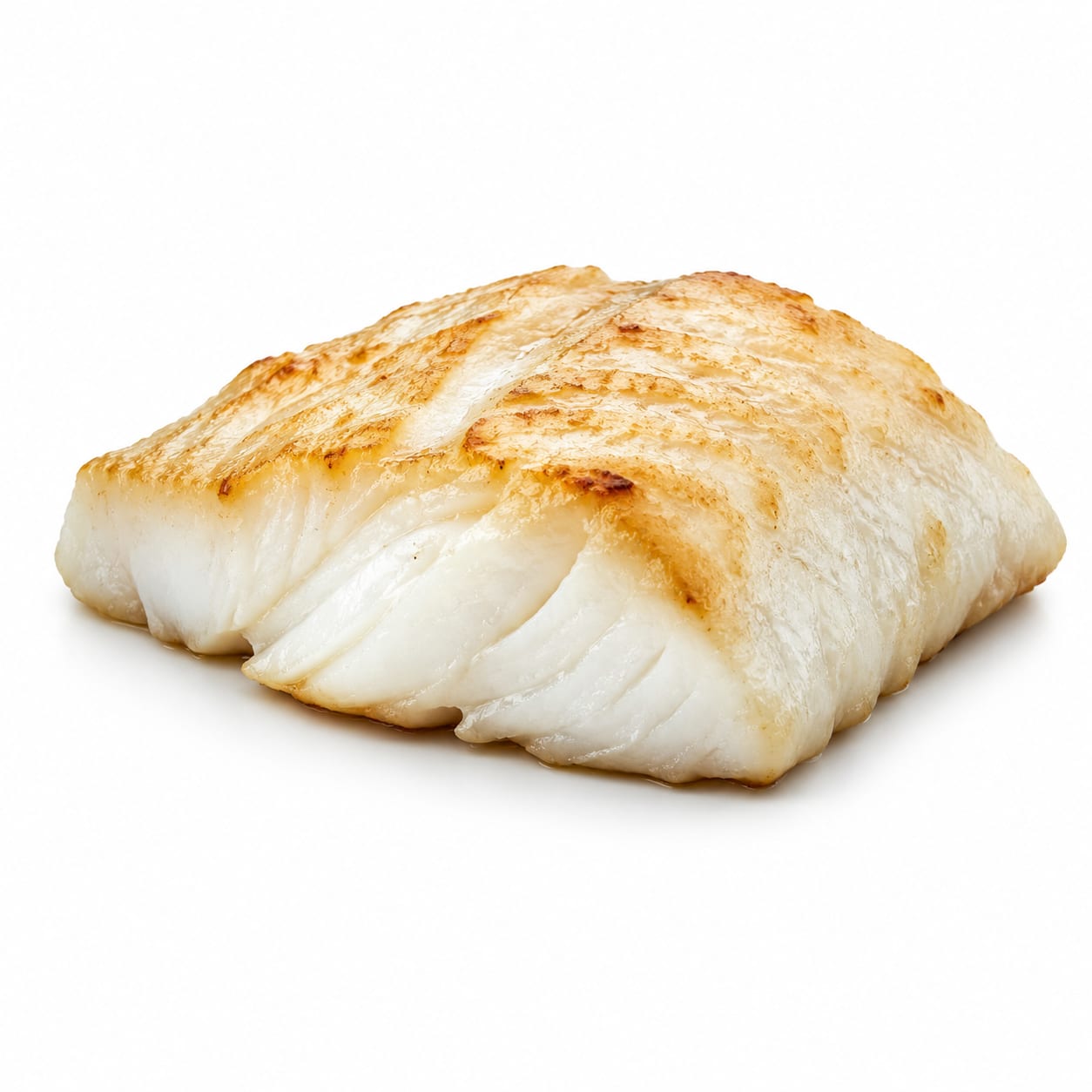
Haddock
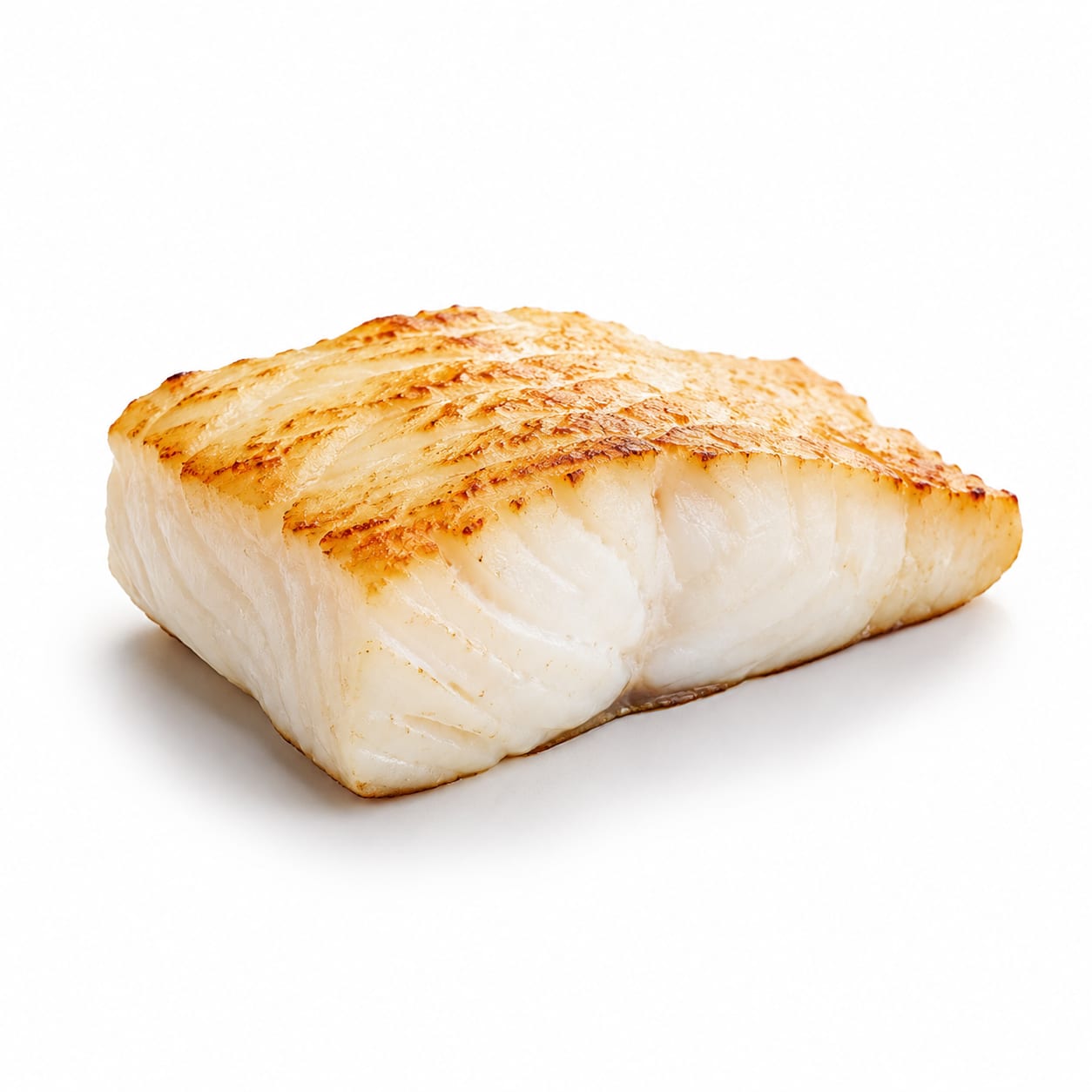
Halibut
Haddock is the safer, cheaper everyday fish. Halibut is the richer, more nutrient-dense premium option that comes with higher mercury tradeoffs.
Haddock wins overall primarily on safety and practicality. Halibut scores higher on nutrient density and protein but its mercury load penalizes frequent use. The gap would narrow or reverse for occasional consumption.
Halibut gives you more protein and micronutrients per bite but carries meaningfully higher mercury. Haddock is the leaner, cleaner choice you can eat more often without worry.
At a glance
Executive summary
Overall
It depends
Healthier
Haddock
More practical
Haddock
Daily use
Haddock
Key comparison lenses
mercury and heavy metal safety
Halibut is a large predatory fish with notably higher mercury levels than Haddock, making this the single most important differentiator for regular consumers
protein density and satiety
Both are lean white fish but Halibut delivers more protein per serving, which matters for meal planning and fullness
everyday affordability and accessibility
Haddock is significantly cheaper and more widely available, making it the practical choice for frequent meals
omega-3 and nutrient density
Neither is a top omega-3 source like salmon, but Halibut edges ahead in several micronutrients including selenium and B vitamins
cooking versatility and texture preference
Halibut has a firmer, steak-like texture while Haddock is flakier and more delicate, affecting recipe suitability
Best choice for
Haddock
- Pregnant women and children due to lower mercury
- Budget-conscious households eating fish weekly
- Anyone eating fish 3+ times per week
- Lighter meals where you want lean protein without heaviness
Halibut
- Athletes needing higher protein density per meal
- Occasional fine dining or special-occasion meals
- Those prioritizing selenium and B-vitamin intake
- People who prefer firm, meaty fish textures over flaky ones
Least suitable for
Haddock
- Those seeking maximum protein per serving
- Diners wanting a steak-like fish experience
- People looking for the highest omega-3 content in fish
Halibut
- Pregnant or breastfeeding women due to mercury
- Young children
- Anyone eating fish daily or near-daily
- Tight grocery budgets
Deep comparison
Dimension by dimension
Each lens scores both foods and breaks down who each option suits.
- Dimension 1 · Priority 92Haddock
mercury and contaminant safety
Haddock · 88Halibut · 52Haddock has roughly 3-4 times less mercury than Halibut, making it the clearly safer choice for regular consumption.
Tradeoff
Halibut's position as a large, long-lived predatory fish means it accumulates significantly more mercury. Safe in moderation but not ideal as a weekly staple.
Why it matters
Chronic mercury exposure affects neurological function, memory, and cardiovascular health. This is the deciding factor for pregnant women, children, and frequent fish eaters.
Real-world impact
You can comfortably eat Haddock 2-3 times per week. Halibut is best limited to 1-2 times per week, and avoided entirely during pregnancy.
Haddock
- Pregnant and breastfeeding women
- Children under 12
- Anyone eating fish multiple times weekly
Better for
- Those who assume all white fish are equally safe and overconsume
Worse for
Halibut
- Healthy adults eating it occasionally
Better for
- Frequent fish eaters who treat it like a daily protein source
- Pregnant women unaware of the mercury difference
Worse for
- Dimension 2 · Priority 78Halibut
protein density and satiety
Haddock · 68Halibut · 85Halibut delivers about 23g of protein per 100g versus Haddock's 16-17g, making it noticeably more filling per serving.
Tradeoff
That extra protein comes with slightly more calories and the higher mercury burden already noted. The satiety advantage is real but not worth daily exposure.
Why it matters
Higher protein per bite means you feel fuller with less food, which helps with portion control and meal satisfaction.
Real-world impact
A single Halibut fillet feels like a complete meal. Haddock may leave you wanting a side dish or second helping to feel equally satisfied.
Haddock
- Lighter meals and salads where you want protein without heaviness
- Smaller appetites and older adults
Better for
- Big eaters who find a Haddock portion unsatisfying alone
Worse for
Halibut
- Post-workout recovery meals
- Athletes and active people needing more protein
- Anyone trying to stay full longer between meals
Better for
- Those who assume more protein always means a better choice
Worse for
- Dimension 3 · Priority 75Haddock
affordability and accessibility
Haddock · 82Halibut · 45Haddock typically costs half to one-third the price of Halibut and is far easier to find in standard grocery stores.
Tradeoff
You pay less but get slightly less nutritional punch per serving. For most households, the cost difference is the dealbreaker for regular Halibut consumption.
Why it matters
The best fish for you is the one you actually buy and cook regularly. Affordability drives consistency.
Real-world impact
Haddock fits a weekly grocery budget without thought. Halibut is more of a treat-yourself purchase for most people.
Haddock
- Families feeding 3+ people
- Meal preppers buying in bulk
- Anyone cooking fish multiple times per week
Better for
- Diners who associate price with quality and skip it
Worse for
Halibut
- Special occasions where cost is less important than experience
Better for
- Budget-conscious shoppers who feel priced out of healthy fish options
Worse for
- Dimension 4 · Priority 68Halibut
micronutrient density
Haddock · 62Halibut · 80Halibut is richer in selenium, vitamin B6, B12, niacin, and magnesium. Haddock is no slouch but delivers less per serving across most micronutrients.
Tradeoff
The micronutrient edge is meaningful but not dramatic. You can close the gap with a balanced diet otherwise.
Why it matters
Selenium supports thyroid and immune function. B vitamins matter for energy metabolism. These add up over time.
Real-world impact
If fish is your main protein source, Halibut gives you more nutritional insurance per meal. If you eat varied proteins, the difference matters less.
Haddock
- Those already taking a multivitamin or eating nutrient-diverse diets
Better for
- Anyone expecting one fish to cover most micronutrient needs
Worse for
Halibut
- People relying heavily on fish as a primary protein and nutrient source
- Those needing extra selenium for thyroid support
Better for
- People who overvalue the micronutrient gap and ignore the mercury tradeoff
Worse for
- Dimension 5 · Priority 60Halibut
omega-3 fatty acid content
Haddock · 40Halibut · 55Neither fish is an omega-3 powerhouse. Halibut has slightly more but both fall well below salmon, sardines, or mackerel.
Tradeoff
If you are choosing between these two specifically for omega-3s, you are choosing from the wrong category entirely.
Why it matters
Omega-3s reduce inflammation and support heart and brain health. But you should not expect meaningful amounts from either of these lean white fish.
Real-world impact
Do not count on Haddock or Halibut for your omega-3 intake. Add salmon, sardines, or a fish oil supplement if that is your goal.
Haddock
- Those who mistakenly assume all fish are high in omega-3s and eat Haddock thinking it covers that need
Better for
- Anyone relying on it as an omega-3 source
Worse for
Halibut
- People who want at least a small omega-3 bonus alongside their lean protein
Better for
- Those who assume the higher price means significantly more omega-3s
Worse for
- Dimension 6 · Priority 55It depends
cooking versatility and texture
Haddock · 72Halibut · 74Haddock flakes beautifully for fish and chips, chowders, and tacos. Halibut holds together like a steak, ideal for grilling and searing.
Tradeoff
Neither is better universally. It depends entirely on what you are cooking. Delicate dishes favor Haddock. Bold preparations favor Halibut.
Why it matters
The wrong texture can ruin a dish. Flaky fish falls apart on a grill. Firm fish feels wrong in a chowder.
Real-world impact
Fish and chips? Haddock. Grilled fish steak with lemon? Halibut. Baked fillet with crumbs? Either works.
Haddock
- Battered and fried preparations
- Fish chowders and stews
- Fish tacos where flakiness is desired
- Baked dishes with breadcrumb toppings
Better for
- Grilling where the fish falls through the grates
- Dishes requiring structural integrity
Worse for
Halibut
- Grilling and high-heat searing
- Steak-style presentations
- Ceviche where firm texture matters
- Pan-roasting where you want a golden crust
Better for
- Chowders where you want tender flakes
- Battering where density feels heavy
Worse for
Timeline
Health impact over time
Short-term
Hours to days
Haddock
- Light, easy-to-digest protein that sits comfortably after eating
- Low calorie load makes it suitable for evening meals without feeling heavy
- Mild flavor is gentle on the stomach and pairs well with simple sides
Halibut
- More filling per serving due to higher protein density
- Slightly richer mouthfeel that feels more satisfying as a main course
- Heavier portion may feel too dense for light meals
Long-term
Months to years
Haddock
- Lower mercury exposure supports long-term neurological and cardiovascular health
- Sustainable for frequent consumption without cumulative contaminant concerns
- Lean protein supports weight maintenance when eaten regularly
Halibut
- Higher mercury accumulation if consumed too frequently, potentially affecting cognitive function over time
- Better micronutrient intake supports thyroid and immune health when consumed in moderation
- Higher protein intake supports muscle preservation with aging
Risk profile
Safety & processing
Both Haddock and Halibut are typically sold as fresh or frozen fillets with minimal processing. Watch out for smoked or breaded versions, which add sodium and fillers. Frozen at-sea fillets are perfectly natural and often fresher than thawed fish at the counter.
Haddock
mercury exposure
lowHaddock averages around 0.055 ppm mercury, well below the FDA action level. Safe for frequent consumption including during pregnancy in moderate amounts.
parasites in raw preparations
mediumLike all wild fish, raw Haddock carries parasite risk. Must be previously frozen per FDA guidelines if used in ceviche or sushi.
overfishing sustainability concerns
lowAtlantic Haddock stocks are generally well-managed, but always check MSC certification for responsible sourcing.
Halibut
mercury exposure
highHalibut averages 0.18-0.24 ppm mercury, significantly higher than Haddock. FDA advises pregnant women to limit consumption. A 150-pound adult should cap intake at roughly one serving per week.
parasites in raw preparations
mediumPacific Halibut can carry anisakis parasites. Must be previously frozen before raw consumption.
sustainability variability
mediumPacific Halibut is well-managed, but Atlantic Halibut populations have historically been overfished. Check sourcing carefully.
Who wins for whom
Audience fit
Same foods, different winners depending on your goal.
children
HaddockSignificantly lower mercury makes Haddock the clear choice for developing nervous systems. The flakier texture is also easier for young children to chew.
daily consumption
HaddockMercury accumulation is the limiting factor. Haddock can be eaten multiple times per week safely. Halibut should be limited to once or twice weekly at most.
diabetes
HaddockBoth are essentially zero-carb, but Haddock's lower mercury makes it safer for long-term regular consumption, which matters more for chronic condition management.
elderly
HaddockLower mercury, easier-to-chew flaky texture, and gentler on the digestive system. The protein gap can be closed with an extra ounce or a side of beans.
muscle gain
HalibutMore protein per serving supports muscle protein synthesis better. The firmer texture also pairs well with hearty post-workout meals.
weight loss
HaddockFewer calories per serving with solid protein makes Haddock easier to fit into a calorie deficit. You can eat a larger portion for the same calories.
Your move
Decision guide
Choose Haddock
- You eat fish 2 or more times per week
- You are pregnant, breastfeeding, or feeding young children
- Budget matters and you want healthy fish without premium pricing
- You prefer lighter, flakier fish for everyday meals
- You are meal-prepping fish for the week
Choose Halibut
- You eat fish occasionally and want maximum nutritional impact per meal
- You are grilling or searing and need a firm, steak-like texture
- You are cooking for a special occasion
- You need higher protein density for athletic goals
- You are confident you can limit intake to once per week
Either works if
- You are baking a fillet with simple seasoning
- You want a lean white fish for fish tacos
- You are making a seafood stew and both are available
- You have no mercury concerns and eat fish less than once per week
Avoid both if
- You have a fish or seafood allergy
- You are primarily seeking omega-3 benefits and should choose salmon or sardines instead
- You are looking for plant-based protein sources
Final recommendation
Make Haddock your everyday white fish and treat Halibut as an occasional upgrade. This gives you the safety and affordability of Haddock for regular meals while still enjoying Halibut's superior texture and nutrient density when it counts. If you only eat fish once a week, Halibut is fine. If you eat fish regularly, Haddock is the smarter default.
Practical
Consumer tips
- 1
Check for MSC certification on both fish to ensure sustainable sourcing
- 2
Buy frozen-at-sea fillets — they are often fresher than fish that has been sitting on ice at the counter
- 3
If buying Halibut, Pacific is generally better managed than Atlantic for sustainability
- 4
Avoid pre-breaded versions of either fish — they add sodium, refined carbs, and unhealthy oils
- 5
For Haddock, a squeeze of lemon and herbs is all you need. For Halibut, a quick sear with butter and garlic elevates the natural richness
- 6
Pregnant women: Haddock is on the FDA's 'best choices' list. Halibut is on the 'good choices' list, limited to once per week
- 7
If you find Halibut on sale, buy it but freeze portions to pace your consumption rather than eating it all in one week