
Nutrition comparison
Halibut vs Swordfish: Which Fish Is Safer and Healthier?
Compare Halibut and Swordfish to discover which is safer for regular consumption, lower in mercury, and better for your health goals.
Overall winner · Halibut
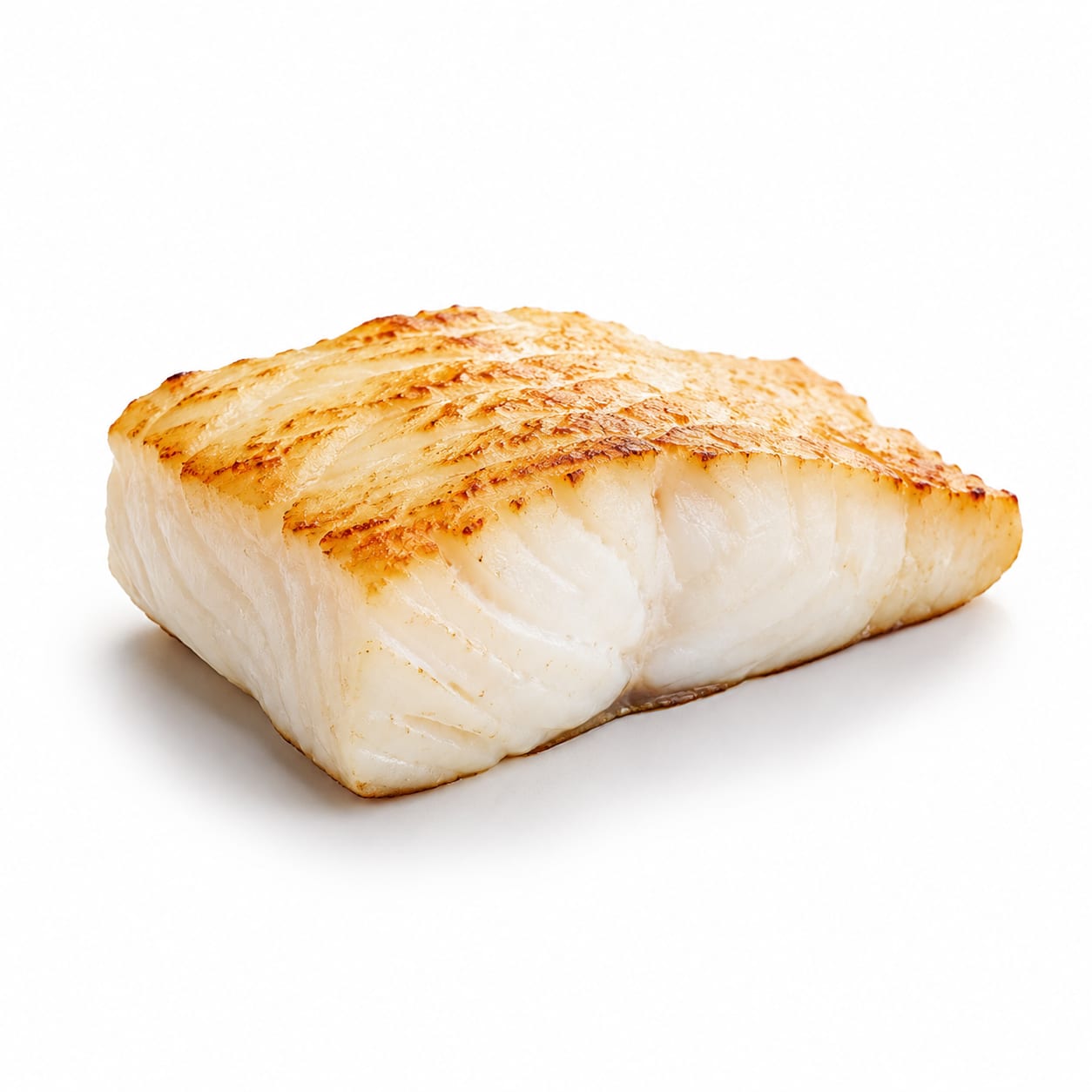
Halibut
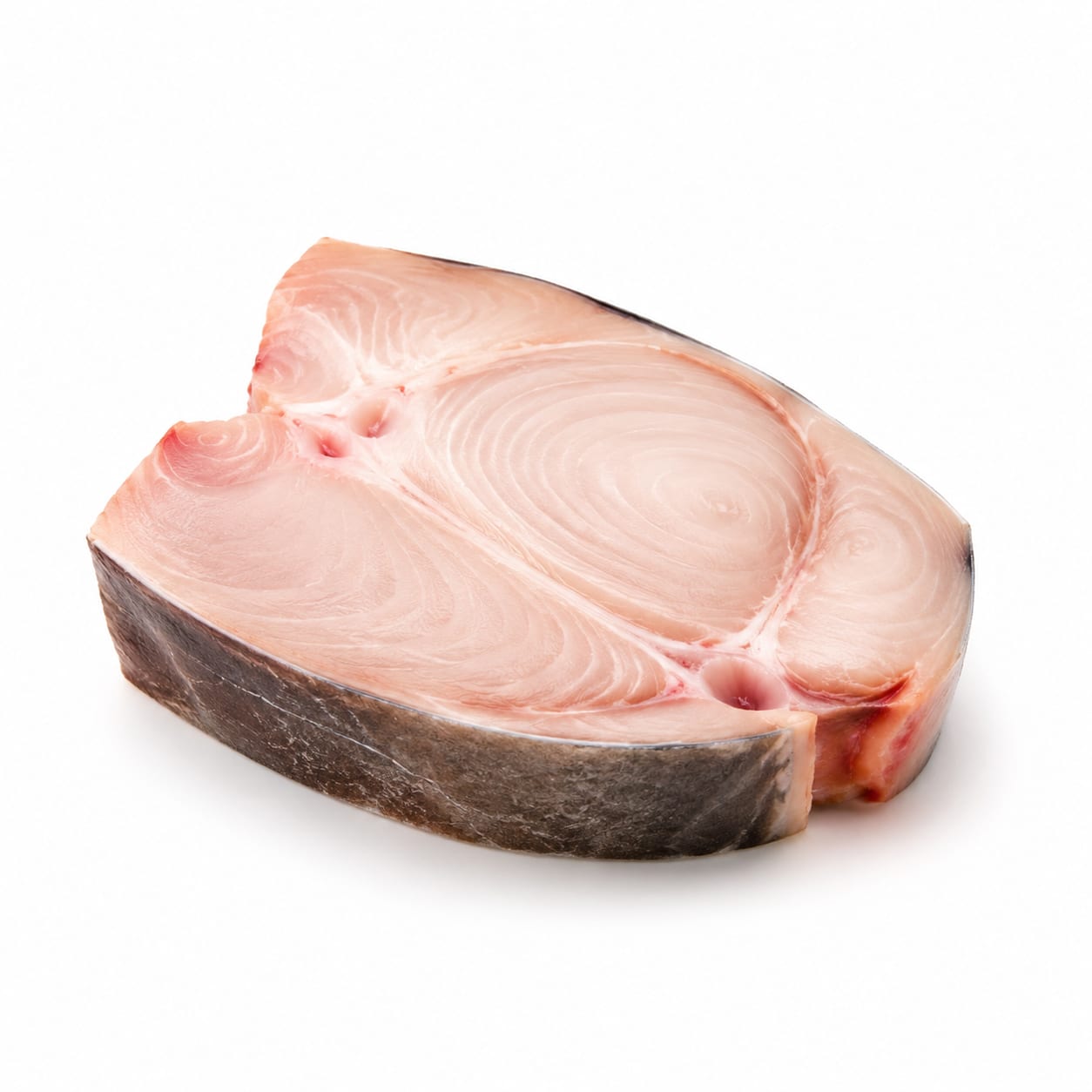
Swordfish
Halibut is the safer, more versatile choice for regular eating, while Swordfish is a rich, steak-like treat best enjoyed occasionally due to high mercury.
Halibut scores significantly higher because its moderate mercury level allows for safe, regular consumption, whereas Swordfish's high mercury content severely limits how often you can eat it.
You trade the dense, satisfying bite of Swordfish for the significantly lower mercury and leaner profile of Halibut.
At a glance
Executive summary
Overall
Halibut
Healthier
Halibut
More practical
Halibut
Daily use
Halibut
Key comparison lenses
Mercury and heavy metal exposure
Swordfish is notoriously high in mercury, while Halibut carries a moderate load, making safety the primary deciding factor.
Meal frequency suitability
Halibut can be eaten weekly, whereas Swordfish should be strictly limited to occasional indulgences.
Heart health and omega-3s
Both provide beneficial fats, but the mercury tradeoff in Swordfish complicates its heart-health narrative.
Texture and cooking method
Halibut is flaky and mild, while Swordfish is dense and meaty, heavily influencing how each is cooked.
Best choice for
Halibut
- Families eating fish weekly
- People watching mercury intake
- Those preferring a lean, flaky fish
Swordfish
- Occasional backyard grilling
- Steak lovers transitioning to seafood
- Those wanting a richer, meatier bite
Least suitable for
Halibut
- People wanting a dense, meaty fish steak
- High-calorie diets needing richer fats
Swordfish
- Pregnant or nursing women
- Children
- Frequent seafood consumers
Deep comparison
Dimension by dimension
Each lens scores both foods and breaks down who each option suits.
- Dimension 1 · Priority 95Halibut
Heavy Metal Safety
Halibut · 80Swordfish · 20Halibut has moderate mercury, while Swordfish is one of the highest-mercury fish available.
Tradeoff
Swordfish offers a meaty texture but comes with a serious heavy metal load that restricts intake.
Why it matters
High mercury exposure affects brain function and nervous system health, especially in vulnerable populations.
Real-world impact
You can comfortably eat Halibut a couple of times a week, but Swordfish should be limited to once a month or less.
Halibut
- Pregnant women
- Children
- Weekly meal prep
Better for
Swordfish
- Frequent diners
- Brain health
- Detox pathways
Worse for
- Dimension 2 · Priority 75Swordfish
Protein and Satiety
Halibut · 85Swordfish · 90Swordfish is slightly richer and higher in fat, making it a bit more filling and satisfying per serving.
Tradeoff
Halibut is leaner and lower in calories, while Swordfish provides a denser, more steak-like satisfaction.
Why it matters
A meal that keeps you full longer helps prevent snacking later in the evening.
Real-world impact
A Swordfish steak might keep you full for an extra hour compared to a Halibut fillet, but the Halibut saves you calories.
Halibut
- Calorie counters
- Lighter meals
Better for
- Those needing high calorie intake
Worse for
Swordfish
- Hearty appetites
- Post-workout recovery
Better for
- Light eaters
Worse for
- Dimension 3 · Priority 70Swordfish
Omega-3 and Heart Health
Halibut · 75Swordfish · 80Swordfish has slightly more total fat and omega-3s than Halibut, though both are good sources.
Tradeoff
You get a bit more anti-inflammatory fats from Swordfish, but at the cost of higher mercury, which can counteract heart benefits if eaten too often.
Why it matters
Omega-3s support heart and brain health, but mercury undermines those same benefits.
Real-world impact
Choosing Halibut gives you a solid omega-3 boost without the toxic baggage that comes from eating Swordfish frequently.
Halibut
- Consistent heart health
- Low-toxin diets
Better for
Swordfish
- Occasional omega-3 spikes
Better for
- Long-term cardiovascular safety
Worse for
- Dimension 4 · Priority 60It depends
Culinary Experience
Halibut · 85Swordfish · 85Halibut is flaky, mild, and versatile; Swordfish is dense, meaty, and stands up to aggressive grilling.
Tradeoff
Halibut is better for delicate preparations and baking, while Swordfish excels on the BBQ.
Why it matters
The right texture makes or breaks a recipe.
Real-world impact
Use Halibut for fish tacos or baked dinners; save Swordfish for a summer grill session where you want a steak-like bite.
Halibut
- Baking
- Fish tacos
- Mild flavor lovers
Better for
- Heavy BBQ sauces
- Kebabs
Worse for
Swordfish
- Grilling
- Marinades
- Steak lovers
Better for
- Delicate sauces
- Flaky fish recipes
Worse for
Timeline
Health impact over time
Short-term
Hours to days
Halibut
- Provides high-quality protein for steady energy
- Light on the stomach due to low fat content
Swordfish
- Very filling and satisfying due to higher fat content
- Rich, meaty texture feels like a substantial meal
Long-term
Months to years
Halibut
- Supports heart health with regular omega-3 intake
- Safe for frequent consumption without mercury buildup
Swordfish
- Risk of mercury accumulation if eaten too often
- Potential neurological impacts from heavy metals over time
Risk profile
Safety & processing
Both Halibut and Swordfish are whole, natural proteins with no artificial additives, but the environmental contaminant load is the real differentiator.
Halibut
Mercury exposure
mediumHalibut has moderate mercury levels; safe for a few servings a week, but not daily.
Swordfish
Mercury exposure
highSwordfish is a large predator fish that accumulates significant mercury; strictly limit to occasional consumption.
Sustainability concerns
mediumSome Swordfish fisheries have bycatch issues; always check for sustainable sourcing.
Who wins for whom
Audience fit
Same foods, different winners depending on your goal.
children
HalibutChildren are highly sensitive to mercury, making low-to-moderate mercury Halibut a much safer choice than Swordfish.
daily consumption
HalibutHalibut can safely be eaten multiple times a week, whereas Swordfish should be a rare indulgence.
diabetes
HalibutBoth have zero carbs, but Halibut's lower mercury load makes it safer for regular consumption, supporting consistent metabolic health.
elderly
HalibutHalibut provides heart-healthy omega-3s without the heavy metal risk that is especially dangerous for aging nervous systems.
muscle gain
SwordfishSwordfish offers slightly more protein and fat per serving, supporting higher calorie needs for bulking.
weight loss
HalibutHalibut is leaner and lower in calories, making it easier to fit into a calorie deficit.
Your move
Decision guide
Choose Halibut
- You eat fish more than once a week
- You are pregnant, nursing, or feeding kids
- You prefer a lighter, flakier fish
- You want a safe weekly staple
Choose Swordfish
- You are craving a meaty, steak-like BBQ fish
- You only eat this type of fish occasionally
- You want a richer, more filling seafood dinner
Either works if
- You need a zero-carb, high-protein main course
- You are looking for whole food omega-3 sources
Avoid both if
- You have a severe fish allergy
- You strictly avoid all seafood due to heavy metal concerns
Final recommendation
Make Halibut your go-to fish for regular meals and save Swordfish for the occasional steak-like treat to keep your mercury exposure low.
Practical
Consumer tips
- 1
Limit Swordfish to once a month to keep mercury levels in check.
- 2
Look for Pacific Halibut, which is generally more sustainable and well-managed than Atlantic.
- 3
If grilling Swordfish, a marinade adds flavor, but its natural richness keeps it moist.
- 4
Pregnant women and children should avoid Swordfish entirely and stick to Halibut or lower-mercury options like salmon.