
Nutrition comparison
Halibut vs Sea Bass: Which Fish Is Healthier and Safer to Eat?
Compare Halibut and Sea Bass on mercury, omega-3s, protein, sustainability, and taste. Find out which fish is better for your health goals and how often you can safely eat each.
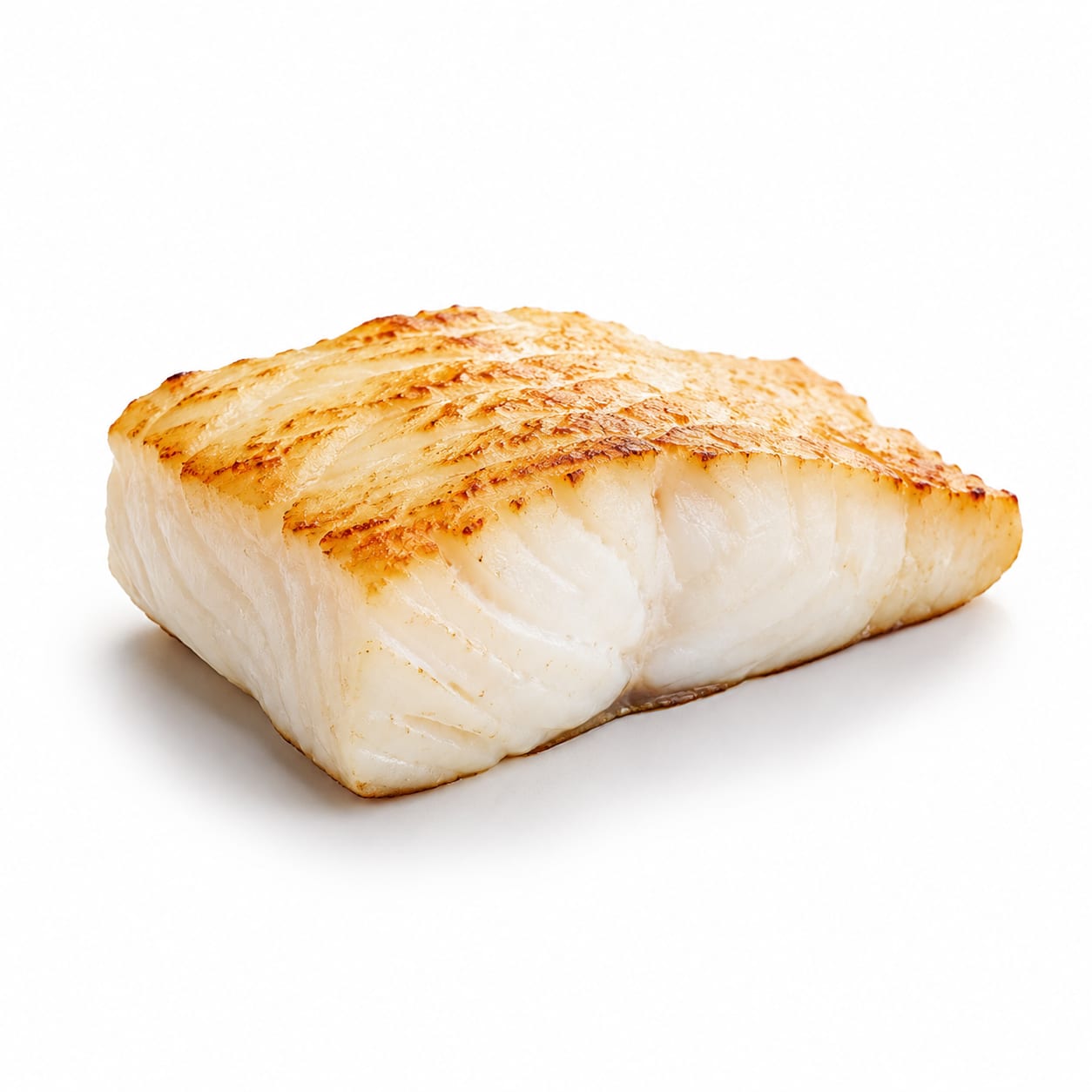
Halibut
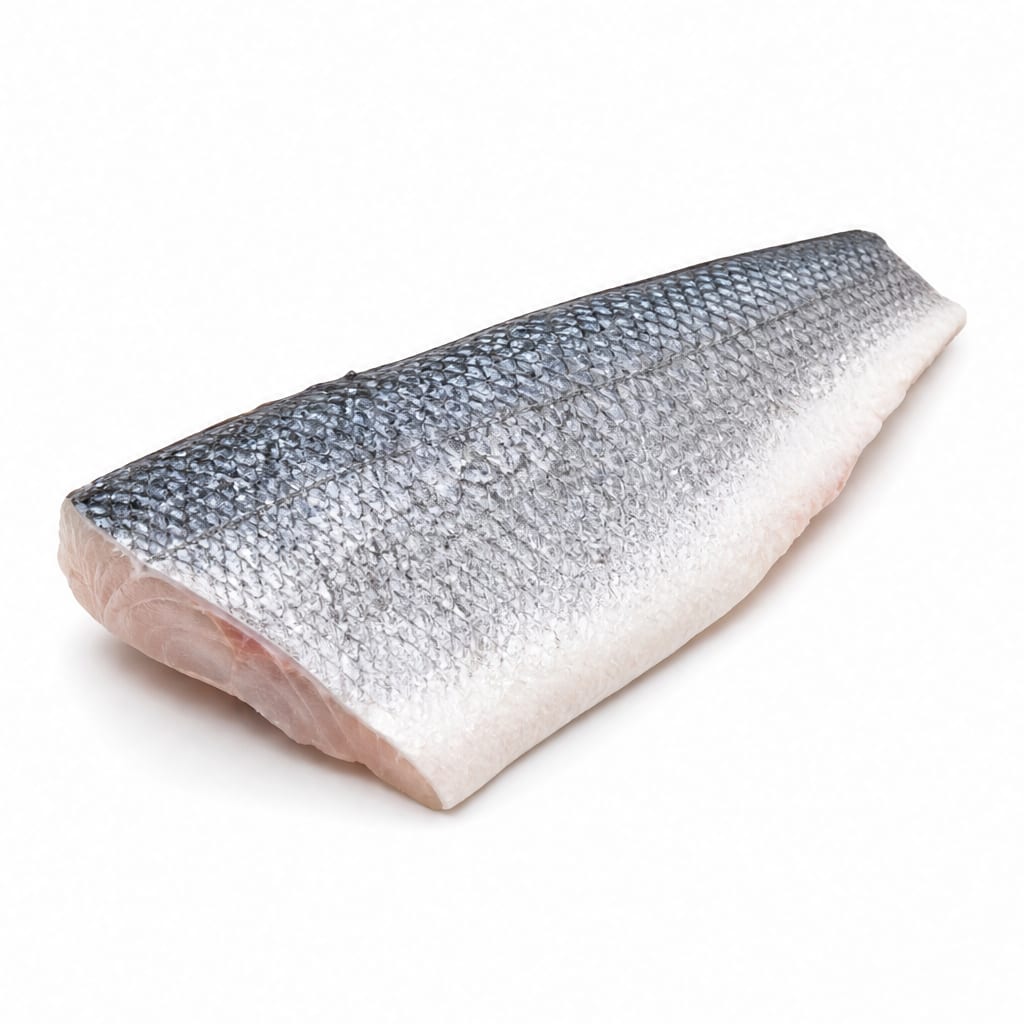
Sea Bass
Halibut wins for lean protein and lower calories; Sea Bass wins for omega-3s and richer flavor. The real deciding factor is mercury exposure and how often you eat fish.
Halibut scores higher primarily due to lower mercury risk, better protein-to-calorie ratio, and stronger sustainability options. Sea Bass offers superior omega-3 content and a richer eating experience but carries heavier safety and environmental tradeoffs that drag its score down.
More satisfying fat and omega-3s in Sea Bass versus cleaner, leaner protein in Halibut — but both require mindful portioning due to mercury.
At a glance
Executive summary
Overall
It depends
Healthier
Halibut
More practical
Halibut
Daily use
Halibut
Key comparison lenses
mercury and heavy metal safety
Both fish carry meaningful mercury concerns that directly affect how often they should be eaten and who should avoid them
lean protein vs richer omega-3 profile
Halibut is notably lean while Sea Bass offers more fat-soluble nutrients and omega-3s, creating a real dietary tradeoff
sustainability and sourcing
Chilean Sea Bass has well-documented overfishing and bycatch issues that conscientious consumers weigh heavily
heart health and inflammation
The difference in omega-3 content matters for cardiovascular and anti-inflammatory outcomes over time
calorie density and weight management
Halibut delivers more protein per calorie, making it more efficient for portion-conscious eaters
Best choice for
Halibut
- People watching calories or macronutrient ratios
- Anyone eating fish multiple times per week who needs a lower-mercury option
- Those who prefer a lighter, flakier meal that does not feel heavy
- Home cooks wanting a forgiving fish that grills and bakes reliably
Sea Bass
- Those prioritizing omega-3 intake who do not eat salmon or sardines
- Diners wanting a restaurant-quality buttery texture without adding sauce
- People eating fish only occasionally so mercury accumulation is less concerning
- Anyone seeking a more satiating, higher-fat protein source
Least suitable for
Halibut
- Pregnant women who want maximum omega-3s from a single serving
- People who find lean fish too dry or bland without heavy sauces
- Those seeking a rich, indulgent dining experience
Sea Bass
- Pregnant women and young children due to higher mercury levels
- Anyone eating fish several times weekly who needs to manage cumulative mercury exposure
- Budget-conscious shoppers as Sea Bass is typically more expensive
- People strictly tracking calories who want maximum protein efficiency
Deep comparison
Dimension by dimension
Each lens scores both foods and breaks down who each option suits.
- Dimension 1 · Priority 88Halibut
protein quality and density
Halibut · 85Sea Bass · 75Halibut delivers more protein per ounce and per calorie, making it the more efficient muscle-building choice.
Tradeoff
Sea Bass still provides solid protein but comes with more calories attached to each gram.
Why it matters
If you are tracking macros or trying to hit protein targets without overshooting calories, Halibut gets you there faster.
Real-world impact
A 6-ounce Halibut serving gives you roughly 42g protein for about 230 calories. The same protein from Sea Bass costs you closer to 320 calories.
Halibut
- Athletes in a calorie deficit
- Anyone meal-prepping lean protein for the week
- Older adults preserving muscle mass without excess calories
Better for
- People who find lean fish unsatisfying and end up snacking later
Worse for
Sea Bass
- Endurance athletes who benefit from higher fat intake
- Anyone struggling to eat enough calories overall
Better for
- Anyone whose calorie budget is already tight
Worse for
- Dimension 2 · Priority 90Sea Bass
omega-3 and healthy fat content
Halibut · 45Sea Bass · 80Sea Bass contains significantly more omega-3 fatty acids and total fat, giving it a clear edge for anti-inflammatory and cardiovascular benefits.
Tradeoff
That extra fat comes with more calories and slightly higher contaminant accumulation since fat is where toxins store.
Why it matters
If fish is your primary omega-3 source and you do not eat salmon or sardines, Sea Bass does more heavy lifting per serving.
Real-world impact
A serving of Sea Bass provides roughly 3-4 times the omega-3s of Halibut. You would need to eat Halibut multiple times to match one Sea Bass serving for EPA and DHA.
Halibut
- People already taking fish oil or eating other omega-3 rich foods
- Those who prefer adding their own healthy fats like olive oil
Better for
- Relying on Halibut as your sole omega-3 source will likely leave you short
Worse for
Sea Bass
- Anyone not supplementing omega-3s who relies on food alone
- People with inflammatory conditions who benefit from higher DHA intake
- Those who find higher-fat meals more satisfying and longer-lasting
Better for
- The higher fat content means more calories per serving which adds up quickly
Worse for
- Dimension 3 · Priority 95Halibut
mercury and contaminant exposure
Halibut · 70Sea Bass · 40Halibut has moderate mercury levels while Chilean Sea Bass ranks notably higher, making frequent Sea Bass consumption riskier over time.
Tradeoff
Neither fish is truly low-mercury, but Halibut is significantly safer for regular eating. Sea Bass demands stricter portion control.
Why it matters
Mercury accumulates in your body over weeks and months. The difference between moderate and high mercury matters enormously for pregnant women, children, and frequent fish eaters.
Real-world impact
FDA guidelines suggest limiting Chilean Sea Bass to once per week or less for adults, while Pacific Halibut can safely be eaten 2-3 times weekly for most adults.
Halibut
- Pregnant and breastfeeding women who still want fish protein
- Children who need safe seafood options
- Anyone eating fish 3+ times per week
Better for
- Atlantic Halibut specifically still carries meaningful mercury and should not be treated as a freebie
Worse for
Sea Bass
- Occasional diners who eat Sea Bass once a month or less
Better for
- Regular consumption is genuinely concerning for neurological health over years
- Pregnant women should strongly consider avoiding it entirely
Worse for
- Dimension 4 · Priority 85Halibut
sustainability and environmental impact
Halibut · 72Sea Bass · 35Pacific Halibut from well-managed fisheries is a relatively sustainable choice. Chilean Sea Bass has a troubled history of overfishing and illegal catch.
Tradeoff
Sustainable Sea Bass options exist but are harder to find and verify. Halibut is easier to source responsibly.
Why it matters
Your purchasing choices affect whether these fish remain available long-term. Chilean Sea Bass populations have been severely depleted in many regions.
Real-world impact
Look for MSC-certified Pacific Halibut for the most sustainable option. If you choose Sea Bass, MSC certification is essentially mandatory to avoid supporting illegal fishing operations.
Halibut
- Environmentally conscious consumers
- Anyone who wants a simpler, less stressful seafood shopping experience
Better for
- Atlantic Halibut is overfished and should be avoided regardless of the species' general reputation
Worse for
Sea Bass
- Diners at restaurants with verified sustainable sourcing who ask questions
Better for
- Most Chilean Sea Bass on the market still lacks reliable sustainability credentials
- Bycatch concerns including seabirds and other marine life
Worse for
- Dimension 5 · Priority 70Sea Bass
culinary satisfaction and versatility
Halibut · 68Sea Bass · 82Sea Bass offers a richer, more indulgent eating experience with its buttery texture. Halibut is versatile but leaner and can dry out more easily.
Tradeoff
Sea Bass feels more like a treat and needs less enhancement. Halibut requires more skill to cook well but adapts to more preparations.
Why it matters
If a fish does not taste good, you will not eat it regardless of its nutrition profile. Enjoyment drives consistency.
Real-world impact
Sea Bass practically cooks itself — the fat keeps it moist even if you overcook slightly. Halibut demands more attention to timing but takes marinades and seasonings beautifully.
Halibut
- Home cooks who want a neutral canvas for bold flavors
- Grilling and fish taco preparations
- Meal prep where you add sauces later
Better for
- Overcooked Halibut becomes dry and chalky quickly
- Needs oil or sauce to feel satisfying for many palates
Worse for
Sea Bass
- Special occasion dinners where the fish is the star
- Minimalist preparations with just salt, pepper, and lemon
- Less experienced cooks who worry about drying out fish
Better for
- Richness can feel heavy in warm weather or as part of a multi-course meal
Worse for
Timeline
Health impact over time
Short-term
Hours to days
Halibut
- Light, clean energy without post-meal heaviness
- High protein keeps you full without feeling stuffed
- Minimal digestive discomfort due to low fat content
Sea Bass
- More sustained satiety from higher fat content
- Richer mouthfeel creates a more satisfying meal experience
- Higher calorie load may feel heavy if you are used to lean proteins
Long-term
Months to years
Halibut
- Better mercury safety profile supports neurological health with regular consumption
- Lean protein intake supports healthy body composition when eaten consistently
- Lower omega-3 intake means you may need other sources for cardiovascular benefits
Sea Bass
- Higher omega-3 intake supports heart health and inflammatory balance when eaten in moderation
- Mercury accumulation is a real concern if eaten weekly over months and years
- More sustainable satiety may help with weight maintenance for some people
Risk profile
Safety & processing
Both Halibut and Sea Bass are whole, minimally processed foods when purchased fresh or frozen without additives. The main concern is not processing but environmental contamination that accumulates in the fish itself.
Halibut
Mercury exposure
mediumPacific Halibut is moderate in mercury. Atlantic Halibut is higher and should be limited. Most Halibut sold in the US is Pacific, which is the safer option.
Parasites in raw preparations
lowLike all wild fish, Halibut can carry parasites. Freeze properly before using in sushi or ceviche.
Sea Bass
Mercury exposure
highChilean Sea Bass consistently ranks among higher-mercury fish. Frequent consumption is not recommended for pregnant women, children, or anyone eating fish regularly.
Mislabeling and fraud
mediumSea Bass is frequently mislabeled. You may not be getting the species you think you are, which makes mercury and sustainability assessments unreliable.
Parasites in raw preparations
lowStandard parasite risk for any wild marine fish. Proper freezing eliminates this concern.
Who wins for whom
Audience fit
Same foods, different winners depending on your goal.
children
HalibutLower mercury levels make Pacific Halibut a safer choice for developing nervous systems. Sea Bass should be limited or avoided for young children.
daily consumption
HalibutNeither should truly be eaten daily, but Halibut's lower mercury makes it the clearly safer option for more frequent consumption patterns.
diabetes
HalibutBoth fish have zero carbs and minimal blood sugar impact, but Halibut's lower calorie density makes portion management easier for metabolic health.
elderly
It dependsHalibut is safer for frequent consumption, but Sea Bass offers more omega-3s which support cognitive health. The best choice depends on how often they eat fish overall.
muscle gain
HalibutHigher protein density per serving makes Halibut more efficient for muscle protein synthesis, especially when eating multiple times daily.
weight loss
HalibutHalibut provides more protein per calorie and less fat, making it easier to stay within a calorie deficit while staying full.
Your move
Decision guide
Choose Halibut
- You eat fish 2-3 times per week and need a safer regular option
- You are pregnant, breastfeeding, or cooking for young children
- You are tracking calories or macros and want maximum protein efficiency
- Sustainability matters to you and you want an easier responsible choice
- You prefer lighter meals that do not leave you feeling heavy
Choose Sea Bass
- You eat fish only occasionally and want maximum omega-3 benefit per serving
- You are cooking a special meal and want something that feels indulgent
- You do not eat salmon, sardines, or other high-omega-3 fish regularly
- You struggle to get enough healthy fats in your diet
- You are an experienced cook who can verify sustainable sourcing
Either works if
- You mix up your protein sources throughout the week anyway
- You are eating fish as part of a varied diet with plenty of other nutrient-dense foods
- Neither fish is a staple in your routine and you just want a good meal tonight
Avoid both if
- You have a known mercury sensitivity or heavy metal burden
- You are looking for a truly low-mercury fish — choose sardines, anchovies, or wild salmon instead
- You cannot verify the source and sustainability of the fish
Final recommendation
Make Pacific Halibut your go-to white fish for regular meals and save Sea Bass for occasional indulgence. If you eat fish less than twice a week, Sea Bass delivers more omega-3s per serving, but the mercury math catches up quickly if it becomes a habit. For most people eating fish regularly, Halibut is the smarter default and Sea Bass is the special occasion choice.
Practical
Consumer tips
- 1
Always ask whether Halibut is Pacific or Atlantic — Pacific is lower in mercury and more sustainable
- 2
Look for MSC certification on both fish, but it is especially critical for Sea Bass to avoid illegally caught products
- 3
If you choose Sea Bass, limit it to once every 2-3 weeks and avoid other high-mercury fish that same period
- 4
Consider swapping Sea Bass for black cod or sablefish if you want similar richness with a better sustainability profile
- 5
Freeze Halibut for at least 7 days before using in raw preparations to eliminate parasite risk
- 6
Do not assume restaurant Sea Bass is sustainably sourced — ask your server directly