
Nutrition comparison
Halibut vs Pollock: Which Fish Is Healthier and Safer to Eat?
Compare Halibut and Pollock on mercury, protein, omega-3s, price, and sustainability. Find out which white fish is better for your health, budget, and the ocean.
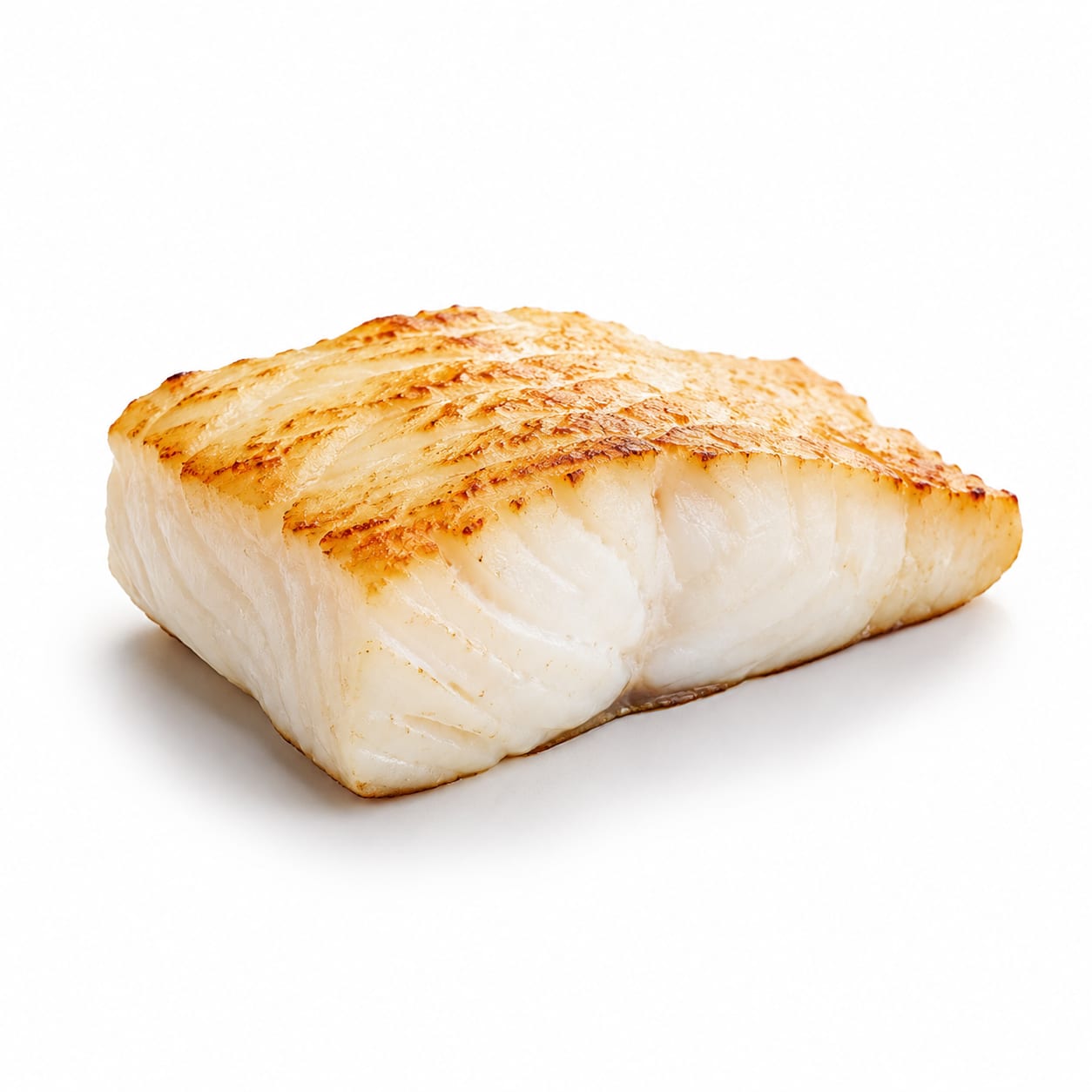
Halibut
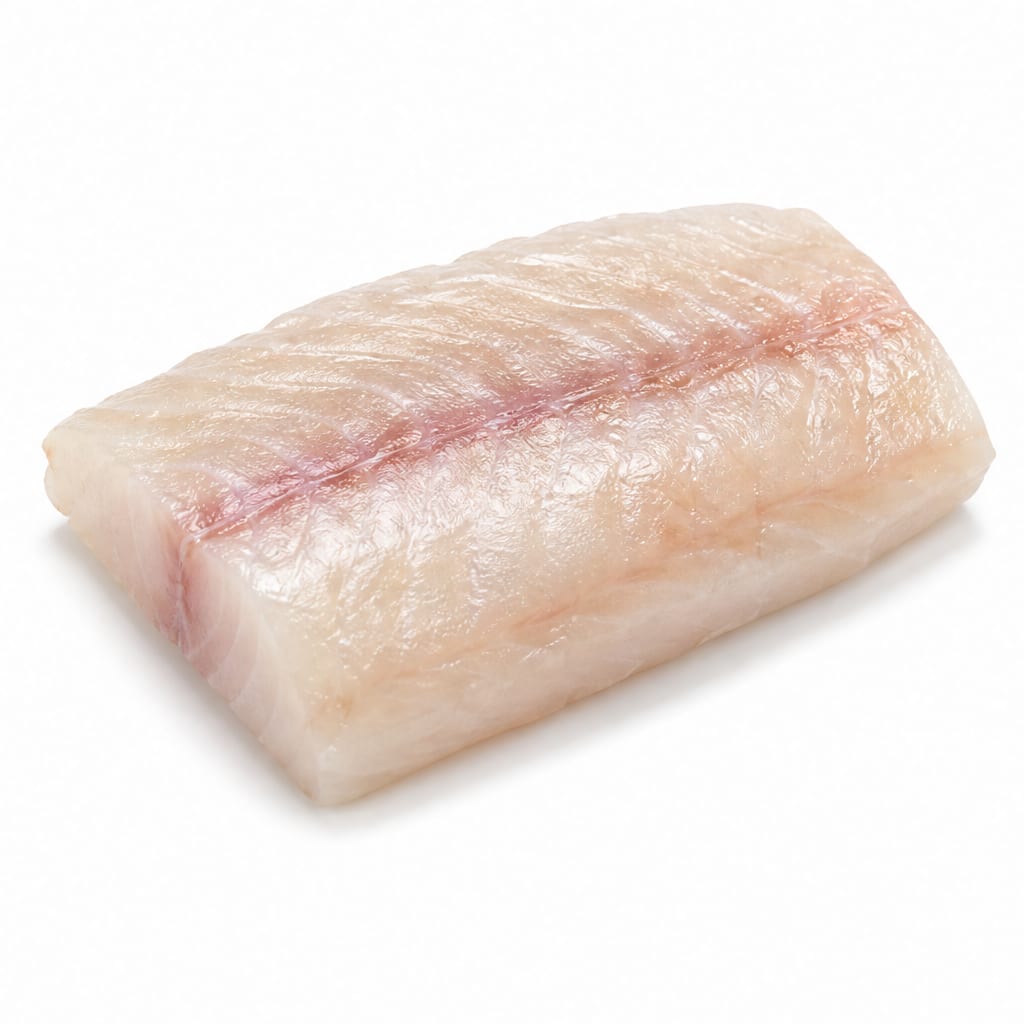
Pollock
Halibut wins on protein and dining experience, but Pollock wins on safety, price, and sustainability. Your choice depends on how often you eat fish and what matters most to you.
Pollock edges ahead primarily due to significantly lower mercury, much lower cost, and stronger sustainability credentials. Halibut scores higher for protein and micronutrients but its mercury load makes frequent consumption risky, dragging down its overall utility.
Premium nutrition and taste versus lower mercury, lower cost, and safer frequent consumption
At a glance
Executive summary
Overall
It depends
Healthier
Pollock
More practical
Pollock
Daily use
Pollock
Key comparison lenses
mercury and heavy metal safety
Halibut is a large predatory fish with significantly higher mercury levels than Pollock, making this the most critical differentiator for regular consumers
protein quality and satiety
Both are white fish but Halibut delivers substantially more protein per serving, affecting fullness and muscle maintenance
budget and everyday practicality
Pollock is dramatically cheaper and more accessible, making it the realistic daily choice for most households
sustainability and environmental impact
Alaskan Pollock is one of the most sustainable fisheries globally, while Halibut populations require stricter management
processing and product form
Pollock is frequently sold processed as fish sticks or surimi, raising ultra-processing concerns that Halibut typically avoids
Best choice for
Halibut
- Occidental fine dining and special occasions
- Maximum protein per serving for athletes
- Selenium and B-vitamin optimization
- Those who eat fish only 1-2 times per week
Pollock
- Families eating fish multiple times per week
- Budget-conscious meal prep
- Pregnant women and children due to lower mercury
- Sustainable seafood priorities
Least suitable for
Halibut
- Pregnant women and young children
- Daily fish consumption habits
- Tight grocery budgets
- Those monitoring heavy metal exposure
Pollock
- High-end dinner parties or date nights
- Those seeking maximum protein density
- Diners wanting a firm, steak-like fish experience
- People avoiding any processed fish products
Deep comparison
Dimension by dimension
Each lens scores both foods and breaks down who each option suits.
- Dimension 1 · Priority 95Pollock
mercury and heavy metal safety
Halibut · 45Pollock · 90Halibut contains roughly 3-4 times more mercury than Pollock, making it unsuitable for frequent consumption especially for vulnerable populations.
Tradeoff
You get more nutrients per bite with Halibut, but each bite also carries more cumulative heavy metal exposure
Why it matters
Mercury accumulates over time and can impair neurological function, making frequency of consumption the deciding factor
Real-world impact
Eating Halibut weekly could push mercury intake toward concerning levels, while Pollock can be eaten 3-4 times per week with minimal risk
Halibut
- Occasional meals where mercury accumulation is negligible
Better for
- Daily or near-daily fish eaters
- Families with young kids sharing meals
Worse for
Pollock
- Pregnant and breastfeeding women
- Children under 12
- Anyone eating fish more than twice per week
- Long-term heavy metal detox protocols
Better for
- Dimension 2 · Priority 85Halibut
protein density and satiety
Halibut · 88Pollock · 65Halibut delivers about 23g protein per 100g versus Pollock's 17g, making it noticeably more filling and effective for muscle maintenance.
Tradeoff
More protein per calorie with Halibut, but you pay a premium for that extra 6g per serving
Why it matters
Higher protein meals keep you satisfied longer and support lean muscle, especially important as you age
Real-world impact
A Halibut dinner keeps you full until morning; Pollock may leave you reaching for a snack an hour later
Halibut
- Athletes needing protein efficiency
- Older adults preventing muscle loss
- Weight loss diets relying on satiety
Better for
Pollock
- Lighter meals where less protein is fine
- Protein spreading across multiple daily servings
Better for
- Post-workout recovery meals needing high protein
- Anyone struggling to hit protein targets
Worse for
- Dimension 3 · Priority 75Pollock
omega-3 fatty acid content
Halibut · 55Pollock · 72Pollock actually provides more omega-3s per serving than Halibut, despite Halibut's premium reputation.
Tradeoff
The fancier fish is not the better source for anti-inflammatory fats
Why it matters
Omega-3s drive the cardiovascular and brain health benefits that make fish worth eating in the first place
Real-world impact
Choosing Pollock gives you more of the fat that actually reduces inflammation and supports heart health
Halibut
- Those specifically eating fish for omega-3 benefits
Worse for
Pollock
- Heart health optimization
- Anti-inflammatory eating patterns
- Brain health and cognitive support
Better for
- Dimension 4 · Priority 80Pollock
cost and everyday accessibility
Halibut · 30Pollock · 92Pollock costs roughly one-third to one-quarter the price of Halibut, making it accessible for regular family meals.
Tradeoff
Halibut feels like a luxury dining experience; Pollock feels like a practical Tuesday dinner
Why it matters
The best fish for your health is the one you can actually afford to eat regularly
Real-world impact
A family of four can eat Pollock twice a week for what one Halibut dinner would cost
Halibut
- Special occasions worth the splurge
- Business dinners where impression matters
Better for
- Anyone on a tight grocery budget
- Those wanting fish more than once weekly
Worse for
Pollock
- Weekly meal prep budgets
- Families needing affordable protein
- Students and young professionals
- Bulk cooking and freezer stocking
Better for
- Dimension 5 · Priority 75Pollock
sustainability and environmental impact
Halibut · 55Pollock · 90Alaskan Pollock is one of the best-managed fisheries on Earth with minimal bycatch and strong population recovery, while Halibut management remains more challenging.
Tradeoff
Choosing Pollock supports genuinely sustainable fishing practices; Halibut puts more pressure on slower-reproducing species
Why it matters
If you eat fish regularly, the cumulative environmental impact of your choices adds up significantly
Real-world impact
Pollock is a fish you can feel good about eating weekly without ecological guilt
Halibut
- Sustainability-focused eaters
Worse for
Pollock
- Environmentally conscious consumers
- Those following Seafood Watch guidelines
- People who want their food choices aligned with ocean health
Better for
- Dimension 6 · Priority 70Halibut
processing and product form concerns
Halibut · 85Pollock · 50Halibut is almost always sold as whole fillets or steaks, while Pollock frequently appears as fish sticks, surimi, or breaded portions.
Tradeoff
Pollock's affordability comes partly from processing that adds sodium, fillers, and preservatives
Why it matters
Ultra-processed fish products undermine many of the health benefits that make fish worth eating
Real-world impact
A Halibut fillet is just fish. A fish stick is fish plus fillers, sodium, and industrial coatings
Halibut
- Whole-food and clean-eating preferences
- Minimizing sodium and additive intake
Better for
Pollock
- Quick weeknight meals needing fast prep
- Kids who prefer familiar finger food formats
Better for
- Those avoiding ultra-processed foods
- Sodium-sensitive individuals eating breaded versions
- Clean-label and whole-food advocates
Worse for
Timeline
Health impact over time
Short-term
Hours to days
Halibut
- High protein keeps you full for hours after eating
- Rich selenium supports immediate thyroid and immune function
- Dense, meaty texture provides strong meal satisfaction
Pollock
- Lighter protein load feels easier on digestion
- More omega-3s per bite support post-meal circulation
- Milder flavor works well when appetite is low
Long-term
Months to years
Halibut
- Mercury accumulation becomes a real concern with weekly consumption
- Excellent selenium intake supports long-term thyroid health
- Higher protein helps preserve muscle mass with aging
- Potential neurological effects if consumed too frequently over years
Pollock
- Consistent omega-3 intake supports cardiovascular health over decades
- Low mercury allows safe frequent consumption without accumulation worries
- If eating processed forms, sodium and additives may undermine benefits
- Sustainable choice supports long-term food system stability
Risk profile
Safety & processing
Fresh or frozen Halibut fillets are typically just fish with no additives. Pollock sold as fillets is similarly clean, but much of the Pollock market consists of breaded fish sticks, surimi, and shaped portions containing sodium phosphates, modified starches, and preservatives. If you buy whole Pollock fillets, the processing concern drops significantly.
Halibut
Mercury accumulation
highHalibut averages 0.241 ppm mercury, placing it in the moderate-to-high category. Frequent consumption can lead to concerning cumulative exposure, especially for pregnant women and children.
Parasitic contamination
lowLike all wild fish, raw Halibut can carry anisakid parasites. Proper cooking or freezing eliminates this risk.
Overfishing pressure
mediumPacific Halibut stocks are managed but have experienced declines. Atlantic Halibut remains overfished in some regions.
Pollock
Sodium in processed forms
mediumFish sticks and breaded Pollock products can contain 400-600mg sodium per serving, which adds up quickly across a week.
Additive exposure from surimi
mediumImitation crab and shaped Pollock products contain sodium phosphates, sorbitol, and modified starches that some consumers prefer to avoid.
Mercury accumulation
lowPollock averages only 0.031 ppm mercury, making it one of the safest fish for frequent consumption.
Who wins for whom
Audience fit
Same foods, different winners depending on your goal.
children
PollockLow mercury is the deciding factor for developing nervous systems. Pollock is explicitly recommended as a safe choice for kids by the FDA.
daily consumption
PollockLow mercury, low cost, and strong sustainability make Pollock the only realistic daily option between these two.
diabetes
PollockLower mercury allows more frequent fish consumption, which supports consistent omega-3 intake for insulin sensitivity without cumulative toxin risk.
elderly
It dependsHalibut provides more protein to prevent sarcopenia, but Pollock allows safer frequent consumption. Choose based on how often they eat fish.
muscle gain
Halibut23g protein per 100g versus 17g in Pollock means more muscle-building amino acids per serving with fewer calories.
weight loss
HalibutHigher protein per calorie makes Halibut more satiating, helping you eat less overall. Just limit frequency due to mercury.
Your move
Decision guide
Choose Halibut
- You eat fish only 1-2 times per week and want maximum nutrition per meal
- You are prioritizing protein intake for athletic performance or muscle preservation
- Budget is not a constraint and you want a premium dining experience
- You are an adult with no pregnancy risk and low overall fish consumption
Choose Pollock
- You eat fish 3 or more times per week
- You are pregnant, breastfeeding, or feeding young children
- Cost matters and you need affordable protein for the whole family
- You care about sustainable seafood choices
- You want the anti-inflammatory benefits of consistent omega-3 intake
Either works if
- You buy whole fillets and prepare them simply at home
- You are an adult eating fish twice per week with no special health concerns
- You rotate between multiple fish types anyway
Avoid both if
- You have a confirmed fish allergy
- You are on a strict vegan or plant-based diet
- You live in an area where fresh seafood quality is unreliable
Final recommendation
Make Pollock your everyday fish and save Halibut for occasional meals. This gives you the safety and sustainability of Pollock for regular consumption while still enjoying Halibut's superior protein and texture when it counts. If you currently eat Halibut weekly, consider switching most of those meals to Pollock and reserving Halibut for once or twice a month.
Practical
Consumer tips
- 1
Buy Pollock as whole fillets rather than fish sticks to avoid sodium and additive concerns
- 2
Check that Pollock is labeled 'Alaskan' for the best sustainability credentials
- 3
Limit Halibut to 2-3 servings per month if you are an adult, and avoid it entirely during pregnancy
- 4
Freeze fresh Pollock fillets in portion bags for easy weeknight meals at budget prices
- 5
If Halibut is on the menu, pair it with selenium-rich foods like Brazil nuts to help counter mercury absorption
- 6
Ask your fish counter about the origin of Halibut — Pacific is better managed than Atlantic