
Nutrition comparison
Halibut vs Tilapia: Which Fish is Healthier?
Compare Halibut vs Tilapia to see which is better for omega-3s, mercury safety, and your budget. Find out which fish fits your health goals.
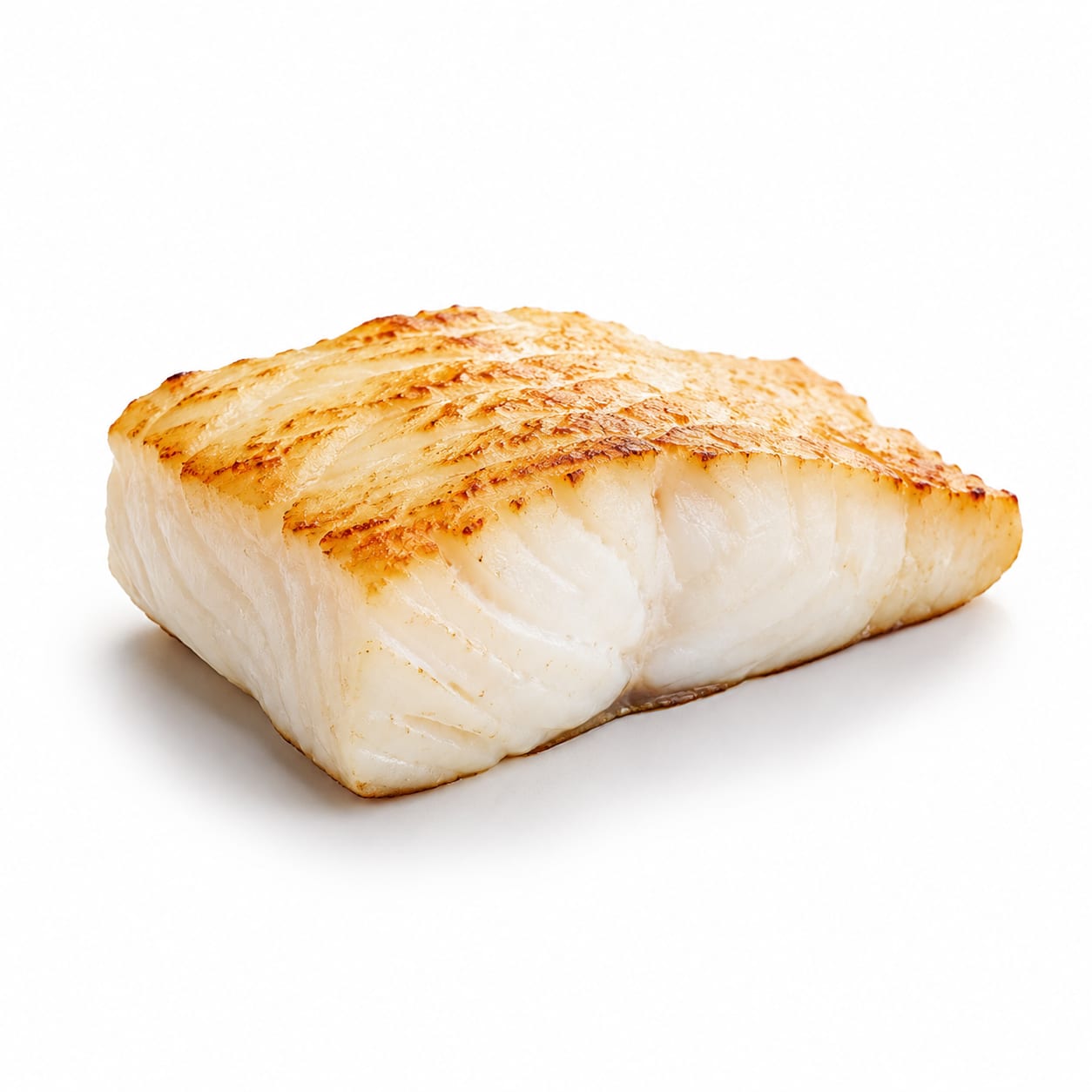
Halibut
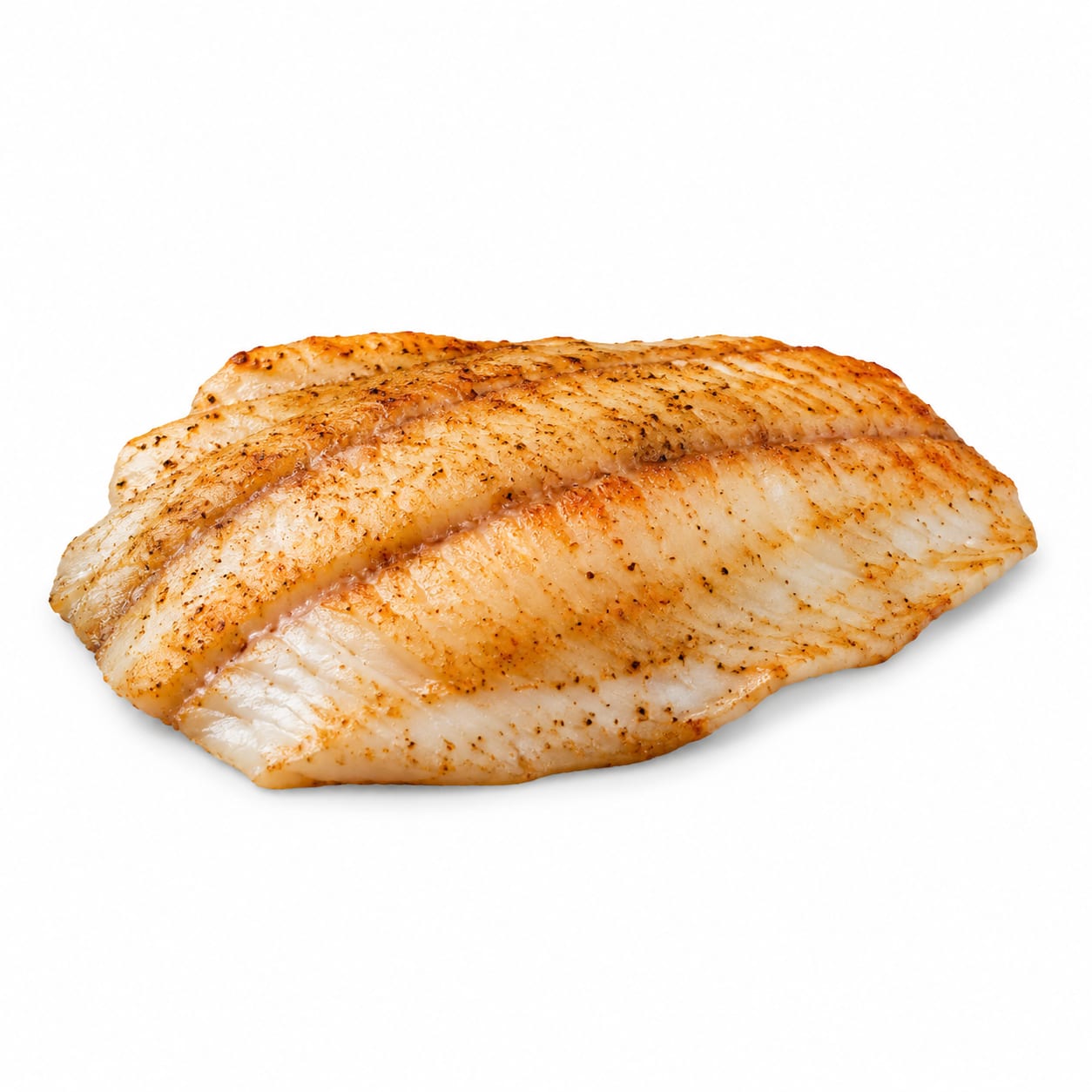
Tilapia
Halibut delivers superior nutrition and anti-inflammatory fats but carries a mercury warning and high price tag. Tilapia is a budget-friendly, low-mercury protein that falls short on healthy fats.
Halibut scores higher for nutritional density and omega-3 content, but Tilapia closes the gap with its low mercury levels and everyday affordability.
Nutritional quality and omega-3 content versus mercury safety and cost.
At a glance
Executive summary
Overall
It depends
Healthier
Halibut
More practical
Tilapia
Daily use
Tilapia
Key comparison lenses
Omega-3 vs Omega-6 balance
Halibut provides beneficial omega-3s, while Tilapia is known for a less favorable omega-6 to omega-3 ratio.
Mercury and heavy metal exposure
Halibut carries a moderate mercury load, whereas Tilapia is notably low in mercury, impacting how often each can be safely eaten.
Budget and everyday accessibility
Tilapia is one of the most affordable fish available, making it a weekly staple, while Halibut is a premium, expensive protein.
Farming practices and sustainability
Tilapia is almost entirely farmed with varying global standards, while Halibut is primarily wild-caught with different ecological considerations.
Protein quality and micronutrient density
Halibut offers a richer profile of B-vitamins and minerals like selenium, whereas Tilapia provides basic lean protein.
Best choice for
Halibut
- Boosting omega-3 intake naturally
- Getting more B-vitamins and selenium
- Special occasion dinners
Tilapia
- Frequent weekly meals
- Tight grocery budgets
- Pregnant women seeking low-mercury fish
Least suitable for
Halibut
- Pregnant women (due to mercury)
- Daily consumption
- Budget-conscious households
Tilapia
- Boosting omega-3s
- Strict anti-inflammatory diets
- Those avoiding farmed seafood
Deep comparison
Dimension by dimension
Each lens scores both foods and breaks down who each option suits.
- Dimension 1 · Priority 90Halibut
Healthy Fat Profile
Halibut · 85Tilapia · 40Halibut provides a solid dose of anti-inflammatory omega-3s, whereas Tilapia has minimal omega-3s and a higher ratio of omega-6s.
Tradeoff
You get heart-healthy fats from Halibut, but Tilapia's fat profile is less beneficial for reducing inflammation.
Why it matters
Omega-3s support brain and heart health, while a high omega-6 to omega-3 ratio can promote inflammation.
Real-world impact
Eating Halibut feels like an investment in your heart health; Tilapia functions mostly as lean protein without the fat benefits.
Halibut
- Reducing inflammation
- Heart health
- Brain function
Better for
- Vegans and vegetarians
Worse for
Tilapia
- Strict low-fat diets
Better for
- Anti-inflammatory diets
- Omega-3 supplementation alternatives
Worse for
- Dimension 2 · Priority 85Tilapia
Safety and Contaminants
Halibut · 55Tilapia · 85Tilapia is very low in mercury, making it safer for frequent eating, while Halibut has moderate mercury levels requiring portion control.
Tradeoff
Halibut's wild-caught purity is offset by its higher mercury accumulation, whereas Tilapia's low mercury comes with potential farming concerns.
Why it matters
Mercury exposure affects neurological health, especially in developing brains, dictating how often a fish can be safely consumed.
Real-world impact
You can eat Tilapia twice a week without worry, but Halibut should be limited to avoid heavy metal buildup.
Halibut
- Avoiding antibiotic residues (if wild-caught)
Better for
- Pregnant women
- Daily consumption
Worse for
Tilapia
- Pregnant women
- Children
- Frequent fish eaters
Better for
- Those avoiding farmed seafood
Worse for
- Dimension 3 · Priority 80Tilapia
Affordability and Accessibility
Halibut · 30Tilapia · 90Tilapia is one of the most affordable fish on the market, while Halibut is a premium, expensive fish.
Tradeoff
You pay a premium for Halibut's superior flavor and nutrition, whereas Tilapia offers cheap, accessible protein.
Why it matters
Budget often dictates dietary choices, and Tilapia makes seafood accessible to almost everyone.
Real-world impact
Tilapia is an easy weeknight dinner that won't break the bank; Halibut is more of a weekend splurge.
Halibut
- Fine dining
- Special occasions
Better for
- Budget-conscious households
- Students
Worse for
Tilapia
- Large families
- Meal prepping on a budget
- Weeknight dinners
Better for
- High-end culinary experiences
Worse for
- Dimension 4 · Priority 75Halibut
Micronutrient Density
Halibut · 88Tilapia · 60Halibut is packed with selenium, magnesium, and B12, easily outperforming Tilapia's vitamin and mineral profile.
Tradeoff
Choosing Tilapia means missing out on the rich micronutrient boost that Halibut provides.
Why it matters
Micronutrients like B12 and selenium are crucial for energy production and thyroid function.
Real-world impact
A serving of Halibut covers a significant chunk of your daily B12 needs, keeping energy levels steady.
Halibut
- Correcting nutrient deficiencies
- Thyroid support
- Energy production
Better for
Tilapia
- Basic protein needs
Better for
- Those needing B12 boosts
- Thyroid health management
Worse for
- Dimension 5 · Priority 65It depends
Culinary Versatility and Taste
Halibut · 85Tilapia · 75Halibut has a rich, firm texture ideal for grilling and searing, while Tilapia's mild, flaky nature makes it a versatile blank canvas.
Tradeoff
Halibut delivers a premium eating experience, but Tilapia adapts easily to strong sauces and spices.
Why it matters
Enjoyment and ease of cooking determine whether you'll actually cook fish at home.
Real-world impact
Halibut shines with minimal seasoning; Tilapia is perfect for tacos or heavily seasoned bakes where it absorbs flavors.
Halibut
- Stand-alone dishes
- Grilling
- Pan-searing
Better for
- Recipes requiring flaky fish
- Budget meals
Worse for
Tilapia
- Fish tacos
- Casseroles
- Absorbing bold marinades
Better for
- High-end plating
- Steaks
Worse for
Timeline
Health impact over time
Short-term
Hours to days
Halibut
- Sustained energy from high-quality protein and B-vitamins
- High satiety from dense protein and fats
Tilapia
- Quick, light protein digestion
- Very easy on the stomach due to mild fat content
Long-term
Months to years
Halibut
- Potential mercury accumulation if overconsumed
- Improved cardiovascular health from omega-3s
Tilapia
- Safe long-term protein source for frequent consumption
- Minimal contribution to omega-3 stores
Risk profile
Safety & processing
Both are typically sold as fresh or frozen fillets, but Halibut is usually wild-caught, while Tilapia is farmed, which carries a slightly higher risk of exposure to antibiotics or poor farming practices depending on the source.
Halibut
Mercury exposure
mediumHalibut is a larger predatory fish with moderate mercury levels; limit intake to 1-2 times per week, especially for pregnant women.
Overfishing
lowSome Halibut populations are strictly managed, but always look for sustainable certifications to ensure responsible harvesting.
Tilapia
Farming practices and antibiotics
mediumImported Tilapia can sometimes be raised in poor conditions with antibiotic use; choose US or Canadian farmed for stricter regulations.
Omega-6 imbalance
lowWhile the absolute amount of fat is low, the ratio of omega-6 to omega-3 is high, which isn't ideal for inflammation management.
Who wins for whom
Audience fit
Same foods, different winners depending on your goal.
children
TilapiaTilapia's extremely low mercury content makes it a safer choice for developing children, provided it's sourced from reputable farms.
daily consumption
TilapiaLow mercury and low cost make Tilapia a practical choice for everyday meals where you need a reliable, safe protein.
diabetes
HalibutThe omega-3s in Halibut help improve insulin sensitivity and reduce systemic inflammation compared to Tilapia.
elderly
HalibutThe high B12, selenium, and omega-3s in Halibut support cognitive function and joint health in older adults, as long as mercury limits are respected.
muscle gain
HalibutHalibut offers slightly more protein per serving along with B-vitamins that aid in energy metabolism for workouts.
weight loss
HalibutHalibut is more filling and provides more metabolic support from its micronutrients and omega-3s, keeping you satisfied longer.
Your move
Decision guide
Choose Halibut
- You want to boost your omega-3 intake without taking supplements
- You are cooking a nice dinner and want a firm, flavorful fish
- You need a rich source of B-vitamins and selenium
- You limit fish consumption to 1-2 times a week anyway
Choose Tilapia
- You eat fish multiple times a week and need a low-mercury option
- You are cooking for kids or during pregnancy
- You are on a tight budget but still want a lean protein
- You are making fish tacos or a dish with a heavy sauce
Either works if
- You just need a solid lean protein source for a salad
- You are meal-prepping for the week and want variety
Avoid both if
- You have a severe fish or seafood allergy
- You are strictly vegan or vegetarian
Final recommendation
Choose Halibut when nutrition and flavor are your top priorities and you eat fish occasionally. Opt for Tilapia when you need an affordable, low-mercury protein you can eat more frequently without worry. Rotating both is the smartest way to balance omega-3 benefits with mercury safety.
Practical
Consumer tips
- 1
When buying Tilapia, look for country of origin; US, Canadian, or Ecuadorian farmed are generally better regulated.
- 2
Limit Halibut to one or two servings a week to keep mercury levels in check.
- 3
Pair Tilapia with omega-3 rich sides like chia seeds or walnuts to make up for its low omega-3 content.
- 4
Halibut is best cooked with dry heat like grilling or broiling to maintain its firm texture.