
Nutrition comparison
Halibut vs Tuna: Nutrition, Mercury, and Which is Healthier
Compare Halibut vs Tuna for protein, omega-3s, and mercury levels. Find out which fish is safer for daily eating and better for your goals.
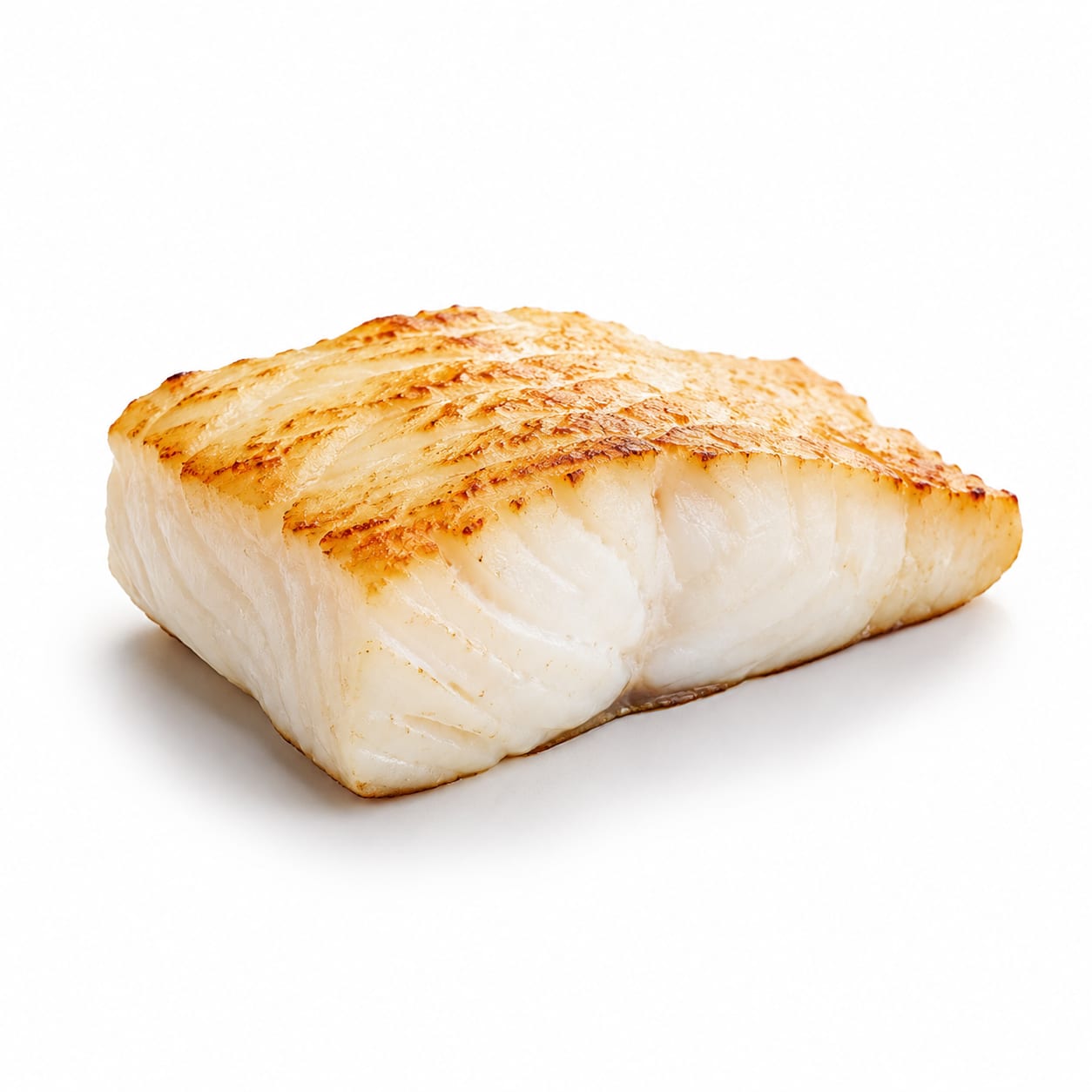
Halibut
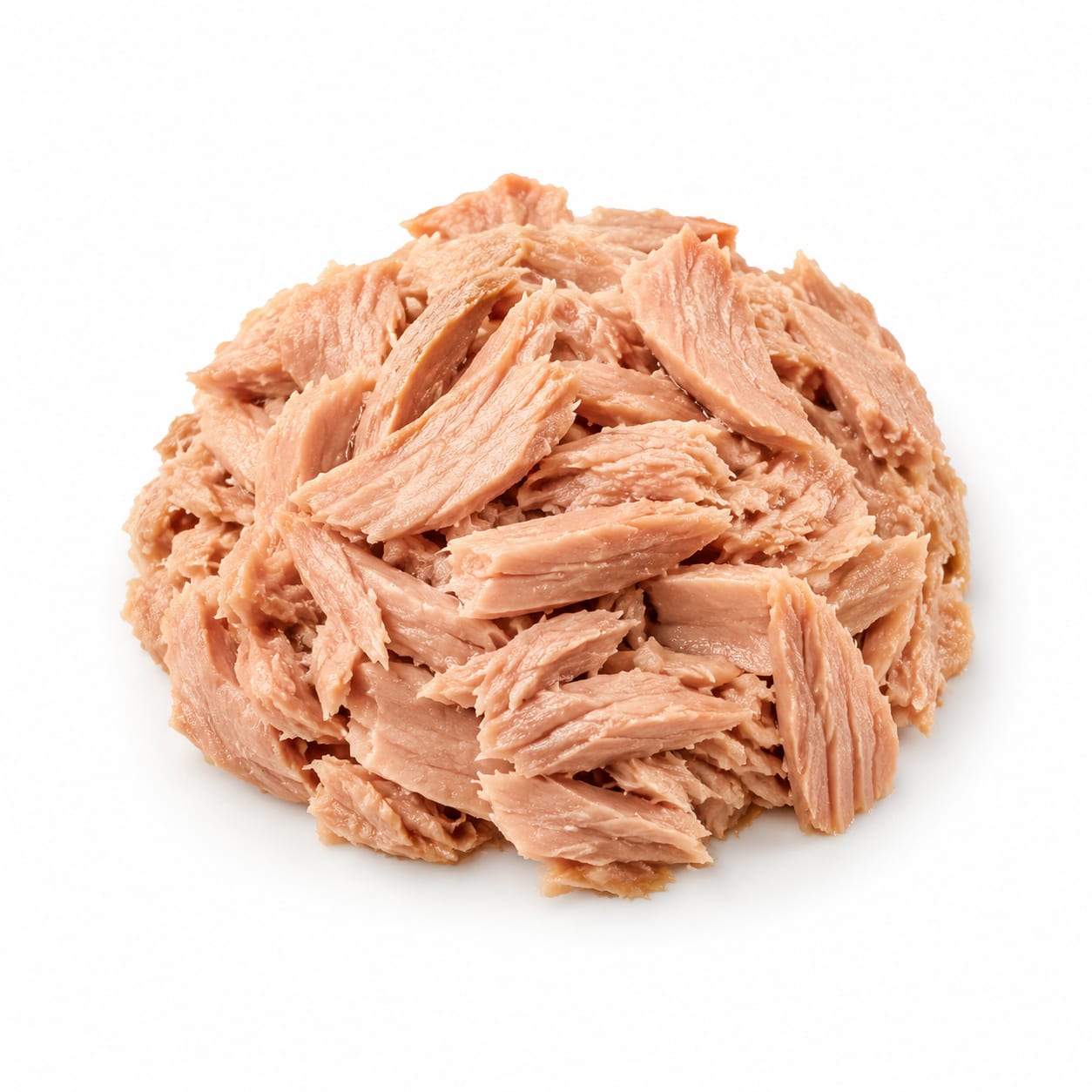
Tuna
Tuna offers unbeatable convenience and protein density, while Halibut provides a safer, more premium eating experience with lower mercury risk.
Halibut scores higher for safety and daily usability, while Tuna scores high for convenience and protein density, but loses points due to mercury concerns.
Quick, lean protein from Tuna versus the lower heavy metal exposure and steak-like satisfaction of Halibut.
At a glance
Executive summary
Overall
It depends
Healthier
Halibut
More practical
Tuna
Daily use
Halibut
Key comparison lenses
Mercury and heavy metal exposure
Tuna is notorious for high mercury levels, which is the primary safety concern when comparing it to other fish like Halibut.
Protein density and leanness
Both are premium lean proteins, but Tuna is often sought out specifically for its extremely high protein-to-calorie ratio.
Convenience and cost
Canned Tuna is a pantry staple for cheap, quick protein, whereas Halibut is a fresh, premium fillet requiring cooking.
Omega-3 and nutrient profile
Tuna generally offers more anti-inflammatory fats, while Halibut provides a richer array of relaxing trace minerals.
Best choice for
Halibut
- People avoiding heavy metals
- Those wanting a premium, filling dinner
- Pregnant women seeking safer fish options
Tuna
- Busy professionals needing quick protein
- Budget-conscious meal preppers
- Post-workout muscle recovery
Least suitable for
Halibut
- Quick weekday lunches
- Tight grocery budgets
Tuna
- Frequent daily consumption
- Pregnant women (especially albacore)
- Those worried about mercury accumulation
Deep comparison
Dimension by dimension
Each lens scores both foods and breaks down who each option suits.
- Dimension 1 · Priority 90Tuna
Protein & Satiety
Halibut · 82Tuna · 92Tuna packs more protein per calorie, making it incredibly filling and efficient for lean muscle.
Tradeoff
Tuna's extreme leanness means less healthy fats to keep you full long-term compared to Halibut's slightly richer profile.
Why it matters
If you're trying to stay full on fewer calories, Tuna is a powerhouse.
Real-world impact
A can of Tuna will crush afternoon hunger faster, but you might be hungry again sooner than if you ate a Halibut fillet with veggies.
Halibut
- People wanting a balanced meal
- Those eating lighter but richer
Better for
- Strict calorie counters
- Very tight budgets
Worse for
Tuna
- Low-calorie dieters
- Bodybuilders
Better for
- Those needing sustained energy
- People seeking healthy fats
Worse for
- Dimension 2 · Priority 95Halibut
Mercury & Safety
Halibut · 85Tuna · 55Halibut generally has lower mercury levels than most Tuna varieties, especially albacore.
Tradeoff
Choosing Tuna for its cheap protein comes with the hidden cost of higher heavy metal accumulation over time.
Why it matters
Mercury impacts brain health and energy, and builds up if you eat fish frequently.
Real-world impact
Eating Tuna multiple times a week can push your mercury levels into the danger zone, whereas Halibut is safer for weekly dinners.
Halibut
- Pregnant women
- Children
- Frequent fish eaters
Better for
- Those who assume all white fish have zero mercury
Worse for
Tuna
- People who only eat fish rarely
- Those choosing skipjack over albacore
Better for
- Daily lunch eaters
- Pregnant women
- People with heavy metal sensitivity
Worse for
- Dimension 3 · Priority 80Tuna
Convenience & Cost
Halibut · 40Tuna · 95Canned Tuna is cheap, shelf-stable, and ready in seconds. Halibut is expensive and requires cooking.
Tradeoff
You trade premium nutrition and safety for ultimate accessibility and low price.
Why it matters
Consistency beats perfection. The fish you can easily grab on a busy Tuesday wins the practicality game.
Real-world impact
Tuna is a pantry staple for a fast lunch; Halibut requires planning and a trip to the fish counter.
Halibut
- Date nights
- Impressing guests
- Weekend meal prep
Better for
- Quick desk lunches
- Emergency pantry meals
Worse for
Tuna
- Students
- Busy parents
- Backpackers
Better for
- Fine dining experiences
- Dinner parties
Worse for
- Dimension 4 · Priority 70It depends
Omega-3 Fats & Nutrients
Halibut · 75Tuna · 80Tuna generally delivers more Omega-3s, but Halibut offers a richer mix of micronutrients like magnesium and selenium.
Tradeoff
Tuna is better for pure anti-inflammatory fats, Halibut is better for trace minerals that support relaxation and recovery.
Why it matters
Different nutrients serve different goals, from heart health to stress reduction.
Real-world impact
Tuna supports a heart-healthy diet, while Halibut helps with muscle recovery and better sleep thanks to its mineral content.
Halibut
- People with muscle cramps
- Those needing stress-reducing minerals
Better for
- Strict Omega-3 supplementation via food
Worse for
Tuna
- Heart health focus
- Anti-inflammatory diets
Better for
- Those needing magnesium for sleep or cramps
Worse for
Timeline
Health impact over time
Short-term
Hours to days
Halibut
- Sustained energy from a balanced protein-to-fat ratio
- Feeling comfortably full without heaviness
Tuna
- Rapid protein satisfaction
- Very light feeling in the stomach due to low fat
Long-term
Months to years
Halibut
- Lower risk of mercury accumulation
- Steady intake of selenium for thyroid support
Tuna
- Potential mercury buildup if overconsumed
- Strong cardiovascular protection from Omega-3s
Risk profile
Safety & processing
Fresh Halibut is completely unprocessed, while most Tuna consumed is canned, which involves cooking and preservation, though still free of artificial additives.
Halibut
Mercury
mediumModerate mercury levels mean it should be limited to a few times a week, but safer than most Tuna.
Parasites
lowRaw Halibut can carry parasites; it must be properly frozen or cooked.
Tuna
Mercury
highAlbacore and bluefin Tuna have high mercury levels, posing risks to neurological health if eaten frequently.
Histamine
mediumImproperly stored fresh Tuna can cause scombroid poisoning, a histamine reaction.
Who wins for whom
Audience fit
Same foods, different winners depending on your goal.
children
HalibutHalibut's lower mercury profile makes it much safer for developing nervous systems.
daily consumption
HalibutHalibut can be eaten more regularly without the same heavy metal accumulation risks associated with daily Tuna.
diabetes
TunaTuna has zero carbs and virtually no fat to interfere with insulin sensitivity, keeping blood sugar perfectly stable.
elderly
HalibutHalibut offers a safer heavy metal profile and tender texture that is easier to chew and digest.
muscle gain
TunaTuna provides a dense hit of protein per serving, ideal for post-workout recovery.
weight loss
TunaTuna is extremely low in calories and high in protein, making it perfect for strict calorie deficits.
Your move
Decision guide
Choose Halibut
- You want a premium fish dinner
- You are pregnant or feeding children
- You eat fish multiple times a week
Choose Tuna
- You need cheap, fast protein
- You are tracking calories tightly
- You only eat fish occasionally
Either works if
- You want a lean protein source for a salad
- You need a zero-carb dinner option
Avoid both if
- You have a severe fish allergy
- You are looking for plant-based Omega-3s
Final recommendation
Keep Tuna in the pantry for quick, budget-friendly protein hits, but rely on Halibut for your regular fish dinners to keep mercury levels in check.
Practical
Consumer tips
- 1
Choose skipjack or canned light Tuna over albacore to cut mercury exposure significantly.
- 2
Look for wild-caught Halibut from Alaska for the most sustainable and cleanest option.
- 3
Rinse canned Tuna to remove excess sodium if you are watching your blood pressure.
- 4
Cook Halibut just until it flakes; overcooking makes it dry and tough.