
Nutrition comparison
Cod vs Halibut: Nutrition, Mercury, and Health Comparison
Compare Cod and Halibut to see which white fish is healthier. Learn about mercury levels, protein content, and the best choice for weight loss or muscle gain.
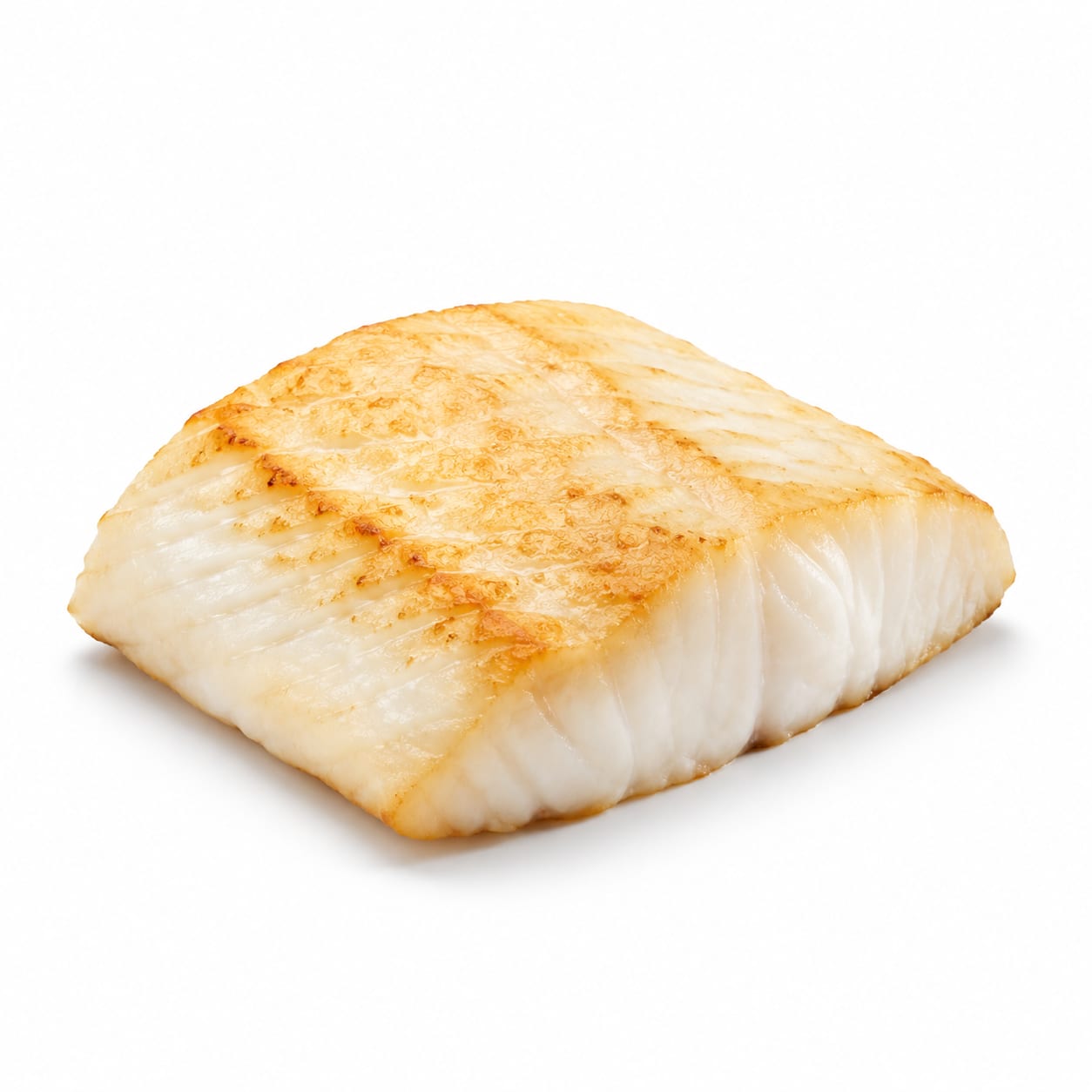
Cod
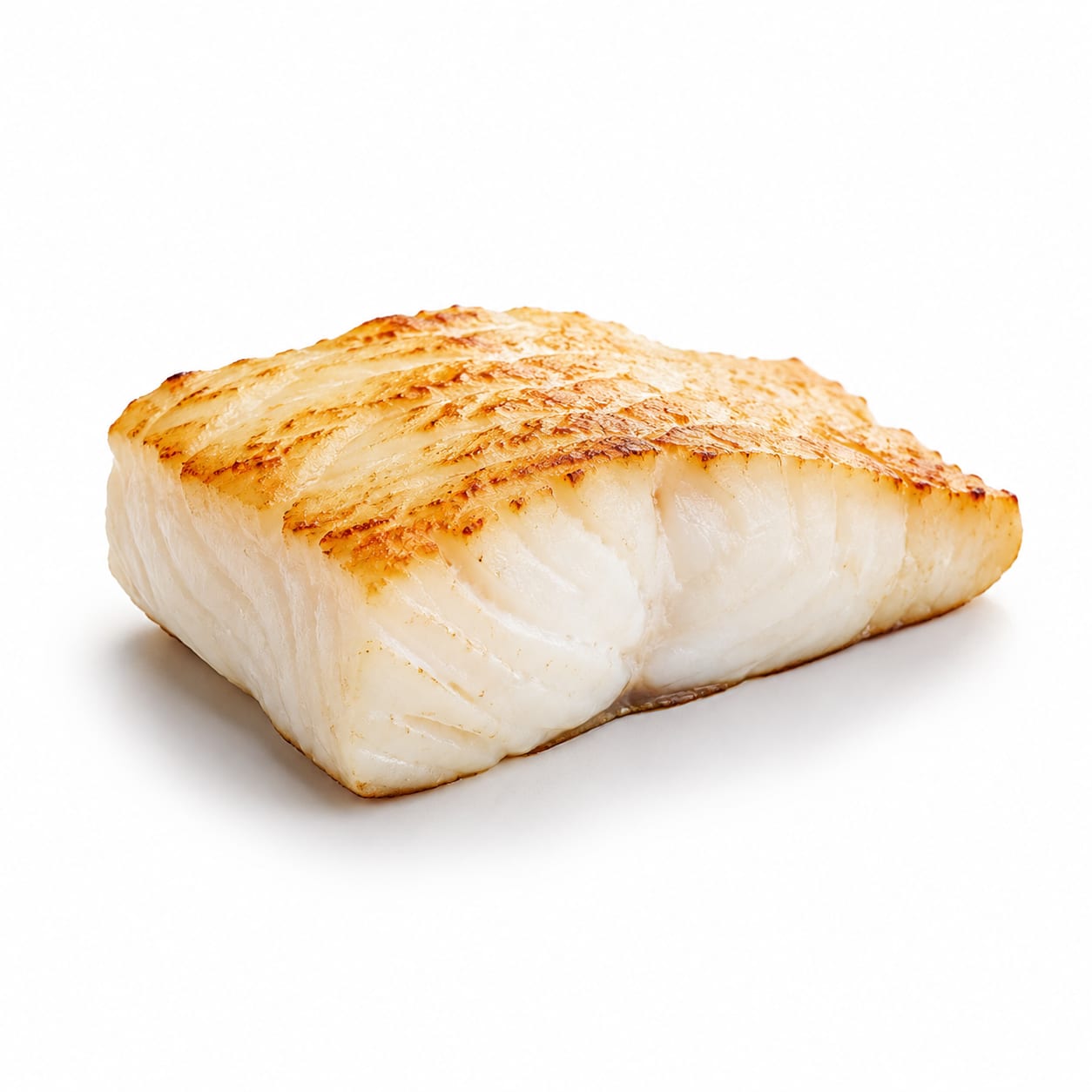
Halibut
Cod is the leaner, safer everyday choice, while Halibut offers a meatier bite and slightly more protein per serving but carries a higher mercury load.
Cod scores slightly higher due to its lower mercury content and calorie density, making it a safer and more flexible daily option, though Halibut is nutritionally dense.
Lower calories and mercury in Cod versus more filling protein and richer texture in Halibut.
At a glance
Executive summary
Overall
It depends
Healthier
Cod
More practical
Cod
Daily use
Cod
Key comparison lenses
Mercury and heavy metal exposure
Halibut accumulates significantly more mercury than Cod, making frequency of consumption a critical safety factor.
Calorie density and leanness
Cod is exceptionally lean, making it a staple for calorie-restricted diets, whereas Halibut carries slightly more fat and calories.
Protein quality and satiety
Halibut offers a denser, meatier texture and slightly more protein per serving, leading to better fullness.
Culinary versatility and cost
Cod is generally more affordable and forgiving to cook, while Halibut is prized for its steak-like texture at a premium price.
Best choice for
Cod
- Weight loss diets
- Frequent fish eaters
- Budget-conscious meal prep
Halibut
- Muscle gain
- Heartier meals
- Those seeking higher satiety
Least suitable for
Cod
- Those wanting high satiety from fats
- People bored with mild flavors
Halibut
- Pregnant women due to mercury
- Strict low-calorie diets
Deep comparison
Dimension by dimension
Each lens scores both foods and breaks down who each option suits.
- Dimension 1 · Priority 95Cod
Mercury & Safety
Cod · 90Halibut · 60Cod is a low-mercury fish safe for frequent consumption, whereas Halibut carries moderate mercury concerns.
Tradeoff
You get a meatier texture with Halibut, but you take on a heavier mercury load that limits how often you should eat it.
Why it matters
Mercury accumulates in the body over time and can impair neurological function, especially in vulnerable populations.
Real-world impact
Cod can be eaten 2-3 times a week safely, while Halibut should be limited to 1-2 servings to stay within safe mercury limits.
Cod
- Pregnant women
- Weekly meal prep
- Children
Better for
- Those seeking high omega-3 density
Worse for
Halibut
- Occasional gourmet dining
Better for
- Frequent fish consumers
- People detoxing from heavy metals
Worse for
- Dimension 2 · Priority 85Cod
Calorie Density & Leanness
Cod · 95Halibut · 78Cod is exceptionally lean, making it incredibly easy to fit into strict calorie budgets.
Tradeoff
Cod keeps calories low but lacks the dietary fats that slow digestion, while Halibut's slight fat content adds richness and staying power.
Why it matters
Lower calorie density helps with fat loss, but too little fat can leave you hungry sooner.
Real-world impact
A Cod dinner might leave you reaching for a snack later, whereas Halibut feels more like a complete, satisfying meal.
Cod
- Strict calorie deficits
- Cutting phases
Better for
- Those needing sustained energy from fats
Worse for
Halibut
- Moderate calorie meals with higher nutrient density
- Low-carb lifestyles
Better for
- Aggressive fat loss diets
Worse for
- Dimension 3 · Priority 80Halibut
Protein & Satiety
Cod · 75Halibut · 88Halibut delivers more protein and a denser, meatier texture that keeps you full longer.
Tradeoff
Halibut fills you up better but comes with a higher price tag and more calories per gram of protein.
Why it matters
Higher protein density supports muscle maintenance and prevents overeating later in the day.
Real-world impact
A Halibut fillet feels like a steak on the plate and sticks with you, while Cod can feel lighter and less satisfying on its own.
Cod
- Lighter post-workout meals
Better for
- Those needing high satiety from a single dish
Worse for
Halibut
- Hearty dinner plates
- Post-workout recovery
Better for
- Light snacking
Worse for
- Dimension 4 · Priority 70Halibut
Micronutrient Profile
Cod · 72Halibut · 85Halibut packs more magnesium, selenium, and B vitamins per serving compared to Cod.
Tradeoff
You get more vitamins and minerals from Halibut, but you also absorb more heavy metals alongside them.
Why it matters
Selenium supports thyroid function, and B vitamins are crucial for energy production.
Real-world impact
Eating Halibut occasionally gives a strong micronutrient boost, while Cod provides a solid but less spectacular baseline.
Cod
- Basic lean protein needs
Better for
- Correcting magnesium or B-vitamin gaps
Worse for
Halibut
- Boosting selenium and B6 intake
- Active individuals needing magnesium
Better for
- Budget shoppers
Worse for
Timeline
Health impact over time
Short-term
Hours to days
Cod
- Light feeling after eating
- Easy to digest
- Quick to cook
Halibut
- Highly satisfying
- Sustained fullness
- Richer flavor experience
Long-term
Months to years
Cod
- Safe for frequent consumption
- Supports heart health without heavy metal risk
- Easier weight management
Halibut
- Excellent for muscle maintenance
- Requires moderation due to mercury accumulation
- Better long-term nutrient density if consumed safely
Risk profile
Safety & processing
Both Cod and Halibut are whole, minimally processed foods when purchased fresh or frozen. Watch out for added sodium in frozen breaded Cod products.
Cod
Parasites
mediumRaw Cod can carry anisakis parasites; it must be properly frozen or cooked to eliminate the risk.
Overfishing
mediumAtlantic Cod populations have historically suffered from overfishing; choose Pacific Cod for better sustainability.
Halibut
Mercury
highHalibut is a larger, longer-living fish that accumulates moderate to high levels of mercury, limiting safe intake frequency.
Parasites
mediumLike all wild fish, raw Halibut poses a parasite risk if not properly frozen before consumption.
Who wins for whom
Audience fit
Same foods, different winners depending on your goal.
children
CodCod's low mercury profile makes it much safer for developing nervous systems.
daily consumption
CodYou can safely eat Cod multiple times a week without worrying about heavy metal accumulation.
diabetes
CodBoth have zero carbs, but Cod's lower calorie density helps with weight control, which is crucial for diabetes management.
elderly
CodCod is easier to chew and digest, and its low mercury content is safer for long-term consumption in older adults.
muscle gain
HalibutHalibut provides slightly more protein per serving and a denser amino acid profile to support muscle repair.
weight loss
CodCod is extremely low in calories and fat, making it effortless to maintain a calorie deficit.
Your move
Decision guide
Choose Cod
- You eat fish multiple times a week
- You are pregnant, nursing, or feeding children
- You want a lean protein for weight loss
- You are on a budget
Choose Halibut
- You eat fish only occasionally
- You want a steak-like fish texture for a special meal
- You need a highly satiating dinner
- You want a boost in selenium and magnesium
Either works if
- You want a neutral base for strong sauces
- You are baking or grilling a healthy dinner
- You need a zero-carb protein source
Avoid both if
- You have a severe fish allergy
- You are strictly avoiding all animal proteins
Final recommendation
Treat Cod as your everyday workhorse fish for lean protein and meal prep, and save Halibut for occasional dinners when you want something richer and more filling. This approach maximizes nutrition while keeping mercury exposure safely in check.
Practical
Consumer tips
- 1
Look for Pacific Cod over Atlantic Cod to support sustainable fishing practices.
- 2
Limit Halibut to 1-2 servings a week to stay within safe mercury limits.
- 3
Cod cooks much faster than Halibut and dries out easily, so watch your cooking times carefully.
- 4
If buying frozen, choose vacuum-sealed fillets without added sodium or breading.