
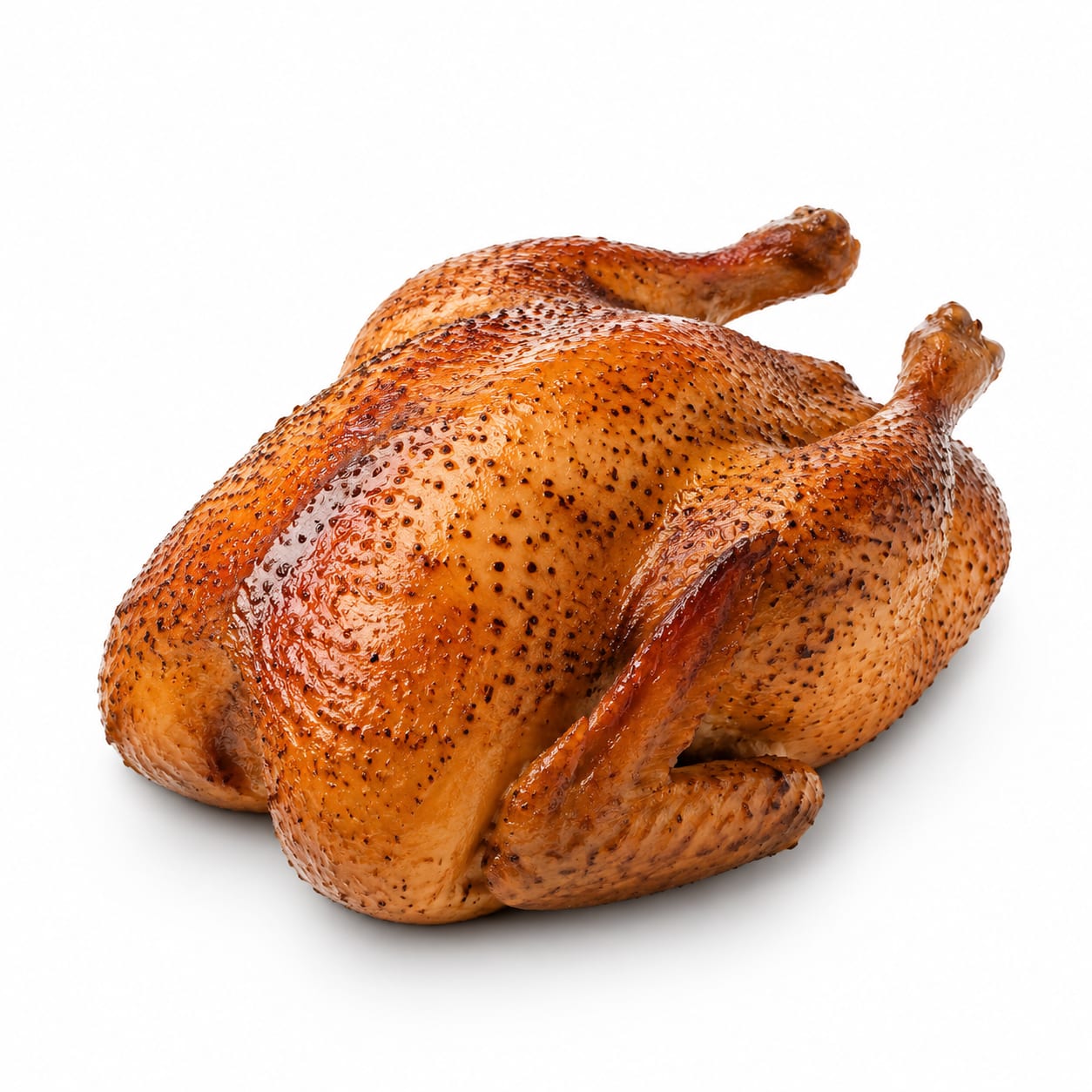
Poultry
Guinea Fowl
A lean, high-protein game bird with a flavor profile between chicken and pheasant, known for its low fat content.
Guinea fowl is a lean game bird with dark meat, offering a flavor profile between chicken and turkey with a slightly gamier taste. It is prized for its high protein content and low fat levels.
protein-dense lean poultry
Typical serving · 120g
Common varieties · domesticated guinea fowl, wild guinea fowl, french guinea fowl, pearl guinea fowl
Overall context score across nutrition, safety, and diet fit
At a glance
Quick facts
Simple indicators based on nutrition, processing, and diet fit.
The story
What makes it unique
Guinea fowl is a fast-digesting, high-protein animal food source with virtually zero carbohydrates. Its macronutrient profile is dominated by lean muscle tissue, resulting in high satiety and minimal glycemic impact. As a minimally processed whole food, it retains its native vitamin and mineral content without additives.
Varieties: domesticated guinea fowl · wild guinea fowl · french guinea fowl · pearl guinea fowl
Per 100g
Nutrition breakdown
Macro balance and key metrics at a glance.
Energy
Density 1.10 kcal/g
Protein
Carbs
Fat
Fiber
Sugar
0 g
Sodium
70 mg
Potassium
270 mg
Glycemic index
0
Glycemic load
0
Water content
74%
Standout compounds
Nutrient highlights
Protein
highsupports muscle repair and growth
Niacin (Vitamin B3)
highaids energy metabolism and nervous system function
Vitamin B6
moderatesupports amino acid metabolism and red blood cell formation
Phosphorus
moderateessential for bone health and cellular energy production
Selenium
moderateprovides antioxidant defense and supports thyroid function
Wellness map
Health scores & processing
NOVA processing scale
minimally processed · Whole food
Sold as whole birds or cuts without additives, representing an unprocessed whole food source.
Diet compatibility
- Weight loss
- Muscle gain
- Diabetes
- Gut health
- Low carb
- High protein
- Heart health
Relative standing
Food rankings
Qualitative ranks compared to similar whole foods.
- Satietyexcellent
- Blood sugarexcellent
- Nutrient densitygood
- Fitness fuelexcellent
- Processing qualityexcellent
Eat with confidence
Food safety profile
Like all raw poultry, guinea fowl requires strict hygiene and thorough cooking to an internal temperature of 165°F (74°C) to eliminate bacterial pathogens.
Evidence confidence 90%
- Pesticideslow
- Antibioticsmoderate
- Heavy metalslow
- Contaminationmoderate
Watch for
- salmonella
- campylobacter
Safer choices
Farm-raised or certified organic guinea fowl to minimize antibiotic exposure.
Prep tips
Do not wash raw poultry to avoid spreading bacteria in the kitchen; pat dry and cook thoroughly.
Subject to standard poultry inspection and antibiotic usage regulations; wild varieties may have different exposure profiles.
Deep dive
Health analysis
How this food may fit different goals and preparation choices.
Weight loss
High protein and low fat content promote satiety and preserve lean muscle mass during calorie deficits.
Blood sugar
Zero carbohydrates mean no glycemic impact, making it highly stable for blood sugar management.
Fitness & energy
Provides high-quality complete protein essential for muscle repair and recovery post-exercise.
Gut health
Easily digestible lean protein with no fermentable carbohydrates, though it lacks fiber for microbiome support.
Processing quality
Typically sold as a whole, unprocessed bird, ensuring a clean nutritional profile without hidden additives.
Food safety
Requires careful handling and full cooking to mitigate standard poultry bacterial risks like Salmonella.
Common mistakes
Overcooking the lean breast meat until dry; braising or roasting with moisture preserves tenderness.
Best preparation
Roasting whole, braising, or slow-cooking thighs to retain moisture in the naturally lean meat.
Practical guide
Best use cases
When and how this food fits real eating patterns.
lean muscle building
Provides a dense source of complete protein necessary for muscle protein synthesis and recovery.
low carb dinner centerpiece
A zero-carb whole food option that pairs well with fibrous vegetables for balanced meals.
weight loss meal prep
Low energy density and high satiety help control hunger during calorie-restricted phases.
gourmet alternative to chicken
Offers a richer, gamey flavor profile for culinary variety without adding extra fat.
Balance sheet
Pros & cons
Upsides
- very high protein content
- extremely low in fat
- zero carbohydrates
- rich in b vitamins
- distinctive gourmet flavor
- minimal processing
Trade-offs
- can dry out easily if overcooked
- more expensive than standard chicken
- smaller meat yield per bird
- less widely available in grocery stores
- dark meat has a gamier taste some dislike
Fit check
Who is it for?
Great match
- high-protein diets
- weight loss phases
- keto and low-carb diets
- muscle recovery
- culinary variety
Consider alternatives
- those seeking high-fat keto meats
- very tight grocery budgets
- people who dislike gamey flavors
- quick weeknight cooking due to prep time
Side by side
How it compares
Open the full head-to-head analysis for nutrition, safety, and practical tradeoffs.
This food
Guinea Fowl
VS95% alike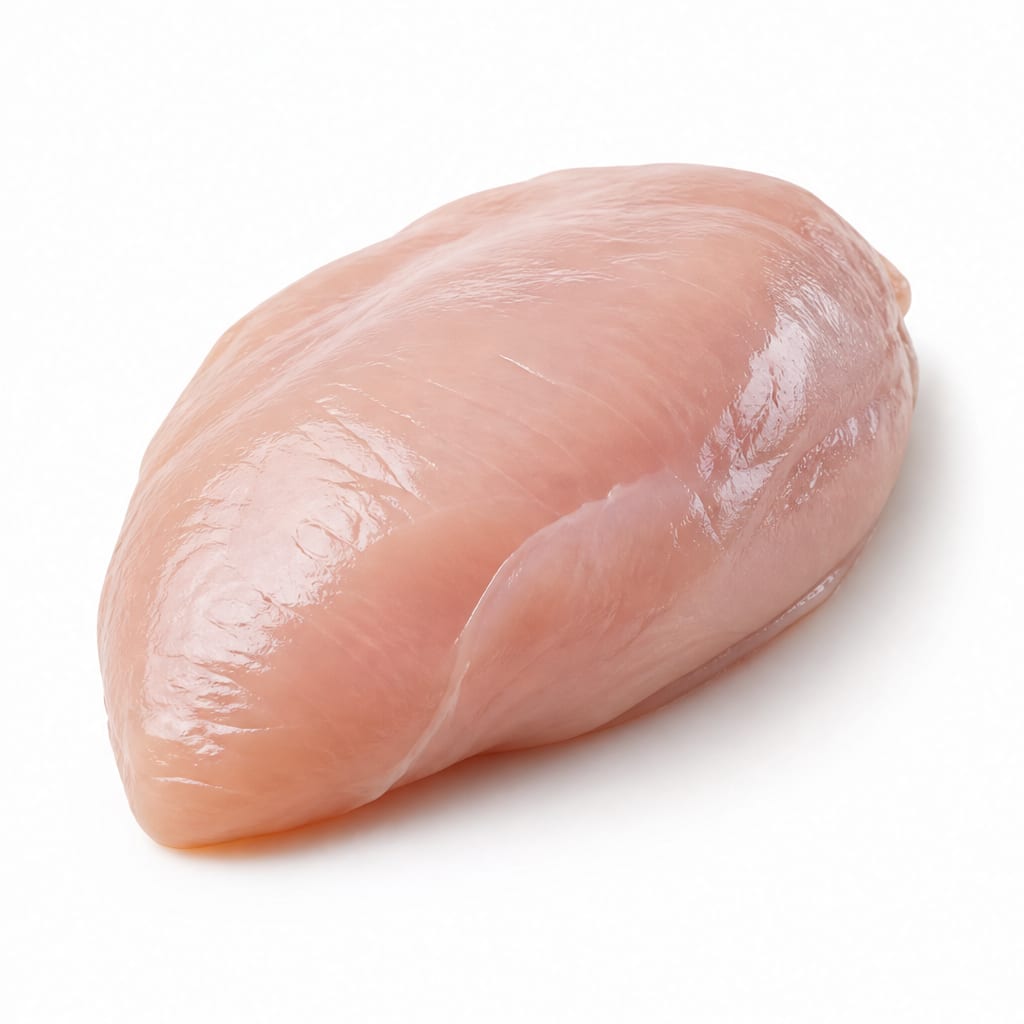
Compare with
Chicken Breast
Guinea fowl is slightly gamier and darker than chicken breast but offers a comparable lean protein profile.
Guinea fowl is leaner and slightly gamier than chicken breast, making it marginally better for weight loss, while chicken is cheaper and milder.
This food
Guinea Fowl
VS90% alike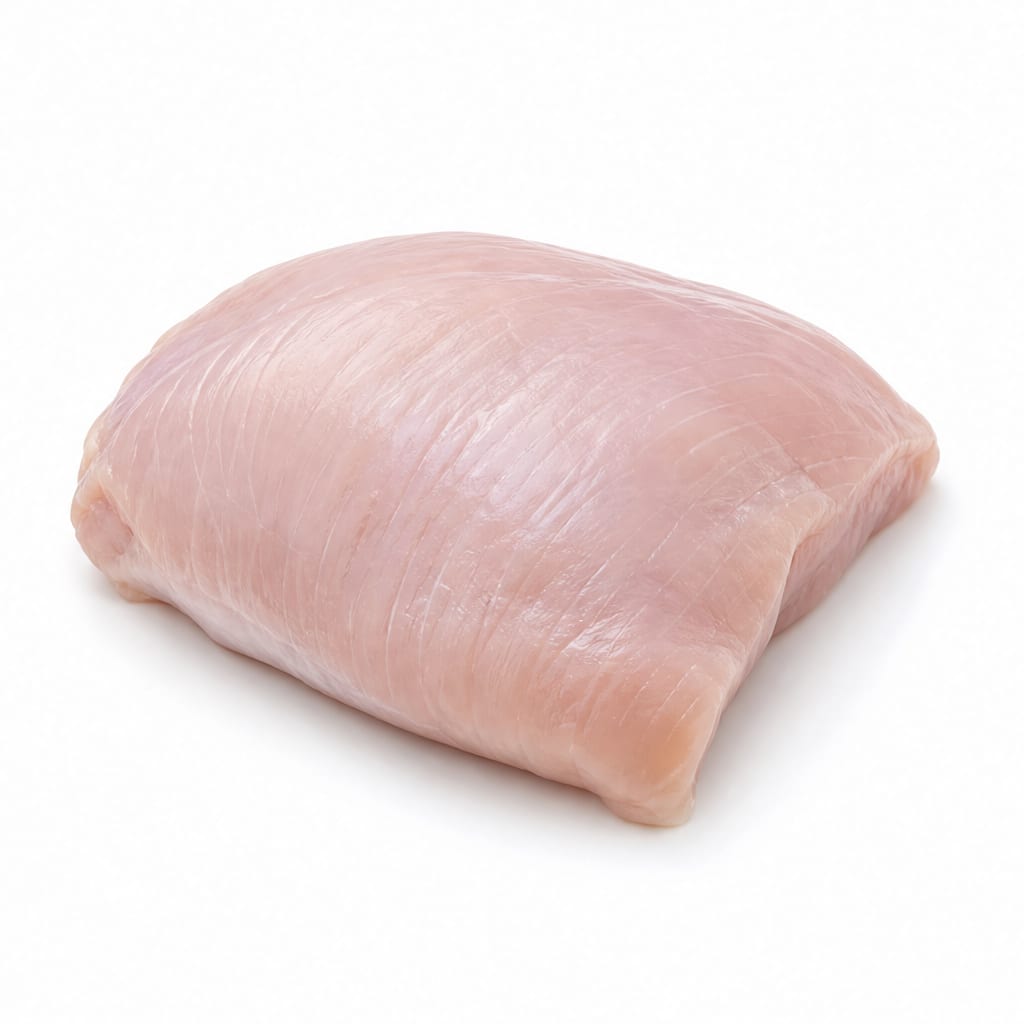
Compare with
Turkey Breast
Both are ultra-lean poultry options, though turkey breast is milder and more widely available.
Turkey breast and guinea fowl are both excellent lean proteins, but turkey offers more protein per calorie and is easier to find.
This food
Guinea Fowl
VS85% alike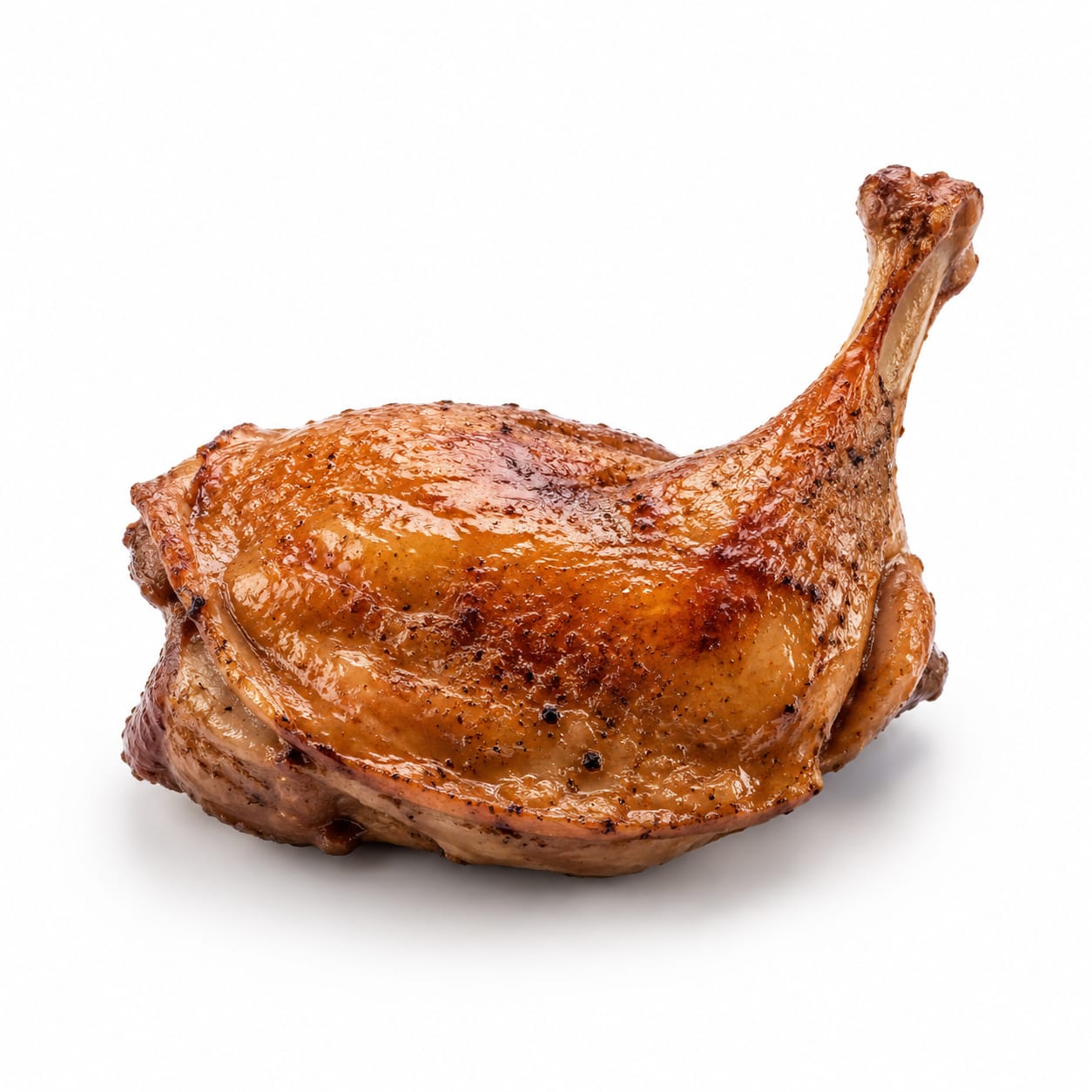
Compare with
Pheasant
Both are lean game birds, though pheasant is typically slightly drier and more gamier.
Guinea fowl is moister and slightly higher in protein than pheasant, making it a better overall lean meat choice.
This food
Guinea Fowl
VS80% alike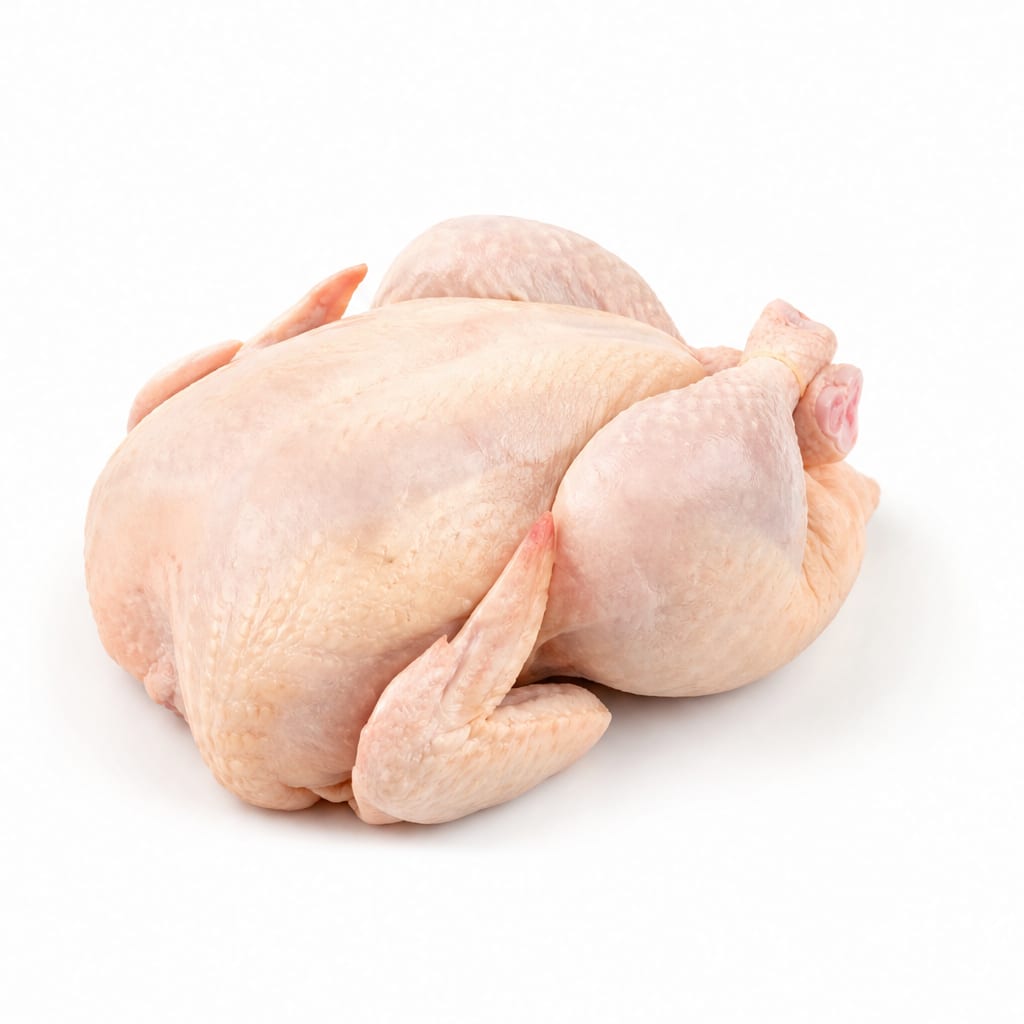
Compare with
Cornish Hen
Cornish hen is younger and more tender but has a higher fat content than guinea fowl.
Guinea fowl is leaner and better for weight loss than Cornish hen, which carries more fat and calories per gram.
This food
Guinea Fowl
VS60% alike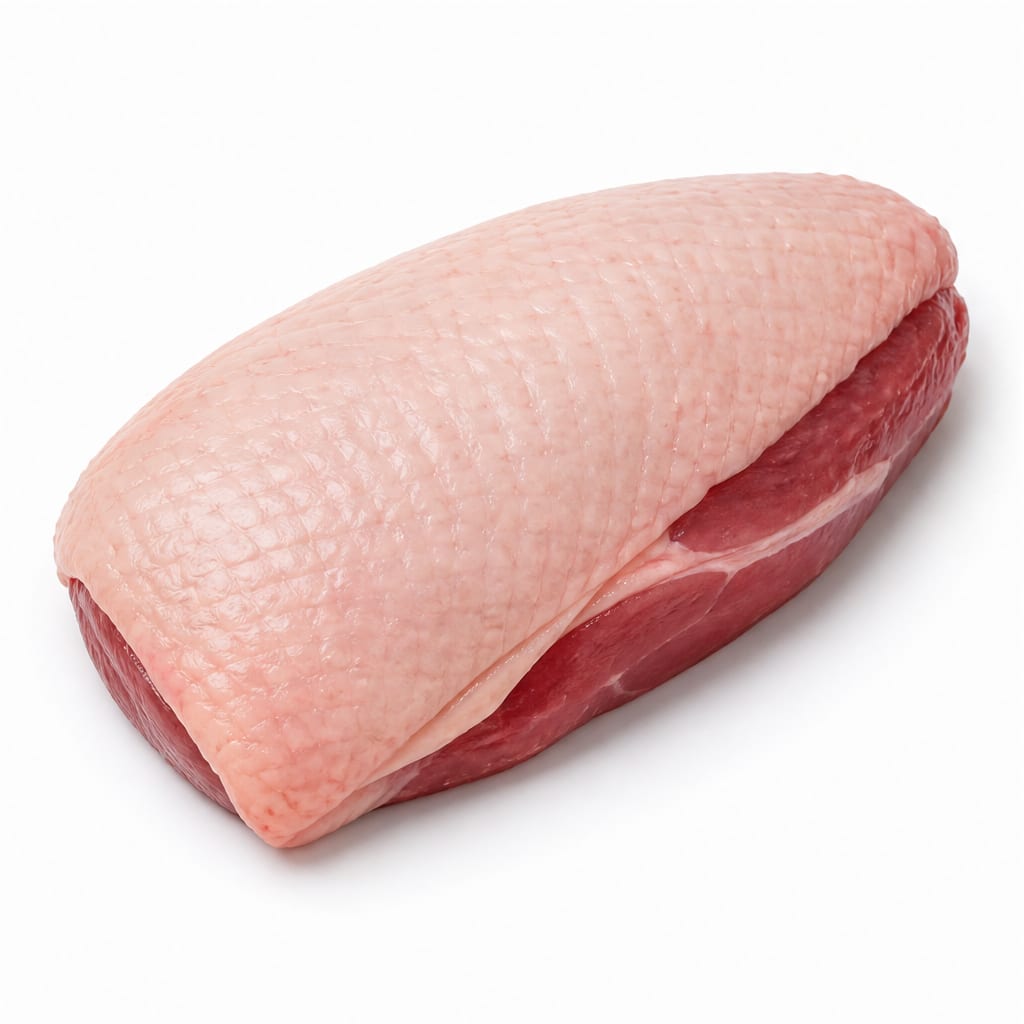
Compare with
Duck Breast
Duck is a much fattier, higher-calorie bird compared to the extremely lean guinea fowl.
Guinea fowl is far leaner and lower in calories than duck breast, making it superior for weight loss, while duck provides more fat for keto diets.
This food
Guinea Fowl
VS75% alike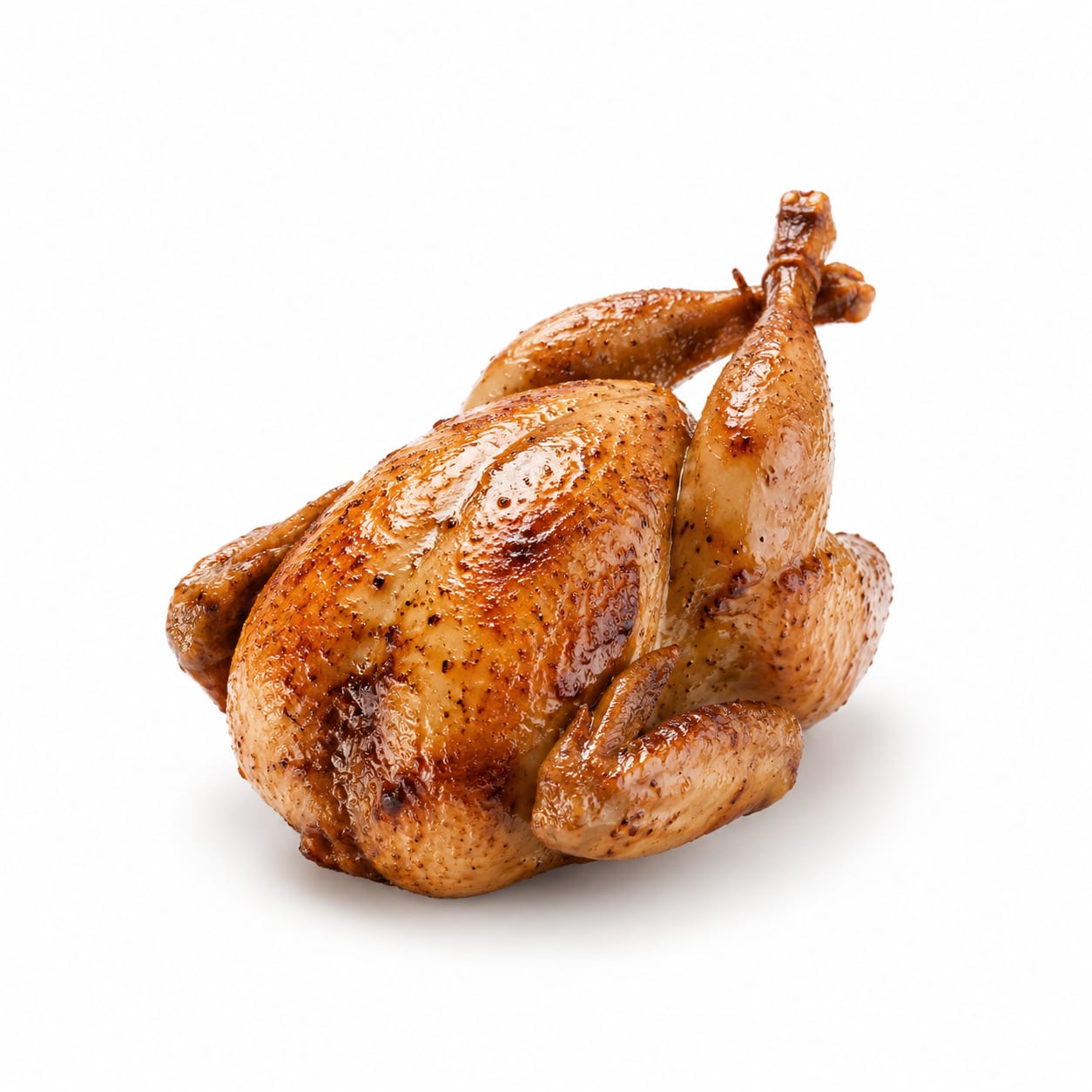
Compare with
Quail
Quail is much smaller and slightly higher in fat per serving than guinea fowl.
Guinea fowl offers more protein and less fat than quail, providing better value and macros for muscle building.
This food
Guinea Fowl
VS70% alike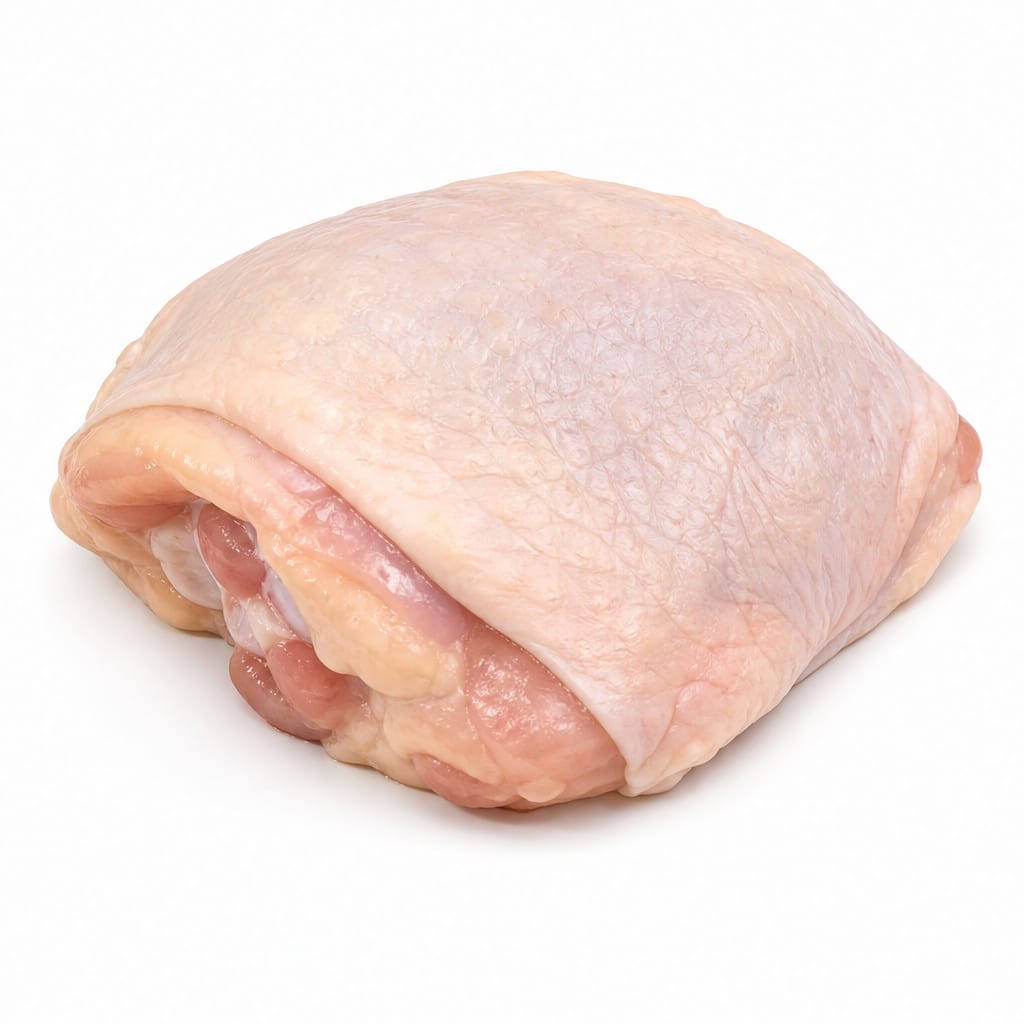
Compare with
Chicken Thigh
Chicken thighs are fattier and more tender, while guinea fowl is leaner but slightly drier.
Guinea fowl is significantly lower in fat and calories than chicken thighs, making it the better choice for cutting weight.
This food
Guinea Fowl
VS80% alike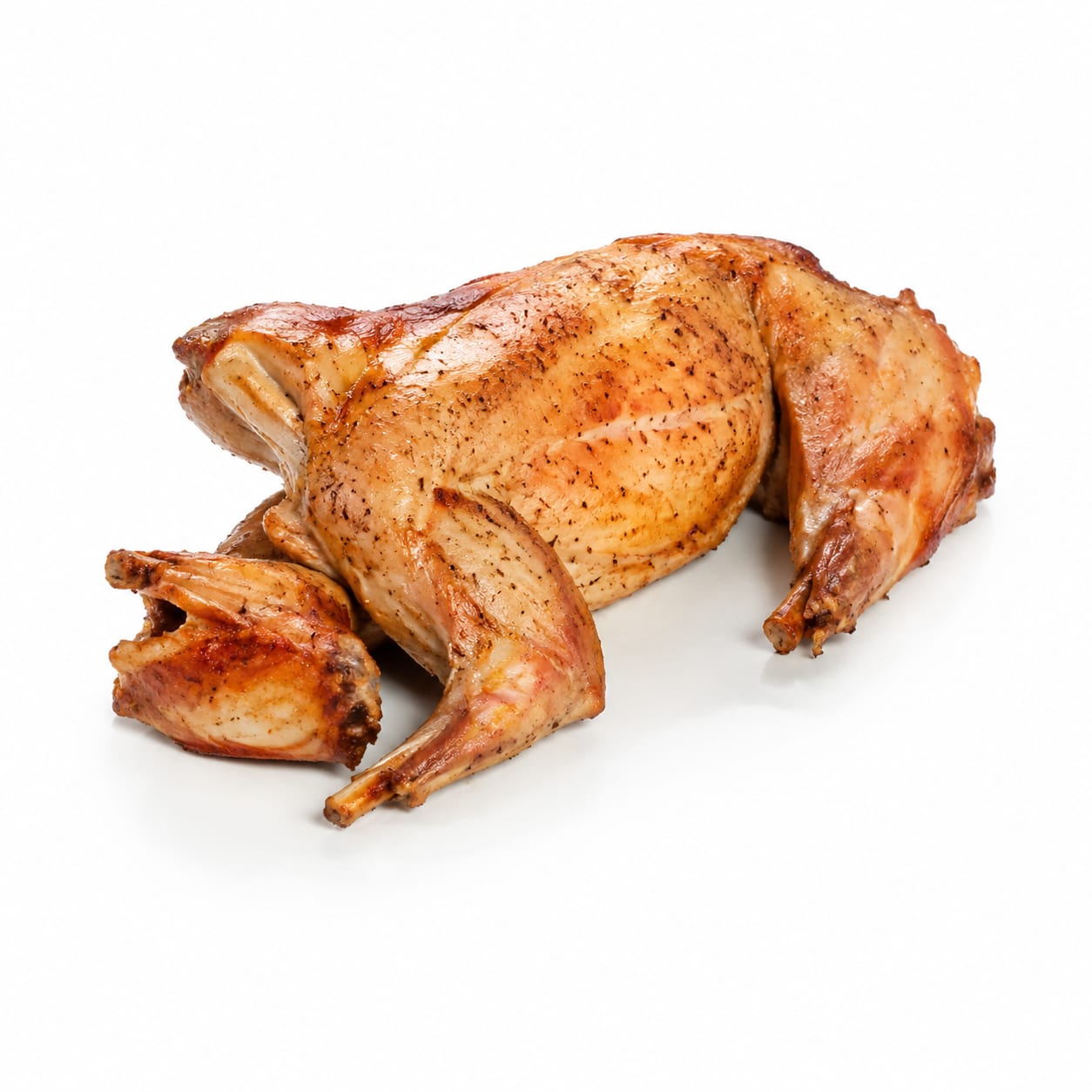
Compare with
Rabbit
Both are exceptionally lean animal proteins with virtually zero carbohydrates.
Rabbit and guinea fowl are both ultra-lean, high-protein game meats excellent for weight loss and blood sugar control.
This food
Guinea Fowl
VS75% alike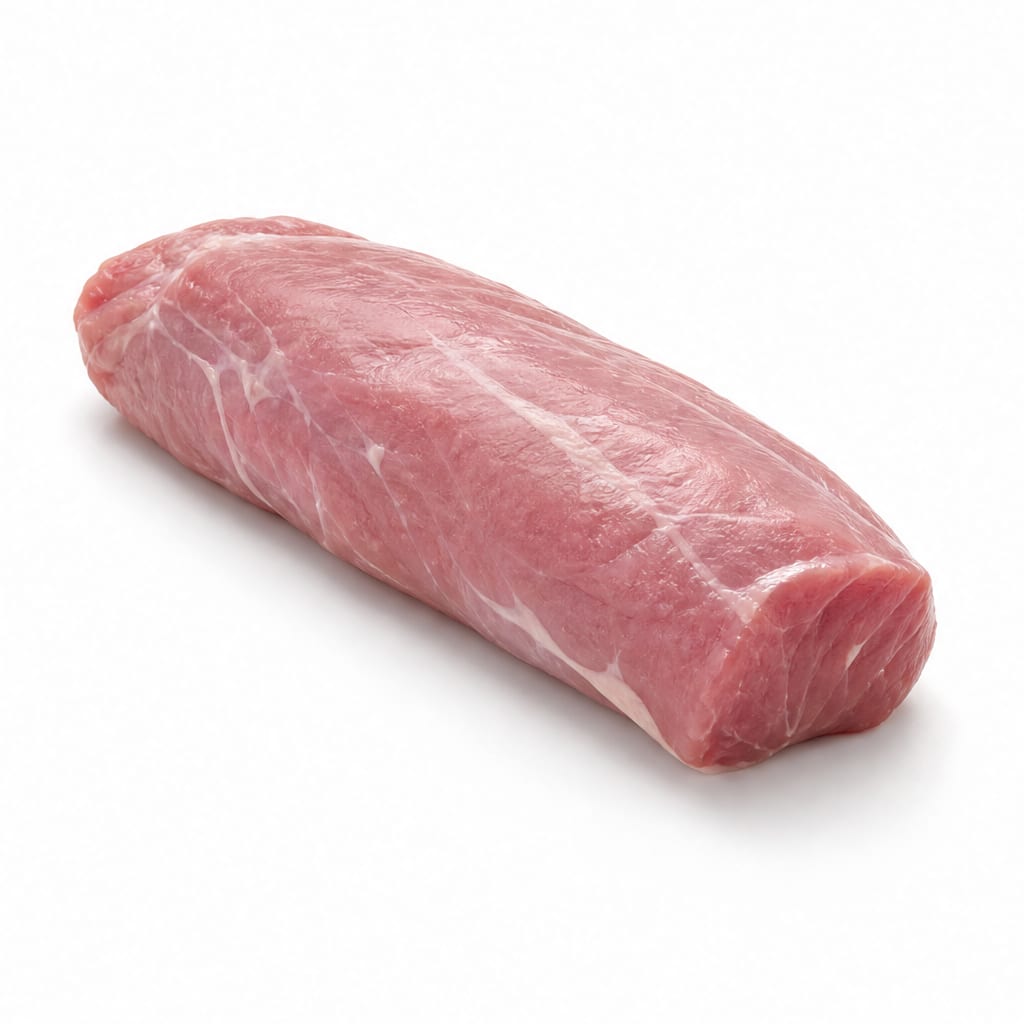
Compare with
Pork Tenderloin
Pork tenderloin is a lean red meat alternative with a slightly higher fat content than guinea fowl.
Guinea fowl is leaner than pork tenderloin, offering fewer calories per gram, while pork provides more thiamin and iron.
This food
Guinea Fowl
VS70% alike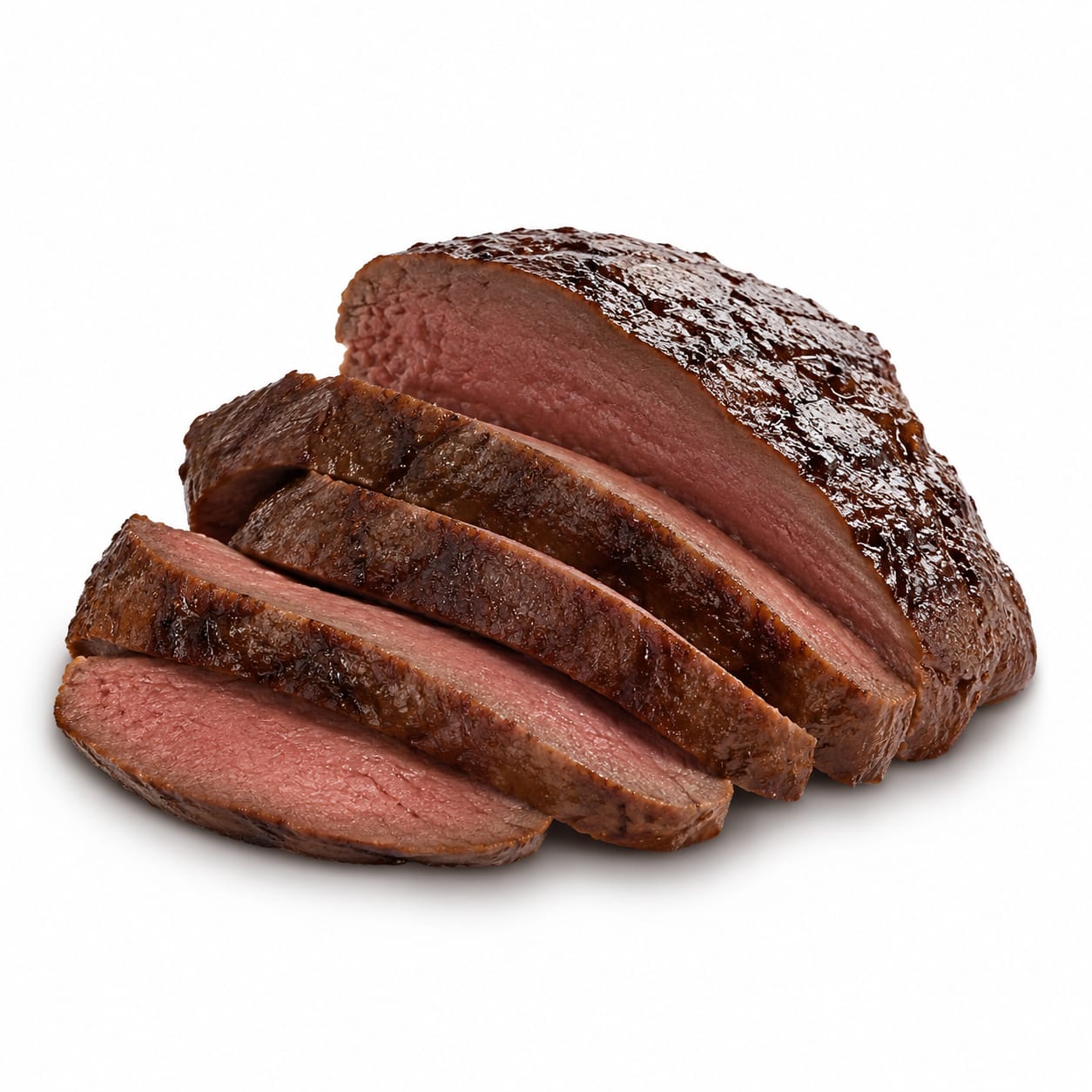
Compare with
Venison
Venison is leaner than beef but slightly fattier than guinea fowl, with a stronger gamey flavor.
Guinea fowl is marginally leaner than venison, though both are excellent low-calorie, high-protein game meats for weight loss.
Common questions
FAQ
Answers aligned with how people search for this food.
Is guinea fowl healthier than chicken?
Guinea fowl is generally leaner than chicken, offering slightly more protein and less fat per serving, making it a healthier choice for low-calorie diets.
How many calories are in guinea fowl?
There are approximately 110 calories in a 100-gram serving of cooked guinea fowl, making it a low-calorie protein source.
Can diabetics eat guinea fowl?
Yes, guinea fowl contains zero carbohydrates and will not spike blood sugar, making it an excellent meat choice for diabetics.
Is guinea fowl good for weight loss?
Yes, its high protein and low fat content increase satiety while keeping calorie intake low, supporting weight loss effectively.
Does guinea fowl have a lot of fat?
No, guinea fowl is naturally very lean, containing only about 2.5 grams of fat per 100 grams, which is less than skinless chicken breast.
What does guinea fowl taste like?
Guinea fowl tastes like a cross between chicken and pheasant, with a slightly gamier, richer flavor than standard chicken but not as intense as duck.
Is guinea fowl meat tough?
The breast meat can dry out and become tough if overcooked due to its low fat content, but the thighs and braised cuts remain tender.
Can I eat guinea fowl on a keto diet?
Yes, guinea fowl is zero-carb and high in protein, fitting perfectly into ketogenic and low-carb dietary patterns.
Transparency
Data confidence
Estimated confidence for nutrition data, interpretation, safety notes, and comparisons.
Nutrition data
Health analysis
Food safety
Comparisons