
Nutrition comparison
Guinea Fowl vs Pork Tenderloin: Which Lean Protein Is Better for You?
Compare guinea fowl and pork tenderloin on nutrition, safety, taste, and practicality. Find out which lean meat fits your health goals, budget, and lifestyle.
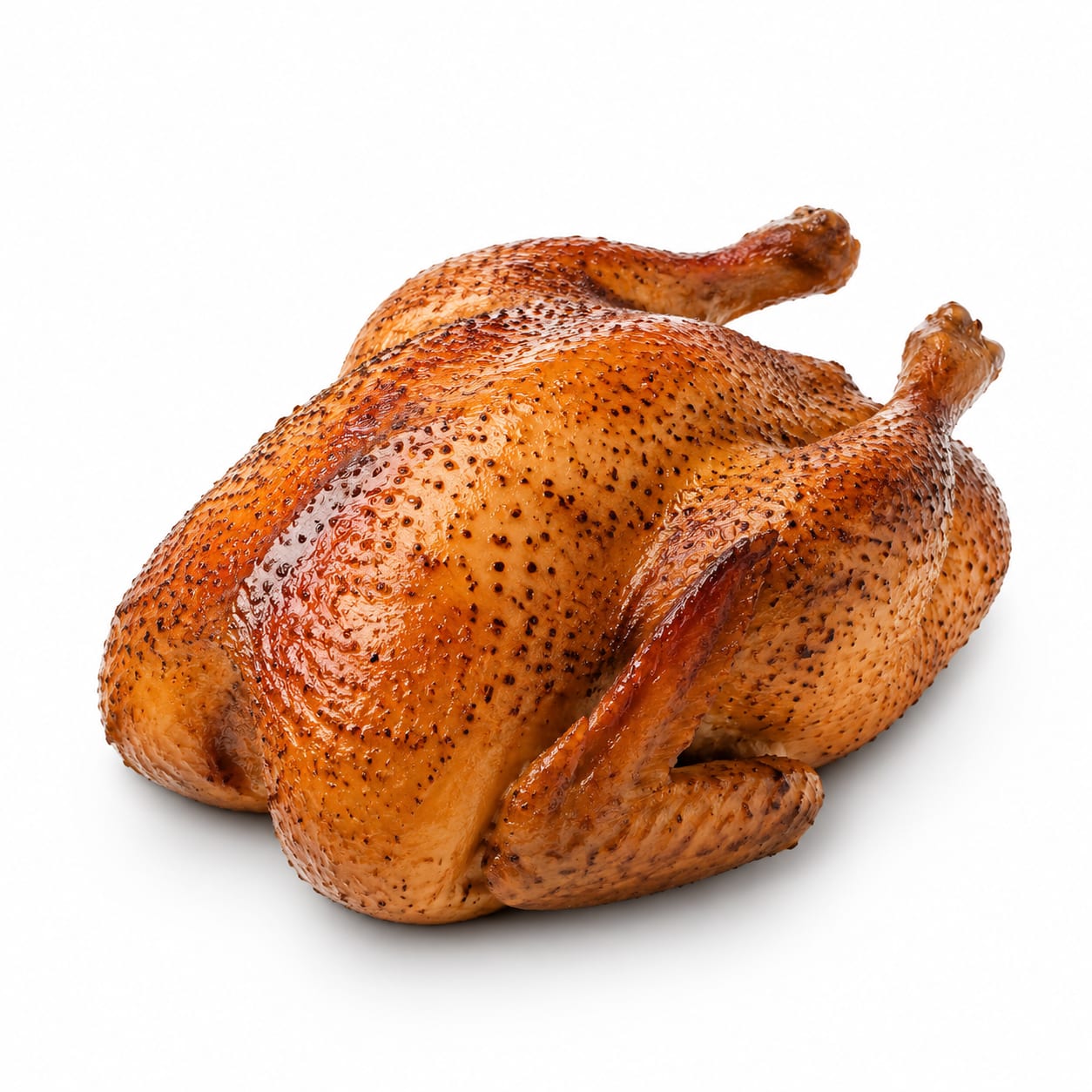
Guinea Fowl
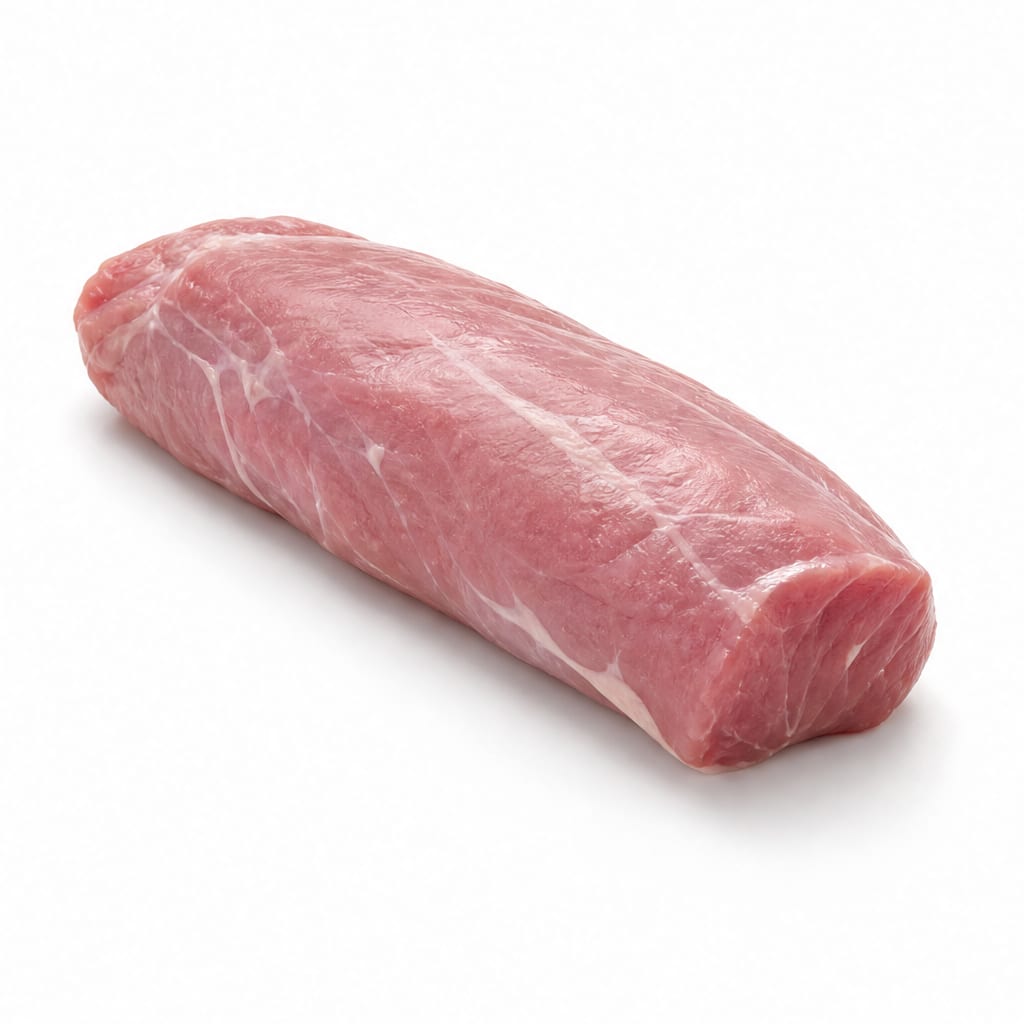
Pork Tenderloin
Guinea fowl wins on purity and novelty; pork tenderloin wins on practicality and B-vitamin density. Both are excellent lean proteins with different tradeoffs.
Guinea fowl edges ahead slightly on health purity and safety, but pork tenderloin's accessibility, affordability, and thiamin content keep it competitive. The small gap reflects that both are strong lean protein choices with different real-world tradeoffs.
Guinea fowl offers cleaner sourcing with less contamination risk but is harder to find and more expensive. Pork tenderloin is widely available and nutrient-dense but carries higher food safety and farming concern baggage.
At a glance
Executive summary
Overall
It depends
Healthier
Guinea Fowl
More practical
Pork Tenderloin
Daily use
Pork Tenderloin
Key comparison lenses
lean protein source selection
Both are premium lean proteins, so users are likely deciding which lean meat best fits their health goals
food safety and contamination risk
Pork carries specific contamination concerns that guinea fowl does not, making safety a key differentiator
everyday practicality and availability
Guinea fowl is specialty and harder to find, while pork tenderloin is ubiquitous and affordable
dietary variety and novelty
Users exploring guinea fowl are likely seeking alternatives to common meats like pork
inflammatory and long-term health impact
Red meat versus poultry has different inflammatory profiles that matter for chronic disease prevention
Best choice for
Guinea Fowl
- People avoiding pork for religious or personal reasons
- Those seeking game birds with lower contamination risk
- Adventurous eaters wanting dietary variety
- Shoppers prioritizing cleaner, more natural meat sourcing
Pork Tenderloin
- Budget-conscious families needing affordable lean protein
- Meal preppers who want widely available consistent cuts
- Anyone focused on thiamin and B-vitamin intake
- Home cooks wanting versatile weeknight dinner options
Least suitable for
Guinea Fowl
- Busy households needing quick grocery runs
- Those on tight food budgets
- People who prefer mild, familiar flavors
- Anyone meal prepping in bulk on a budget
Pork Tenderloin
- People avoiding pork for religious reasons
- Those concerned about antibiotic and farming practices in pork
- Individuals worried about trichinosis or pork-borne pathogens
- Shoppers seeking the cleanest possible meat sourcing
Deep comparison
Dimension by dimension
Each lens scores both foods and breaks down who each option suits.
- Dimension 1 · Priority 95Guinea Fowl
Protein Quality and Leanness
Guinea Fowl · 88Pork Tenderloin · 85Both are exceptionally lean, but guinea fowl is slightly leaner with a marginally better protein-to-fat ratio per serving.
Tradeoff
Pork tenderloin provides more thiamin per calorie, while guinea fowl delivers cleaner protein with less fat baggage.
Why it matters
When you are choosing lean protein, every gram of unnecessary fat matters. Guinea fowl gives you slightly more protein per bite.
Real-world impact
A guinea fowl dinner leaves you feeling satisfied without heaviness. Pork tenderloin comes close but has a touch more fat per serving.
Guinea Fowl
- Strict calorie counters
- Competition prep diets
- Anyone maximizing protein per calorie
Better for
- Those who find very lean meat unpalatably dry
Worse for
Pork Tenderloin
- People needing B-vitamin support
- Those who find poultry too dry and want slightly more richness
Better for
- Anyone counting every fat gram strictly
Worse for
- Dimension 2 · Priority 90Guinea Fowl
Food Safety and Contamination Risk
Guinea Fowl · 88Pork Tenderloin · 68Guinea fowl carries significantly lower risk of foodborne illness and farming-related contamination compared to pork.
Tradeoff
Pork requires careful cooking to safe temperatures, while guinea fowl poses fewer pathogen concerns typical of poultry raised in cleaner conditions.
Why it matters
Pork has historically carried trichinosis risk and modern farming raises antibiotic and pathogen concerns that guinea fowl largely avoids.
Real-world impact
With pork tenderloin, you must be vigilant about cooking temperature and cross-contamination. Guinea fowl feels safer to prepare with less worry.
Guinea Fowl
- Immune-compromised individuals
- Home cooks concerned about food safety
- Those avoiding antibiotic-exposed meats
Better for
- Those unfamiliar with cooking game birds who might undercook
Worse for
Pork Tenderloin
- Experienced cooks who follow safe handling confidently
Better for
- Anyone anxious about foodborne illness
- People with compromised immune systems
Worse for
- Dimension 3 · Priority 85Pork Tenderloin
Vitamin and Mineral Density
Guinea Fowl · 72Pork Tenderloin · 86Pork tenderloin is remarkably rich in thiamin, B6, B12, zinc, and selenium, outperforming guinea fowl on micronutrient density.
Tradeoff
Guinea fowl provides solid B vitamins but cannot match pork's exceptional thiamin content, which is among the highest of any food.
Why it matters
Thiamin is critical for energy metabolism and nervous system function. Pork is one of the best dietary sources available.
Real-world impact
Regular pork tenderloin consumption helps prevent B-vitamin deficiencies that cause fatigue and brain fog. Guinea fowl supports you adequately but not as powerfully.
Guinea Fowl
- Those getting B vitamins from other sources already
Better for
- Those relying on a single meat for B-vitamin coverage
Worse for
Pork Tenderloin
- People with low thiamin intake
- Anyone recovering from illness needing nutrient density
- Older adults at risk for B-vitamin deficiency
Better for
- People who already eat fortified foods rich in B vitamins
Worse for
- Dimension 4 · Priority 80Pork Tenderloin
Availability and Practicality
Guinea Fowl · 40Pork Tenderloin · 92Pork tenderloin is available in virtually every grocery store at a reasonable price. Guinea fowl is a specialty item requiring effort to source.
Tradeoff
Choosing guinea fowl means planning ahead, visiting specialty butchers, or ordering online. Pork tenderloin can be grabbed on any weeknight grocery run.
Why it matters
The healthiest food only works if you can actually buy and cook it regularly. Accessibility determines long-term sustainability.
Real-world impact
Pork tenderloin fits seamlessly into weekly meal plans. Guinea fowl requires deliberate effort and often costs two to three times more.
Guinea Fowl
- Urban dwellers near specialty butchers
- Those who enjoy hunting for unique ingredients
Better for
- People who shop at standard supermarkets only
- Budget-constrained households
Worse for
Pork Tenderloin
- Busy families
- Rural shoppers with limited store options
- Anyone meal prepping on a schedule
Better for
- Those in regions where pork is culturally avoided
Worse for
- Dimension 5 · Priority 75Guinea Fowl
Inflammatory Potential
Guinea Fowl · 82Pork Tenderloin · 70Poultry generally produces less inflammatory response than pork, which is classified as red meat and carries higher inflammatory markers.
Tradeoff
Guinea fowl as a game bird has a cleaner inflammatory profile. Pork tenderloin is the leanest pork cut but still carries red meat inflammatory signals.
Why it matters
Chronic low-grade inflammation drives heart disease, joint pain, and aging. Poultry consistently scores better than red meat on this front.
Real-world impact
If you eat meat daily, choosing guinea fowl over pork may reduce subtle inflammatory load over months and years. The difference is small per meal but compounds over time.
Guinea Fowl
- People with autoimmune conditions
- Those managing chronic inflammation
- Longevity-focused eaters
Better for
- Those who would fry it in inflammatory oils, negating the benefit
Worse for
Pork Tenderloin
- Healthy individuals eating pork in moderation
Better for
- People eating red meat daily already
- Those with elevated inflammatory markers
Worse for
- Dimension 6 · Priority 70Pork Tenderloin
Satiety and Eating Experience
Guinea Fowl · 68Pork Tenderloin · 78Pork tenderloin has a slightly richer mouthfeel and more satisfying texture, while guinea fowl can be drier and more delicate.
Tradeoff
Guinea fowl offers a unique gamey flavor that some love, but its leanness makes it easier to overcook. Pork tenderloin stays more forgiving and satisfying.
Why it matters
Meals that feel satisfying prevent snacking later. A protein that leaves you wanting more is less useful than one that truly fills you up.
Real-world impact
Pork tenderloin dinners tend to feel more complete and comforting. Guinea fowl can feel light to the point of wanting something else afterward.
Guinea Fowl
- Those who prefer lighter meals
- Hot weather eating when heavy food feels unappealing
Better for
- Big eaters who need substantial meals
- Post-workout recovery when hunger is high
Worse for
Pork Tenderloin
- People who need meals to carry them 4-5 hours
- Those who find lean poultry unsatisfying
Better for
- Those wanting light evening meals
Worse for
Timeline
Health impact over time
Short-term
Hours to days
Guinea Fowl
- Light, clean energy without heaviness after eating
- Low digestive burden due to minimal fat content
- May feel less immediately satisfying than richer meats
Pork Tenderloin
- More satisfying meal with slightly richer mouthfeel
- Quick thiamin boost supporting same-day energy metabolism
- Requires careful cooking to avoid dryness that reduces enjoyment
Long-term
Months to years
Guinea Fowl
- Lower cumulative inflammatory load from consistent poultry consumption
- Reduced exposure to pork-industry antibiotics and farming chemicals
- Potential dietary boredom if not rotated with other proteins
Pork Tenderloin
- Excellent B-vitamin status supporting long-term neurological health
- Slightly higher red meat inflammatory exposure if eaten very frequently
- Greater cumulative exposure to conventional pork farming practices
Risk profile
Safety & processing
Both are whole, unprocessed meats when purchased as raw cuts. Guinea fowl is more likely to come from smaller farms with fewer industrial interventions. Pork tenderloin from conventional sources may involve more antibiotic and hormone exposure, though the meat itself remains minimally processed.
Guinea Fowl
Salmonella contamination
mediumLike all poultry, guinea fowl can carry salmonella. Proper cooking to 165°F eliminates this risk, but cross-contamination during prep remains a concern.
Undercooking due to unfamiliarity
lowHome cooks unfamiliar with game birds may struggle with proper doneness, leading to either undercooked or overcooked results.
Pork Tenderloin
Trichinosis and pork-borne pathogens
lowModern farming has nearly eliminated trichinosis in commercial pork, but the risk perception persists and other pathogens like Yersinia can still be present.
Antibiotic residue exposure
mediumConventional pork farming uses more antibiotics than poultry farming. Residues are regulated but cumulative exposure concerns remain for regular consumers.
Cross-contamination in kitchen
mediumRaw pork requires careful handling to prevent spreading bacteria to surfaces and other foods, more so than most poultry.
Who wins for whom
Audience fit
Same foods, different winners depending on your goal.
children
Pork TenderloinPork tenderloin's milder flavor and softer texture appeal more to children, plus its thiamin supports growing nervous systems.
daily consumption
Pork TenderloinPork tenderloin's availability, affordability, and nutrient density make it more sustainable for daily eating, while guinea fowl is better reserved for variety.
diabetes
Guinea FowlBoth have zero carbs and minimal impact on blood sugar, but guinea fowl's lower inflammatory potential gives it a slight edge for metabolic health.
elderly
Pork TenderloinOlder adults benefit significantly from pork's superior B-vitamin content, particularly thiamin and B12, which support cognitive health and energy.
muscle gain
Pork TenderloinPork tenderloin's higher B-vitamin content supports energy metabolism for training, and its slightly richer profile aids calorie intake for muscle building.
weight loss
Guinea FowlGuinea fowl's slightly lower fat content and cleaner inflammatory profile make it marginally better for sustained weight loss, though both are excellent choices.
Your move
Decision guide
Choose Guinea Fowl
- You want the cleanest possible protein with minimal farming concerns
- Pork is off-limits for religious, cultural, or personal reasons
- You enjoy game birds and want something more interesting than chicken
- Inflammatory load matters to you for autoimmune or longevity reasons
Choose Pork Tenderloin
- You need affordable, accessible lean protein for weekly meals
- B-vitamin intake is a priority, especially thiamin
- You are cooking for a family that prefers familiar flavors
- Meal prepping and grocery convenience matter more than novelty
Either works if
- You simply need a high-quality lean protein and both are available
- You are rotating proteins through the week for dietary variety
- Neither food triggers any personal or dietary restrictions
Avoid both if
- You follow a plant-based or vegetarian diet
- You have gout and need to limit purine-rich meats
- You are severely limiting protein intake for kidney health reasons
Final recommendation
Make pork tenderloin your everyday lean protein for its practicality and B-vitamin punch. Add guinea fowl occasionally for variety and a cleaner inflammatory profile. If pork is off the table entirely, guinea fowl is an excellent alternative that rivals chicken for leanness with more character.
Practical
Consumer tips
- 1
Buy pork tenderloin from pasture-raised or organic sources when possible to reduce antibiotic and farming practice concerns
- 2
Cook guinea fowl with moisture-retaining methods like braising or roasting with broth to prevent dryness
- 3
Pork tenderloin is best cooked to 145°F and rested for 3 minutes — it should be slightly pink for optimal juiciness
- 4
If guinea fowl is unavailable, cornish hen makes a reasonable substitute with similar leanness
- 5
Freeze pork tenderloin in individual portions for easy weeknight meal prep
- 6
Ask your butcher to source guinea fowl seasonally — it is often fresher and more affordable in autumn and winter