
Nutrition comparison
Guinea Fowl vs Venison: Nutrition, Taste, and Health Comparison
Comparing Guinea Fowl and Venison? Discover which lean game meat is better for iron, muscle gain, and family dinners, plus cooking tips and safety facts.
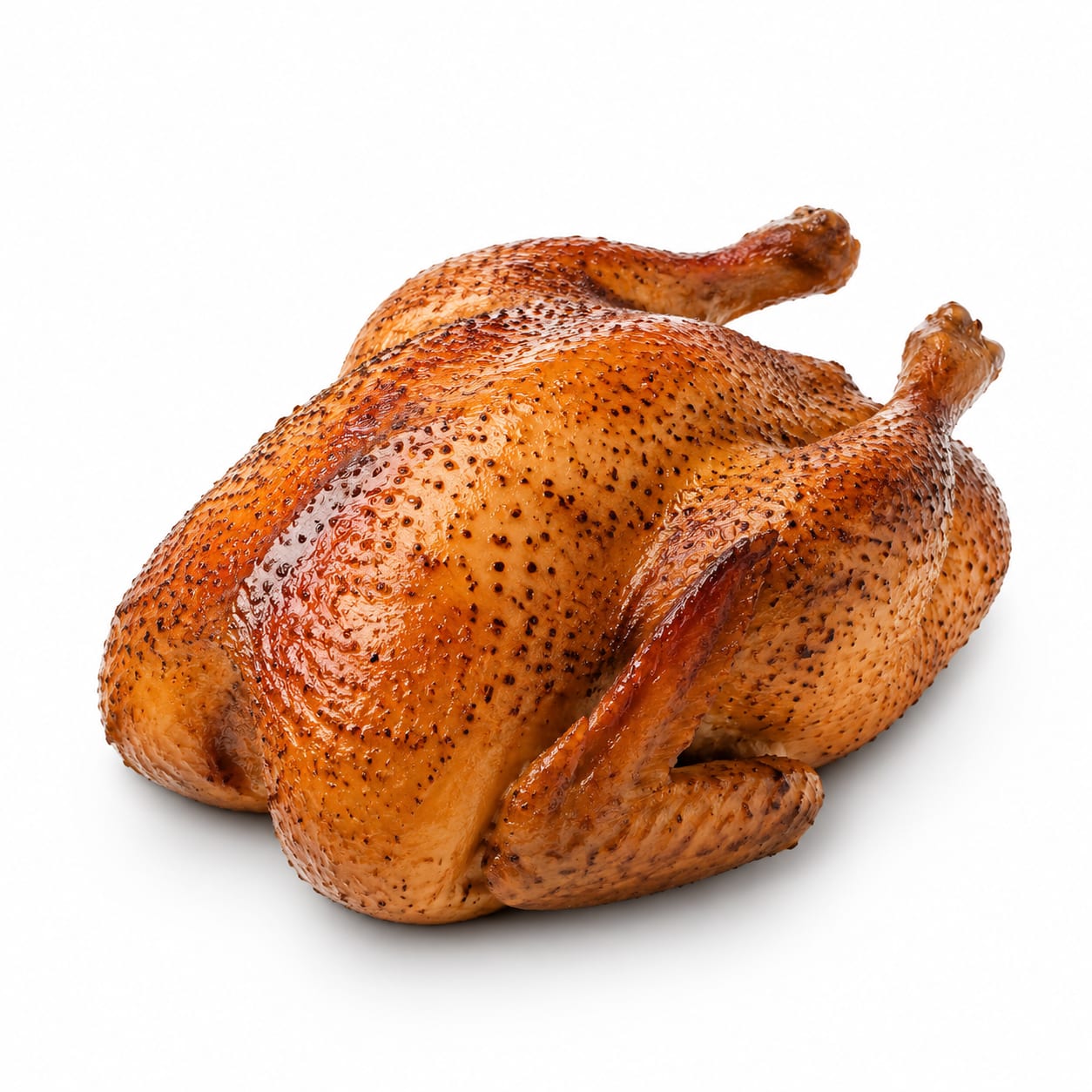
Guinea Fowl
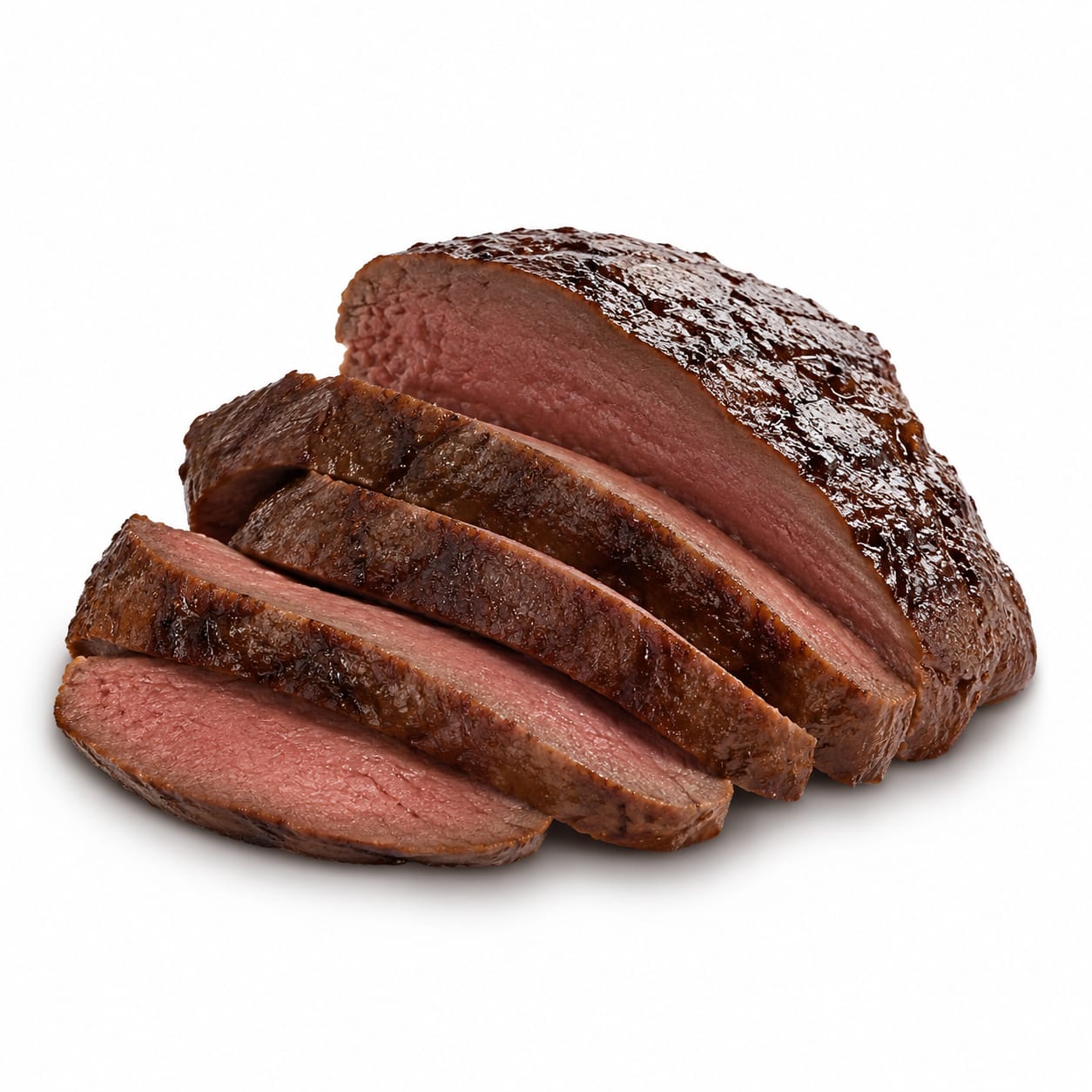
Venison
Venison wins on pure nutrient density and iron, but Guinea Fowl is far more practical for everyday cooking and family meals.
Venison scores slightly higher due to superior micronutrient density, particularly iron and B12, but Guinea Fowl remains an excellent choice that is easier to live with daily.
You trade the massive iron and B12 boost of Venison for the milder flavor, easier cooking, and safer sourcing of Guinea Fowl.
At a glance
Executive summary
Overall
It depends
Healthier
Venison
More practical
Guinea Fowl
Daily use
Guinea Fowl
Key comparison lenses
Lean protein source comparison
Both are prized for being exceptionally lean, high-quality protein sources with minimal fat.
Micronutrient density for energy and blood health
Venison brings heavy-hitting iron and B12, while Guinea Fowl offers solid B-vitamins with less iron.
Culinary ease and flavor adaptability
Venison is notoriously easy to overcook and has a strong flavor, whereas Guinea Fowl is more forgiving and milder.
Wild game safety and sourcing concerns
Wild venison carries unique risks like lead shot or chronic wasting disease, which farmed Guinea Fowl avoids.
Best choice for
Guinea Fowl
- Families needing a mild, lean protein
- Everyday meal prep without special cooking techniques
- Those cautious about wild game contaminants
Venison
- Athletes and lifters seeking maximum iron and B12
- People with anemia or low red blood cell counts
- Fans of rich, deep, gamey flavors
Least suitable for
Guinea Fowl
- Those needing a significant dietary iron boost
- Strict paleo or carnivore dieters prioritizing red meat
Venison
- Picky eaters or children sensitive to strong flavors
- Inexperienced cooks prone to overcooking lean meats
- People with gout flares triggered by purine-rich red meat
Deep comparison
Dimension by dimension
Each lens scores both foods and breaks down who each option suits.
- Dimension 1 · Priority 95It depends
Protein Quality & Satiety
Guinea Fowl · 90Venison · 94Both deliver outstanding, highly bioavailable protein that keeps you full for hours. Venison has a slight edge in amino acid density.
Tradeoff
Venison offers slightly more protein per ounce, but Guinea Fowl is still more than adequate for any satiety or muscle goal.
Why it matters
High-quality lean protein stabilizes blood sugar and prevents afternoon energy crashes.
Real-world impact
A serving of either meat will easily keep you full from lunch until dinner without reaching for snacks.
Guinea Fowl
- Lighter post-workout meals where you want less heaviness
Better for
- Bodybuilders in a deep bulk needing maximum protein density
Worse for
Venison
- Maximum muscle recovery with the highest amino acid concentration
Better for
- Those who find heavy red meat sits in their stomach too long before a workout
Worse for
- Dimension 2 · Priority 92Venison
Micronutrient Density
Guinea Fowl · 75Venison · 96Venison is a micronutrient powerhouse, overflowing with iron, zinc, and B12. Guinea Fowl provides good B-vitamins but lacks the iron punch of red meat.
Tradeoff
Choosing Guinea Fowl means missing out on the massive iron and B12 reserves naturally found in Venison.
Why it matters
Iron and B12 are critical for energy, focus, and preventing the fatigue that plagues many diets.
Real-world impact
Eating Venison regularly can literally change how energized you feel in the afternoon if you are prone to low iron.
Guinea Fowl
- Those who already have high iron levels and need to avoid excess
Better for
- Anyone trying to reverse anemia through diet alone
Worse for
Venison
- Women with heavy menstrual cycles needing iron replenishment
- People fighting persistent fatigue or brain fog
Better for
- People with hemochromatosis who must strictly limit iron
Worse for
- Dimension 3 · Priority 85Guinea Fowl
Culinary Versatility & Ease
Guinea Fowl · 88Venison · 65Guinea Fowl cooks like a flavorful chicken and is very forgiving. Venison is notoriously lean and turns tough and dry if overcooked by even a few minutes.
Tradeoff
Venison requires careful cooking and often marinating or pairing with fats, while Guinea Fowl is a simpler, more relaxed cooking experience.
Why it matters
If a food is hard to cook well, you are less likely to make it part of your regular routine.
Real-world impact
Overcooked Venison is chewy and unappetizing, ruining an expensive meal. Guinea Fowl is much harder to mess up on a busy Tuesday.
Guinea Fowl
- Weeknight dinners where you need a reliable, easy protein
- Serving guests who might be hesitant about gamey flavors
Better for
- Recipes specifically requiring the deep, rich flavor of red meat
Worse for
Venison
- Weekend cooking when you have time to slow-braise or carefully sear
Better for
- Quick, unforgiving weeknight meal prep
Worse for
- Dimension 4 · Priority 80Guinea Fowl
Sourcing & Food Safety
Guinea Fowl · 85Venison · 70Guinea Fowl is typically farm-raised with standard poultry safety. Venison is often wild-harvested, carrying risks of lead shot or chronic wasting disease.
Tradeoff
Wild Venison is the ultimate free-range meat, but it carries unique environmental contaminants that farmed Guinea Fowl avoids.
Why it matters
Long-term exposure to heavy metals or prions from wild game is a hidden risk that doesn't exist with farmed poultry.
Real-world impact
You can eat Guinea Fowl without worrying about lead fragments or brain diseases, offering better peace of mind for regular consumption.
Guinea Fowl
- Pregnant women and children who are more vulnerable to lead exposure
- Those wanting clean, traceable farming practices
Better for
- Those avoiding all farmed meats entirely
Worse for
Venison
- Eaters who prioritize 100% wild-foraged, grass-fed ecosystems
Better for
- Anyone sourcing from unknown hunters or regions with CWD
Worse for
Timeline
Health impact over time
Short-term
Hours to days
Guinea Fowl
- Provides steady, clean energy without feeling heavy
- Very filling without causing afternoon sluggishness
Venison
- Highly satiating, keeping hunger away for extended periods
- Can feel quite heavy in the stomach if eaten in large portions
Long-term
Months to years
Guinea Fowl
- Supports heart health due to extremely low saturated fat
- Maintains muscle mass without contributing to cardiovascular risk
Venison
- Excellent for preventing iron-deficiency anemia and maintaining vitality
- Very low fat content supports lean body composition long-term
Risk profile
Safety & processing
Both are whole, single-ingredient foods. As game or specialty meats, they are rarely subjected to the plumping, nitrates, or preservatives found in standard grocery store meats.
Guinea Fowl
Bacterial contamination
mediumLike all poultry, Guinea Fowl carries a standard risk of Salmonella or Campylobacter, requiring proper handling and thorough cooking.
Venison
Lead exposure
mediumWild-harvested Venison may contain lead fragments if harvested with lead ammunition, which is a serious neurotoxin.
Chronic Wasting Disease (CWD)
lowA prion disease found in wild deer populations. While no human cases have been confirmed, health authorities recommend testing and avoiding infected meat.
Who wins for whom
Audience fit
Same foods, different winners depending on your goal.
children
Guinea FowlGuinea Fowl has a milder, more approachable flavor and avoids the lead contamination risks sometimes found in wild Venison.
daily consumption
Guinea FowlGuinea Fowl is easier to cook, safer to source consistently, and has a milder flavor that doesn't cause palate fatigue day after day.
diabetes
It dependsBoth have zero carbs and minimal saturated fat, making them ideal for blood sugar stability. It comes down to personal flavor preference.
elderly
VenisonOlder adults often struggle with B12 absorption and iron deficiency; Venison is one of the most potent natural sources of both.
muscle gain
VenisonVenison provides a denser source of protein, iron, and B12, which are crucial for oxygen delivery and muscle recovery during heavy training.
weight loss
It dependsBoth are incredibly lean and filling. Venison might edge out slightly due to higher protein density, but Guinea Fowl is easier to prepare in varied, low-calorie ways.
Your move
Decision guide
Choose Guinea Fowl
- You want a family-friendly lean protein that is easy to cook
- You are cautious about heavy metals or prions in wild game
- You prefer the taste of poultry over red meat
Choose Venison
- You need a massive boost in iron and B12 for energy or anemia
- You love rich, gamey flavors and enjoy careful cooking
- You have access to safely sourced, high-quality Venison
Either works if
- Your main goal is simply eating a clean, high-protein, zero-carb meal
- You want to break out of a chicken-and-beef dinner rut
Avoid both if
- You are on a strict low-protein diet for kidney issues
- You follow a purely plant-based lifestyle
Final recommendation
Let your kitchen confidence and nutrient needs decide. If you are tired, anemic, or an experienced cook, Venison is a nutrient goldmine. If you want a reliable, worry-free family dinner that still feels elevated, Guinea Fowl is the smarter everyday choice.
Practical
Consumer tips
- 1
If cooking Venison, never cook it past medium-rare; it lacks the fat to stay tender otherwise.
- 2
Marinate Guinea Fowl in buttermilk or yogurt to keep it exceptionally moist and tender.
- 3
If buying wild Venison, ask the hunter if they use lead-free ammunition to avoid contamination risks.
- 4
Braise tougher cuts of Venison low and slow with moisture to break down the connective tissue without drying it out.