
Nutrition comparison
Guinea Fowl vs Turkey Breast: Which Lean Protein Is Better for You?
Compare Guinea Fowl and Turkey Breast on protein, fat, iron, zinc, cost, and processing. Find out which lean poultry fits your diet, budget, and taste preferences.
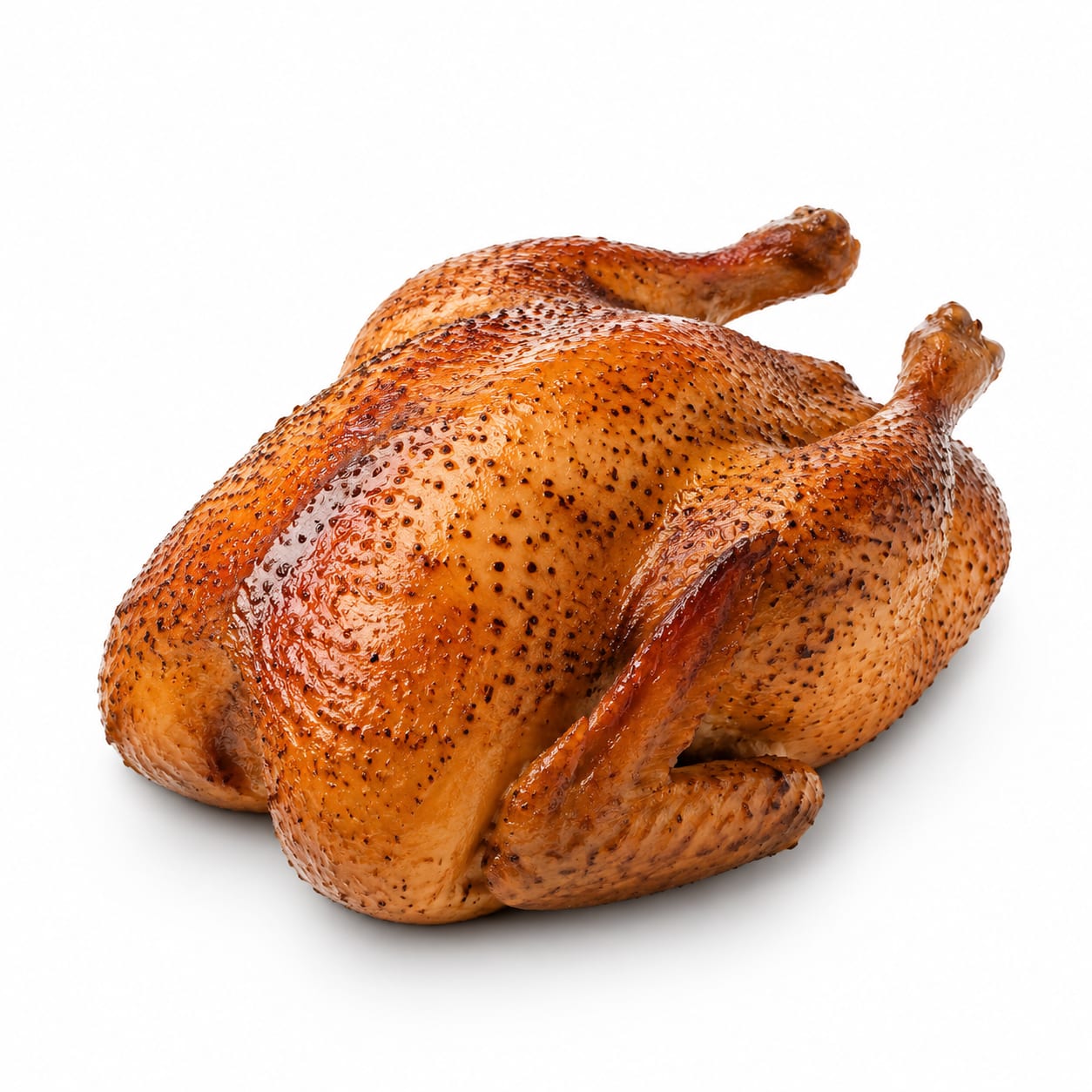
Guinea Fowl
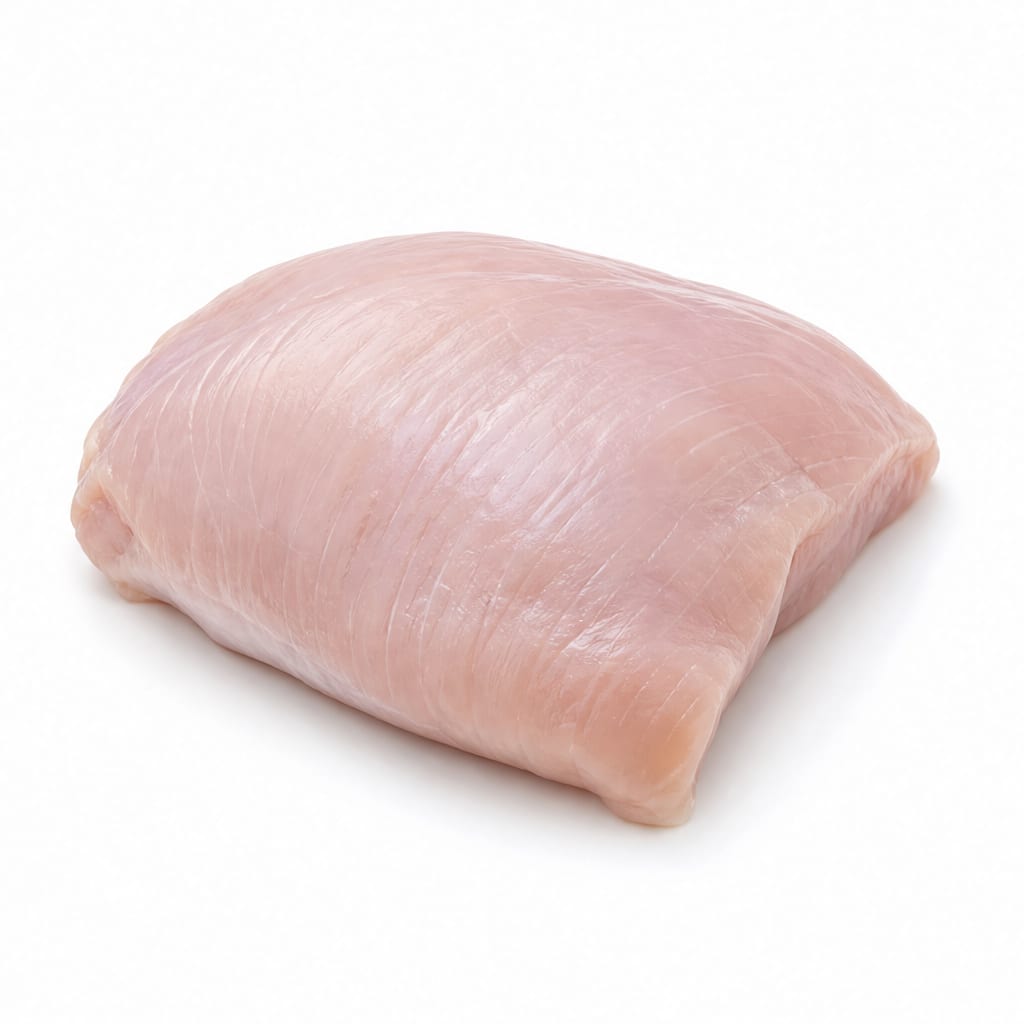
Turkey Breast
Turkey Breast wins on pure leanness and practicality; Guinea Fowl wins on flavor depth and micronutrient density.
Turkey Breast scores slightly higher due to superior accessibility, lower fat, and higher protein density. Guinea Fowl remains nutritionally strong but loses points on availability and cost practicality.
Maximum protein per calorie versus a more satisfying eating experience with richer nutrition per bite.
At a glance
Executive summary
Overall
It depends
Healthier
It depends
More practical
Turkey Breast
Daily use
Turkey Breast
Key comparison lenses
lean protein comparison for weight management
Both are lean poultry options frequently chosen for high-protein, low-fat diets
flavor vs leanness tradeoff
Guinea Fowl offers richer taste while Turkey Breast delivers maximum leanness
everyday practicality and availability
Turkey Breast is ubiquitous; Guinea Fowl is specialty and harder to source
micronutrient density for active lifestyles
Darker Guinea Fowl meat likely carries more iron and zinc than white Turkey Breast
processing and naturalness concerns
Turkey Breast is often sold as deli meat with additives; Guinea Fowl is typically whole and minimally processed
Best choice for
Guinea Fowl
- Foodies wanting lean protein without boring meals
- Home cooks seeking richer poultry flavor
- Those prioritizing iron and zinc intake
- People avoiding ultra-processed deli meats
- Special occasion dinners with a nutritional edge
Turkey Breast
- Strict calorie counters and macro trackers
- Bodybuilders needing maximum protein with minimal fat
- Meal preppers who need affordable weekly staples
- Anyone on a doctor-recommended very-low-fat diet
- Busy households wanting easy supermarket access
Least suitable for
Guinea Fowl
- Budget-conscious weekly meal planners
- People who need grab-and-go protein options
- Those unfamiliar with cooking game birds
- Large families needing affordable bulk protein
Turkey Breast
- Those prone to overeating dry lean meats with heavy sauces
- People bored by bland protein who abandon diets
- Anyone specifically seeking iron-rich foods
- Consumers avoiding commercially farmed poultry
Deep comparison
Dimension by dimension
Each lens scores both foods and breaks down who each option suits.
- Dimension 1 · Priority 95Turkey Breast
Protein Density
Guinea Fowl · 78Turkey Breast · 95Turkey Breast delivers more protein per calorie than almost any other meat, making it the gold standard for lean muscle support.
Tradeoff
Guinea Fowl still provides solid protein but carries slightly more fat calories per serving, reducing the protein-to-calorie ratio.
Why it matters
When every calorie counts — during cuts, competition prep, or medical low-fat diets — this gap becomes meaningful.
Real-world impact
A 4oz serving of Turkey Breast gives you roughly 34g protein with under 1g fat. Guinea Fowl delivers about 28g protein with 5-7g fat in the same portion.
Guinea Fowl
- Those who find ultra-lean meats unsatisfying and end up snacking later
Better for
- Strict macro counters who need predictable lean protein
Worse for
Turkey Breast
- Competitive athletes tracking macros precisely
- Post-surgery patients needing pure protein with minimal digestive load
Better for
- Anyone who finds dry lean meat triggers compensatory overeating
Worse for
- Dimension 2 · Priority 88Guinea Fowl
Flavor and Eating Satisfaction
Guinea Fowl · 88Turkey Breast · 62Guinea Fowl offers a richer, more complex flavor that makes healthy eating feel less like a sacrifice.
Tradeoff
Turkey Breast is notably bland on its own, often requiring marinades, sauces, or toppings that add hidden calories.
Why it matters
Diet adherence collapses when food feels punishing. Enjoyment is a legitimate nutritional factor.
Real-world impact
Guinea Fowl roasted with herbs feels like a proper meal. Turkey Breast often needs mayo, cheese, or gravy to become enjoyable — easily adding 100-200 calories.
Guinea Fowl
- Home cooks who want lean protein without resorting to calorie-dense sauces
- People who struggle with diet boredom
Better for
- Diners expecting mild, familiar poultry flavor
Worse for
Turkey Breast
- Those who prefer neutral-tasting protein they can customize any direction
Better for
- Emotional eaters who find bland food triggers cravings for something more rewarding
Worse for
- Dimension 3 · Priority 82Guinea Fowl
Micronutrient Density
Guinea Fowl · 84Turkey Breast · 68Guinea Fowl's darker meat carries more iron, zinc, and B vitamins than Turkey Breast's white meat.
Tradeoff
Turkey Breast still provides solid B vitamins but falls short on minerals that darker poultry meat concentrates.
Why it matters
Iron and zinc deficiencies are surprisingly common, especially in women and athletes eating mostly white meat.
Real-world impact
If your entire protein routine is chicken breast and Turkey Breast, you may be missing the mineral boost that darker poultry provides.
Guinea Fowl
- Women with low iron stores
- Active individuals needing zinc for recovery and immunity
Better for
- People who specifically need ultra-low-fat protein due to gallbladder or pancreatic issues
Worse for
Turkey Breast
- Those already eating red meat regularly who do not need extra heme iron
Better for
- Anyone relying on poultry as their sole iron source
Worse for
- Dimension 4 · Priority 90Turkey Breast
Availability and Practicality
Guinea Fowl · 35Turkey Breast · 95Turkey Breast is available at every grocery store, pre-cooked, sliced, or whole. Guinea Fowl requires specialty sourcing.
Tradeoff
Convenience comes with compromises — pre-sliced Turkey Breast often contains sodium and preservatives Guinea Fowl never sees.
Why it matters
The healthiest food is the one you can actually buy and prepare consistently.
Real-world impact
Turkey Breast can be grabbed at any deli on a busy Tuesday. Guinea Fowl might require a specialty butcher, online order, or farmers market visit.
Guinea Fowl
- Those with access to specialty butchers or farm suppliers
- Meal planners who cook in batches on weekends
Better for
- Last-minute meal preppers
- Rural shoppers without specialty stores nearby
Worse for
Turkey Breast
- Anyone shopping at standard supermarkets
- People who need reliable protein access while traveling
Better for
- Those concerned about industrial farming practices
Worse for
- Dimension 5 · Priority 76Guinea Fowl
Processing and Additive Exposure
Guinea Fowl · 90Turkey Breast · 58Guinea Fowl is almost always sold whole and unprocessed. Turkey Breast frequently comes as deli meat loaded with sodium and preservatives.
Tradeoff
Fresh raw Turkey Breast avoids this issue entirely, but the most commonly consumed form is processed deli slices.
Why it matters
Regular deli meat consumption is linked to increased cancer and cardiovascular risk due to nitrates, sodium, and preservatives.
Real-world impact
A turkey sandwich from deli meat can easily deliver 600-800mg sodium before adding bread or cheese. Guinea Fowl cooked at home has only the salt you choose to add.
Guinea Fowl
- Anyone reducing sodium intake
- People avoiding nitrates and nitrites
Better for
- People who lack time for whole-bird cooking
Worse for
Turkey Breast
- Those who buy fresh raw Turkey Breast and cook it themselves
Better for
- Daily deli meat consumers concerned about long-term health risks
Worse for
- Dimension 6 · Priority 80Turkey Breast
Cost and Value
Guinea Fowl · 40Turkey Breast · 88Turkey Breast is one of the most affordable lean proteins available. Guinea Fowl is a premium product at 2-4 times the price per pound.
Tradeoff
You pay for flavor and uniqueness with Guinea Fowl, but the nutritional gap does not justify the price difference for most people.
Why it matters
Sustainable healthy eating must fit your budget long-term.
Real-world impact
Feeding a family of four with Turkey Breast might cost $8-12. The same meal with Guinea Fowl could run $25-40.
Guinea Fowl
- Those who treat poultry as an occasional premium experience
- Diners hosting dinner parties where impression matters
Better for
- Anyone meal-prepping on a budget
Worse for
Turkey Breast
- Families needing affordable weekly protein
- Students and young adults on tight budgets
Better for
- Those willing to pay more for ethically raised specialty poultry
Worse for
Timeline
Health impact over time
Short-term
Hours to days
Guinea Fowl
- More satisfying meals due to richer flavor and slightly higher fat content
- Better post-meal satiety without needing heavy sauces or sides
- Longer cooking time may discourage impulsive eating
Turkey Breast
- Lighter feeling after meals, useful before workouts
- Risk of feeling unsatisfied if eaten plain, potentially leading to snacking
- Quick preparation options available for immediate protein needs
Long-term
Months to years
Guinea Fowl
- Better iron and zinc status, especially valuable for women and athletes
- Lower risk of processed meat exposure since it is rarely sold as deli meat
- May support more sustainable diet adherence due to enjoyable eating experience
Turkey Breast
- Superior cardiovascular markers if choosing fresh over processed forms
- Risk of elevated sodium and preservative intake if relying on deli Turkey Breast regularly
- Excellent long-term weight management tool when prepared simply
Risk profile
Safety & processing
Guinea Fowl is almost always sold as a whole bird with no additives. Turkey Breast exists in two worlds: fresh raw fillets are clean, but the dominant retail form — deli slices — carries sodium, nitrates, and stabilizers. If choosing Turkey Breast, fresh raw cuts are strongly preferred over packaged deli versions.
Guinea Fowl
Undercooking due to unfamiliarity
mediumHome cooks unfamiliar with Guinea Fowl may undercook it, increasing risk of foodborne illness. Use a meat thermometer like any poultry.
Limited food safety tracking
lowSmaller production scale means less systematic contamination monitoring compared to industrial turkey operations, though smaller flocks can also mean less crowded conditions.
Turkey Breast
Listeria in deli slices
highPackaged deli Turkey Breast carries a documented listeria risk, especially for pregnant women, elderly, and immunocompromised individuals.
Sodium and nitrate load
mediumProcessed Turkey Breast can contain 500-1000mg sodium per serving plus sodium nitrite, a probable carcinogen with regular consumption.
Antibiotic residues in conventional farming
mediumIndustrial turkey operations commonly use antibiotics. Choose organic or antibiotic-free labels when possible.
Who wins for whom
Audience fit
Same foods, different winners depending on your goal.
children
It dependsTurkey Breast is more kid-friendly due to mild flavor and easy texture. Guinea Fowl offers better iron and zinc for growing bodies but the gamey taste may face rejection at the dinner table.
daily consumption
Turkey BreastAffordability, availability, and ease of preparation make Turkey Breast realistic as a daily staple. Guinea Fowl works better as a weekly or occasional protein rotation.
diabetes
Turkey BreastBoth have zero carbohydrates and minimal impact on blood sugar. Turkey Breast edges ahead only because lower fat content slightly favors insulin sensitivity in some research contexts.
elderly
Guinea FowlGuinea Fowl's higher iron, zinc, and B vitamin content addresses common elderly deficiencies. The richer flavor also helps when appetite and taste perception decline with age.
muscle gain
Turkey BreastHigher protein density per serving supports muscle protein synthesis more efficiently. The leanness also allows easier macro management during bulking or cutting phases.
weight loss
Turkey BreastTurkey Breast provides maximum protein with minimum calories, making it easier to sustain a caloric deficit. However, this assumes fresh Turkey Breast, not sodium-laden deli versions.
Your move
Decision guide
Choose Guinea Fowl
- You want lean protein that actually excites you to eat
- Iron and zinc intake are priorities for your health
- You avoid processed meats and want guaranteed whole-bird quality
- You enjoy cooking and trying less common proteins
- You are willing to pay more for a more satisfying eating experience
Choose Turkey Breast
- You track macros precisely and need maximum protein per calorie
- Budget is a primary concern for weekly meal planning
- You need protein you can buy anywhere, anytime
- You meal-prep in bulk and need affordable lean meat
- You are on a medically supervised low-fat diet
Either works if
- You simply need a clean lean protein source and both are available
- You rotate proteins throughout the week for variety
- Blood sugar management is your main concern — both are effectively zero-carb
Avoid both if
- You have a poultry allergy
- You are strictly vegetarian or vegan
- You have gout and need to limit purine-rich meats — both are moderate in purines
- You exclusively eat plant-based proteins for environmental reasons
Final recommendation
For most people, Turkey Breast is the practical daily driver — affordable, available, and packed with lean protein. But if you find yourself dreading another bland chicken-or-turkey meal, Guinea Fowl is worth the premium. It delivers better flavor, more minerals, and zero processing concerns. The best approach: use Turkey Breast as your weekday staple and Guinea Fowl as your weekend reward. Just avoid packaged deli Turkey Breast whenever possible — fresh cuts give you all the benefits without the sodium and preservative baggage.
Practical
Consumer tips
- 1
If buying Turkey Breast, choose fresh raw fillets over deli slices to avoid sodium and nitrate exposure
- 2
Guinea Fowl benefits from brining before roasting to keep the lean meat juicy
- 3
Cook Guinea Fowl to 165°F internal temperature — it cooks faster than you might expect for a small bird
- 4
Freeze extra Turkey Breast portions individually for easy weeknight defrosting
- 5
If deli Turkey Breast is your only option, look for nitrate-free, low-sodium brands
- 6
Guinea Fowl pairs well with root vegetables — roast everything on one sheet pan for an easy complete meal
- 7
Ask your butcher to order Guinea Fowl if it is not in stock — most can get it within a few days