
Nutrition comparison
Guinea Fowl vs Duck Breast: Nutrition, Calories, and Health Comparison
Compare Guinea Fowl and Duck Breast to see which poultry is healthier. Learn the differences in calories, fat, protein, and best uses for your diet.
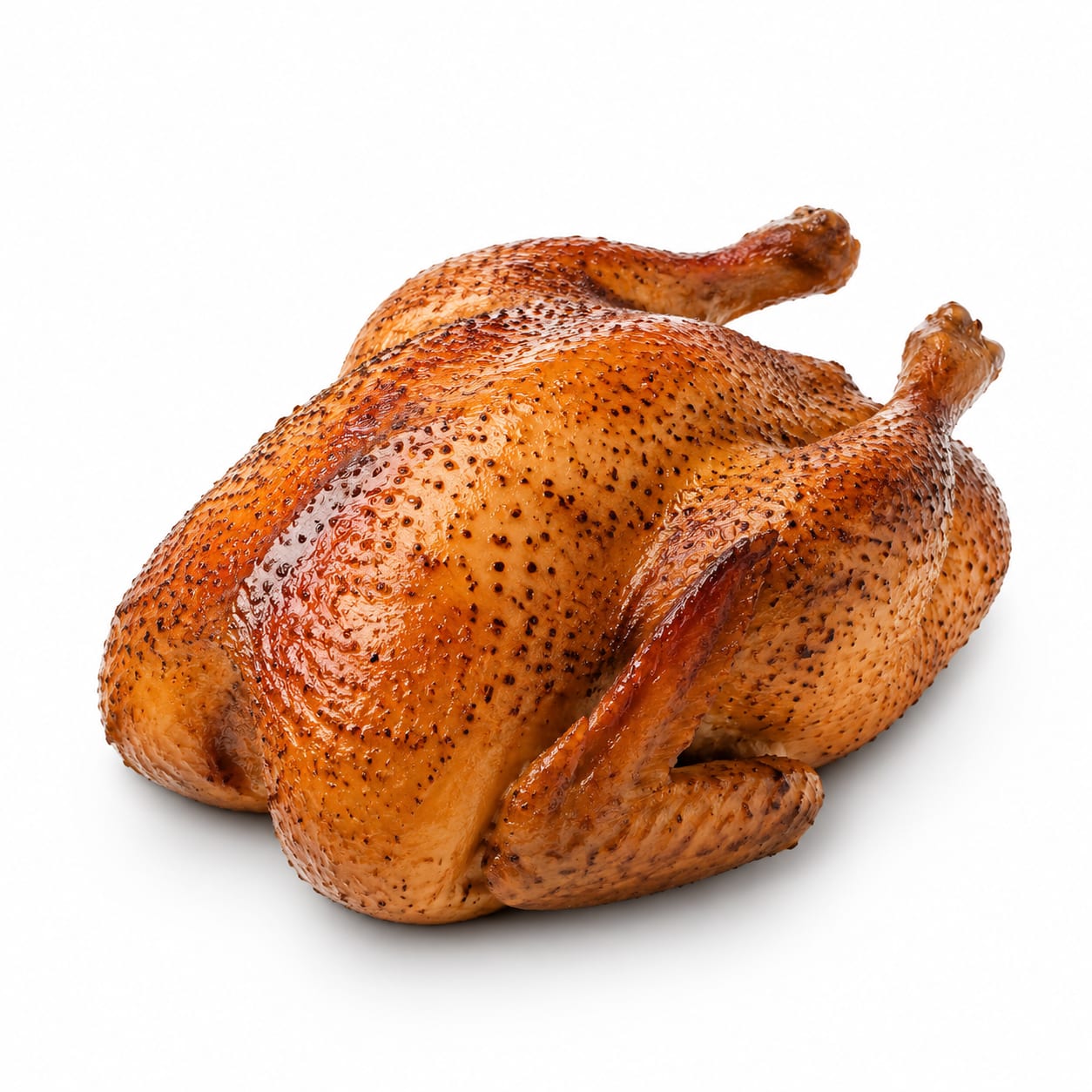
Guinea Fowl
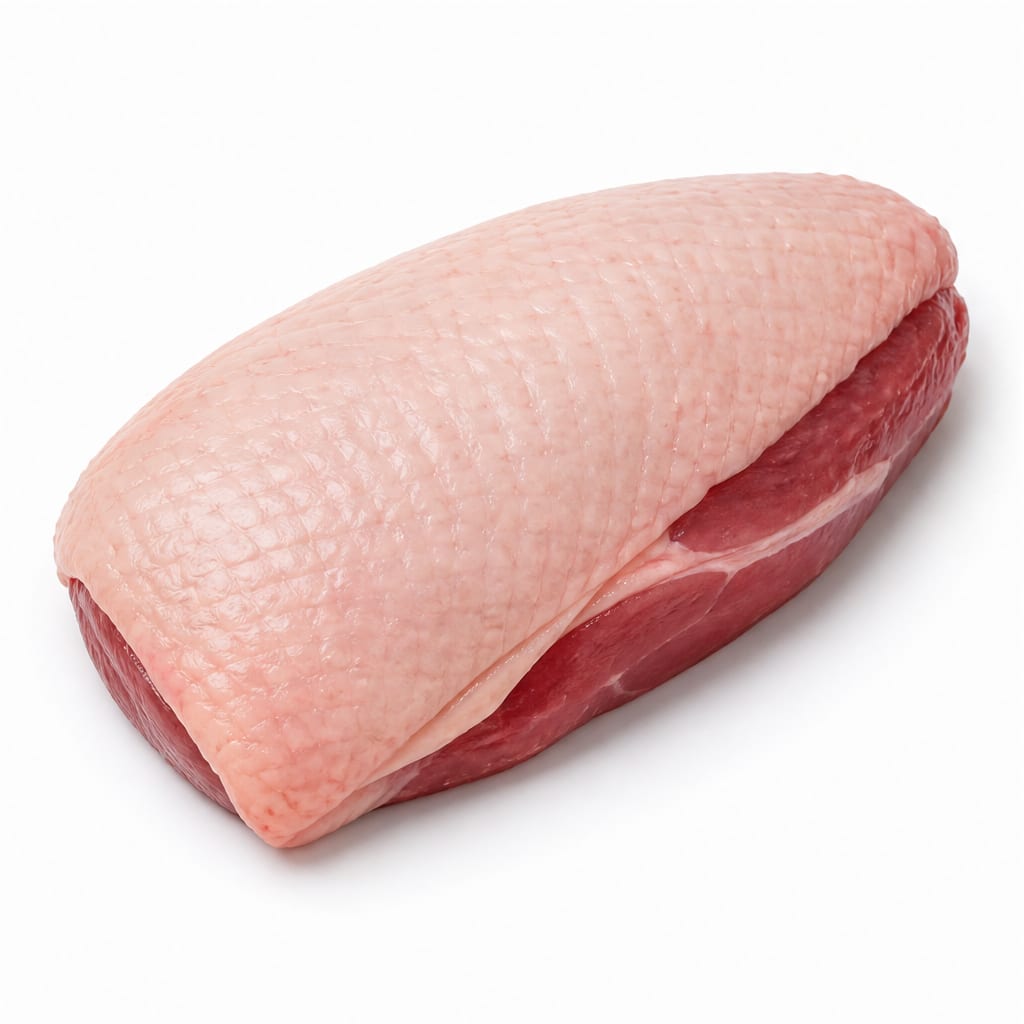
Duck Breast
Guinea Fowl is your lean, everyday protein champion, while Duck Breast is the rich, indulgent, fat-forward option best suited for special occasions or low-carb diets.
Guinea Fowl scores higher overall due to its versatility as a lean daily protein, but Duck Breast remains a strong, nutrient-dense choice for specific dietary contexts like keto.
You are trading the low-calorie leanness of Guinea Fowl for the intense flavor, higher calories, and superior satiety of Duck Breast.
At a glance
Executive summary
Overall
It depends
Healthier
Guinea Fowl
More practical
Guinea Fowl
Daily use
Guinea Fowl
Key comparison lenses
lean vs fatty poultry
The core difference is macronutrient profile: Guinea Fowl is very lean, while Duck Breast is naturally high in fat, driving completely different culinary and dietary uses.
weight management and calorie control
Users comparing these two are often deciding between a low-calorie protein source and a calorie-dense, satiating option.
culinary richness vs daily eating
Duck Breast is typically a rich, occasional dining choice, whereas Guinea Fowl is a lighter, everyday-friendly alternative.
Best choice for
Guinea Fowl
- People counting calories or tracking macros
- Everyday family dinners needing a light protein
- Those seeking high protein with very low fat
- Individuals watching their saturated fat intake
Duck Breast
- Keto and low-carb dieters needing high fat
- Those wanting a rich, filling meal that prevents late-night snacking
- Home cooks preparing a special occasion dinner
- Anyone needing high iron and B-vitamin intake from meat
Least suitable for
Guinea Fowl
- Keto or very low-carb diets requiring high fat
- Those who find lean meats too dry or bland
- People wanting easy, forgiving cooking methods
Duck Breast
- Low-fat or calorie-restricted diets
- Quick weeknight meals requiring fast prep
- Those with high cholesterol watching saturated fat
Deep comparison
Dimension by dimension
Each lens scores both foods and breaks down who each option suits.
- Dimension 1 · Priority 95Guinea Fowl
Calorie Density & Leanness
Guinea Fowl · 92Duck Breast · 55Guinea Fowl delivers high protein with minimal fat, keeping calories low. Duck Breast carries most of its calories in a thick fat layer.
Tradeoff
You sacrifice the rich mouthfeel and calorie density of Duck Breast for the waistline-friendly leanness of Guinea Fowl.
Why it matters
If you eat poultry regularly, the calorie difference dictates whether it supports weight loss or weight gain.
Real-world impact
A Guinea Fowl dinner leaves you satisfied without feeling heavy, whereas Duck Breast feels like a decadent, filling feast.
Guinea Fowl
- Staying within daily calorie limits
- Eating larger portion sizes guilt-free
Better for
- Feeling satisfied on very low-carb diets
Worse for
Duck Breast
- Getting enough calories on a bulk
- Extended fullness without needing snacks
Better for
- Fitting into strict calorie deficits
Worse for
- Dimension 2 · Priority 80Duck Breast
Micronutrient Density
Guinea Fowl · 70Duck Breast · 85Duck Breast is surprisingly rich in iron, zinc, and B vitamins, outperforming leaner white meats like Guinea Fowl.
Tradeoff
You get more blood-building nutrients with Duck Breast, but it comes packaged with more saturated fat.
Why it matters
Iron and B12 are crucial for steady energy and avoiding fatigue, especially for those who don't eat red meat often.
Real-world impact
Eating Duck Breast occasionally can boost iron stores and fight afternoon energy crashes better than leaner poultry.
Guinea Fowl
- Those who already get enough iron from other sources
Better for
- Correcting dietary iron gaps
Worse for
Duck Breast
- Individuals prone to iron deficiency or fatigue
- Those avoiding red meat but needing heme iron
Better for
- Those needing strictly low-saturated-fat diets
Worse for
- Dimension 3 · Priority 85Duck Breast
Satiety & Cravings Control
Guinea Fowl · 75Duck Breast · 90The high fat content in Duck Breast digests slowly, keeping hunger at bay for hours. Guinea Fowl relies purely on protein for fullness.
Tradeoff
Duck Breast stops cravings dead in their tracks but uses a heavy calorie toll to do it. Guinea Fowl is lighter but less lingering in fullness.
Why it matters
Managing hunger is the key to sticking with any eating pattern long-term.
Real-world impact
A Duck Breast dinner usually eliminates the desire for late-night snacking, while a Guinea Fowl meal might leave you looking for a snack an hour later.
Guinea Fowl
- Light eaters who dislike feeling stuffed
Better for
- Stopping intense hunger pangs
Worse for
Duck Breast
- Controlling intense evening cravings
- Long gaps between meals without hunger
Better for
- Eating before a workout or active event
Worse for
- Dimension 4 · Priority 70Guinea Fowl
Cooking Practicality
Guinea Fowl · 80Duck Breast · 60Guinea Fowl cooks simply like a small chicken. Duck Breast requires specific fat-rendering techniques to avoid a chewy, rubbery result.
Tradeoff
Guinea Fowl is forgiving and fast; Duck Breast demands attention and skill to get the skin crispy and the meat medium-rare.
Why it matters
A difficult cooking process makes you less likely to cook the food regularly.
Real-world impact
You can roast Guinea Fowl on a busy Tuesday, but Duck Breast is usually reserved for weekends when you have time to babysit the pan.
Guinea Fowl
- Quick weeknight meal prep
- Beginner home cooks
Better for
- Creating a show-stopping centerpiece dish
Worse for
Duck Breast
- Culinary enthusiasts wanting a challenge
Better for
- Fast, no-fuss weeknight cooking
Worse for
Timeline
Health impact over time
Short-term
Hours to days
Guinea Fowl
- Light, energized feeling after eating
- Quick digestion without sluggishness
- Risk of feeling hungry sooner if not paired with healthy fats
Duck Breast
- Heavy, deeply satisfied fullness
- Long-lasting energy without spikes
- Possible digestive heaviness if overconsumed
Long-term
Months to years
Guinea Fowl
- Supports healthy weight maintenance easily
- Keeps saturated fat intake low for heart health
- Requires pairing with other foods to avoid diet fatigue
Duck Breast
- Excellent for maintaining low-carb lifestyles
- High iron intake prevents anemia-related fatigue
- Frequent consumption may raise saturated fat intake beyond recommended limits
Risk profile
Safety & processing
Both Guinea Fowl and Duck Breast are whole, minimally processed animal proteins. As long as you buy them fresh or frozen without added solutions, they are equally clean.
Guinea Fowl
Bacterial contamination
mediumLike all poultry, Guinea Fowl carries a risk of Salmonella or Campylobacter. Requires strict kitchen hygiene and thorough cooking.
Duck Breast
Bacterial contamination
mediumDuck is also susceptible to Salmonella. Unlike steak, duck breast should generally be cooked to at least medium-rare safety standards.
Dietary cholesterol load
lowWhile not a pathogen, the high cholesterol in duck fat is a health risk factor for sensitive individuals if eaten frequently.
Who wins for whom
Audience fit
Same foods, different winners depending on your goal.
children
Guinea FowlGuinea Fowl has a milder flavor and leaner profile that is easier on a child's digestion and more similar to familiar chicken.
daily consumption
Guinea FowlGuinea Fowl is light enough to eat every day without overwhelming your fat macros, whereas Duck Breast is too heavy for daily use.
diabetes
Guinea FowlWhile both have zero carbs, Guinea Fowl's lower saturated fat content is generally better for the cardiovascular health of diabetics.
elderly
Guinea FowlThe leanness of Guinea Fowl is gentler on a slowing metabolism and keeps saturated fat intake low for heart health.
muscle gain
Guinea FowlThe superior protein-to-calorie ratio in Guinea Fowl supports muscle growth without adding unwanted dietary fat.
weight loss
Guinea FowlGuinea Fowl offers far more volume and protein per calorie, making it far easier to stick to a calorie deficit.
Your move
Decision guide
Choose Guinea Fowl
- You are tracking calories or trying to lose weight
- You want a light, everyday protein that cooks like chicken
- You are watching your saturated fat or cholesterol intake
- You need a simple weeknight dinner without culinary fuss
Choose Duck Breast
- You are on a keto, low-carb, or carnivore diet
- You are cooking a romantic dinner or special occasion meal
- You struggle with cravings and need a meal that keeps you full for hours
- You need a boost of iron and B vitamins
Either works if
- You want high-quality, complete protein with zero carbs
- You are bored with standard chicken and want a poultry upgrade
- You are meal-prepping for a high-protein week
Avoid both if
- You follow a strict plant-based or vegan diet
- You have severe poultry allergies
Final recommendation
Make Guinea Fowl your go-to daily poultry for lean protein and easy cooking. Save Duck Breast for when you want rich flavor, deep satiety, or a special weekend meal. Your body will thank you for keeping the heavy, delicious fat of duck as an occasional treat rather than a daily habit.
Practical
Consumer tips
- 1
Roast Guinea Fowl with the skin on for flavor, but remove the skin before eating to keep it as lean as possible.
- 2
Score the fat on Duck Breast in a crosshatch pattern and start it in a cold pan to render out the fat and get crispy skin.
- 3
Save the rendered duck fat in a jar in the fridge; it is incredible for roasting potatoes later.
- 4
Brine Guinea Fowl before cooking to prevent the lean meat from drying out.
- 5
If the fat content of Duck Breast intimidates you, pair a small portion with a large, leafy green salad to balance the meal.