
Nutrition comparison
Guinea Fowl vs Chicken Thigh: Nutrition, Calories, and Taste Compared
Guinea Fowl vs Chicken Thigh: Which is healthier? Compare calories, fat, protein, and taste to find out which poultry is best for your diet.
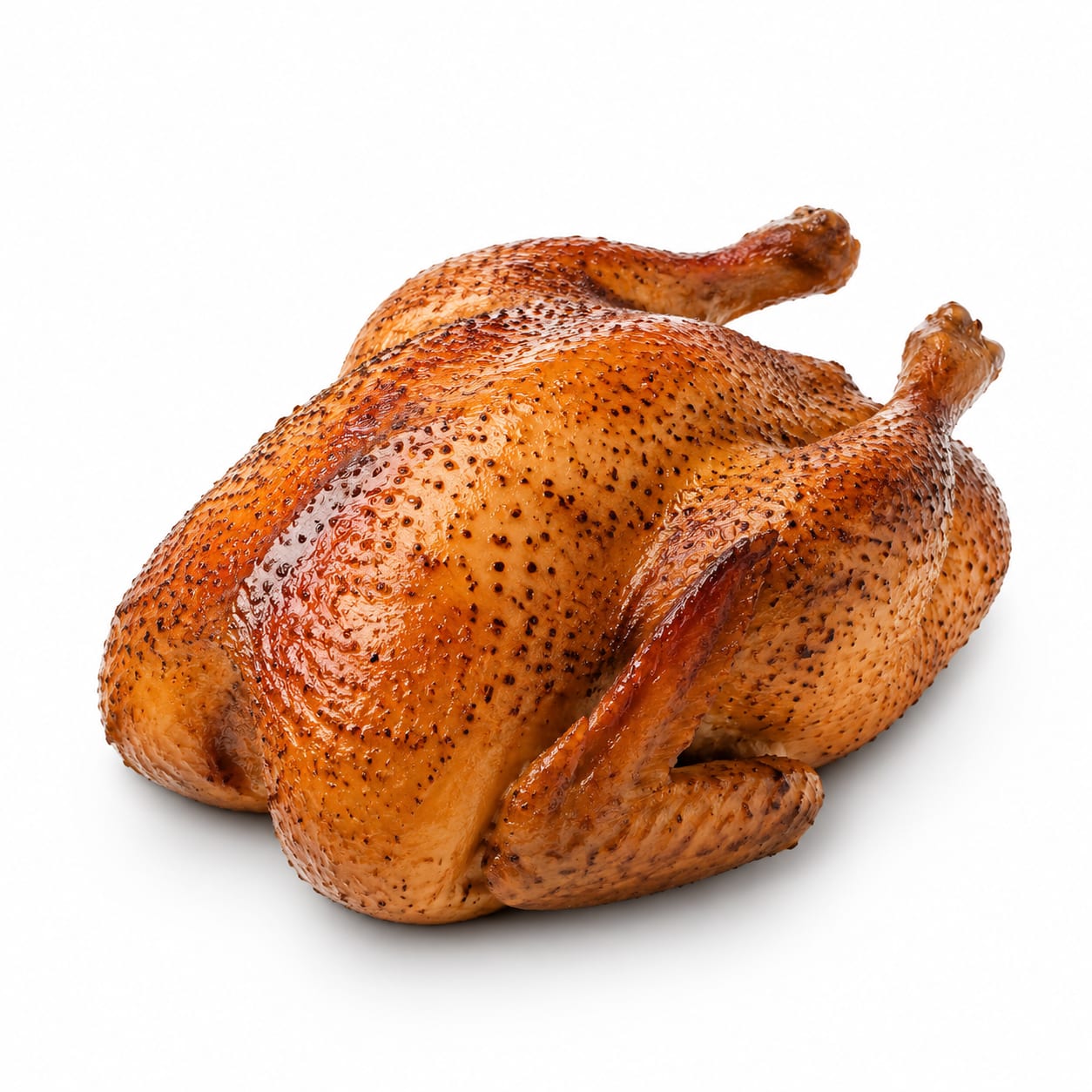
Guinea Fowl
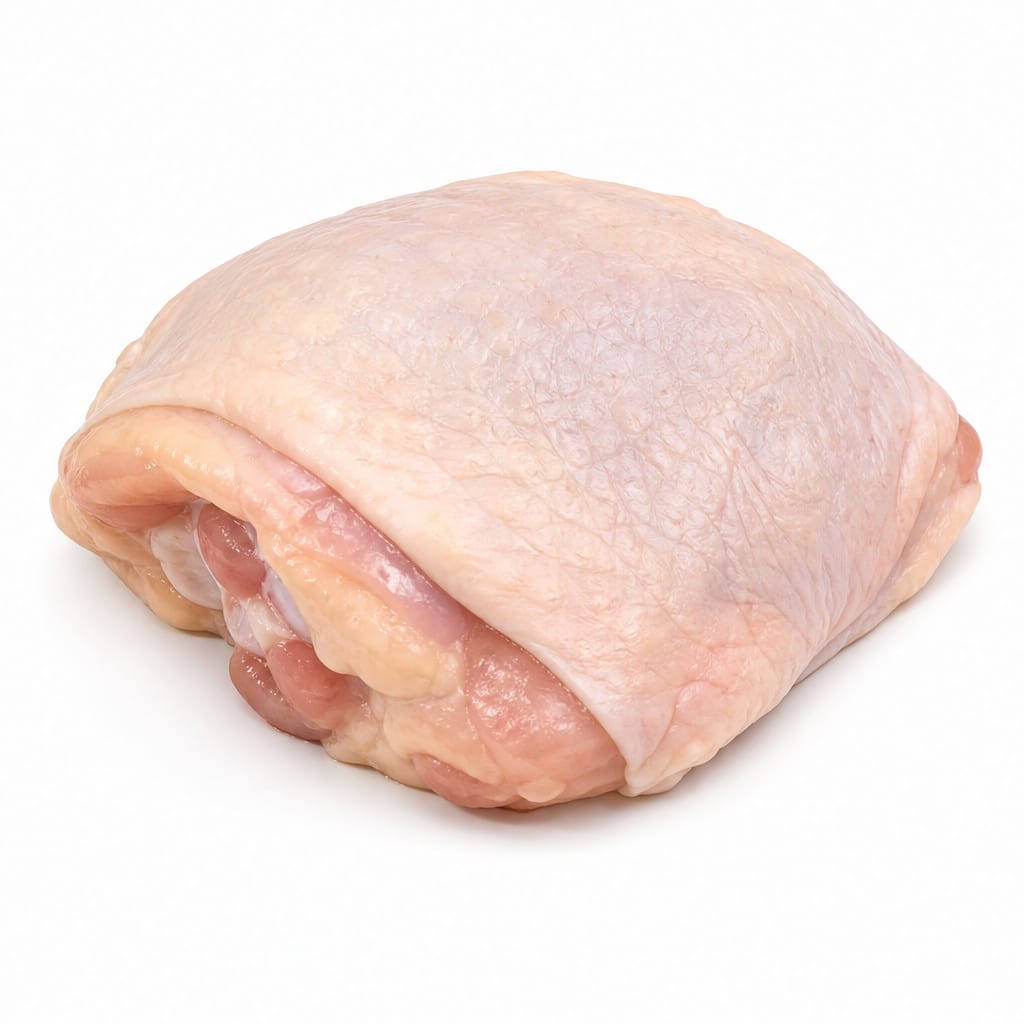
Chicken Thigh
Guinea Fowl is the lean, low-calorie protein powerhouse, while Chicken Thigh offers more satisfying fat, easier availability, and richer juiciness.
Guinea Fowl wins on nutritional leanness and micronutrient density, but Chicken Thigh's unmatched practicality, cost, and culinary forgivingness keep it highly competitive for everyday eating.
Lower calories and fat in Guinea Fowl versus better flavor, juiciness, and affordability in Chicken Thigh.
At a glance
Executive summary
Overall
It depends
Healthier
Guinea Fowl
More practical
Chicken Thigh
Daily use
Chicken Thigh
Key comparison lenses
Lean vs Fatty Protein Choice
Guinea Fowl is notably leaner than Chicken Thigh, making fat and calorie content the primary decision driver.
Everyday Practicality vs Specialty Nutrition
Chicken Thigh is a budget staple found everywhere, while Guinea Fowl is a specialty item with cost and availability barriers.
Satiety and Culinary Experience
The higher fat in Chicken Thigh provides juiciness and fullness, whereas lean Guinea Fowl can dry out easily if overcooked.
Best choice for
Guinea Fowl
- Strict calorie counters
- Low-fat diet followers
- Heart-health conscious eaters
Chicken Thigh
- Budget-friendly meal preppers
- Keto and low-carb dieters
- Flavor-focused home cooks
Least suitable for
Guinea Fowl
- Budget-conscious families
- People who easily overcook lean meats
Chicken Thigh
- Those on strict low-fat protocols
- Aggressive calorie cutters
Deep comparison
Dimension by dimension
Each lens scores both foods and breaks down who each option suits.
- Dimension 1 · Priority 95Guinea Fowl
Calorie Density & Macronutrient Balance
Guinea Fowl · 90Chicken Thigh · 65Guinea Fowl delivers significantly more protein per calorie with far less fat, making it superior for lean diets.
Tradeoff
You sacrifice the rich mouthfeel and natural juiciness that Chicken Thigh's fat provides.
Why it matters
If you are watching your waistline, fat calories add up fast with chicken thighs.
Real-world impact
Eating Guinea Fowl instead of Chicken Thigh saves you roughly 100 calories and 10g of fat per serving.
Guinea Fowl
- Cutting phases
- Macro tracking
- Low-fat diets
Better for
- Those needing a calorie surplus
- Fat-dependent flavor profiles
Worse for
Chicken Thigh
- Keto diets
- High-calorie needs
- Flavor-first meals
Better for
- Strict calorie deficits
- Low-fat protocols
Worse for
- Dimension 2 · Priority 85Chicken Thigh
Satiety & Eating Experience
Guinea Fowl · 70Chicken Thigh · 88Chicken Thigh's higher fat content keeps you full longer and makes the meat much harder to overcook.
Tradeoff
The long-lasting satiety from Chicken Thigh comes with a higher calorie price tag.
Why it matters
Meals that actually satisfy you prevent late-night snacking and diet frustration.
Real-world impact
A Chicken Thigh dinner might keep you full for 5 hours, whereas lean Guinea Fowl might have you reaching for a snack sooner.
Guinea Fowl
- Portion control
- Lighter evening meals
Better for
- People who get hungry quickly after lean meals
Worse for
Chicken Thigh
- Long-lasting fullness
- One-pot meals
- Batch cooking
Better for
- Those who easily overeat fatty foods
Worse for
- Dimension 3 · Priority 90Chicken Thigh
Practicality, Cost & Availability
Guinea Fowl · 40Chicken Thigh · 95Chicken Thigh is cheap, available everywhere, and easy to cook. Guinea Fowl is a specialty item.
Tradeoff
You pay a premium and hunt harder for Guinea Fowl's leanness.
Why it matters
The best protein source is the one you can actually buy and cook consistently.
Real-world impact
Chicken Thighs can be found at any grocery store for a few dollars a pound; Guinea Fowl might require a specialty butcher or online order.
Guinea Fowl
- Special occasion dinners
- Gourmet cooking
Better for
- Budget-conscious shoppers
- Convenience seekers
Worse for
Chicken Thigh
- Weekly meal prep
- Budget households
- Quick weeknight dinners
Better for
- Adventurous eaters seeking variety
Worse for
- Dimension 4 · Priority 70Guinea Fowl
Micronutrient Profile
Guinea Fowl · 82Chicken Thigh · 75Guinea Fowl edges out with slightly higher B-vitamins and iron due to its game bird nature and active muscles.
Tradeoff
The difference is marginal and unlikely to make or break a balanced diet.
Why it matters
Micronutrients support energy and recovery, but both meats are solid sources.
Real-world impact
You will get slightly more energy-supporting nutrients from Guinea Fowl, but not enough to cure a dietary deficiency on its own.
Guinea Fowl
- Anemia-prone individuals
- Nutrient density maximizers
Better for
- Those expecting a massive micronutrient gap
Worse for
Chicken Thigh
- General wellness
- Everyday nutrition
Better for
- People needing top-tier iron intake
Worse for
Timeline
Health impact over time
Short-term
Hours to days
Guinea Fowl
- Lighter post-meal feeling
- Less digestive heaviness
- Quick protein absorption
Chicken Thigh
- Longer-lasting fullness
- More satisfying meal experience
- Potential for sluggishness if overeaten
Long-term
Months to years
Guinea Fowl
- Easier weight management
- Lower saturated fat intake
- Better cardiovascular markers
Chicken Thigh
- Sustained satiety aiding diet adherence
- Higher saturated fat intake requiring moderation
- Consistent affordable protein access
Risk profile
Safety & processing
Both are whole, unprocessed meats. Guinea Fowl is often raised in more free-range or game environments, while Chicken Thighs vary widely from factory-farmed to organic.
Guinea Fowl
Bacterial contamination
mediumLike all poultry, Guinea Fowl must be cooked thoroughly to eliminate the risk of Salmonella or Campylobacter.
Chicken Thigh
Bacterial contamination
highChicken is a well-known carrier of Salmonella; strict kitchen hygiene and proper cooking are essential.
Antibiotic residues
mediumConventional chicken farming often uses antibiotics; choosing organic or free-range reduces this risk.
Who wins for whom
Audience fit
Same foods, different winners depending on your goal.
children
Chicken ThighChicken Thigh is more tender, easier to chew, and has a milder, more kid-friendly flavor.
daily consumption
Chicken ThighAffordability and availability make Chicken Thigh a much more realistic daily staple.
diabetes
Guinea FowlLower saturated fat content helps with insulin sensitivity, though both are zero-carb.
elderly
Guinea FowlLower saturated fat supports heart health, which is crucial for older adults.
muscle gain
Chicken ThighChicken Thigh provides the extra calories and fat needed for a bulking phase alongside high protein.
weight loss
Guinea FowlGuinea Fowl's low calorie and fat content make it much easier to fit into a strict calorie deficit.
Your move
Decision guide
Choose Guinea Fowl
- You are strictly counting calories or macros
- You want a lean, gourmet alternative to everyday chicken
- Heart health and lowering saturated fat are top priorities
Choose Chicken Thigh
- You are on a budget and need affordable protein
- You prioritize juicy, forgiving meat for cooking
- You are on a keto or low-carb, high-fat diet
Either works if
- You just need a solid, zero-carb protein source
- You enjoy rotating different poultry types for variety
Avoid both if
- You follow a plant-based or vegetarian diet
- You have severe poultry allergies
Final recommendation
Choose Guinea Fowl for lean, low-calorie nutrition and a gourmet twist. Stick with Chicken Thigh for everyday value, juiciness, and meal-prep practicality.
Practical
Consumer tips
- 1
If cooking Guinea Fowl, brine it first to prevent it from drying out since it lacks the fat of Chicken Thighs.
- 2
For Chicken Thighs, trimming visible skin and fat can significantly close the calorie gap with Guinea Fowl.
- 3
Buy organic or free-range Chicken Thighs to reduce antibiotic and pesticide exposure.
- 4
Use a meat thermometer for both; Guinea Fowl is lean and overcooks easily, while Chicken Thighs stay juicy past 165°F.