
Nutrition comparison
Guinea Fowl vs Rabbit: Nutrition, Protein, and Health Comparison
Compare Guinea Fowl and Rabbit to find the best lean protein. Learn about rabbit starvation risk, protein density, and which meat is better for your diet.
Overall winner · Guinea Fowl
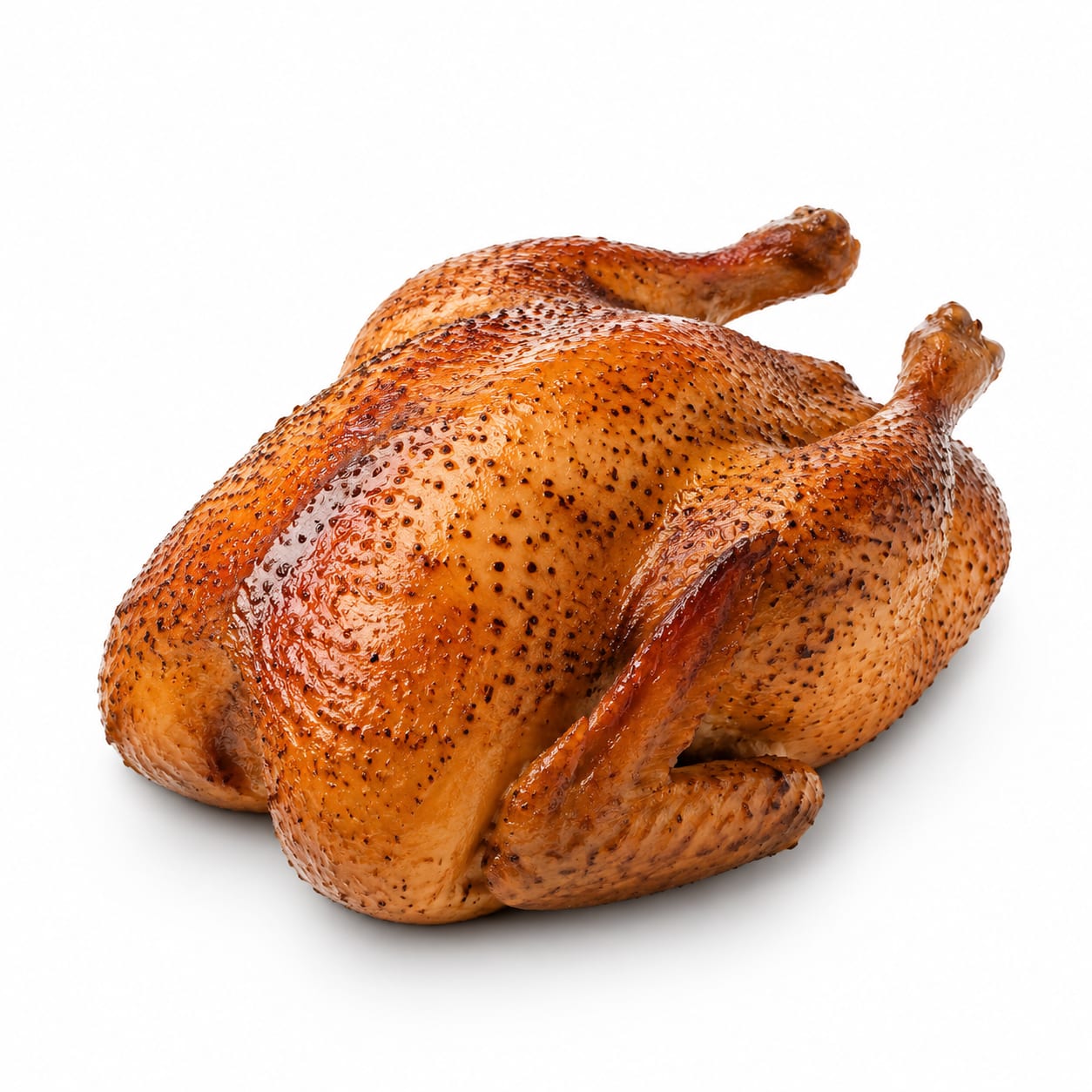
Guinea Fowl
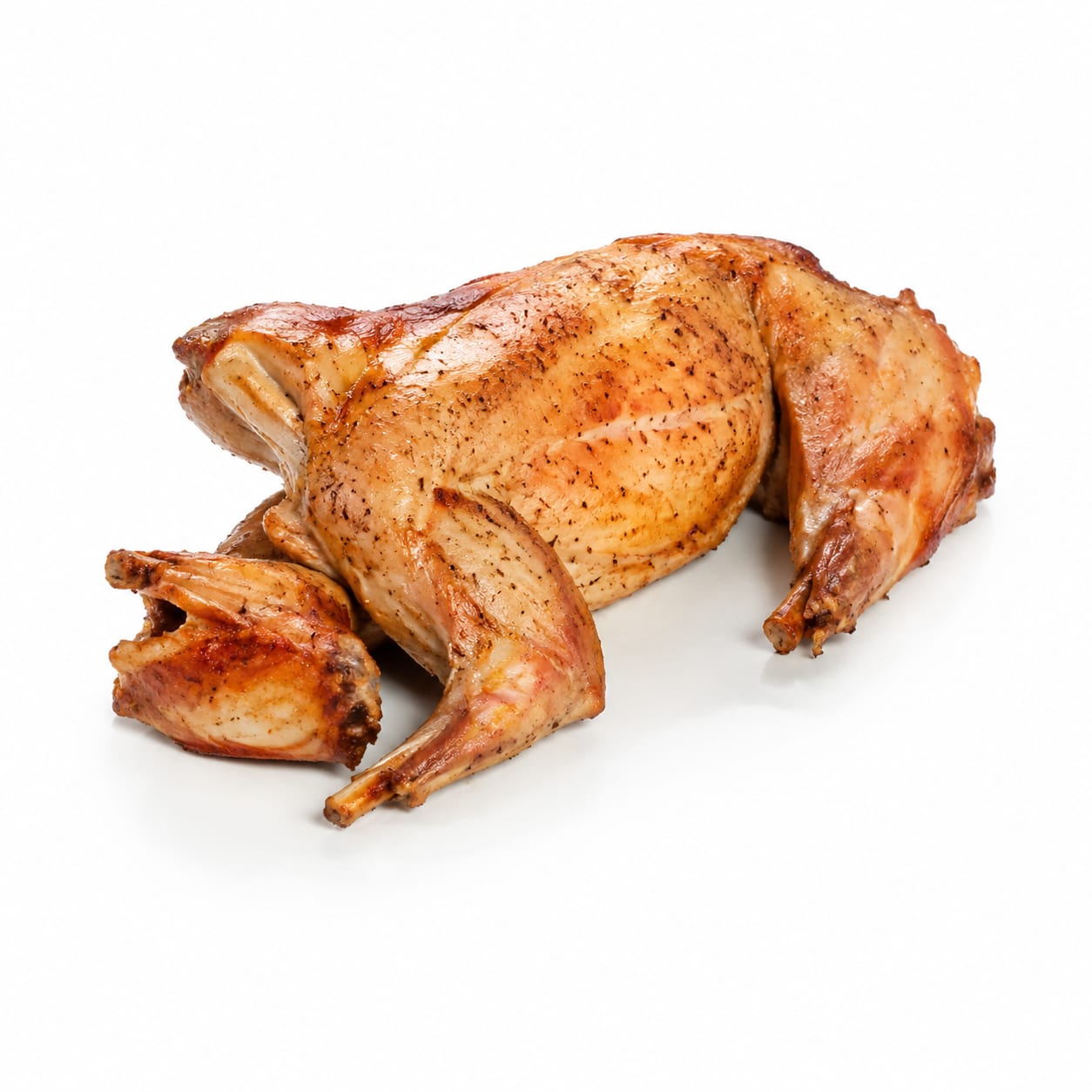
Rabbit
Guinea Fowl provides a more balanced and practical lean protein, while Rabbit offers extreme leanness that requires careful dietary pairing.
Guinea Fowl scores slightly higher for everyday practicality and dietary balance, while Rabbit scores high for protein density but loses points for extreme leanness requiring careful dietary pairing.
Maximum protein-to-calorie ratio (Rabbit) versus better fat content for satiety and cooking ease (Guinea Fowl).
At a glance
Executive summary
Overall
Guinea Fowl
Healthier
Guinea Fowl
More practical
Guinea Fowl
Daily use
Guinea Fowl
Key comparison lenses
Lean Protein Comparison
Both are exceptionally lean meats, but Rabbit is famous for its near-zero fat content.
Dietary Balance and Satiety
Rabbit's lack of fat can lead to 'rabbit starvation' if eaten alone, while Guinea Fowl offers a more balanced macro profile.
Culinary Versatility
Guinea Fowl is more forgiving to cook, whereas Rabbit easily dries out due to its extreme leanness.
Best choice for
Guinea Fowl
- Everyday lean protein needs
- People who want forgiving, easy-to-cook meat
- Balanced low-fat diets
Rabbit
- Extreme cutting phases
- Bodybuilders seeking maximum protein per calorie
- Traditional slow-cooked game recipes
Least suitable for
Guinea Fowl
- Those seeking near-zero fat intake
- Very low-calorie crash diets requiring extreme macro manipulation
Rabbit
- Survival situations with no other fat sources
- People who struggle with dry meats
Deep comparison
Dimension by dimension
Each lens scores both foods and breaks down who each option suits.
- Dimension 1 · Priority 95Rabbit
Protein Density
Guinea Fowl · 85Rabbit · 93Rabbit packs slightly more protein per calorie than Guinea Fowl, making it a favorite for strict macro trackers.
Tradeoff
You get more protein in Rabbit, but almost zero fat to help absorb fat-soluble vitamins.
Why it matters
If you are in a strict cutting phase, Rabbit gives you maximum protein with minimal calories.
Real-world impact
Rabbit helps hit high protein targets without blowing your calorie budget, but you must add fat elsewhere.
Guinea Fowl
- Balanced muscle maintenance
- Easier post-workout recovery with natural fats
Better for
- Zero-fat diet requirements
Worse for
Rabbit
- Extreme calorie deficits
- Bodybuilding contest prep
Better for
- Meals without any added fat sources
Worse for
- Dimension 2 · Priority 90Guinea Fowl
Fat Content and Satiety
Guinea Fowl · 82Rabbit · 55Guinea Fowl has enough natural fat to keep you satisfied, while Rabbit is so lean it can leave you hungry quickly.
Tradeoff
Rabbit's extreme leanness means you stay hungry unless you add fats, whereas Guinea Fowl provides built-in satiety.
Why it matters
Satiety prevents overeating later in the day, making fat-containing proteins easier to stick with.
Real-world impact
Eating Rabbit for lunch without a dressing or side of nuts might have you reaching for a snack an hour later.
Guinea Fowl
- Staying full between meals
- One-pot meals that need natural richness
Better for
- Strict low-fat medical diets
Worse for
Rabbit
- Controlling total fat macros precisely
- Pairing with specific healthy fats like avocado
Better for
- People who get hungry easily on lean meats
Worse for
- Dimension 3 · Priority 80Rabbit
Micronutrient Profile
Guinea Fowl · 78Rabbit · 86Rabbit is richer in Vitamin B12 and selenium, offering a stronger micronutrient punch per serving.
Tradeoff
Rabbit has more B12 and selenium, but you need dietary fat to absorb them effectively.
Why it matters
B12 is crucial for nerve function and energy, and both meats deliver, but Rabbit takes the lead.
Real-world impact
Eating Rabbit can give you an edge in preventing B12 deficiency, as long as you pair it with fat for absorption.
Guinea Fowl
- Niacin intake for skin and nerve health
Better for
- Those needing maximum B12 from a single source
Worse for
Rabbit
- Maximizing B12 and selenium intake
- Supporting thyroid function with selenium
Better for
- Fat-soluble vitamin absorption without added fats
Worse for
- Dimension 4 · Priority 75Guinea Fowl
Culinary Versatility and Ease
Guinea Fowl · 84Rabbit · 65Guinea Fowl is far more forgiving to cook, while Rabbit easily becomes tough and dry.
Tradeoff
Rabbit requires careful braising or fat-addition to stay tender, whereas Guinea Fowl roasts beautifully with less effort.
Why it matters
If a meat is hard to cook well, you are less likely to include it in your weekly rotation.
Real-world impact
A quick weeknight roast works perfectly for Guinea Fowl, but Rabbit demands a slow braise to avoid chewing on leather.
Guinea Fowl
- Quick weeknight dinners
- Roasting and grilling
Better for
- Authentic game stews that rely on very lean meat
Worse for
Rabbit
- Slow-cooked stews
- Traditional European game recipes
Better for
- Quick, high-heat cooking methods
Worse for
Timeline
Health impact over time
Short-term
Hours to days
Guinea Fowl
- Provides steady, satisfying energy without feeling heavy
- Easy on the stomach with balanced macros
Rabbit
- Can feel too light, leaving you hungry shortly after eating
- Requires conscious pairing with fats to feel satisfied
Long-term
Months to years
Guinea Fowl
- Sustainable for daily lean protein intake without macro manipulation
- Supports heart health with balanced cholesterol and fat
Rabbit
- Excellent for long-term weight management if diet is well-planned
- Risk of 'rabbit starvation' (protein poisoning) if eaten as the sole food source without fat
Risk profile
Safety & processing
Both Guinea Fowl and Rabbit are whole, minimally processed game meats with virtually no artificial additives when purchased fresh.
Guinea Fowl
Poultry Bacteria (Salmonella/Campylobacter)
mediumLike all poultry, Guinea Fowl must be cooked to an internal temperature of 165°F to eliminate harmful bacteria.
Rabbit
Tularemia (Rabbit Fever)
mediumWild Rabbit can carry this bacterial disease; thorough cooking eliminates the risk, but handling raw wild game requires care.
Protein Poisoning
mediumEating Rabbit exclusively without fat sources can lead to 'rabbit starvation', causing diarrhea, fatigue, and malnutrition.
Who wins for whom
Audience fit
Same foods, different winners depending on your goal.
children
Guinea FowlGuinea Fowl is easier to chew, more tender, and provides healthy fats essential for childhood development.
daily consumption
Guinea FowlGuinea Fowl fits seamlessly into a normal diet without requiring macro adjustments or special cooking techniques.
diabetes
It dependsBoth are zero-carb options that will not spike blood sugar, making them equally excellent for diabetic diets.
elderly
Guinea FowlThe natural fat in Guinea Fowl aids in the absorption of vital nutrients and makes the meat easier to swallow and digest.
muscle gain
Guinea FowlGuinea Fowl provides a more balanced protein-to-fat ratio, which supports hormone synthesis and makes eating larger portions easier.
weight loss
RabbitRabbit offers maximum protein with minimal calories, though you must add healthy fats to avoid hunger.
Your move
Decision guide
Choose Guinea Fowl
- You want a forgiving, easy-to-cook lean protein for weeknight dinners
- You prefer a single-ingredient meal that keeps you full without extra additions
- You are looking for a sustainable daily protein source
Choose Rabbit
- You are tracking macros strictly and need maximum protein per calorie
- You enjoy slow-cooking and braising game meats
- You are pairing your meat with other healthy fat sources like olive oil or avocado
Either works if
- You want a zero-carb, gluten-free protein source
- You enjoy the distinct flavor of game meats over standard chicken or beef
Avoid both if
- You follow a plant-based or vegetarian diet
- You have severe gout and are highly sensitive to purines
Final recommendation
Choose Guinea Fowl for a balanced, everyday lean protein that is easy to cook and satisfying. Opt for Rabbit only if you are strictly tracking macros and willing to pair it with external fat sources to avoid the pitfalls of its extreme leanness.
Practical
Consumer tips
- 1
Always cook Guinea Fowl to an internal temperature of 165°F (74°C) to ensure safety from poultry bacteria.
- 2
Never eat Rabbit exclusively for extended periods without adding fat to your diet to avoid 'rabbit starvation'.
- 3
Braise or stew Rabbit to keep it tender; its extreme leanness makes it dry out quickly with dry-heat cooking.
- 4
Pair Rabbit with olive oil, nuts, or avocado to ensure you absorb its fat-soluble vitamins like B12.