
Nutrition comparison
Guinea Fowl vs Cornish Hen: Nutrition, Flavor, and Which to Choose
Compare guinea fowl and Cornish hen on protein, fat, flavor, farming quality, and cooking ease. Find out which lean poultry is better for your goals.
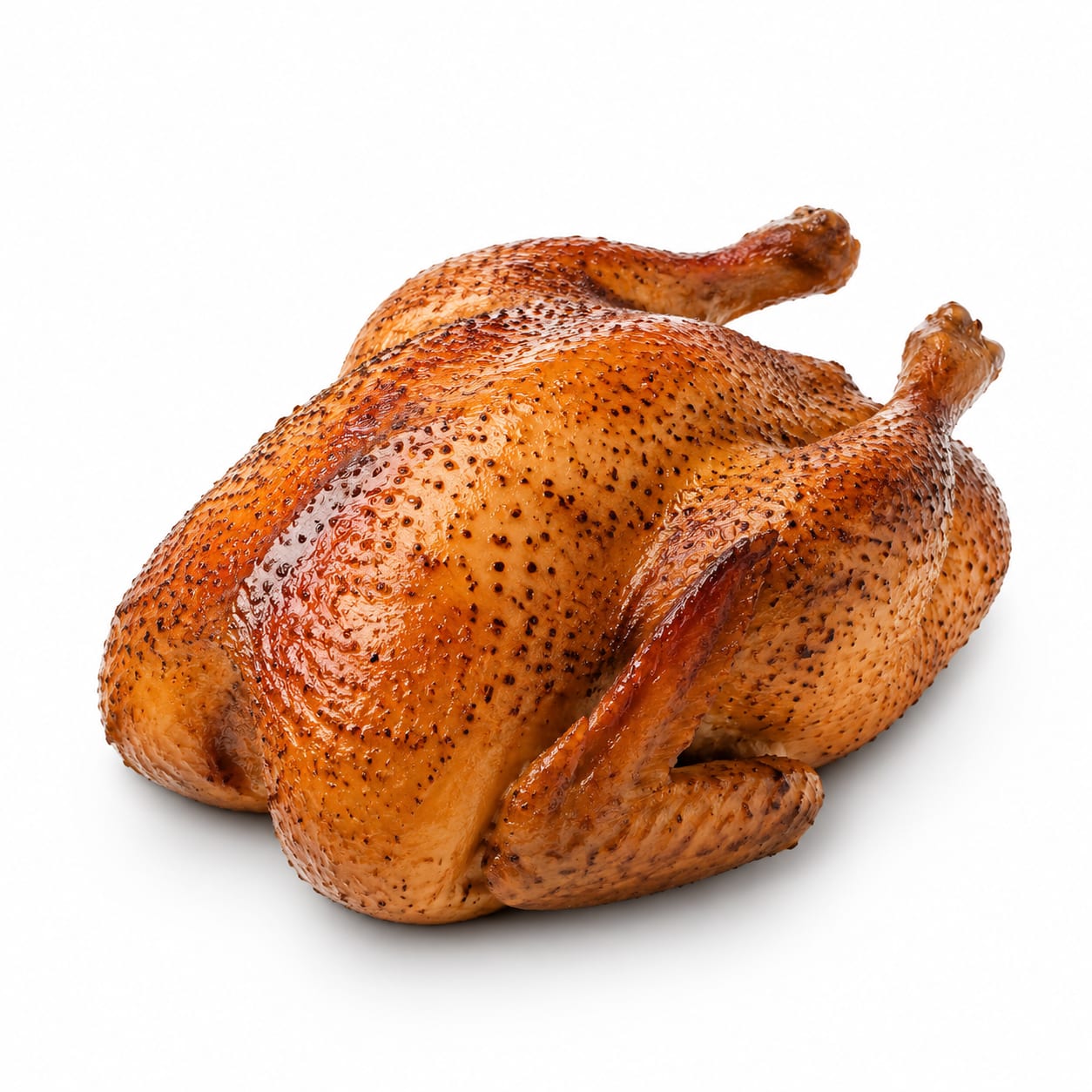
Guinea Fowl
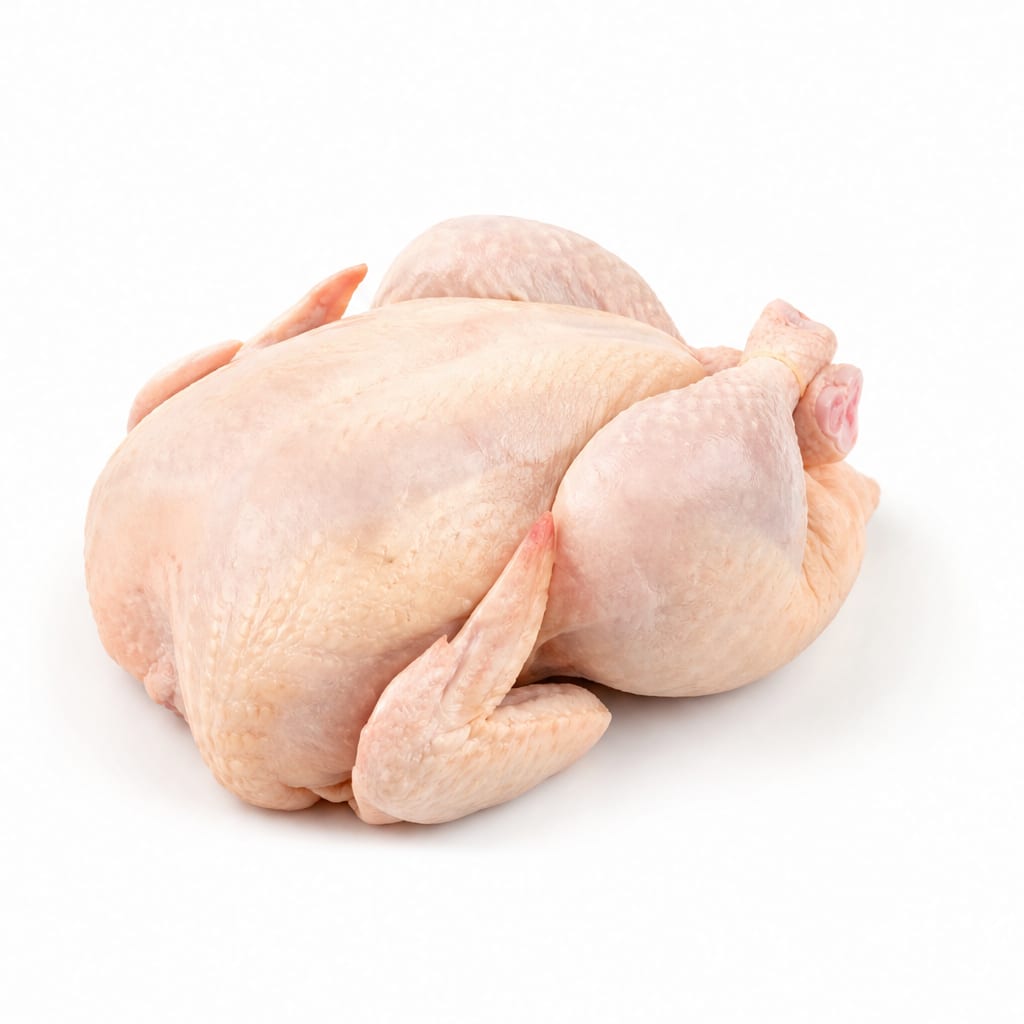
Cornish Hen
Guinea fowl wins on leanness and nutrient density; Cornish hen wins on tenderness, availability, and ease of cooking.
Guinea fowl scores slightly higher for nutritional quality and cleaner farming, but Cornish hen stays competitive thanks to practicality and broader appeal. The narrow gap reflects how much convenience matters in real-world choices.
You trade richer flavor and lower fat for convenience and milder taste — neither is wrong, just different priorities.
At a glance
Executive summary
Overall
It depends
Healthier
Guinea Fowl
More practical
Cornish Hen
Daily use
Cornish Hen
Key comparison lenses
lean protein comparison for health-conscious eaters
Both are poultry but guinea fowl is significantly leaner, making protein-to-fat ratio a primary decision driver
flavor intensity and culinary experience tradeoff
Guinea fowl offers a gamey, robust flavor while Cornish hen delivers mild, familiar taste — a key choosing factor
farming quality and antibiotic exposure
Guinea fowl is typically raised with fewer antibiotics and more natural conditions than commercially produced Cornish hens
cooking ease and everyday practicality
Cornish hen is easier to find, cook, and serve, while guinea fowl requires more skill and sourcing effort
Best choice for
Guinea Fowl
- Lean protein seekers watching fat intake closely
- Adventurous eaters wanting deeper, gamey flavor
- People prioritizing naturally raised poultry with lower antibiotic exposure
- Nutrient-density optimizers wanting more vitamins per calorie
Cornish Hen
- Weeknight cooks needing reliable, easy-to-prepare protein
- Families with kids who prefer mild, familiar flavors
- Hosts wanting an elegant but foolproof dinner centerpiece
- Anyone who values tenderness over intensity
Least suitable for
Guinea Fowl
- Inexperienced cooks who might dry out lean meat
- People who dislike gamey or intense poultry flavors
- Shoppers with limited access to specialty butchers
- Those wanting quick, no-fuss meal prep
Cornish Hen
- Strict low-fat dieters tracking every gram
- Consumers concerned about conventional poultry farming practices
- Anyone seeking bold, distinctive flavor profiles
- People avoiding commercially raised poultry
Deep comparison
Dimension by dimension
Each lens scores both foods and breaks down who each option suits.
- Dimension 1 · Priority 93Guinea Fowl
Protein Quality and Leanness
Guinea Fowl · 88Cornish Hen · 72Guinea fowl delivers more protein with noticeably less fat, making it the cleaner choice for body composition goals.
Tradeoff
That leanness means guinea fowl dries out faster if overcooked, while Cornish hen stays juicier more easily.
Why it matters
If you are tracking macros or trying to reduce dietary fat without sacrificing protein, this difference adds up over weeks.
Real-world impact
A guinea fowl dinner leaves you feeling lighter but still satisfied; Cornish hen feels richer and more indulgent on the plate.
Guinea Fowl
- Cutting phases where every fat gram counts
- High-protein diets needing lean variety beyond chicken breast
Better for
- Inexperienced cooks who struggle with timing lean meats
- Slow-cooked recipes that rely on fat for moisture
Worse for
Cornish Hen
- Meals where juiciness matters more than macro precision
- Comfort food nights when dry meat would ruin the experience
Better for
- Strict calorie or fat tracking that penalizes higher-fat cuts
- Anyone bored with mild poultry and wanting bolder taste
Worse for
- Dimension 2 · Priority 85It depends
Flavor Depth and Culinary Experience
Guinea Fowl · 82Cornish Hen · 78Guinea fowl brings a distinctive, slightly gamey richness that elevates special meals; Cornish hen offers gentle, crowd-pleasing flavor.
Tradeoff
Bold flavor excites food lovers but alienates picky eaters; mildness is safer but less memorable.
Why it matters
The right choice depends entirely on who is eating and whether the meal is about adventure or comfort.
Real-world impact
Guinea fowl makes a dinner feel like an occasion; Cornish hen makes it feel like a reliable classic.
Guinea Fowl
- Food enthusiasts who enjoy gamey, complex flavors
- Special occasion meals where something different matters
Better for
- Guests who find gamey flavors off-putting
- Recipes where delicate subtlety is the goal
Worse for
Cornish Hen
- Kids and adults who prefer familiar, mild poultry taste
- Dinner parties where you cannot risk anyone disliking the main course
Better for
- Adventurous eaters who find it too similar to regular chicken
- Cuisines that benefit from stronger poultry flavor as a base
Worse for
- Dimension 3 · Priority 88Guinea Fowl
Nutrient Density Per Calorie
Guinea Fowl · 85Cornish Hen · 73Guinea fowl packs more B vitamins, selenium, and iron per calorie because there is less fat diluting the nutrient total.
Tradeoff
Cornish hen still provides solid nutrition — just with more calories from fat accompanying those same vitamins.
Why it matters
When you are trying to maximize nutrition without overeating, denser is better.
Real-world impact
Over a month of regular consumption, guinea fowl delivers more micronutrients for fewer calories — a quiet but meaningful advantage.
Guinea Fowl
- Anyone eating in a calorie deficit who needs nutrients to count
- Older adults needing efficient B12 and iron intake
Better for
- Very active individuals who actually benefit from extra dietary fat
- Situations where calorie density is desirable
Worse for
Cornish Hen
- Active people who do not need to minimize calories
- Those getting adequate micronutrients from other sources already
Better for
- Weight management plans where extra fat calories are counterproductive
- People relying on poultry as their primary nutrient source
Worse for
- Dimension 4 · Priority 80Cornish Hen
Availability and Cooking Practicality
Guinea Fowl · 52Cornish Hen · 89Cornish hen is easy to find in any grocery store and forgiving to cook; guinea fowl requires specialty sourcing and careful technique.
Tradeoff
Convenience comes at the cost of less interesting flavor and potentially lower farming standards.
Why it matters
The best protein on paper means nothing if you cannot find it or cook it well.
Real-world impact
Cornish hen is a Tuesday night option; guinea fowl is more of a planned weekend project.
Guinea Fowl
- Home cooks near specialty butchers or farmers markets
- Experienced cooks confident with lean game birds
Better for
- Rural areas with limited specialty meat access
- Beginners who will likely overcook it and blame the bird
Worse for
Cornish Hen
- Busy households needing grab-and-cook protein
- Anyone without access to specialty poultry suppliers
Better for
- Cooks wanting to impress with something unusual
- Those willing to invest effort for superior flavor
Worse for
- Dimension 5 · Priority 76Guinea Fowl
Farming Standards and Antibiotic Exposure
Guinea Fowl · 80Cornish Hen · 60Guinea fowl is typically raised in more natural conditions with fewer antibiotics; Cornish hens are often conventionally farmed.
Tradeoff
Better farming practices come with higher prices and harder sourcing.
Why it matters
Long-term exposure to antibiotic residues in poultry is a real health concern, even at low levels.
Real-world impact
Choosing guinea fowl reduces your cumulative antibiotic exposure from poultry — a small but meaningful reduction over years.
Guinea Fowl
- People actively reducing antibiotic exposure from animal products
- Consumers who prioritize naturally raised meats
Better for
- Anyone assuming all guinea fowl is automatically free-range without checking
- Budget-limited households
Worse for
Cornish Hen
- Budget-conscious shoppers who cannot premium for specialty poultry
- Those who verify organic or antibiotic-free Cornish hen sources
Better for
- Consumers worried about conventional poultry industry practices
- Parents wanting to minimize kids' antibiotic exposure from food
Worse for
Timeline
Health impact over time
Short-term
Hours to days
Guinea Fowl
- Lighter post-meal feeling due to lower fat content
- Higher satiety per calorie from denser protein
- Risk of dry, less satisfying meal if overcooked
Cornish Hen
- More comfortable, juicy eating experience
- Slightly heavier feeling after eating due to higher fat
- Familiar digestion — no surprises for most people
Long-term
Months to years
Guinea Fowl
- Lower cumulative dietary fat intake supports heart health
- Reduced antibiotic exposure from cleaner farming practices
- Greater micronutrient intake efficiency over time
Cornish Hen
- Consistent protein intake with reliable availability
- Potential for higher saturated fat intake if eaten frequently
- Antibiotic exposure risk depends heavily on sourcing
Risk profile
Safety & processing
Both are whole, unprocessed poultry — neither contains additives on its own. The real difference is in farming practices, not processing. Guinea fowl generally comes from smaller operations with fewer chemical inputs.
Guinea Fowl
Campylobacter and Salmonella contamination
mediumLike all poultry, guinea fowl requires thorough cooking. No higher risk than chicken, but less familiar handling may lead to uneven cooking.
Wild-sourced contamination
lowIf hunted rather than farmed, wild guinea fowl may carry parasites or environmental contaminants. Farmed birds avoid this concern.
Cornish Hen
Salmonella from conventional farming
mediumCommercially raised Cornish hens carry standard poultry contamination risks. Proper handling and cooking eliminates danger.
Antibiotic-resistant bacteria
mediumConventionally farmed Cornish hens may carry resistant bacteria due to routine antibiotic use in large-scale operations.
Who wins for whom
Audience fit
Same foods, different winners depending on your goal.
children
Cornish HenMilder flavor and tender texture make Cornish hen far more appealing to kids, and it is easier to cook safely.
daily consumption
Cornish HenAvailability, ease of cooking, and familiar taste make Cornish hen more sustainable as a regular protein source.
diabetes
Guinea FowlLower fat content and higher protein density support better insulin sensitivity and steadier blood sugar.
elderly
Cornish HenTender, easy-to-chew meat and simpler preparation make Cornish hen more practical for older adults.
muscle gain
Guinea FowlHigher protein density per calorie supports muscle building with less excess fat intake.
weight loss
Guinea FowlFewer calories from fat and more protein per serving make guinea fowl the leaner choice for fat loss.
Your move
Decision guide
Choose Guinea Fowl
- You want the leanest poultry option with the most nutrients per calorie
- You enjoy or want to explore gamey, complex flavors
- You are concerned about antibiotic exposure in conventional poultry
- You are cooking for food lovers who appreciate something different
Choose Cornish Hen
- You need reliable, easy-to-find protein for weeknight meals
- You are feeding picky eaters or children who prefer mild flavors
- You want a forgiving bird that stays juicy with minimal cooking skill
- You are hosting and cannot risk a polarizing main course
Either works if
- You simply want quality whole-food protein and both are available
- You rotate proteins regularly and neither will dominate your diet
- You are eating poultry only occasionally, so the differences barely accumulate
Avoid both if
- You follow a plant-based diet
- You have poultry allergies or sensitivities
- You cannot ensure safe handling and thorough cooking
Final recommendation
Choose guinea fowl when nutrition per calorie and cleaner farming matter most; choose Cornish hen when convenience, tenderness, and crowd appeal take priority. Both are solid whole-food proteins — the better pick depends on what your week actually looks like.
Practical
Consumer tips
- 1
If cooking guinea fowl for the first time, brine it for 2-4 hours to prevent dryness — the lean meat needs the moisture buffer.
- 2
Cornish hen benefits from simple roasting with butter and herbs; guinea fowl shines with bold seasonings like juniper, thyme, or garlic.
- 3
Ask your butcher about sourcing for either bird — antibiotic-free Cornish hen closes the farming gap significantly.
- 4
Guinea fowl pairs well with robust sides like roasted root vegetables; Cornish hen suits lighter pairings like wild rice or green salads.
- 5
If you cannot find guinea fowl locally, check online specialty meat suppliers — it is worth trying at least once to decide if the flavor is for you.