
Nutrition comparison
Guinea Fowl vs Quail: Nutrition, Taste, and Practicality Compared
Comparing Guinea Fowl and Quail? Discover which lean game bird offers better protein, easier meal prep, and the right fit for your dinner table.
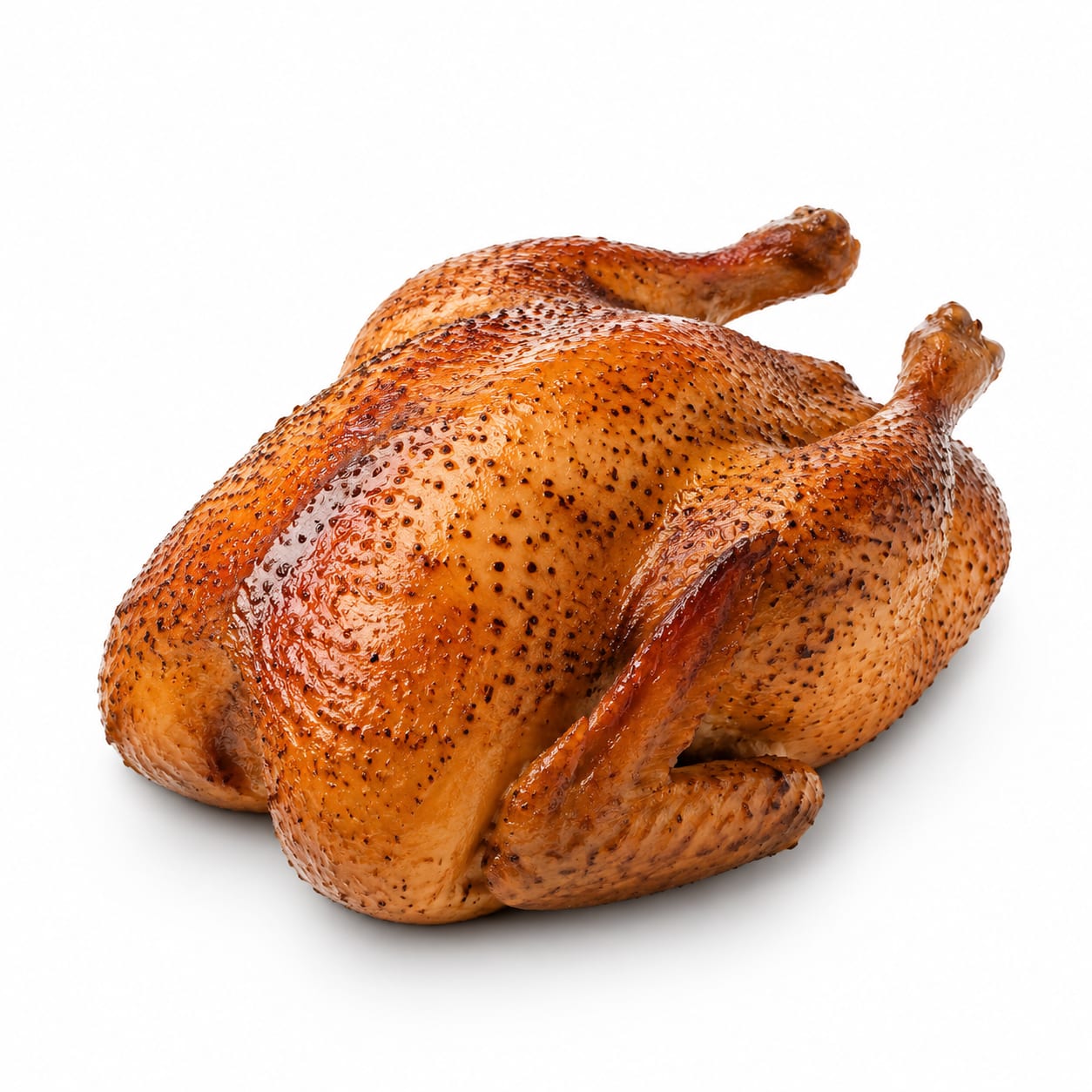
Guinea Fowl
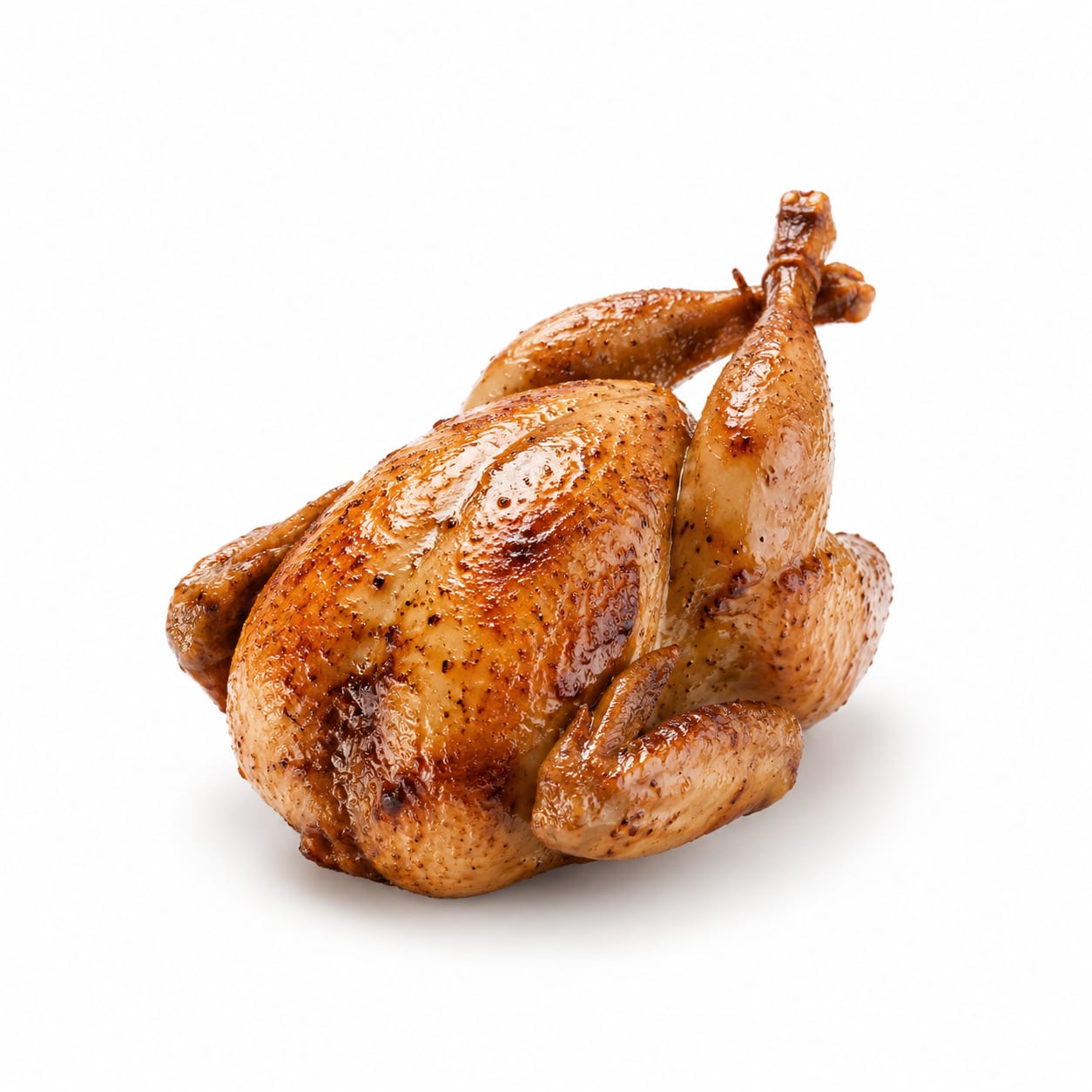
Quail
Guinea Fowl wins on meal practicality and satisfying portions, while Quail offers a nutrient-dense, bite-sized delicacy but requires multiple birds for a real meal.
Guinea Fowl scores higher due to its practicality as a standalone meal and better satiety per serving. Quail is nutritionally superb but its tiny portion size makes it less viable as an everyday protein staple.
Eating experience and portion size versus micronutrient density per ounce.
At a glance
Executive summary
Overall
It depends
Healthier
It depends
More practical
Guinea Fowl
Daily use
Guinea Fowl
Key comparison lenses
Lean protein comparison for main meals vs appetizers
Both are lean game birds, but their drastically different sizes dictate entirely different eating experiences and meal roles.
Practicality and meal yield
Quail requires multiple birds for a satisfying meal, making Guinea Fowl far more practical for everyday cooking.
Micronutrient density per ounce
Quail offers exceptional nutrient density in a tiny package, while Guinea Fowl provides solid nutrition in a more standard portion.
Best choice for
Guinea Fowl
- Family dinners
- Weekly meal prep
- High-protein main courses
Quail
- Gourmet appetizers
- Iron-deficient individuals
- Light, elegant dining
Least suitable for
Guinea Fowl
- Quick finger foods
- Small appetite portions
Quail
- Feeding a crowd on a budget
- High-volume post-workout meals
Deep comparison
Dimension by dimension
Each lens scores both foods and breaks down who each option suits.
- Dimension 1 · Priority 95Guinea Fowl
Protein & Satiety
Guinea Fowl · 85Quail · 72Guinea Fowl provides a substantial portion of meat that actually fills you up, whereas Quail is so small you would need several birds to feel satisfied.
Tradeoff
You get slightly more protein per ounce from Quail, but the total volume you can realistically eat in one sitting makes Guinea Fowl far more filling.
Why it matters
Satiety drives long-term dietary success. A protein source that leaves you hungry is less useful for daily energy balance.
Real-world impact
Eating a Guinea Fowl breast keeps you full for hours. Eating a single Quail might leave you reaching for a snack an hour later.
Guinea Fowl
- Post-workout recovery
- Staying full until dinner
Better for
- Very low-calorie diet phases
Worse for
Quail
- Light snack pairing
- Appetizer courses
Better for
- Recovering from heavy training
Worse for
- Dimension 2 · Priority 85Quail
Micronutrient Density
Guinea Fowl · 80Quail · 88Quail packs a massive amount of iron, selenium, and B-vitamins into a tiny serving, outperforming Guinea Fowl on a per-calorie basis.
Tradeoff
Quail offers more nutrients per bite, but because you eat so little of it, your total micronutrient intake per meal may still be higher with Guinea Fowl.
Why it matters
Nutrient density is crucial when appetite is low or calorie intake is restricted.
Real-world impact
If you are borderline anemic, Quail delivers a highly absorbable iron hit in just a few bites.
Guinea Fowl
- Meeting total daily iron needs through volume
Better for
- Very restrictive low-calorie diets
Worse for
Quail
- Maximizing nutrients with minimal calories
- Boosting energy when appetite is low
Better for
- Situations requiring bulk mineral intake
Worse for
- Dimension 3 · Priority 90Guinea Fowl
Practicality & Meal Yield
Guinea Fowl · 90Quail · 55A single Guinea Fowl can feed one to two people comfortably. A single Quail is barely an appetizer, meaning more prep and higher cost per meal.
Tradeoff
Guinea Fowl is a straightforward roast, while Quail requires buying and preparing multiple birds just to make a main course.
Why it matters
Convenience heavily influences whether you actually cook a healthy protein at home or order takeout instead.
Real-world impact
Roasting one Guinea Fowl is a simple weeknight dinner. Preparing four Quail for the same meal is a project.
Guinea Fowl
- Busy weeknights
- Meal prepping
- Cooking for two
Better for
- Individual portion finger foods
Worse for
Quail
- Impressive dinner party starters
- Tasting menus
Better for
- Quick family meals
- Budget-friendly bulk cooking
Worse for
- Dimension 4 · Priority 75Guinea Fowl
Culinary Versatility
Guinea Fowl · 82Quail · 70Guinea Fowl roasts, braises, and grills much like a small chicken. Quail requires delicate cooking to avoid drying out and is best suited for specific gourmet preparations.
Tradeoff
Guinea Fowl forgives minor cooking errors, while Quail demands precise timing to stay juicy.
Why it matters
A forgiving protein makes healthy home cooking much less stressful.
Real-world impact
You can throw Guinea Fowl in a slow cooker and forget about it. Overcook Quail by five minutes and it becomes dry and chalky.
Guinea Fowl
- Slow cooking
- Braising
- Leftover creations
Better for
- Bite-sized canapés
Worse for
Quail
- Quick high-heat searing
- Elegant plating
Better for
- Meal prep that requires reheating
Worse for
Timeline
Health impact over time
Short-term
Hours to days
Guinea Fowl
- Sustained energy from a solid portion of lean protein
- Very filling, easily satisfies hunger for hours
Quail
- Quick nutrient hit, especially iron and B12
- May leave you hungry if eaten as a standalone meal
Long-term
Months to years
Guinea Fowl
- Supports muscle maintenance with regular adequate portions
- Great for heart-healthy lean diets due to low saturated fat
Quail
- Excellent for preventing iron deficiency over time
- Consuming the tiny bones (if eaten) provides natural collagen and calcium
Risk profile
Safety & processing
Both Guinea Fowl and Quail are typically sold as whole, minimally processed game birds with negligible additive concerns.
Guinea Fowl
Bacterial contamination
mediumLike all poultry, Guinea Fowl carries a salmonella risk and must be cooked to an internal temperature of 165°F.
Quail
Bone choking hazard
highQuail bones are very small and fragile, posing a significant choking risk for young children if not eaten carefully.
Bacterial contamination
mediumStandard poultry handling and thorough cooking are required to mitigate foodborne illness.
Who wins for whom
Audience fit
Same foods, different winners depending on your goal.
children
Guinea FowlGuinea Fowl has larger, more manageable meat pieces and lacks the tiny, dangerous bones found in Quail.
daily consumption
Guinea FowlPracticality, portion size, and cooking ease make Guinea Fowl a much more realistic daily staple than Quail.
diabetes
It dependsBoth are zero-carb, high-protein options that stabilize blood sugar perfectly; the choice depends on whether you want a large meal or a light snack.
elderly
Guinea FowlEasier to chew in substantial portions and safer regarding bone hazards, making it a more practical everyday protein.
muscle gain
Guinea FowlIt is far easier to consume the high total protein volume needed for muscle growth from a Guinea Fowl than from tiny Quail.
weight loss
Guinea FowlGuinea Fowl provides a satisfying, large-volume meal for very few calories, making it easier to stick to a calorie deficit without feeling deprived.
Your move
Decision guide
Choose Guinea Fowl
- You want a satisfying main course that feels like a real meal
- You are cooking for a family or more than one person
- You prefer straightforward roasting or braising
Choose Quail
- You want an elegant appetizer for a dinner party
- You need a dense iron boost in a very small package
- You enjoy delicate, gourmet cooking
Either works if
- You simply want a lean, zero-carb protein source
- You are bored with standard chicken and want a gamey flavor
Avoid both if
- You dislike dark meat or gamey flavors
- You prefer plant-based proteins
Final recommendation
Make Guinea Fowl your go-to for everyday lean dinners and satisfying portions. Save Quail for special occasions when you want a nutrient-dense, elegant appetizer rather than a filling meal.
Practical
Consumer tips
- 1
Watch for tiny bones in Quail, especially when serving to children.
- 2
Braise Guinea Fowl in a flavorful liquid to keep the lean meat juicy and tender.
- 3
Do not expect one Quail to fill you up; plan for at least two to three per person if serving as a main.
- 4
Both birds pair beautifully with robust herbs like thyme and rosemary to complement their slightly gamey flavor.