
Nutrition comparison
Guinea Fowl vs Pheasant: Nutrition, Taste & Health Comparison
Compare Guinea Fowl vs Pheasant to see which game bird is healthier, leaner, and easier to cook. Discover the nutritional differences and best uses for each.
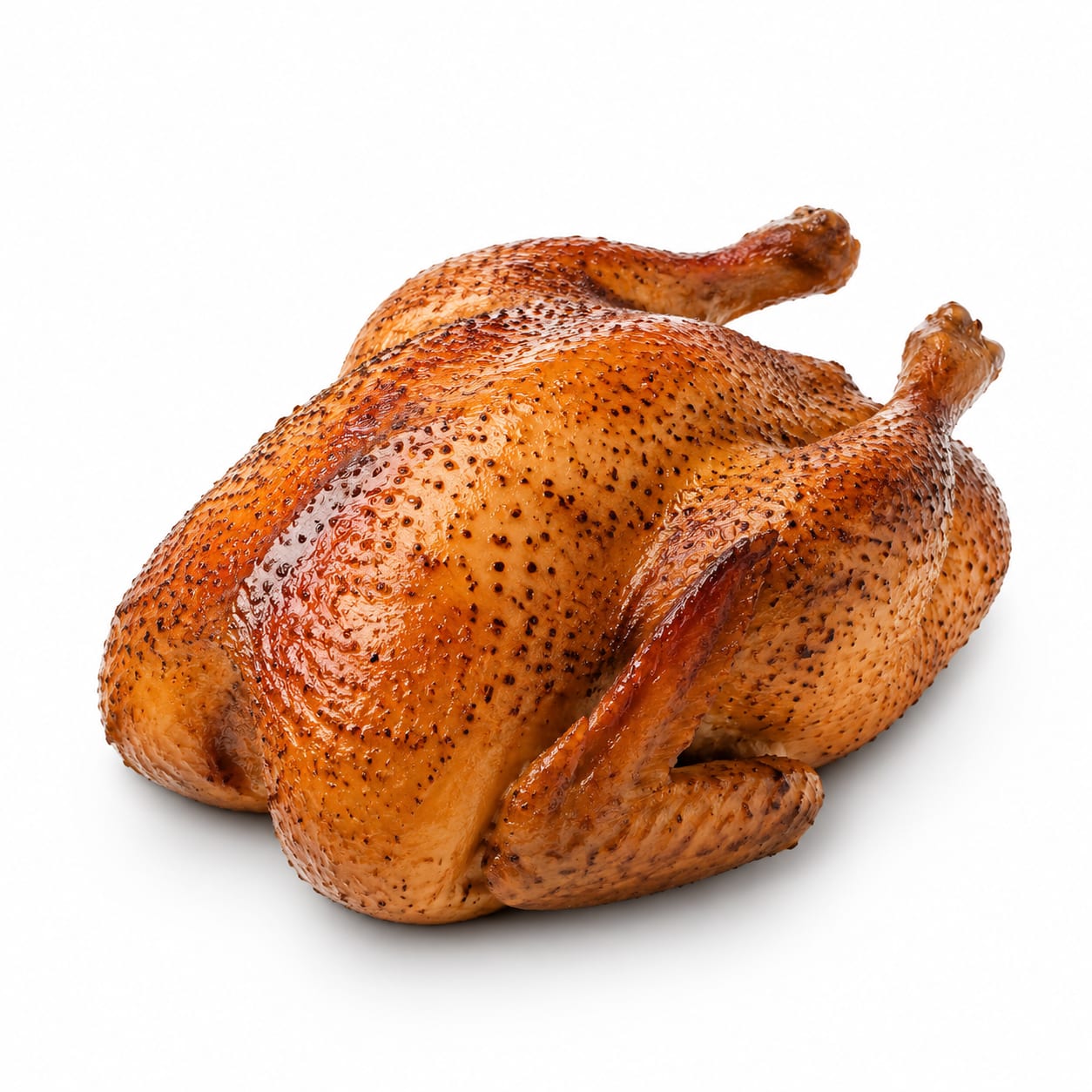
Guinea Fowl
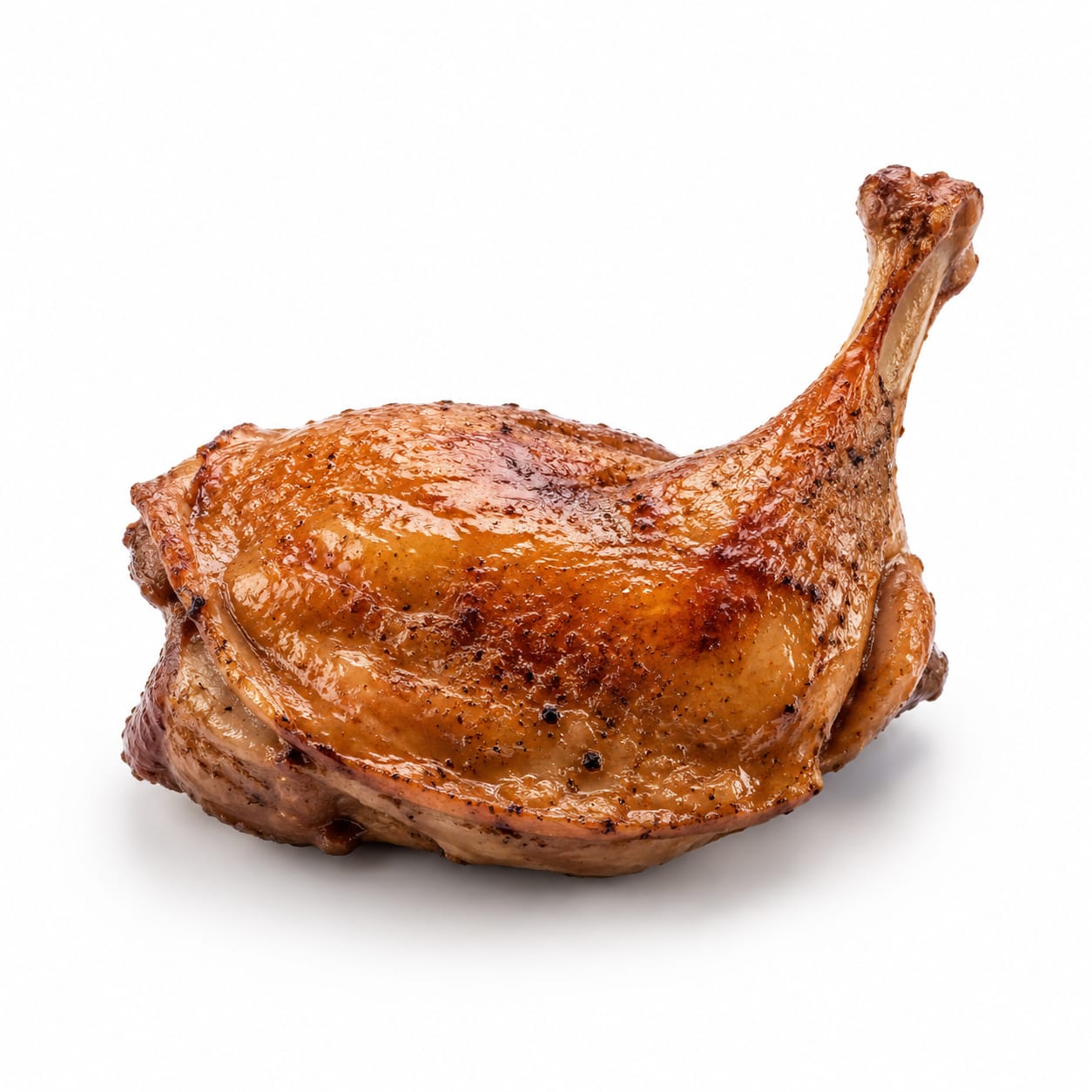
Pheasant
Guinea Fowl delivers richer flavor and juicier meat, while Pheasant offers slightly leaner protein with a milder taste.
Pheasant edges out slightly for pure nutritional leanness, but Guinea Fowl stays competitive due to better cooking forgiveness and richer micronutrients from darker meat.
Choosing between forgiving, flavorful cooking (Guinea Fowl) and maximum leanness with a delicate texture (Pheasant).
At a glance
Executive summary
Overall
It depends
Healthier
Pheasant
More practical
Guinea Fowl
Daily use
It depends
Key comparison lenses
Leanness and calorie control
Both are lean game birds, but the slight differences in fat content significantly impact calorie density and cooking methods.
Culinary practicality and cooking forgiveness
Lean game birds are notoriously easy to overcook; moisture retention is a major real-world factor for home cooks.
Protein quality for muscle maintenance
Consumers choosing game birds often prioritize high-quality, complete protein sources.
Flavor profile and meal satisfaction
The darker meat of Guinea Fowl versus the lighter meat of Pheasant creates distinct eating experiences.
Best choice for
Guinea Fowl
- Home cooks wanting a forgiving roast
- Those preferring darker, richer meat flavors
- Families transitioning from chicken to game
Pheasant
- Strict calorie counters
- Athletes needing lean protein
- Those who prefer white, mild-tasting meat
Least suitable for
Guinea Fowl
- Very low-fat diets requiring the absolute leanest meat
- People who dislike dark meat flavors
Pheasant
- Inexperienced cooks prone to overcooking
- Those wanting self-basting roasting birds
Deep comparison
Dimension by dimension
Each lens scores both foods and breaks down who each option suits.
- Dimension 1 · Priority 90Pheasant
Protein Quality & Satiety
Guinea Fowl · 85Pheasant · 88Pheasant provides slightly more protein per calorie, making it highly efficient for muscle maintenance.
Tradeoff
Guinea Fowl has a bit more fat, which enhances satiety and flavor but lowers the protein-to-calorie ratio.
Why it matters
If you are tracking macros strictly, Pheasant gives you more protein for fewer calories.
Real-world impact
A Pheasant breast keeps you full without using up your fat macro budget, whereas Guinea Fowl feels more satisfying right after eating.
Guinea Fowl
- Satiety from natural fats
- Flavor-driven satisfaction
Better for
- Strict macro counting
- Very low-fat diets
Worse for
Pheasant
- Protein-to-calorie efficiency
- Post-workout lean recovery
Better for
- Feeling satisfied on small portions
- Staying moist during cooking
Worse for
- Dimension 2 · Priority 88Pheasant
Leanness & Calorie Density
Guinea Fowl · 78Pheasant · 92Pheasant is exceptionally lean, with fewer calories from fat compared to Guinea Fowl.
Tradeoff
The lower fat in Pheasant means less margin for error when cooking, often resulting in dry meat if overcooked.
Why it matters
For weight loss or heart-health diets, Pheasant offers a lower calorie density.
Real-world impact
You can eat a larger portion of Pheasant for the same calories, but you might need a sauce to make it enjoyable.
Guinea Fowl
- Self-basting roasting
- Natural moisture retention
Better for
- Higher calorie load per serving
- Fat-restricted diets
Worse for
Pheasant
- Cutting calories effortlessly
- Low-fat dietary protocols
Better for
- Dry texture if overcooked by even a few minutes
- Needing added fats for cooking
Worse for
- Dimension 3 · Priority 85Guinea Fowl
Culinary Forgiveness & Flavor
Guinea Fowl · 90Pheasant · 70Guinea Fowl has darker meat and more fat, making it far more forgiving to roast and richer in flavor.
Tradeoff
Pheasant's delicate white meat is easily overcooked and can taste bland without heavy seasoning or wrapping in fat.
Why it matters
A meal you enjoy and cook properly is nutritionally better than a dry, unappetizing one.
Real-world impact
Guinea Fowl roasts beautifully with minimal effort, while Pheasant often requires techniques like barding with bacon to stay moist.
Guinea Fowl
- Stress-free roasting
- Rich, satisfying flavor without heavy sauces
Better for
- Dishes requiring delicate, neutral flavors
Worse for
Pheasant
- Acting as a blank canvas for complex recipes
- Lighter tasting meals
Better for
- Weeknight roasting without careful temperature monitoring
Worse for
- Dimension 4 · Priority 75It depends
Micronutrient Profile
Guinea Fowl · 84Pheasant · 83Guinea Fowl's darker meat offers more iron and B vitamins, while Pheasant provides excellent selenium and niacin.
Tradeoff
Choosing between the blood-health benefits of iron in Guinea Fowl or the metabolic and antioxidant support from Pheasant's nutrient profile.
Why it matters
Both are highly nutritious, but their meat color dictates their micronutrient strengths.
Real-world impact
Guinea Fowl is better for boosting energy if you are slightly anemic, while Pheasant supports thyroid function well.
Guinea Fowl
- Iron intake
- B-vitamin density for energy
Better for
- Maximizing selenium intake
Worse for
Pheasant
- Selenium for antioxidant defense
- Niacin for metabolic health
Better for
- Boosting iron stores
Worse for
- Dimension 5 · Priority 60It depends
Sourcing & Availability
Guinea Fowl · 65Pheasant · 68Both are specialty game birds, but farmed Pheasant is slightly more common in grocery stores and butchers.
Tradeoff
Availability depends heavily on your region, with both requiring specialty sourcing compared to standard chicken.
Why it matters
Nutritional value means nothing if you cannot consistently find the food.
Real-world impact
You might need to order either bird online or visit a specialty butcher, making them more of an occasion meal than a daily staple.
Guinea Fowl
- Areas with robust Guinea Fowl farming communities
Better for
- Impulse shopping at standard supermarkets
Worse for
Pheasant
- Regions with active game shoots or commercial pheasant farms
Better for
- Finding fresh options outside of game season
Worse for
Timeline
Health impact over time
Short-term
Hours to days
Guinea Fowl
- Provides steady, satisfying energy from balanced protein and fat
- Feels like a comforting, substantial meal
Pheasant
- Delivers very light energy, easy on the stomach
- Can feel less filling if eaten as a small breast portion
Long-term
Months to years
Guinea Fowl
- Supports muscle maintenance with a highly bioavailable protein source
- Natural fats support hormone health without excessive saturated fat
Pheasant
- Excellent for cardiovascular health due to extreme leanness
- Helps maintain a low body fat percentage easily
Risk profile
Safety & processing
Both Guinea Fowl and Pheasant are typically sold as whole, unprocessed birds with no additives, making them exceptionally clean protein sources.
Guinea Fowl
Bacterial contamination
mediumLike all poultry, Guinea Fowl carries a Salmonella risk requiring proper handling and thorough cooking.
Lead shot
mediumIf wild-caught, there is a risk of ingesting lead fragments; farmed birds avoid this.
Pheasant
Bacterial contamination
mediumPheasant requires strict kitchen hygiene to avoid Campylobacter or Salmonella.
Lead shot
highWild Pheasant is highly likely to contain lead shot, which poses a serious toxicity risk, especially to children.
Who wins for whom
Audience fit
Same foods, different winners depending on your goal.
children
Guinea FowlGuinea Fowl tastes closer to chicken and stays moister, making it far more appealing and safer for kids' palates.
daily consumption
It dependsPheasant is better for strict daily macros, but Guinea Fowl is more practical for consistent, enjoyable cooking.
diabetes
PheasantVirtually zero carbs and very low fat make Pheasant an ideal choice for stable blood sugar and insulin sensitivity.
elderly
Guinea FowlThe natural moisture and slightly higher fat in Guinea Fowl make it easier to chew and swallow, reducing the risk of a dry, choking hazard.
muscle gain
PheasantSlightly higher protein density per serving supports muscle repair efficiently.
weight loss
PheasantPheasant's extreme leanness allows for larger portions with fewer calories, making it easier to sustain a calorie deficit.
Your move
Decision guide
Choose Guinea Fowl
- You want a roast that stays juicy without babysitting the oven
- You prefer the richer taste of dark meat over white meat
- You are cooking for kids who might reject dry or gamey poultry
- You want natural fats to carry the flavor without heavy sauces
Choose Pheasant
- You are strictly counting calories and tracking macros
- You prefer a mild, delicate flavor that pairs well with light sauces
- You are an experienced cook confident in not overcooking lean meat
- You want the absolute leanest protein available outside of boneless skinless chicken breast
Either works if
- You want a high-quality, minimally processed alternative to standard chicken
- You are looking for a special occasion meal that feels elevated but healthy
Avoid both if
- You have a strict poultry allergy
- You are on a very tight grocery budget and need cheap protein sources
Final recommendation
Choose Guinea Fowl for a satisfying, fool-proof roast that eats like a better chicken, and choose Pheasant if you prioritize maximum leanness and delicate flavors for a refined, calorie-controlled meal.
Practical
Consumer tips
- 1
If roasting Pheasant, bard it with bacon or brush with butter to prevent it from drying out.
- 2
Always check wild-caught birds carefully for lead shot before cooking and serving.
- 3
Use a meat thermometer for both birds; Guinea Fowl is safe at 165°F but Pheasant breasts are best pulled at 160°F to retain moisture.
- 4
Guinea Fowl makes an excellent substitute for chicken in any braised recipe.
- 5
If buying frozen, thaw both birds slowly in the fridge to preserve the delicate texture of the meat.