
Nutrition comparison
Guinea Fowl vs Chicken Breast: Which Lean Protein Is Better?
Compare Guinea Fowl and Chicken Breast on protein, taste, iron content, cost, and farming practices. Find out which lean poultry is right for your goals.
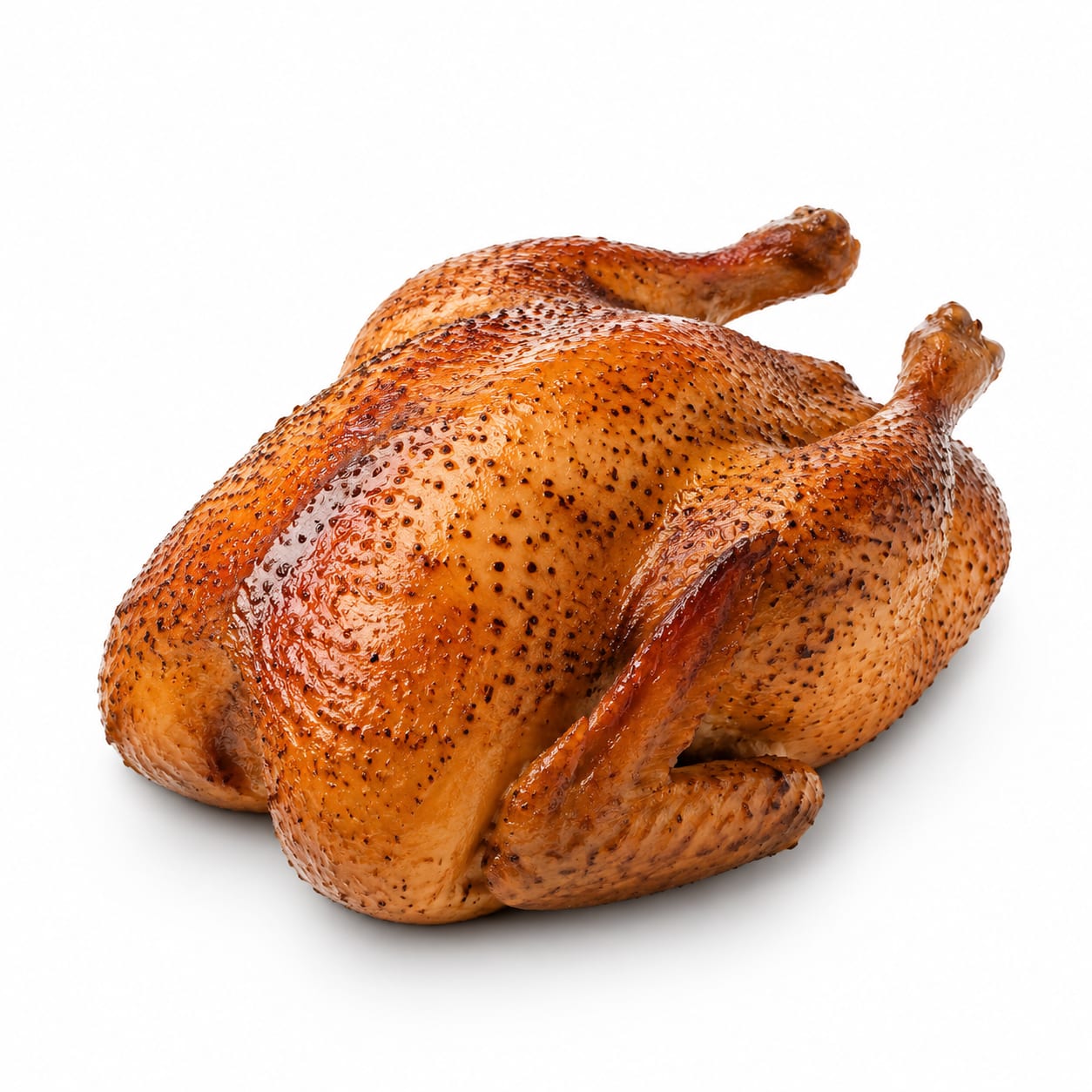
Guinea Fowl
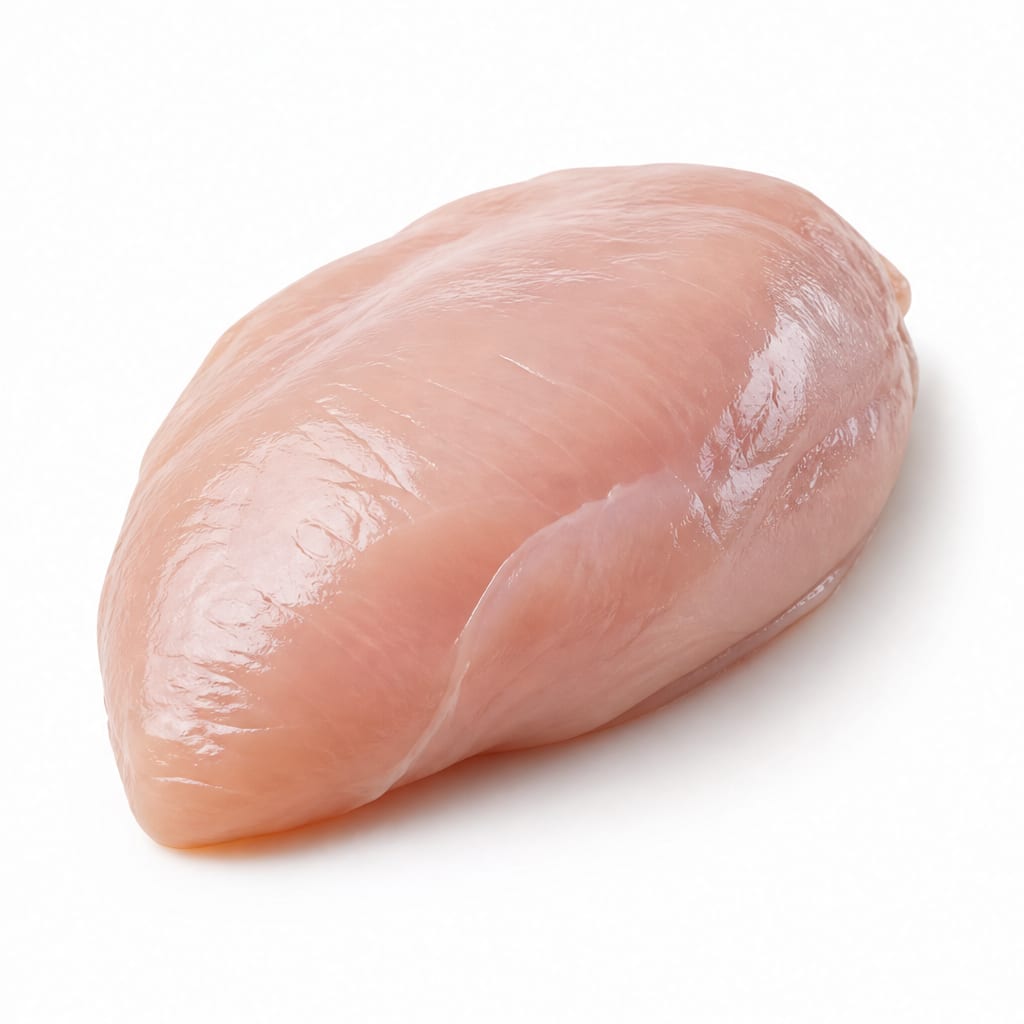
Chicken Breast
Chicken Breast wins on practicality and protein density, while Guinea Fowl offers richer flavor, slightly better micronutrients, and likely cleaner farming practices. Your choice depends on what you value more: convenience or culinary quality.
Chicken Breast scores higher overall due to overwhelming advantages in availability, affordability, and protein density. Guinea Fowl earns strong marks for micronutrients, flavor satisfaction, and likely cleaner farming, but its scarcity and cost drag down the practical score significantly.
Everyday accessibility and pure protein content versus superior taste, better iron content, and probably fewer antibiotic concerns.
At a glance
Executive summary
Overall
It depends
Healthier
It depends
More practical
Chicken Breast
Daily use
Chicken Breast
Key comparison lenses
lean protein source selection
Both are premier lean protein options, so protein quality and density matter most
everyday practicality and meal prep viability
Availability and cost differences heavily influence which one people can actually eat regularly
flavor satisfaction and diet adherence
Bland protein is harder to stick with long-term, making taste a sustainability factor
antibiotic and farming practice concerns
Poultry choices carry legitimate worries about antibiotic resistance and farming standards
micronutrient advantage for overall health
Subtle differences in iron, B vitamins, and minerals can compound over time
Best choice for
Guinea Fowl
- Foodies wanting lean protein that actually tastes good
- People avoiding conventionally farmed poultry
- Those needing more iron in their diet
- Home cooks seeking richer flavor without adding fat
- Diners tired of bland meal prep protein
Chicken Breast
- Bodybuilders and athletes tracking macros precisely
- Budget-conscious meal preppers
- Anyone needing widely available protein anywhere
- People who want neutral-tasting protein for recipes
- Families needing affordable lean meat in bulk
Least suitable for
Guinea Fowl
- Budget-limited households
- People who need protein available at any grocery store
- Those wanting quick, foolproof cooking
- Meal preppers needing large quantities cheaply
Chicken Breast
- People bored by bland protein who struggle with diet adherence
- Those specifically avoiding conventionally farmed poultry
- Diners seeking richer, more satisfying flavor from lean meat
- Anyone concerned about antibiotic use in standard poultry farming
Deep comparison
Dimension by dimension
Each lens scores both foods and breaks down who each option suits.
- Dimension 1 · Priority 95Chicken Breast
Protein Density and Quality
Guinea Fowl · 82Chicken Breast · 92Chicken Breast delivers more protein per calorie and per gram, making it the tighter macro tool.
Tradeoff
Guinea Fowl still provides excellent protein but slightly less per serving, with a small compensating edge in certain amino acid profiles.
Why it matters
When you are tracking protein targets precisely, even a 10% difference per serving adds up across daily meals.
Real-world impact
A 6oz Chicken Breast gets you roughly 52g protein versus about 46g from the same amount of Guinea Fowl. Over three meals, that gap becomes meaningful for athletes.
Guinea Fowl
- Meals where flavor satisfaction matters more than hitting exact macro targets
Better for
- Strict bodybuilding prep where protein precision is non-negotiable
Worse for
Chicken Breast
- Post-workout meals needing maximum protein per bite
- Cutting phases where every gram of protein per calorie counts
Better for
- Situations where eating bland protein makes you crave junk food later
Worse for
- Dimension 2 · Priority 78Guinea Fowl
Micronutrient Profile
Guinea Fowl · 84Chicken Breast · 72Guinea Fowl provides more iron, slightly more B vitamins, and marginally better mineral density overall.
Tradeoff
Chicken Breast is no micronutrient slouch, especially for niacin and selenium, but Guinea Fowl's darker flesh carries more iron and B12.
Why it matters
Iron deficiency is common, particularly among women, and getting more from a lean protein source is a quiet but real advantage.
Real-world impact
Choosing Guinea Fowl a few times per week could meaningfully contribute to iron intake without needing supplements or red meat.
Guinea Fowl
- Women with low iron levels seeking dietary sources beyond red meat
- Anyone wanting richer B12 intake from poultry instead of beef
Better for
- Those who assume all poultry is nutritionally identical and miss the iron benefit
Worse for
Chicken Breast
- People already meeting iron needs through other foods or supplements
Better for
- Relying solely on Chicken Breast as your only protein may leave iron intake low
Worse for
- Dimension 3 · Priority 82Guinea Fowl
Flavor and Eating Satisfaction
Guinea Fowl · 88Chicken Breast · 58Guinea Fowl tastes noticeably richer and more complex, while Chicken Breast is famously bland without heavy seasoning.
Tradeoff
That richer flavor comes with less culinary versatility since Guinea Fowl's gamey notes don't work in every recipe that calls for neutral protein.
Why it matters
Boring protein is the number one reason people abandon meal plans. Satisfaction drives consistency.
Real-world impact
If you look forward to your protein serving, you are far less likely to snack on processed food an hour later.
Guinea Fowl
- People who struggle to eat lean protein because it tastes flat
- Home cooks wanting a protein that stands on its own without sauces
Better for
- Dishes where a gamey flavor would clash with delicate ingredients
Worse for
Chicken Breast
- Recipes needing a neutral protein canvas like curries, stir-fries, or casseroles
- Meal preppers who rotate through different sauce and seasoning strategies
Better for
- Anyone eating plain Chicken Breast daily and slowly growing to hate their diet
Worse for
- Dimension 4 · Priority 90Chicken Breast
Availability and Practicality
Guinea Fowl · 35Chicken Breast · 95Chicken Breast is available at literally every grocery store. Guinea Fowl is specialty at best and absent at worst.
Tradeoff
You can decide to eat Guinea Fowl tonight and simply not find it, whereas Chicken Breast is always an option.
Why it matters
The healthiest protein choice is the one you can actually buy and cook consistently.
Real-world impact
Most people will never see Guinea Fowl at their local supermarket, making it a special-occasion protein rather than a staple.
Guinea Fowl
- Specialty butchers and farmers markets where Guinea Fowl is available
- Online meat delivery services that stock game birds
Better for
- Weeknight dinners where you need protein now, not after a specialty shopping trip
Worse for
Chicken Breast
- Any grocery run, any city, any time
- Travel or relocation where you need reliable protein access
Better for
- Moments when you want something special and Chicken Breast feels too ordinary
Worse for
- Dimension 5 · Priority 85Chicken Breast
Cost and Value
Guinea Fowl · 38Chicken Breast · 88Chicken Breast is one of the cheapest lean proteins available. Guinea Fowl is significantly more expensive per pound.
Tradeoff
You pay a premium for Guinea Fowl's flavor and likely better farming practices, which may or may not be worth it to you.
Why it matters
Cost determines whether a food becomes a habit or a treat. Affordable protein gets eaten consistently.
Real-world impact
Feeding a family of four with Guinea Fowl could cost two to three times more than Chicken Breast for the same protein amount.
Guinea Fowl
- Smaller households where the premium is manageable
- Special occasions where spending more on quality feels worthwhile
Better for
- Anyone trying to eat high-protein on a tight budget
Worse for
Chicken Breast
- Families and bulk meal preppers watching grocery budgets
- Students and young professionals needing cheap protein
Better for
- Those willing to pay more for better taste and cleaner farming
Worse for
- Dimension 6 · Priority 72Guinea Fowl
Farming Practices and Antibiotic Exposure
Guinea Fowl · 82Chicken Breast · 55Guinea Fowl is typically raised in smaller-scale operations with fewer antibiotics. Conventional Chicken Breast carries well-documented antibiotic concerns.
Tradeoff
Organic Chicken Breast closes this gap, but costs more and is still less likely to match the low-intensity farming typical of Guinea Fowl.
Why it matters
Antibiotic-resistant bacteria from poultry is a real public health issue, not just an abstract concern.
Real-world impact
Choosing Guinea Fowl or organic Chicken Breast reduces your personal contribution to antibiotic resistance and likely lowers your exposure to resistant bacteria.
Guinea Fowl
- People specifically avoiding antibiotic-treated poultry
- Consumers who want lower-intensity farmed meat by default
Better for
- Assuming all Guinea Fowl is automatically antibiotic-free without verification
Worse for
Chicken Breast
- Organic or free-range Chicken Breast options that address antibiotic concerns
Better for
- Conventional Chicken Breast from operations with heavy antibiotic use
Worse for
Timeline
Health impact over time
Short-term
Hours to days
Guinea Fowl
- Higher satiety per serving due to richer flavor and slightly higher fat content
- More satisfying eating experience reduces likelihood of post-meal snacking
- Slightly higher iron absorption supports energy levels in iron-deficient individuals
Chicken Breast
- Maximum protein per calorie supports muscle recovery quickly after training
- Very low fat content makes it easy to fit into strict macro plans
- Mild flavor may require added sauces or oils, increasing calorie intake indirectly
Long-term
Months to years
Guinea Fowl
- Better iron status over time, particularly beneficial for premenopausal women
- Likely lower cumulative antibiotic exposure from farming practices
- Greater diet adherence potential because the food remains enjoyable long-term
Chicken Breast
- Consistent high protein intake supports muscle mass preservation with aging
- Very low saturated fat intake contributes to cardiovascular health over decades
- Risk of diet fatigue if eaten monotonously without creative preparation
Risk profile
Safety & processing
Both Guinea Fowl and Chicken Breast are whole, minimally processed meats. Neither typically contains artificial additives when purchased fresh. The main distinction is that some commercial Chicken Breast is plumped with sodium solutions, which Guinea Fowl almost never is. Always check labels for added sodium or broth in packaged Chicken Breast.
Guinea Fowl
Undercooking due to unfamiliarity
mediumHome cooks less familiar with Guinea Fowl may undercook it, increasing foodborne illness risk. Use a meat thermometer like you would with any poultry.
Salmonella and Campylobacter
mediumAll poultry carries these risks. Guinea Fowl is not exempt from safe handling practices.
Chicken Breast
Salmonella contamination
mediumChicken Breast is one of the most common sources of salmonella in home kitchens. Proper cooking and avoiding cross-contamination are essential.
Antibiotic-resistant bacteria
mediumConventionally farmed Chicken Breast more frequently harbors antibiotic-resistant bacteria compared to smaller-scale poultry like Guinea Fowl.
Added sodium in packaged products
lowSome commercial Chicken Breast is injected with sodium solutions. Check labels to avoid unintended high sodium intake.
Who wins for whom
Audience fit
Same foods, different winners depending on your goal.
children
Chicken BreastMilder flavor and wider availability make Chicken Breast far more likely to be accepted by picky eaters. Guinea Fowl's gamey taste is a tough sell for most kids.
daily consumption
Chicken BreastAffordability, availability, and ease of preparation make Chicken Breast the only realistic daily option for most people.
diabetes
It dependsBoth are excellent zero-carb protein sources that stabilize blood sugar. Guinea Fowl's slightly higher fat may slow gastric emptying marginally, but the difference is negligible.
elderly
Guinea FowlGuinea Fowl's higher iron and B12 content addresses common deficiencies in older adults, and its richer flavor can stimulate appetite in those eating less.
muscle gain
Chicken BreastHigher protein density per serving and per dollar makes Chicken Breast the more practical choice for the high protein volumes muscle gain requires.
weight loss
Chicken BreastChicken Breast provides slightly more protein per calorie and is easier to eat consistently, which matters more for weight loss than marginal micronutrient differences.
Your move
Decision guide
Choose Guinea Fowl
- You value flavor satisfaction and find bland protein demotivating
- You want more iron and B12 from your protein source
- You are concerned about antibiotic use in conventional poultry
- You have access to a good butcher or specialty supplier
- Cost is not a primary constraint for your grocery budget
Choose Chicken Breast
- You need affordable, high-protein meals in bulk
- You want protein available at any store, any time
- You track macros precisely and need maximum protein per calorie
- You cook for kids or picky eaters who prefer mild flavors
- You meal prep in large batches on a budget
Either works if
- You simply need a lean, zero-carb protein source
- You already eat a varied diet with multiple protein sources
- Your iron and B12 intake are adequate from other foods
- You rotate proteins regularly rather than eating one exclusively
Avoid both if
- You follow a vegetarian or vegan diet
- You have a poultry allergy
- You are severely limiting purine intake due to gout flares
Final recommendation
Make Chicken Breast your default lean protein for practical reasons, but treat yourself to Guinea Fowl when you can find it. The flavor upgrade is real, the iron benefit is meaningful, and the likely cleaner farming is a quiet win. Think of Guinea Fowl as the protein that makes you actually look forward to eating lean meat, and Chicken Breast as the reliable workhorse that gets the job done affordably every day.
Practical
Consumer tips
- 1
If buying Chicken Breast, check for added sodium solutions on the label. Plumped chicken can contain 200-400mg extra sodium per serving.
- 2
Guinea Fowl benefits from slightly lower cooking temperatures than Chicken Breast to prevent dryness. Aim for 165°F internal but avoid going well beyond.
- 3
Organic or free-range Chicken Breast narrows the antibiotic and farming practice gap with Guinea Fowl, though at a higher price point.
- 4
Marinate Chicken Breast aggressively. Its blank-canvas flavor is an advantage when you use bold seasonings, but a liability when you do not.
- 5
If you find Guinea Fowl, buy extra and freeze it. Availability is unpredictable, and it freezes well for up to six months.
- 6
Both meats benefit from resting after cooking. Guinea Fowl particularly needs 5-10 minutes of rest to retain its juices.