
Fruit
Guavaberry
A small, tart-sweet tropical berry known for its aromatic flavor and use in traditional Caribbean liqueurs and preserves.
Guavaberry, also known as rumberry, is a small, round fruit native to the Caribbean and parts of Central and South America. It features thin skin that turns from orange-red to dark purple-black when ripe, with a tart-sweet aromatic flavor often used in jams and traditional liqueurs.
low-calorie antioxidant-rich tropical berry
Typical serving · 100g
Common varieties · red guavaberry, purple guavaberry, black guavaberry, wild guavaberry
Overall context score across nutrition, safety, and diet fit
At a glance
Quick facts
Simple indicators based on nutrition, processing, and diet fit.
The story
What makes it unique
Guavaberry is a fast-digesting fruit primarily composed of water and simple carbohydrates, with moderate fiber content that slightly slows gastric emptying. Its macronutrient profile is low in protein and fat. Satiety is moderate due to low energy density and fiber, though the small serving size typical of wild berries limits absolute fullness. As a minimally processed whole food, it retains its natural phytochemical matrix.
Varieties: red guavaberry · purple guavaberry · black guavaberry · wild guavaberry
Per 100g
Nutrition breakdown
Macro balance and key metrics at a glance.
Energy
Density 0.68 kcal/g
Protein
Carbs
Fat
Fiber
Sugar
10.5 g
Sodium
4 mg
Potassium
160 mg
Glycemic index
32
Glycemic load
5
Water content
81%
Standout compounds
Nutrient highlights
Vitamin C
highSupports immune function and collagen synthesis
Dietary Fiber
moderatePromotes digestive health and slows sugar absorption
Flavonoids
highProvides antioxidant and anti-inflammatory effects
Potassium
moderateHelps regulate blood pressure and fluid balance
Wellness map
Health scores & processing
NOVA processing scale
minimally processed · Whole food
Fresh guavaberries are unprocessed whole fruits. Processing only occurs if they are juiced, sweetened, or made into liqueurs and jams.
Diet compatibility
- Weight loss
- Muscle gain
- Diabetes
- Gut health
- Low carb
- High protein
- Heart health
Relative standing
Food rankings
Qualitative ranks compared to similar whole foods.
- Satietygood
- Blood sugarexcellent
- Nutrient densitygood
- Fitness fuelmoderate
- Processing qualityexcellent
Eat with confidence
Food safety profile
Fresh guavaberries are generally safe with low contamination risks. As a wild-harvested or backyard fruit, they are rarely treated with synthetic pesticides. Standard washing removes surface debris and natural yeast.
Evidence confidence 75%
- Pesticideslow
- Antibioticslow
- Heavy metalslow
- Contaminationlow
Watch for
- soil debris
- wild yeast
Safer choices
Organically or wild-harvested guavaberries from reputable local sources ensure the lowest pesticide exposure.
Prep tips
Rinse thoroughly under cool running water to remove dirt and debris before consuming fresh or processing.
Minimal regulatory concerns for fresh fruit; commercial liqueurs must adhere to alcohol production standards.
Deep dive
Health analysis
How this food may fit different goals and preparation choices.
Weight loss
Low energy density and moderate fiber content support weight management by providing flavor and fullness with minimal calories.
Blood sugar
Low glycemic index and glycemic load mean fresh guavaberry causes a slow, manageable rise in blood sugar, making it suitable for glucose control.
Fitness & energy
Provides quick-digesting natural sugars for short-term energy, but lacks the protein needed for muscle recovery.
Gut health
Dietary fiber and polyphenols act as prebiotics, supporting beneficial gut bacteria and healthy digestion.
Processing quality
As a raw fruit, it is entirely unprocessed, preserving its natural vitamin and antioxidant content.
Food safety
Naturally low risk. Primary concern is agricultural debris from wild harvesting, mitigated by standard washing.
Common mistakes
Equating the health profile of fresh guavaberries with guavaberry liqueur or jam, which contain high amounts of added sugar and alcohol.
Best preparation
Eaten fresh, blended into unsweetened smoothies, or cooked into reduced-sugar preserves to retain nutritional value.
Practical guide
Best use cases
When and how this food fits real eating patterns.
Low-calorie snacking
Fresh guavaberries provide a flavorful, low-energy-density snack for calorie-conscious diets.
Smoothie flavoring
Adds tart, aromatic depth and antioxidants to blended drinks without excessive sugar.
Pre-workout energy
Natural simple sugars offer a quick, easily digestible energy source before exercise.
Balance sheet
Pros & cons
Upsides
- Low calorie and low energy density
- Low glycemic index supports blood sugar control
- Good source of dietary fiber for digestion
- Rich in antioxidants and vitamin C
- Completely unprocessed when consumed fresh
Trade-offs
- Fresh fruit is highly perishable and hard to find outside native regions
- Often consumed as high-sugar liqueur or jam
- Not a significant source of protein or healthy fats
- Small fruit size means large quantities are needed for substantial macronutrient intake
Fit check
Who is it for?
Great match
- weight management
- blood sugar control
- antioxidant boosting
- low-carb snacking
Consider alternatives
- muscle building
- high-protein diets
- those seeking calorie-dense energy sources
Side by side
How it compares
Open the full head-to-head analysis for nutrition, safety, and practical tradeoffs.
This food
Guavaberry
VS80% alike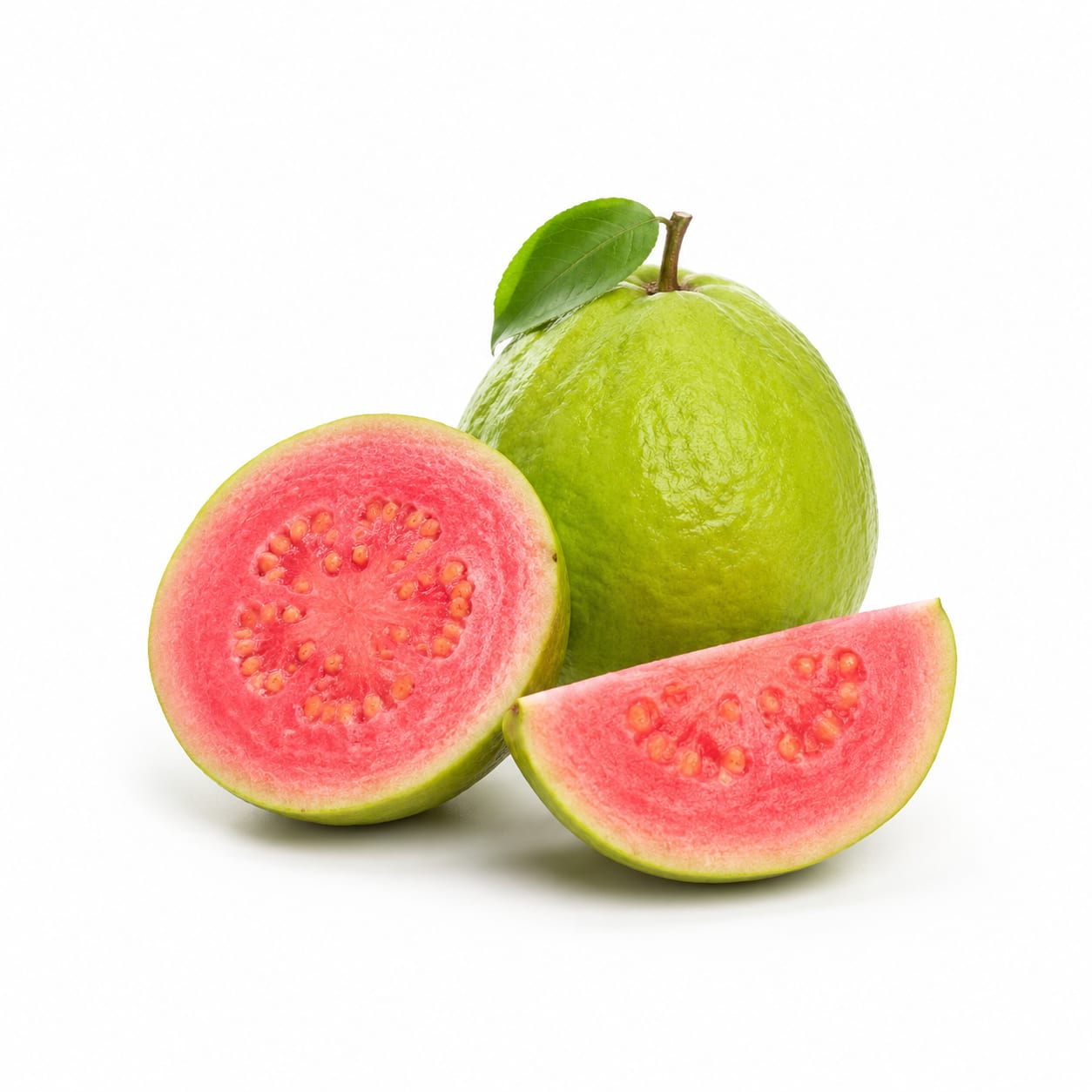
Compare with
Guava
Guava is larger and higher in vitamin C and fiber, while guavaberry is smaller, tarter, and lower in calories.
Guava provides more fiber and vitamin C for better satiety, while guavaberry is slightly lower in calories.
This food
Guavaberry
VS85% alike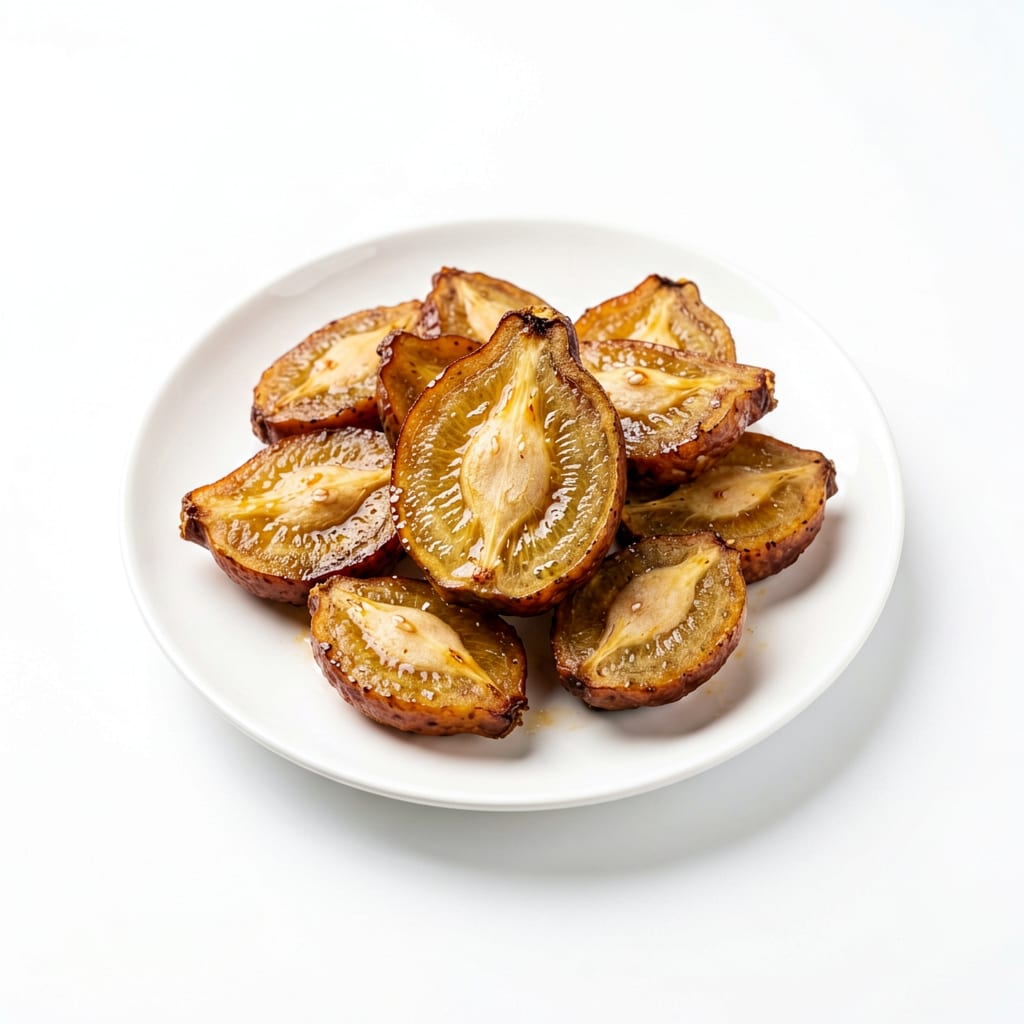
Compare with
Jabuticaba
Both are low-calorie, antioxidant-rich berries. Jabuticaba grows directly on the tree trunk, whereas guavaberry grows on branches.
Guavaberry and jabuticaba are nutritionally similar low-calorie tropical berries, both excellent for blood sugar control.
This food
Guavaberry
VS75% alike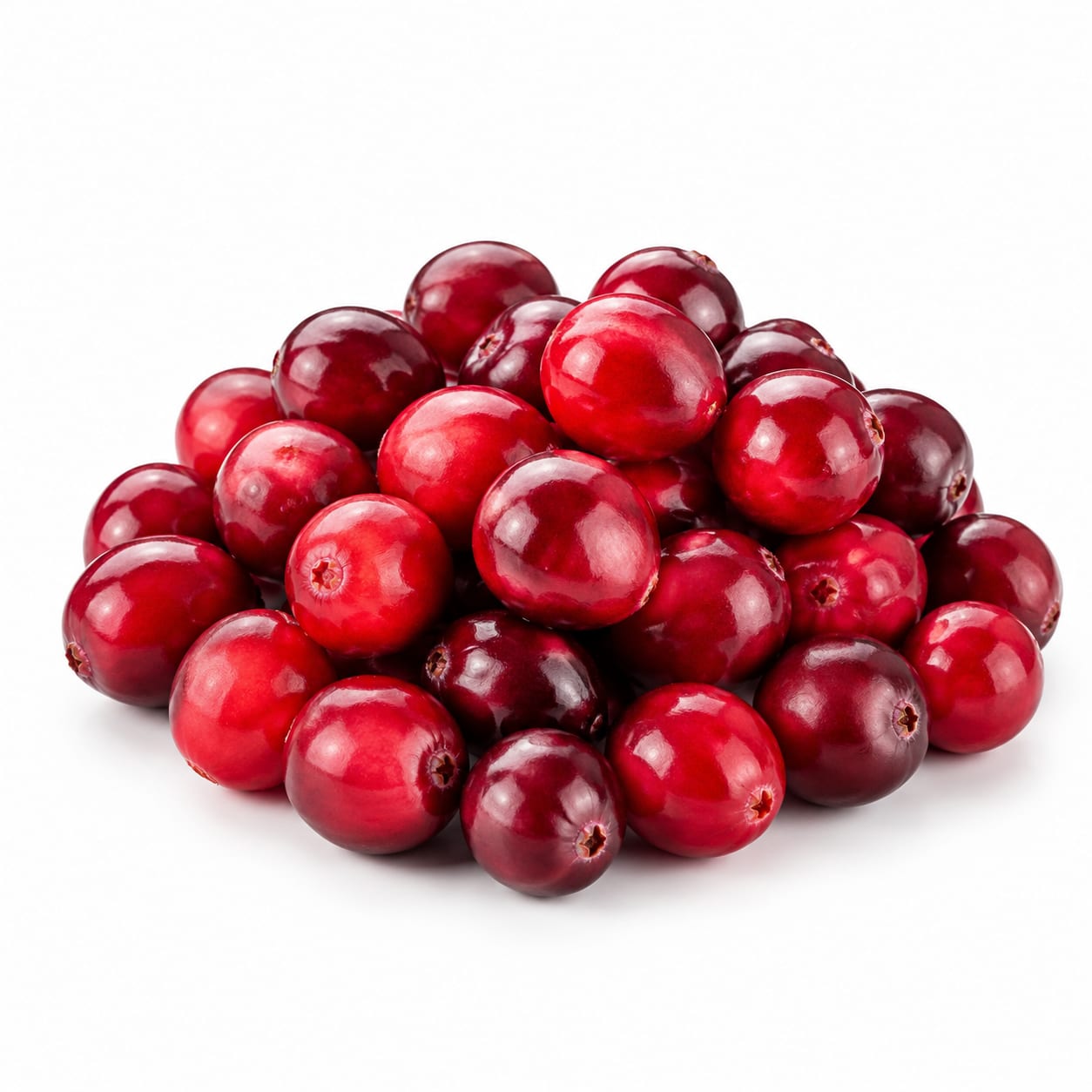
Compare with
Cranberry
Cranberries are slightly lower in sugar and calories but more tart, often requiring sweeteners. Guavaberries are naturally sweeter.
Cranberries are lower in sugar, but fresh guavaberries are naturally sweeter and more palatable without added sweeteners.
This food
Guavaberry
VS70% alike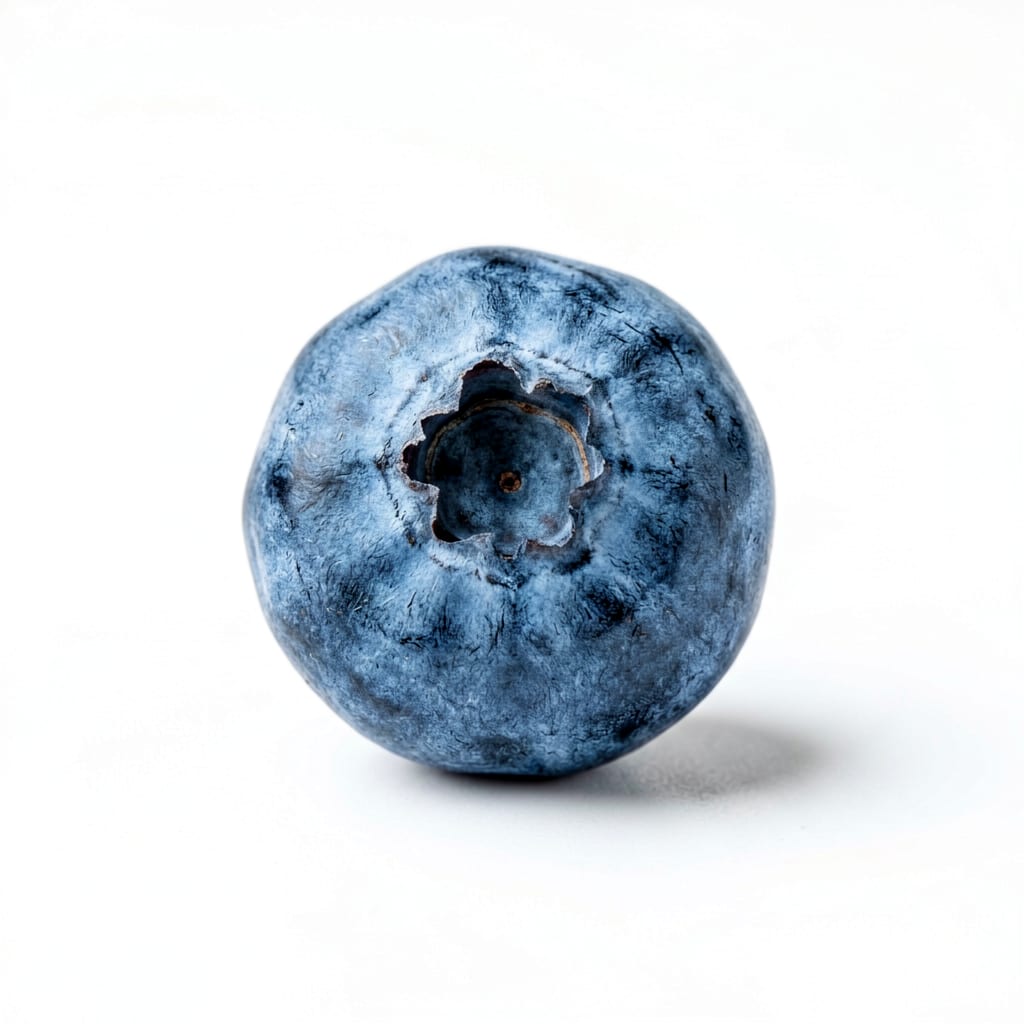
Compare with
Blueberry
Blueberries are widely available and slightly higher in fiber, while guavaberries have a more complex tart-sweet flavor profile.
Guavaberries are lower in calories and sugar than blueberries, making them slightly better for weight loss and blood sugar.
This food
Guavaberry
VS65% alike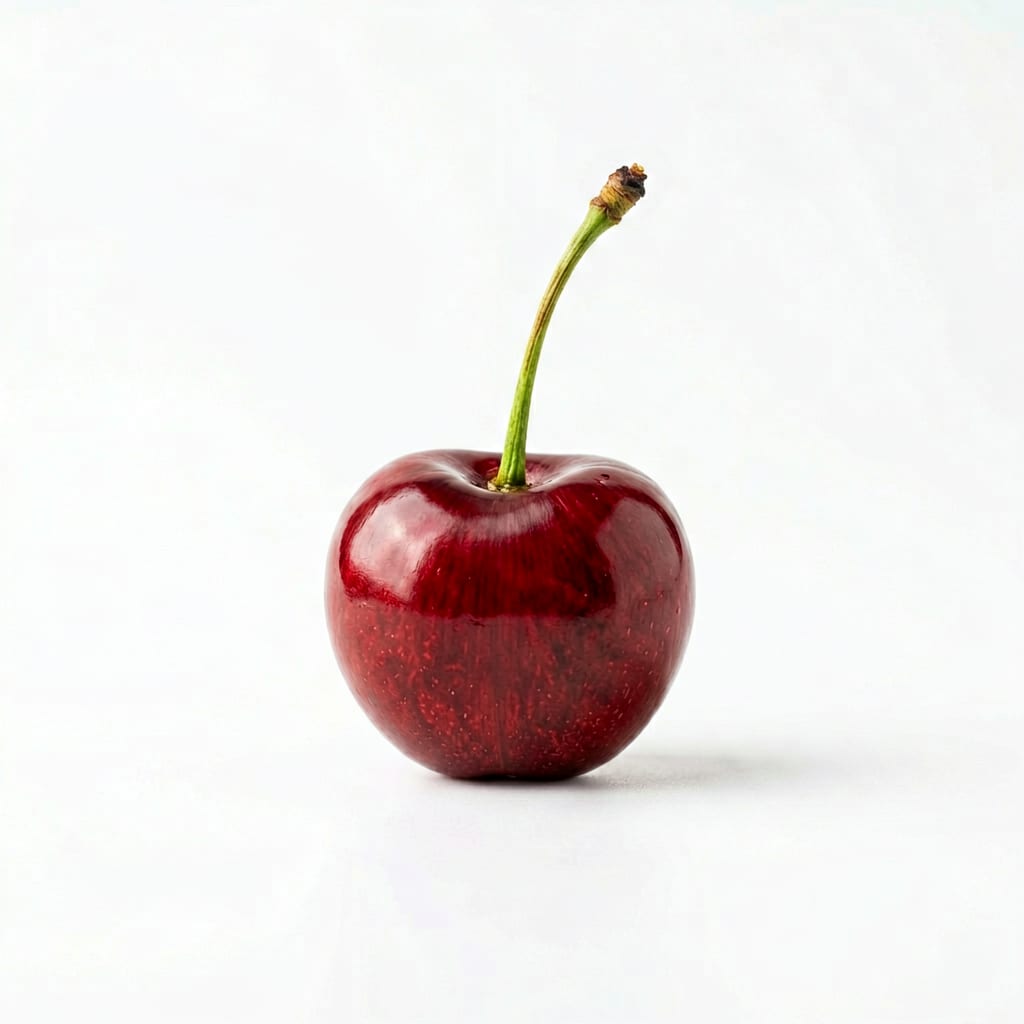
Compare with
Cherry
Cherries are higher in natural sugars and potassium, while guavaberries offer a lower glycemic option.
Guavaberries are better for blood sugar control due to lower sugar content, while cherries provide more post-workout potassium.
This food
Guavaberry
VS60% alike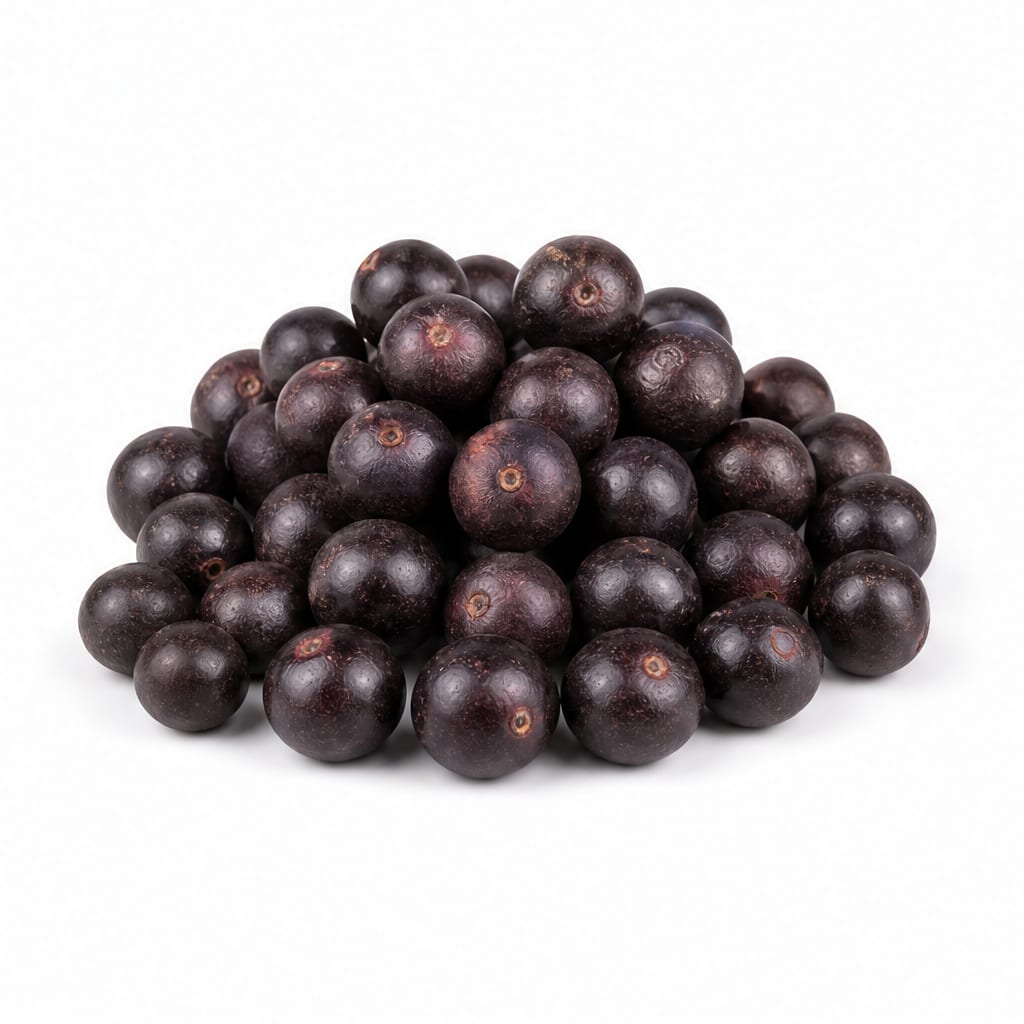
Compare with
Acai Berry
Acai is higher in healthy fats and calories, often consumed as a puree. Guavaberry is lower in calories and higher in simple carbs.
Acai provides healthy fats for sustained energy, while guavaberry is a lighter, lower-calorie choice for weight loss.
This food
Guavaberry
VS65% alike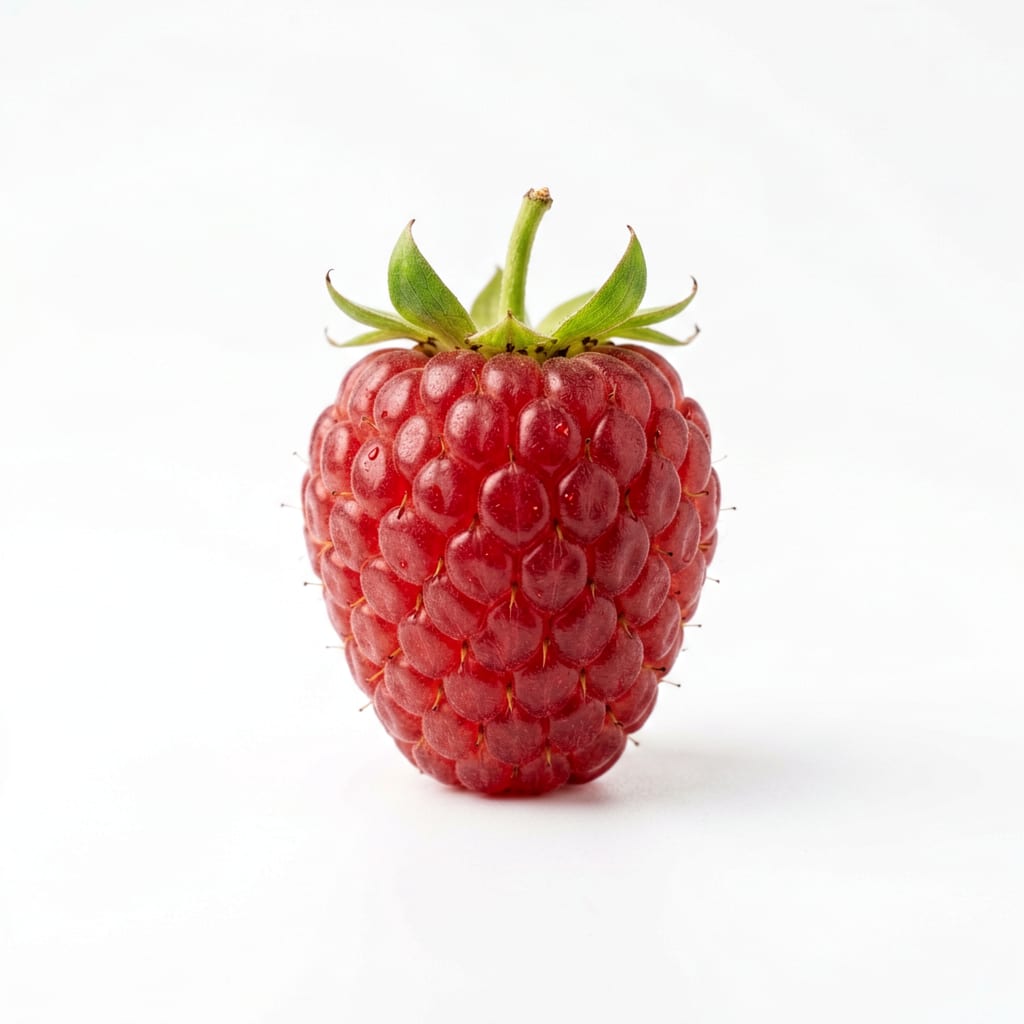
Compare with
Raspberry
Raspberries are significantly higher in fiber and lower in sugar, making them more satiating. Guavaberries are more caloric but still low-glycemic.
Raspberries offer much more fiber for better satiety and blood sugar control, while guavaberries provide a unique tropical flavor.
This food
Guavaberry
VS60% alike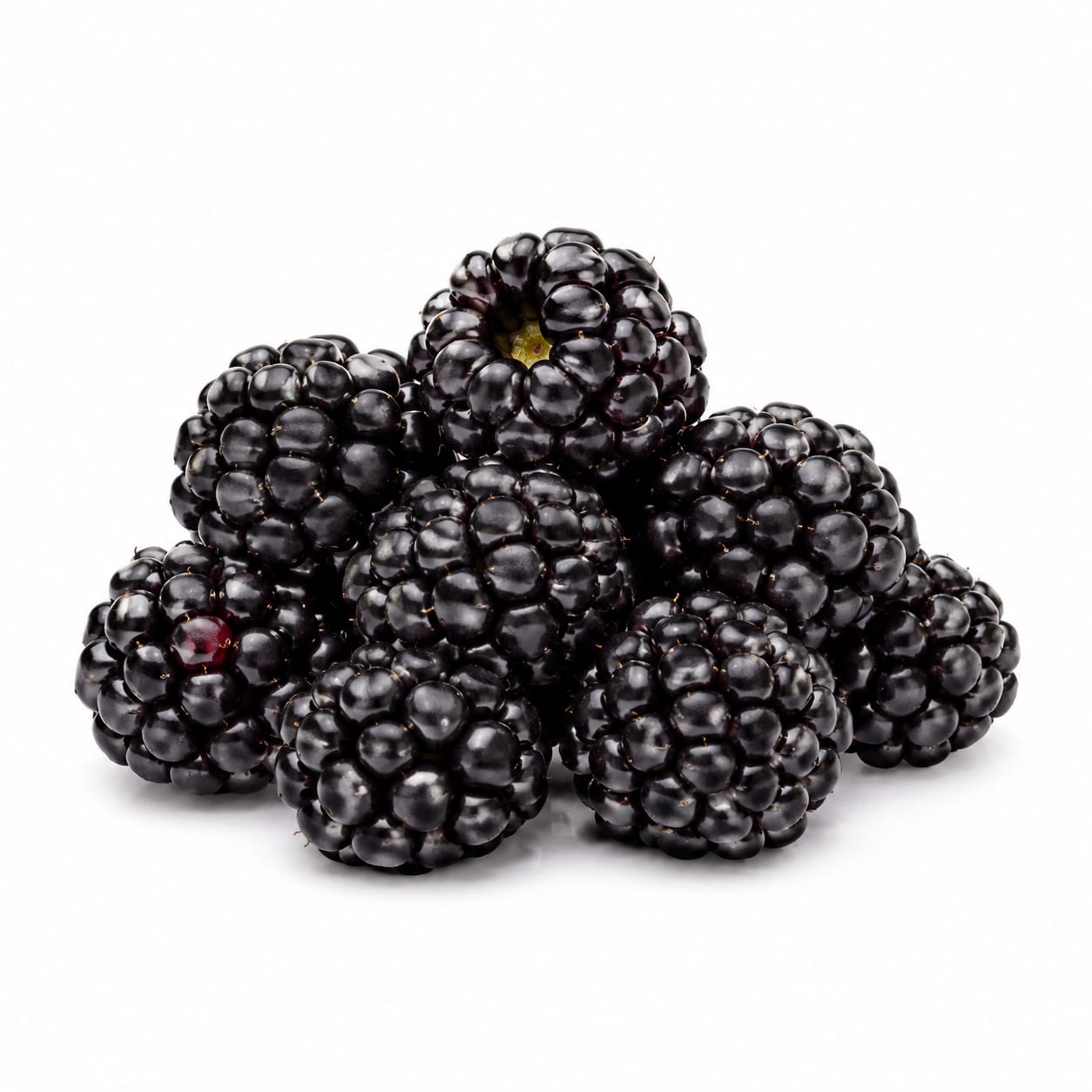
Compare with
Blackberry
Blackberries are a fiber powerhouse with very low sugar. Guavaberries are sweeter but less fibrous.
Blackberries are superior for fiber and blood sugar control, whereas guavaberries offer a juicier, sweeter eating experience.
This food
Guavaberry
VS55% alike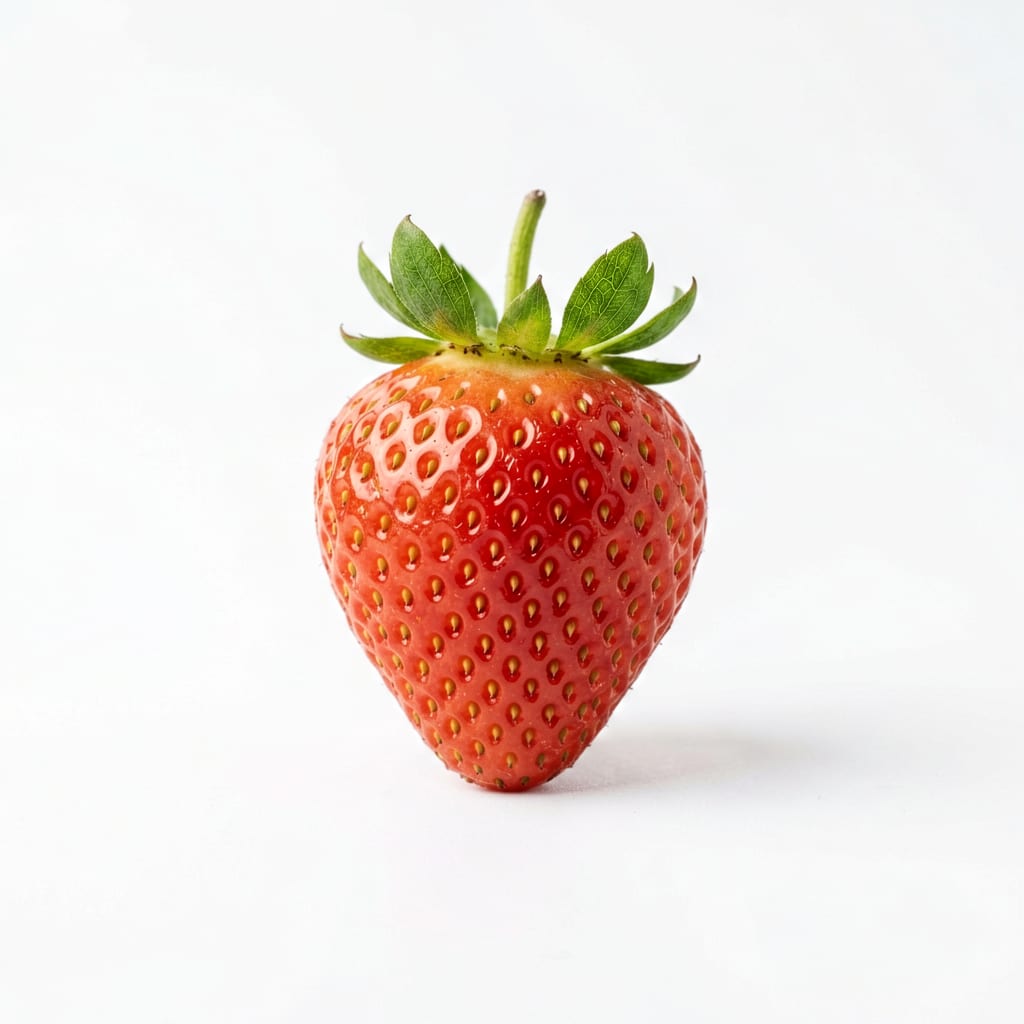
Compare with
Strawberry
Strawberries are lower in calories and higher in vitamin C. Guavaberries have a denser nutritional profile per gram of carbohydrate.
Strawberries are lower in calories and more widely available, while guavaberries provide a similar low-glycemic profile with a unique taste.
This food
Guavaberry
VS50% alike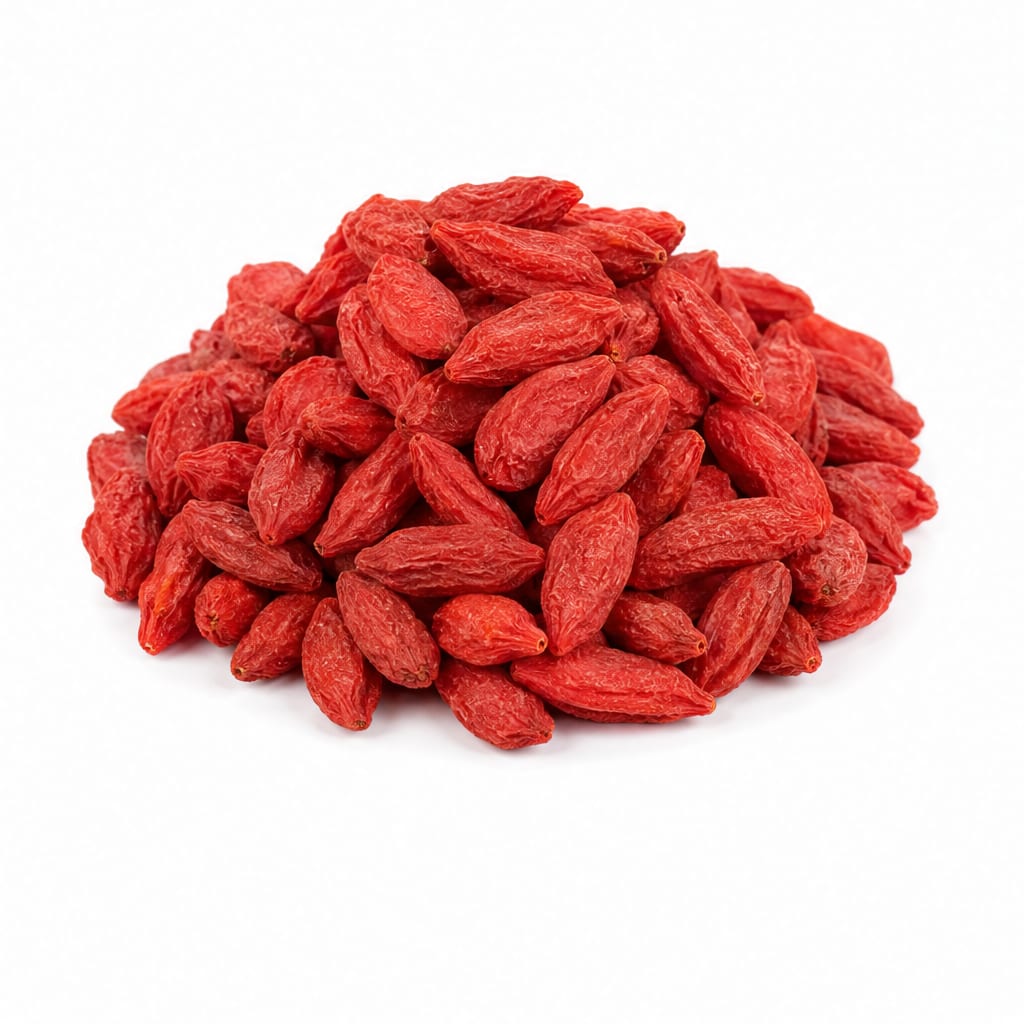
Compare with
Goji Berry
Fresh goji berries are hard to find; dried gojis are high in sugar and calories. Fresh guavaberry is lower in sugar and calories than dried goji.
Fresh guavaberries are much lower in sugar and calories compared to the commonly available dried goji berries.
Common questions
FAQ
Answers aligned with how people search for this food.
Are guavaberries good for weight loss?
Yes, fresh guavaberries are low in calories and contain moderate fiber, which helps promote satiety and manage calorie intake.
Can diabetics eat guavaberries?
Yes, fresh guavaberries have a low glycemic index and glycemic load, meaning they have a minimal impact on blood sugar levels when eaten in moderation.
Is guavaberry the same as guava?
No, despite the name, guavaberry (Myrciaria floribunda) is botanically distinct from common guava (Psidium guajava). Guavaberry is a small berry, while guava is a larger fleshy fruit.
What does guavaberry taste like?
Guavaberry has a unique tart-sweet flavor with aromatic, slightly spicy notes. It is often described as a mix between cranberry and guava.
Is guavaberry liqueur healthy?
No, guavaberry liqueur is high in added sugars and alcohol, which negates the fresh fruit's low-calorie and blood-sugar-friendly benefits.
How many carbs are in guavaberry?
There are approximately 15 grams of carbohydrates per 100 grams of fresh guavaberry, with 3.2 grams coming from fiber and 10.5 grams from natural sugars.
Where do guavaberries grow?
Guavaberries are native to the Caribbean, particularly the Virgin Islands and Puerto Rico, as well as parts of Central and South America.
Is guavaberry high in sugar?
Fresh guavaberry contains moderate natural sugars (about 10.5g per 100g), but its low glycemic index makes it a blood-sugar-friendly choice compared to sweeter tropical fruits.
Transparency
Data confidence
Estimated confidence for nutrition data, interpretation, safety notes, and comparisons.
Nutrition data
Health analysis
Food safety
Comparisons