
Nutrition comparison
Guavaberry vs Strawberry: Antioxidant Power, Pesticide Risk, and Which Berry to Eat Daily
Compare guavaberry and strawberry on antioxidants, vitamin C, sugar, pesticide exposure, and daily practicality. Find out which berry fits your health goals and lifestyle.
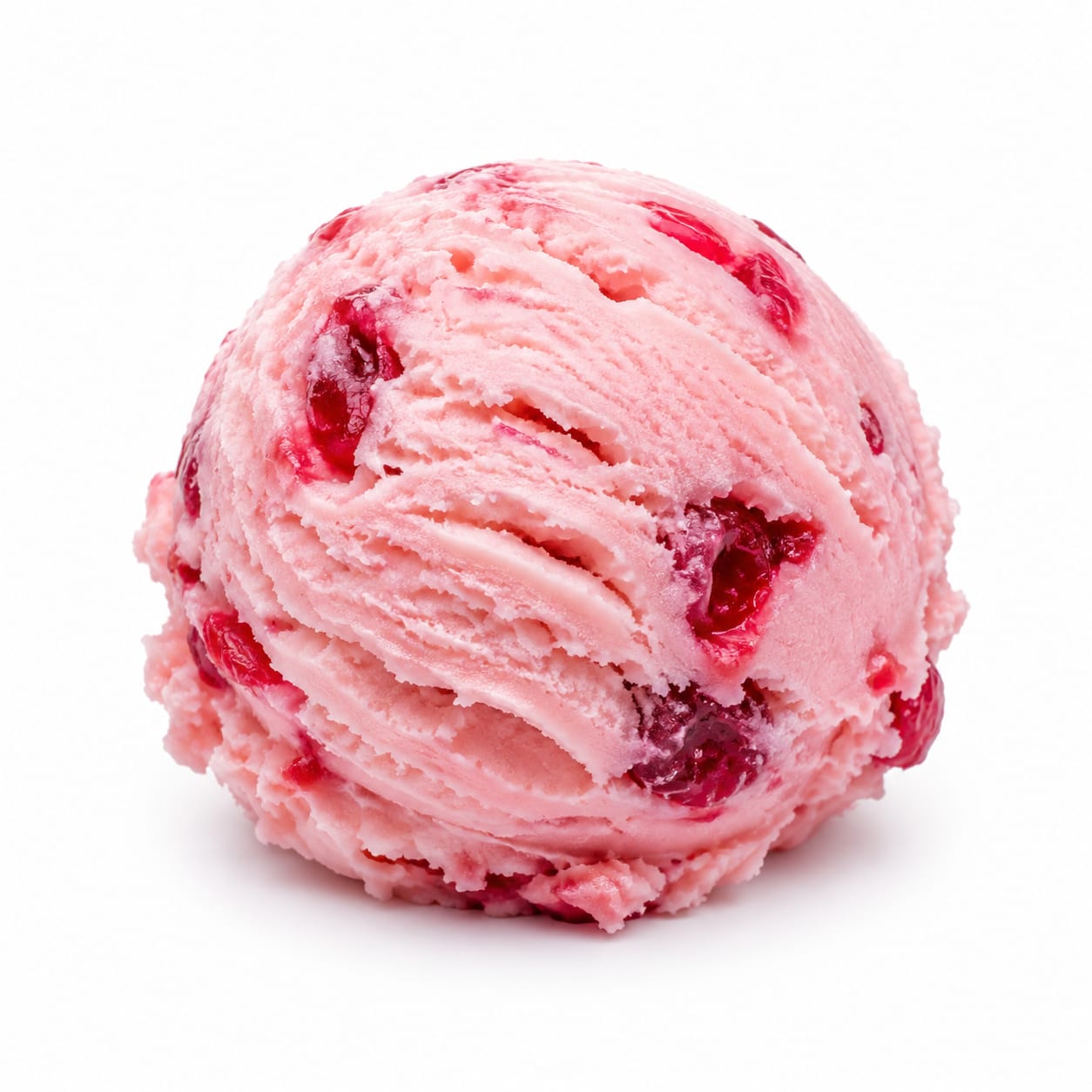
Guavaberry
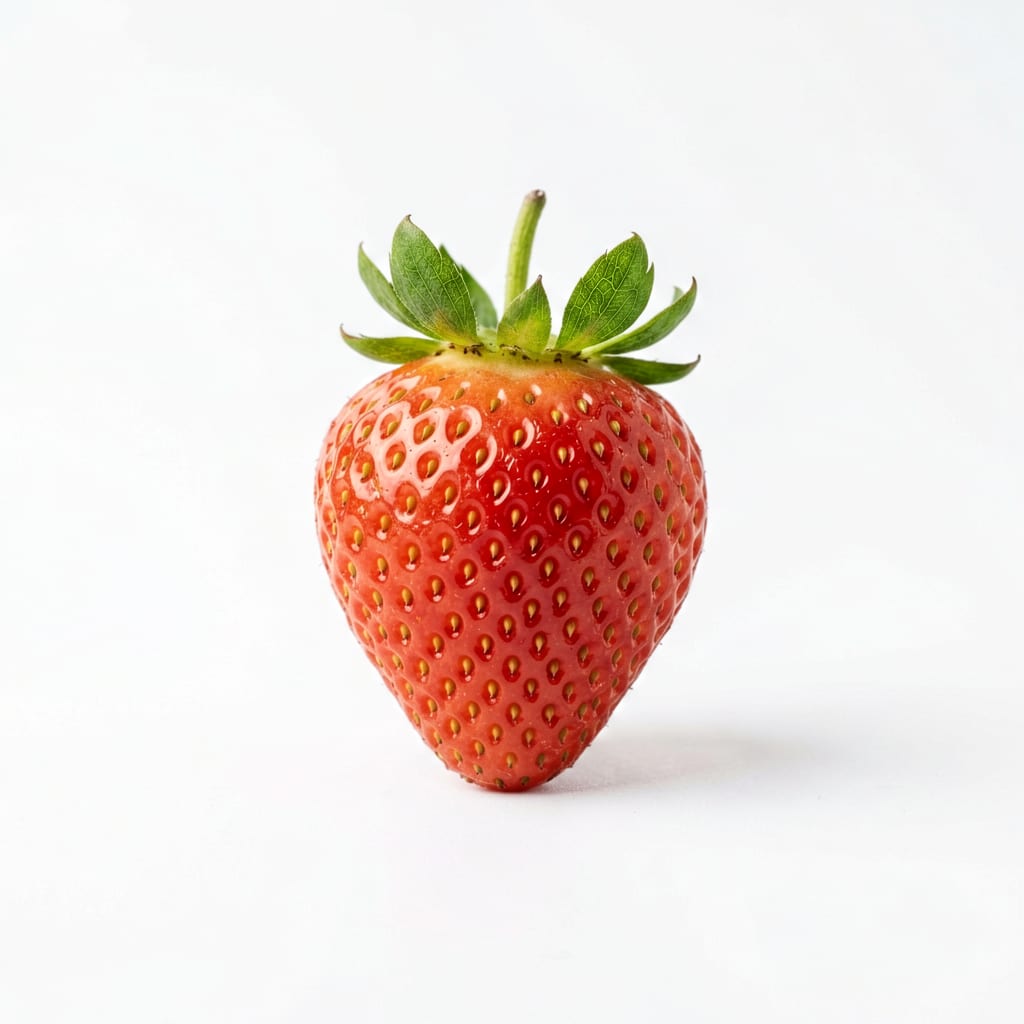
Strawberry
Guavaberry offers superior antioxidant power and vitamin C density, but Strawberry wins on availability, affordability, and research-backed health confidence.
Guavaberry scores higher on nutrient density but loses ground on availability, price, and evidence base. Strawberry benefits from decades of nutritional research and universal access, making it the safer daily choice despite slightly lower antioxidant concentration.
Exotic nutrient richness versus everyday reliability — guavaberry is the specialist, strawberry is the workhorse.
At a glance
Executive summary
Overall
It depends
Healthier
Guavaberry
More practical
Strawberry
Daily use
Strawberry
Key comparison lenses
antioxidant density and novelty
Guavaberry is prized for its exceptional anthocyanin content and unique phytonutrient profile rarely found in common berries
accessibility and everyday practicality
Strawberry is universally available year-round while guavaberry remains obscure and seasonal even in tropical regions
pesticide and contamination exposure
Strawberries consistently rank #1 on the EWG Dirty Dozen list for pesticide residues, a major consumer concern
vitamin C and immune support
Both fruits are strong vitamin C sources but guavaberry may deliver significantly more per serving
sugar load and blood impact
Both are relatively low-sugar fruits but differences in glycemic impact matter for daily consumption choices
Best choice for
Guavaberry
- People seeking maximum antioxidant intake per calorie
- Tropical fruit enthusiasts wanting novel phytonutrients
- Those with access to fresh Caribbean or Central American markets
- Anyone looking to diversify their berry consumption beyond common options
Strawberry
- Families needing an affordable, kid-friendly fruit
- People who want reliable year-round availability
- Anyone prioritizing organic berry options at mainstream grocery stores
- Meal preppers who need a versatile fruit for smoothies, salads, and snacks
Least suitable for
Guavaberry
- People on tight grocery budgets
- Anyone living outside tropical or specialty import regions
- Those who need consistent supply for daily habits
- Consumers wary of understudied foods with limited safety data
Strawberry
- People highly concerned about pesticide exposure who cannot access or afford organic
- Those seeking the most nutrient-dense berry option available
- Anyone bored with common fruits and wanting phytonutrient variety
Deep comparison
Dimension by dimension
Each lens scores both foods and breaks down who each option suits.
- Dimension 1 · Priority 95Guavaberry
antioxidant_power
Guavaberry · 91Strawberry · 72Guavaberry delivers substantially more anthocyanins and total phenolic compounds per gram than strawberry.
Tradeoff
You gain deeper antioxidant protection with guavaberry but sacrifice the extensive clinical evidence that backs strawberry's specific health claims.
Why it matters
Higher antioxidant intake correlates with lower inflammation and slower cellular aging over time.
Real-world impact
Regular guavaberry consumption could meaningfully reduce oxidative stress, especially for older adults or those with inflammatory conditions.
Guavaberry
- Reducing chronic inflammation
- Supporting cardiovascular longevity
- Combating oxidative stress from pollution or intense exercise
Better for
- Lacks human clinical trials confirming specific disease outcomes
Worse for
Strawberry
- Accessible antioxidant boost without specialty shopping
- Proven ellagic acid benefits for skin health
Better for
- Lower total phenolic content means less bang per bite for antioxidant seekers
Worse for
- Dimension 2 · Priority 82Guavaberry
vitamin_C_density
Guavaberry · 88Strawberry · 75Guavaberry likely contains significantly more vitamin C per serving than strawberry, though exact values vary by cultivar and ripeness.
Tradeoff
More immune-supporting vitamin C from guavaberry, but strawberry's vitamin C content is well-documented and consistent.
Why it matters
Vitamin C supports immune function, collagen production, and iron absorption — daily adequacy matters more than occasional spikes.
Real-world impact
A single guavaberry serving could approach or exceed your daily vitamin C needs, while strawberry requires about 1.5 cups to hit the same target.
Guavaberry
- Meeting daily vitamin C needs with less fruit volume
- Supporting immune resilience during cold season
Better for
- Variable vitamin C content due to limited commercial standardization
Worse for
Strawberry
- Consistent, label-friendly vitamin C tracking for meal planning
Better for
- Need larger portions to match guavaberry's vitamin C output
Worse for
- Dimension 3 · Priority 90Strawberry
availability_and_convenience
Guavaberry · 25Strawberry · 95Strawberry is available in virtually every grocery store worldwide year-round. Guavaberry is extremely difficult to find outside its native Caribbean and Central American range.
Tradeoff
Strawberry's convenience makes consistent daily consumption realistic. Guavaberry's rarity makes it a sporadic treat at best for most people.
Why it matters
The healthiest food is the one you can actually eat regularly. Consistency beats perfection.
Real-world impact
Most people reading this comparison will have strawberries available this week. Guavaberry may require travel, specialty import, or foraging.
Guavaberry
- Adventurous eaters who enjoy seeking out rare ingredients
- Travelers visiting the Caribbean who can try it fresh
Better for
- Near-impossible to find in most North American, European, or Asian markets
- Seasonal even in native regions
Worse for
Strawberry
- Anyone building a sustainable daily fruit habit
- Busy households needing reliable grocery staples
Better for
- Out-of-season strawberries often lack flavor and peak nutrition
Worse for
- Dimension 4 · Priority 85Guavaberry
pesticide_and_contamination_risk
Guavaberry · 82Strawberry · 45Strawberries are the most pesticide-contaminated conventional fruit in the United States. Guavaberry, typically wild-harvest or small-farm grown, carries far less pesticide exposure.
Tradeoff
Guavaberry's cleaner pesticide profile comes with potential foraging contamination risks, while organic strawberries solve the pesticide issue at higher cost.
Why it matters
Chronic low-dose pesticide exposure is linked to hormonal disruption and neurological concerns, especially in children.
Real-world impact
Choosing organic strawberries eliminates most risk but costs 50-100% more. Guavaberry is naturally low-spray but lacks formal residue testing data.
Guavaberry
- Minimal synthetic pesticide exposure from traditional growing methods
- Wild-harvested fruit avoids industrial agriculture chemicals entirely
Better for
- No formal pesticide residue testing infrastructure for guavaberry
Worse for
Strawberry
- Organic certification provides verified pesticide-free assurance
- Extensive regulatory monitoring of commercial strawberry safety
Better for
- Conventional strawberries routinely test positive for 10+ pesticide residues per sample
Worse for
- Dimension 5 · Priority 70Strawberry
sugar_and_glycemic_impact
Guavaberry · 65Strawberry · 78Strawberries are among the lowest-sugar fruits available. Guavaberry contains moderately more natural sugars, though both remain low-glycemic choices.
Tradeoff
Strawberry is slightly safer for strict blood sugar management, while guavaberry's extra sugar comes with more antioxidants as a compensating benefit.
Why it matters
For people monitoring glucose closely, even small sugar differences between fruits can influence portion decisions.
Real-world impact
A cup of strawberries delivers about 7g of sugar versus roughly 10-12g for an equivalent guavaberry portion — noticeable but not dramatic.
Guavaberry
- More satisfying sweetness may reduce cravings for less healthy sweets
Better for
- Higher sugar per serving requires more portion awareness for diabetics
Worse for
Strawberry
- Slightly better for tight glycemic control in diabetes or metabolic syndrome
- Easier to eat larger volumes without significant sugar load
Better for
- Less naturally sweet, so people may add sugar when eating plain
Worse for
- Dimension 6 · Priority 68Guavaberry
fiber_and_satiety
Guavaberry · 76Strawberry · 68Guavaberry provides slightly more dietary fiber per serving than strawberry, contributing to better fullness and digestive regularity.
Tradeoff
The fiber difference is modest — both are respectable sources. Guavaberry's edge is real but unlikely to change how full you feel after eating.
Why it matters
Fiber slows sugar absorption and keeps you satisfied longer between meals.
Real-world impact
Neither fruit is a fiber powerhouse on its own. Pair either with nuts or oats for a genuinely filling snack.
Guavaberry
- Slightly better contribution to daily fiber targets
- More skin and seed content supports digestive transit
Better for
- Fiber advantage is too small to be a deciding factor alone
Worse for
Strawberry
- Adequate fiber for a low-calorie fruit, easy to pair with other fiber sources
Better for
- Need to eat more volume to match guavaberry's fiber per serving
Worse for
Timeline
Health impact over time
Short-term
Hours to days
Guavaberry
- Quick vitamin C boost supporting immediate immune function
- Natural sugars provide mild energy lift without crash
- Anthocyanins may temporarily improve blood flow and alertness
Strawberry
- Hydrating and refreshing with very low calorie cost
- Mild blood sugar stability from low glycemic load
- Ellagic acid may provide short-term anti-inflammatory relief after consumption
Long-term
Months to years
Guavaberry
- Consistent antioxidant intake could reduce age-related cellular damage
- Potential cardiovascular benefits from regular anthocyanin consumption
- Limited long-term studies mean some benefits remain theoretical rather than proven
Strawberry
- Well-documented reduction in heart disease risk markers with regular consumption
- Established role in reducing oxidative stress and supporting healthy aging
- Pesticide exposure from conventional strawberries may partially offset benefits if organic is not chosen
Risk profile
Safety & processing
Both fruits are whole, unprocessed foods in their natural state. Guavaberry is almost always consumed fresh or traditionally preserved. Strawberries are occasionally found with added sugars in frozen or dried forms, but fresh strawberries are additive-free.
Guavaberry
Unknown allergen potential
lowGuavaberry belongs to the Myrtaceae family, which may cross-react with myrtle or eucalyptus allergies in sensitive individuals. No widespread allergic reactions documented.
Foraging misidentification
mediumWild-harvested guavaberry could be confused with less edible lookalike species by inexperienced foragers in tropical regions.
Lack of formal safety testing
lowNo major food safety regulatory body has conducted extensive toxicology on guavaberry, though traditional consumption spans centuries without noted issues.
Strawberry
Pesticide residue contamination
highStrawberries consistently rank #1 on the EWG Dirty Dozen. Conventional samples frequently contain residues of 10 or more pesticides, including neurotoxic organophosphates.
Mold and spoilage
mediumStrawberries are highly perishable and prone to Botrytis mold. Damaged or overripe berries can harbor mycotoxins.
Foodborne illness from surface contamination
lowStrawberries grow close to the ground and are hand-picked, creating opportunities for E. coli or norovirus contamination if washing is inadequate.
Who wins for whom
Audience fit
Same foods, different winners depending on your goal.
children
StrawberryStrawberries are familiar, sweet, and easy for kids to eat. Guavaberry's tartness and rarity make it a harder sell, and pesticide concerns with conventional strawberries are solved by choosing organic.
daily consumption
StrawberryConsistency is the foundation of dietary health. Strawberry's availability, affordability, and familiarity make daily consumption realistic for most people worldwide.
diabetes
StrawberryStrawberries have a lower glycemic index and less sugar per serving, making blood sugar management more predictable.
elderly
GuavaberryGuavaberry's superior antioxidant and vitamin C density supports cardiovascular and cognitive health in aging, assuming access and tolerance are not barriers.
muscle gain
It dependsNeither fruit is a meaningful protein source. Both provide vitamin C that supports collagen synthesis for joint health, but neither directly drives muscle growth.
weight loss
StrawberryStrawberries offer fewer calories per cup and lower sugar, making them easier to fit into calorie-controlled eating without feeling restricted.
Your move
Decision guide
Choose Guavaberry
- You have access to fresh or frozen guavaberry through specialty markets or travel
- Maximizing antioxidant intake per calorie is your top priority
- You want to diversify your fruit intake beyond common supermarket options
- Pesticide avoidance matters deeply and organic strawberries are unavailable or unaffordable
Choose Strawberry
- You need a reliable, affordable fruit you can buy any week of the year
- You are managing blood sugar, calories, or weight and want the lowest-sugar berry option
- You are feeding children who prefer familiar, sweeter fruits
- You can access organic strawberries and want a well-researched, safe daily fruit
Either works if
- You simply want a vitamin C-rich, low-calorie fruit snack
- You enjoy rotating different berries for nutrient diversity
- Both are available and you have no specific health restrictions
Avoid both if
- You have a known allergy to berries or fruits in the Myrtaceae or Rosaceae families
- You are on a very strict low-FODMAP diet and sensitive to fructose
- You require high-protein snacks and these fruits displace protein-rich options
Final recommendation
Eat strawberries as your daily berry staple — they are practical, well-studied, and easy to find. When guavaberry crosses your path, treat it as a nutrient-dense bonus. The best long-term strategy is consistency with strawberry and adventurous variety with guavaberry when opportunity allows. Always choose organic strawberries when possible to eliminate the pesticide concern that is this comparison's biggest health tradeoff.
Practical
Consumer tips
- 1
Buy organic strawberries whenever your budget allows — this single switch removes the primary health downside of conventional strawberries
- 2
Wash strawberries thoroughly under running water even if organic, as surface contamination and mold spores are common
- 3
If you find guavaberry, try it fresh first before preserving or cooking — heat diminishes its delicate anthocyanin content
- 4
Freeze strawberries at peak ripeness for smoothies — frozen retains most nutrients and eliminates spoilage waste
- 5
Pair either fruit with a handful of nuts or a dollop of yogurt to create a balanced snack with protein and healthy fat
- 6
Guavaberry liqueur is popular in the Caribbean but contains added sugar and alcohol — enjoy the fresh fruit instead for health benefits
- 7
Avoid strawberries with visible mold, soft spots, or white shoulders — these indicate nutrient degradation and potential mycotoxin presence