
Nutrition comparison
Guavaberry vs Cranberry: Which Berry Is Better for Your Health?
Compare guavaberry and cranberry nutrition, antioxidants, sugar content, and health benefits. Learn which berry wins for UTI prevention, diabetes management, and daily use.
Overall winner · Cranberry
Guavaberry
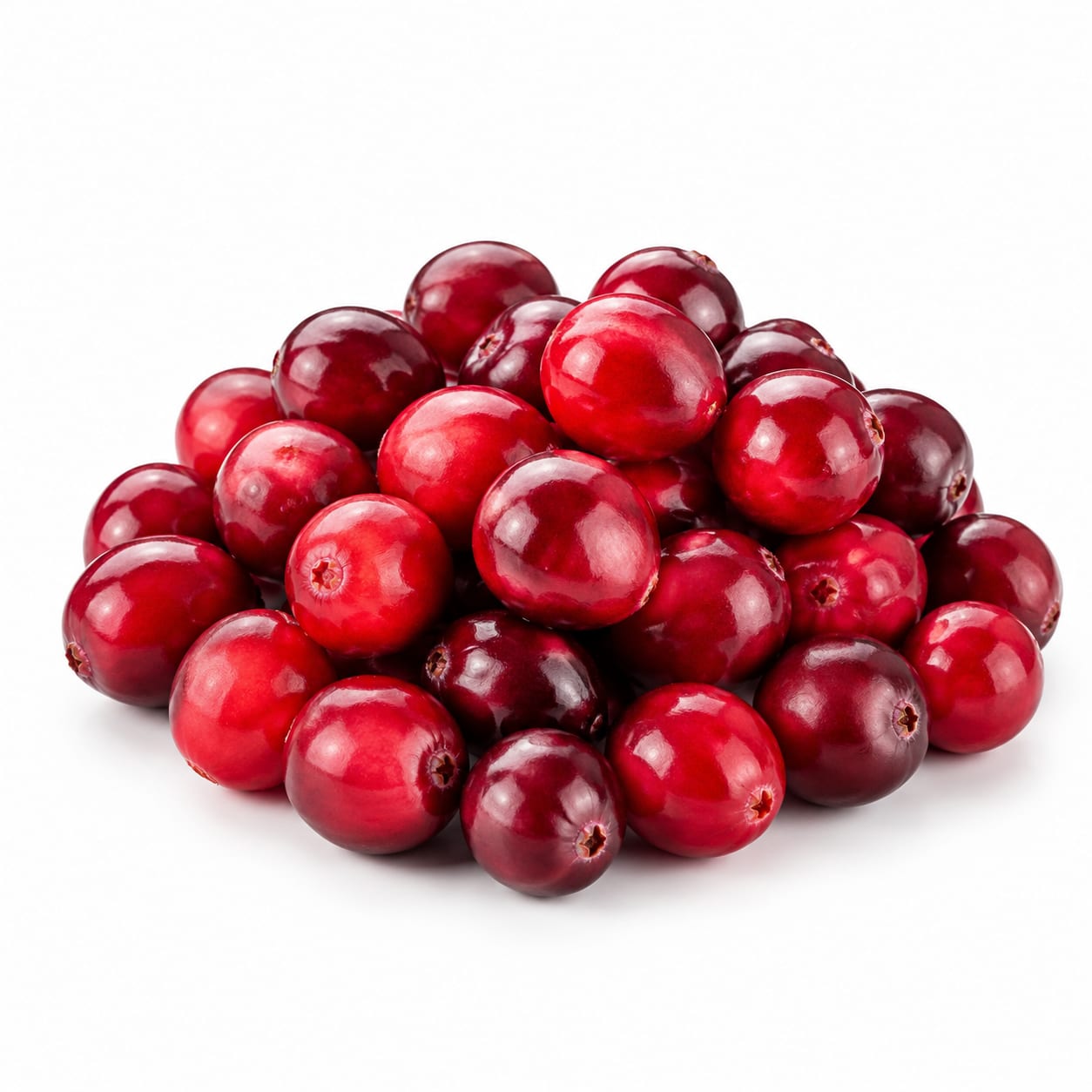
Cranberry
Cranberry wins for most people due to proven UTI benefits, wide availability, and low sugar. Guavaberry is a fascinating tropical alternative with unique antioxidants but is hard to find and less studied.
Cranberry scores notably higher due to stronger clinical evidence, superior availability, and lower sugar content. Guavaberry is nutritionally interesting but limited by scarcity and lack of research.
Guavaberry offers a sweeter, more exotic antioxidant experience, while cranberry delivers clinically-backed urinary tract protection and everyday reliability.
At a glance
Executive summary
Overall
Cranberry
Healthier
Cranberry
More practical
Cranberry
Daily use
Cranberry
Key comparison lenses
antioxidant and immune support
Both berries are prized for antioxidant content, but their profiles differ significantly — guavaberry offers tropical polyphenols while cranberry delivers unique proanthocyanidins
urinary tract health
Cranberry is the gold standard for UTI prevention; guavaberry has no equivalent evidence, making this a key differentiator
availability and everyday practicality
Cranberry is globally available year-round; guavaberry is rare and regional, making daily use unrealistic for most people
sugar and calorie conscious eating
Fresh cranberries are extremely low in sugar; guavaberry is naturally sweeter, which matters for blood sugar management
culinary versatility
Cranberry appears in juices, sauces, dried snacks, and supplements; guavaberry is mostly known for liqueur and local preparations
Best choice for
Guavaberry
- Tropical fruit enthusiasts seeking novel flavors
- People in Caribbean or Central American regions with local access
- Those wanting a sweeter berry without added sugar
- Culinary adventurers exploring rare fruits
Cranberry
- Women prone to recurrent UTIs
- Anyone managing sugar intake or diabetes
- People who want evidence-backed daily berry consumption
- Those who need reliable year-round availability
Least suitable for
Guavaberry
- People who need consistent daily intake for health conditions
- Anyone outside tropical growing regions on a budget
- Those seeking well-researched medicinal benefits
Cranberry
- People taking blood-thinning medications like warfarin without medical supervision
- Those who strongly dislike tart flavors and refuse added sweeteners
- Individuals prone to kidney stones from oxalates
Deep comparison
Dimension by dimension
Each lens scores both foods and breaks down who each option suits.
- Dimension 1 · Priority 90It depends
antioxidant_diversity_and_power
Guavaberry · 78Cranberry · 82Both are antioxidant powerhouses, but cranberry's proanthocyanidins are uniquely studied and proven. Guavaberry brings different polyphenols that may complement a diverse diet.
Tradeoff
Cranberry offers better-studied antioxidants with proven outcomes; guavaberry provides novel compounds that diversify your polyphenol intake but lack clinical validation.
Why it matters
Antioxidant diversity matters more than sheer quantity — eating different berry types gives broader cellular protection than relying on one.
Real-world impact
Regular cranberry consumption has a track record of reducing infections. Guavaberry might offer similar benefits, but you're betting on tradition rather than clinical proof.
Guavaberry
- Diversifying an already berry-rich diet
- People who eat cranberries regularly and want variety
Better for
- Anyone needing evidence-based recommendations from their doctor
Worse for
Cranberry
- First-line antioxidant berry choice
- Those wanting proven anti-adhesion benefits against bacteria
Better for
- People already consuming cranberry products who want broader polyphenol coverage
Worse for
- Dimension 2 · Priority 88Cranberry
urinary_tract_protection
Guavaberry · 25Cranberry · 95Cranberry is the most researched natural UTI preventative. Guavaberry has no equivalent evidence for urinary health.
Tradeoff
This is cranberry's signature strength and guavaberry's notable gap. If UTI prevention matters to you, this alone may decide the comparison.
Why it matters
Recurrent UTIs affect millions of women and can lead to antibiotic resistance. Cranberry offers a proven non-antibiotic prevention strategy.
Real-world impact
Daily cranberry consumption can reduce UTI recurrence by roughly 26-39% in susceptible women. No similar claim exists for guavaberry.
Guavaberry
- Not applicable for this dimension
Better for
- Anyone specifically seeking UTI prevention
Worse for
Cranberry
- Women with recurrent UTIs
- People wanting to reduce antibiotic dependence
- Post-menopausal women with urinary vulnerability
Better for
- Not applicable — cranberry dominates here
Worse for
- Dimension 3 · Priority 82Cranberry
sugar_and_blood_sugar_impact
Guavaberry · 55Cranberry · 88Fresh cranberries are among the lowest-sugar fruits available. Guavaberry is naturally sweeter with more carbohydrates per serving.
Tradeoff
Guavaberry's sweetness makes it more enjoyable to eat fresh, but cranberry's low sugar makes it safer for daily consumption and metabolic health.
Why it matters
For anyone monitoring blood sugar — including diabetics, prediabetics, and people managing weight — sugar content is a daily decision factor.
Real-world impact
A cup of fresh cranberries has roughly 4g of sugar. Guavaberry's sweeter profile means more sugar per serving, though exact data is limited due to its rarity.
Guavaberry
- People who find cranberries too tart and would otherwise add sugar
- Active individuals who can accommodate natural fruit sugar
Better for
- People who need strict glycemic control
Worse for
Cranberry
- Diabetics and prediabetics
- Keto or low-carb dieters
- Anyone managing metabolic syndrome
Better for
- Those who end up consuming cranberry products loaded with added sugar to mask tartness
Worse for
- Dimension 4 · Priority 85Cranberry
availability_and_everyday_practicality
Guavaberry · 20Cranberry · 92Cranberry is available globally in fresh, frozen, dried, juiced, and supplement forms. Guavaberry is a regional specialty most people will never encounter fresh.
Tradeoff
You can act on cranberry research today at any grocery store. Guavaberry requires travel, specialty sourcing, or settling for processed products.
Why it matters
The healthiest food is the one you can actually access and eat consistently. Exotic fruits sound appealing but fail if unavailable.
Real-world impact
Most people reading this can buy cranberries within the hour. Guavaberry might require a trip to the Caribbean or an expensive online order with uncertain quality.
Guavaberry
- Caribbean and Central American residents with local access
- Travelers seeking authentic regional experiences
Better for
- Anyone building a reliable daily nutrition routine outside tropical regions
Worse for
Cranberry
- Everyone else — literally
- People who need consistent daily intake for health conditions
Better for
- Not applicable — cranberry wins availability decisively
Worse for
- Dimension 5 · Priority 75Guavaberry
vitamin_c_and_immune_support
Guavaberry · 85Cranberry · 72Guavaberry tends to be richer in vitamin C per serving than cranberry, giving it a slight edge for immune support and collagen synthesis.
Tradeoff
Guavaberry's higher vitamin C is a genuine advantage, but cranberry still provides adequate amounts and wins on other health fronts.
Why it matters
Vitamin C supports immune function, skin health, and iron absorption. Small differences matter when you're not getting enough from other sources.
Real-world impact
If you're relying on one berry as your primary vitamin C source, guavaberry gives you more per bite. But most people get vitamin C from multiple sources daily.
Guavaberry
- People with limited vitamin C intake from other foods
- Anyone wanting maximum immune support from a single fruit
Better for
- People who can't access it regularly enough for consistent vitamin C intake
Worse for
Cranberry
- Those already getting adequate vitamin C from citrus, bell peppers, or supplements
Better for
- Individuals relying solely on cranberry for vitamin C in a restricted diet
Worse for
- Dimension 6 · Priority 70Cranberry
digestive_health_and_fiber
Guavaberry · 60Cranberry · 74Cranberry provides solid fiber content, especially when consumed whole or dried without added sugar. Guavaberry offers fiber too but with less nutritional documentation.
Tradeoff
Both support digestion when eaten whole, but cranberry's fiber profile is better understood and more reliably consumed in unsweetened forms.
Why it matters
Fiber regulates digestion, feeds gut bacteria, and slows sugar absorption. Whole berries beat juices for this reason.
Real-world impact
Adding a handful of fresh or frozen cranberries to oatmeal or a smoothie gives you fiber plus antioxidants. Guavaberry works similarly but is harder to source whole.
Guavaberry
- People who can access whole guavaberries and eat them fresh
Better for
- Those who can only find guavaberry in processed or liqueur form, which strips fiber
Worse for
Cranberry
- Anyone wanting a reliable fiber boost from a widely available berry
- People who regularly add berries to meals
Better for
- People who only drink cranberry juice, which removes most fiber benefits
Worse for
Timeline
Health impact over time
Short-term
Hours to days
Guavaberry
- Quick vitamin C boost supporting immune response
- Natural sweetness provides satisfying energy without refined sugar
- Polyphenols begin offering cellular protection within hours of consumption
Cranberry
- Proanthocyanidins start blocking bacterial adhesion in the urinary tract within hours
- Tart flavor can naturally curb appetite and reduce cravings for sweets
- Vitamin C and antioxidants provide immediate immune system support
Long-term
Months to years
Guavaberry
- Consistent polyphenol intake may reduce chronic inflammation, though evidence is indirect
- Vitamin C supports collagen production and skin health over years
- Limited clinical data means long-term benefits are plausible but unproven
Cranberry
- Reduced UTI recurrence decreases antibiotic use and protects microbiome diversity
- Regular consumption associated with improved cardiovascular markers in some studies
- Long-term antioxidant intake supports cellular aging defenses
- Potential concern: high oxalate content may contribute to kidney stone formation in susceptible individuals
Risk profile
Safety & processing
Both berries are whole foods when fresh. However, cranberry's extreme tartness drives heavy processing — most commercial cranberry products contain added sugars, juices, or oils. Guavaberry is less processed in its common forms, but this reflects its limited commercial market rather than inherent superiority.
Guavaberry
Limited safety data
lowGuavaberry has been consumed traditionally for generations with no notable toxicity concerns, but formal safety studies are sparse.
Potential pesticide exposure in commercial sources
lowSmall-scale traditional harvesting typically uses fewer chemicals, but commercial sources may vary. Data is limited.
Cranberry
Oxalate-related kidney stones
mediumCranberries contain moderate oxalates. People with a history of calcium oxalate kidney stones should moderate intake and stay well-hydrated.
Warfarin interaction
highCranberry can interact with blood-thinning medications like warfarin, potentially increasing bleeding risk. Patients on anticoagulants should consult their doctor before regular consumption.
Added sugar in processed forms
mediumCranberry juice cocktails and sweetened dried cranberries often contain substantial added sugar, undermining health benefits.
Who wins for whom
Audience fit
Same foods, different winners depending on your goal.
children
CranberryCranberry's availability and familiar forms (unsweetened sauce, blended in smoothies) make it practical for kids. Guavaberry's rarity and lack of kid-friendly preparations limit everyday use.
daily consumption
CranberryConsistency requires availability. Cranberry is accessible year-round in multiple forms, while guavaberry is a specialty item most people cannot source regularly.
diabetes
CranberryCranberry's minimal sugar content and low glycemic impact make it safer for blood sugar management. Guavaberry's sweetness translates to more carbohydrate per serving.
elderly
CranberryUTI prevention is especially valuable for older adults, and cranberry's proven track record here matters. Guavaberry cannot match this evidence base for a vulnerable population.
muscle gain
It dependsNeither berry is a protein source. Both offer antioxidants that support recovery, but neither moves the needle meaningfully for muscle building.
weight loss
CranberryFresh cranberries are extremely low in calories and sugar, making them ideal for weight management. Guavaberry's higher natural sugar content adds calories per serving.
Your move
Decision guide
Choose Guavaberry
- You live in or visit the Caribbean and have fresh access
- You want to diversify your antioxidant intake beyond common berries
- You find cranberry too tart and prefer naturally sweeter fruit
- You're curious about traditional fruits and their cultural significance
Choose Cranberry
- You want proven UTI prevention
- You're managing blood sugar, diabetes, or weight
- You need a berry you can buy at any grocery store year-round
- You want the most researched berry for daily health insurance
- You're choosing a fruit for your family's regular diet
Either works if
- You're already eating multiple berry types weekly and want variety
- You're focused on general antioxidant intake rather than specific conditions
- You enjoy exploring different fruit flavors and don't need one exclusive choice
Avoid both if
- You're on warfarin without medical guidance on berry consumption
- You have oxalate-sensitive kidney stones and haven't consulted a urologist
- You're allergic to berries or related plants in the Myrtaceae or Ericaceae families
Final recommendation
For most people, cranberry is the practical daily choice — it's available, proven, and low in sugar. Guavaberry is worth seeking out if you encounter it fresh, especially for its vitamin C and unique polyphenols, but it shouldn't replace cranberry if urinary tract health is a priority. The ideal approach: make cranberry your baseline berry and enjoy guavaberry as a special addition when available.
Practical
Consumer tips
- 1
If you find cranberry too tart, blend fresh or frozen cranberries into smoothies with sweeter fruits rather than buying sweetened cranberry products
- 2
Choose whole cranberries or unsweetened dried cranberries over juice cocktails to preserve fiber and avoid added sugar
- 3
When trying guavaberry, seek whole fruit over liqueur — the alcohol and sugar in guavaberry liqueur undermine the fruit's natural benefits
- 4
Freeze fresh cranberries when in season — they retain nutrients well and last months
- 5
If you have access to both berries, rotate them rather than choosing just one — antioxidant diversity from different berry families outperforms single-berry reliance
- 6
Anyone on blood thinners should talk to their doctor before making cranberry a daily habit