
Nutrition comparison
Guavaberry vs Blueberry: Nutrition, Antioxidants, and Which Berry to Pick
Compare guavaberry and blueberry side by side — vitamin C, antioxidants, availability, and real-world health benefits. Find out which berry fits your diet and lifestyle.
Overall winner · Blueberry

Guavaberry
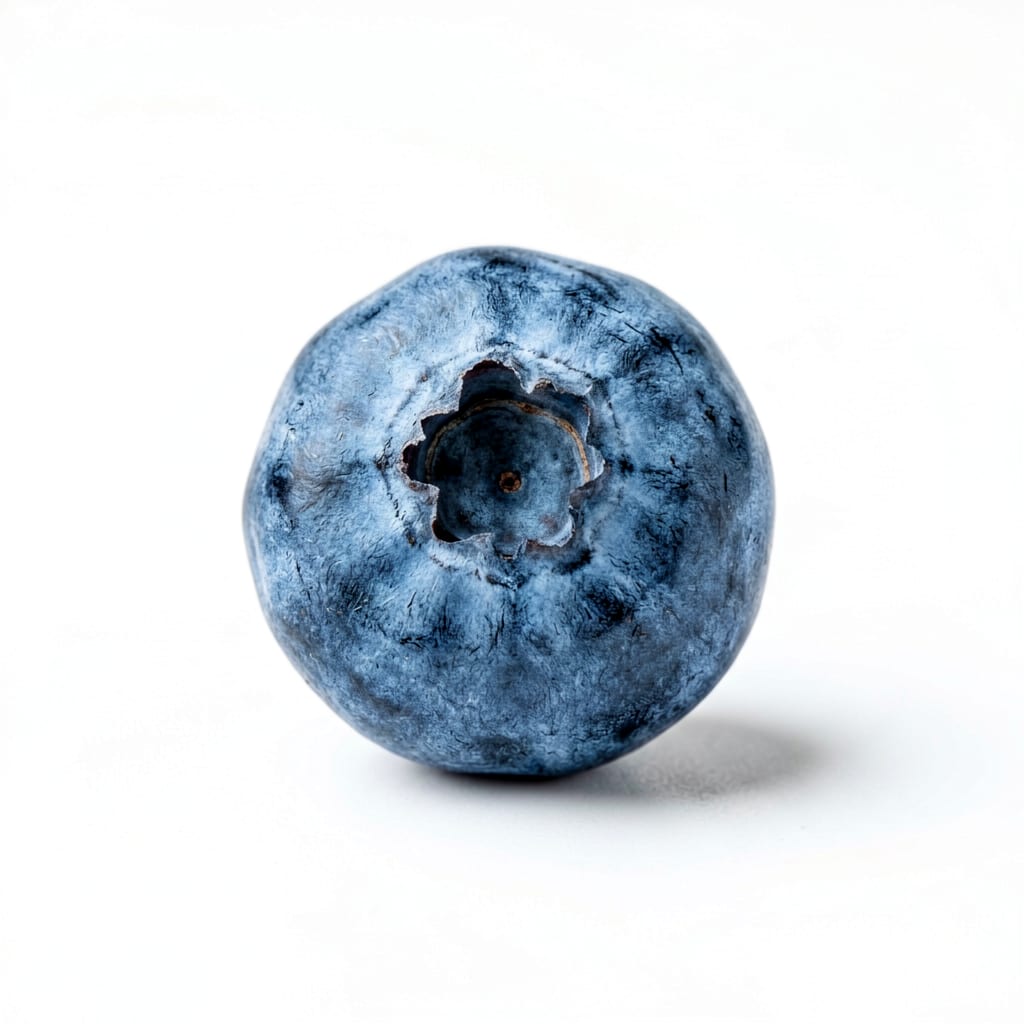
Blueberry
Blueberries win on practicality and research depth, but guavaberries offer a vitamin C and tropical polyphenol edge if you can actually find them.
Guavaberries score higher on raw nutritional density, especially vitamin C, but lose significantly on availability and evidence base. Blueberries score well across all practical dimensions and have unmatched research support, pushing them ahead for real-world decision-making.
Guavaberries deliver more vitamin C and unique antioxidants but are nearly impossible to source regularly; blueberries are reliably available and backed by strong science.
At a glance
Executive summary
Overall
Blueberry
Healthier
Guavaberry
More practical
Blueberry
Daily use
Blueberry
Key comparison lenses
antioxidant potential
Both berries are prized for antioxidant content, but their phytochemical profiles differ significantly — guavaberries offer unique tropical polyphenols while blueberries are anthocyanin powerhouses
availability and practicality
Blueberries are a grocery staple worldwide; guavaberries are extremely niche and hard to find fresh outside the Caribbean, making daily use unrealistic for most people
vitamin c and immune support
Guavaberries are notably richer in vitamin C, making them more relevant for immune-focused consumers
research backing and confidence
Blueberries have decades of clinical research behind them; guavaberries have very limited scientific literature, creating an evidence gap
blood sugar and low carb diet compatibility
Both are relatively low-sugar fruits, but subtle glycemic differences matter for diabetic or keto-curious users
Best choice for
Guavaberry
- People seeking maximum vitamin C from fruit
- Those with access to Caribbean or tropical markets
- Anyone wanting novel polyphenols not found in temperate berries
- Culinary adventurers exploring regional flavors
Blueberry
- People who want a reliable daily antioxidant source
- Anyone meal-prepping or shopping at standard grocery stores
- Those prioritizing well-studied cognitive and heart benefits
- Families needing kid-friendly, widely available fruit
Least suitable for
Guavaberry
- Anyone needing consistent weekly availability
- Budget-conscious shoppers (guavaberries are expensive when imported)
- People who want evidence-based dosage guidance from clinical trials
Blueberry
- Those specifically seeking very high vitamin C intake from berries
- People looking for exotic or novel phytonutrient profiles
Deep comparison
Dimension by dimension
Each lens scores both foods and breaks down who each option suits.
- Dimension 1 · Priority 92It depends
antioxidant_diversity_and_potency
Guavaberry · 85Blueberry · 88Blueberries have more total anthocyanins and stronger clinical evidence for antioxidant effects; guavaberries contain unique tropical polyphenols less studied but potentially complementary.
Tradeoff
Blueberries give you proven antioxidant benefits; guavaberries give you different antioxidants that lack the same research backing but may fill gaps blueberries cannot.
Why it matters
Antioxidant diversity matters because different compounds target different oxidative pathways — eating only one type of berry limits your coverage.
Real-world impact
A daily handful of blueberries has measurable effects on memory and inflammation markers within weeks. Guavaberries likely help too, but nobody has proven it in a trial yet.
Guavaberry
- Broadening your personal polyphenol spectrum beyond common berries
- Targeting tropical plant compounds with potential anti-inflammatory novelty
Better for
- No clinical trials confirming specific health outcomes
- Unknown optimal serving size for antioxidant benefit
Worse for
Blueberry
- Proven cognitive and cardiovascular antioxidant protection
- Consistent, measurable reductions in oxidative stress biomarkers
Better for
- Anthocyanin content drops significantly with cooking or prolonged storage
- Limited polyphenol diversity compared to tropical fruit varieties
Worse for
- Dimension 2 · Priority 80Guavaberry
vitamin_c_content
Guavaberry · 90Blueberry · 55Guavaberries are substantially richer in vitamin C, often delivering 3-4 times more per serving than blueberries.
Tradeoff
If immune support or collagen health is a priority, guavaberries are clearly superior — but only if you can source them fresh, since vitamin C degrades rapidly after harvest.
Why it matters
Vitamin C is water-soluble and must be replenished daily. Getting it from fruit is more effective than supplements for most people.
Real-world impact
A serving of fresh guavaberries could cover most of your daily vitamin C needs; blueberries only cover about 15-20%.
Guavaberry
- Meeting daily vitamin C targets from a single fruit serving
- Supporting immune function during cold season naturally
Better for
- Vitamin C degrades quickly during transport — imported guavaberries may lose much of this advantage
- Frozen or processed guavaberries retain less vitamin C
Worse for
Blueberry
- Providing some vitamin C alongside other well-documented benefits
- Maintaining vitamin C intake through easy year-round access
Better for
- Not a meaningful vitamin C source if that is your primary goal
- Requires pairing with other vitamin C-rich foods to meet daily needs
Worse for
- Dimension 3 · Priority 88Blueberry
availability_and_convenience
Guavaberry · 25Blueberry · 95Blueberries are available year-round in nearly every grocery store. Guavaberries are rare, seasonal, and mostly found in Caribbean markets or specialty importers.
Tradeoff
The healthiest fruit in the world is useless if you cannot buy it. Blueberries win this category decisively.
Why it matters
Consistency drives health outcomes more than occasional superfood consumption. A fruit you can eat daily beats a fruit you eat twice a year.
Real-world impact
You can grab blueberries at any supermarket any week of the year. Guavaberries might require travel, specialty ordering, or settling for processed forms like jams or liqueurs.
Guavaberry
- Offering a unique experience when you do find them
- Supporting local agriculture in Caribbean communities if sourced regionally
Better for
- Most consumers will never see fresh guavaberries in a store
- Imported versions are expensive and often sold in processed forms with added sugar
Worse for
Blueberry
- Reliable weekly meal planning and grocery shopping
- Available fresh, frozen, and organic at multiple price points
Better for
- Ubiquity can feel boring or less special
- Out-of-season imported blueberries may have lower nutrient density and higher carbon footprint
Worse for
- Dimension 4 · Priority 68Blueberry
fiber_and_digestive_health
Guavaberry · 62Blueberry · 72Blueberries provide slightly more fiber per serving and are gentler on digestion for most people. Guavaberries have moderate fiber but may cause mild stomach upset in sensitive individuals unaccustomed to them.
Tradeoff
Blueberries offer steadier digestive support with less risk of intolerance; guavaberries are fine for most but carry a small novelty-intolerance risk.
Why it matters
Fiber from whole fruit supports gut microbiome diversity and steady blood sugar. Tolerability affects whether you keep eating the fruit.
Real-world impact
A daily cup of blueberries contributes about 4g of fiber with almost no digestive complaints. Guavaberries offer similar fiber but with less predictability for new eaters.
Guavaberry
- Contributing dietary fiber alongside high vitamin C in a single fruit
- Potentially supporting gut microbiome diversity through novel plant compounds
Better for
- Possible mild GI discomfort for those unaccustomed to tropical fruit fibers
- Hard to build consistent fiber habits when the fruit is unavailable
Worse for
Blueberry
- Reliable fiber intake with extremely low digestive complaint rates
- Well-tolerated even in large servings or daily consumption
Better for
- Fiber content is decent but not exceptional compared to raspberries or blackberries
Worse for
- Dimension 5 · Priority 70It depends
blood_sugar_compatibility
Guavaberry · 72Blueberry · 75Both berries are low-glycemic and diabetes-friendly. Blueberries have a slight edge due to more data and marginally lower sugar content per typical serving.
Tradeoff
The difference is small — both are safe for blood sugar management. Blueberries just have more clinical confirmation.
Why it matters
For people with diabetes or insulin resistance, even small glycemic differences between fruits matter for daily glucose stability.
Real-world impact
Neither berry will spike your blood sugar. A handful of either is a safe snack for most diabetics, but blueberries have been specifically studied for improving insulin sensitivity.
Guavaberry
- Low sugar content per serving when consumed fresh
- Novel polyphenols may support glucose metabolism through unstudied pathways
Better for
- No glycemic index data available from clinical testing
- Processed guavaberry products like jams and syrups are high in added sugar
Worse for
Blueberry
- Clinically shown to improve insulin sensitivity with regular consumption
- Slightly lower natural sugar per typical serving
Better for
- Large servings can still contribute meaningful sugar intake
Worse for
- Dimension 6 · Priority 75Blueberry
research_evidence_and_confidence
Guavaberry · 20Blueberry · 92Blueberries are among the most studied fruits on Earth with hundreds of clinical trials. Guavaberries have almost no published human research.
Tradeoff
Blueberries give you confidence that the benefits are real and reproducible. Guavaberries are more of an educated guess based on nutrient profiles and related species.
Why it matters
Evidence-based decisions reduce the risk of wasting money or overestimating benefits from trendy but unproven foods.
Real-world impact
When a doctor or dietitian recommends berries for health, they mean blueberries — because the data exists. Guavaberries might be great, but no one can say that with scientific authority yet.
Guavaberry
- Traditional use in Caribbean folk medicine suggests long-standing cultural confidence
- Related Myrtaceae family fruits have promising research that may extend to guavaberries
Better for
- Almost no human clinical trials exist
- Health claims are extrapolated from nutrient analysis rather than demonstrated outcomes
Worse for
Blueberry
- Decades of randomized controlled trials on cognition, heart health, and inflammation
- Clear dosage guidance from published research
Better for
- Research heavily favors cultivated varieties, which may differ from wild blueberries
Worse for
Timeline
Health impact over time
Short-term
Hours to days
Guavaberry
- Quick vitamin C boost if eaten fresh and recently harvested
- Mild digestive adjustment period for those new to tropical fruit fibers
- Possible satiety from combined fiber and water content
Blueberry
- Steady energy without blood sugar spikes
- Immediate antioxidant absorption measurable within hours of eating
- Comforting, familiar taste that reduces stress-eating cravings
Long-term
Months to years
Guavaberry
- Potential immune and anti-inflammatory benefits from sustained vitamin C and polyphenol intake — but only if consumed regularly, which is impractical for most
- Possible gut microbiome benefits from novel plant compounds
- Risk of overestimating benefits due to lack of clinical confirmation
Blueberry
- Documented improvements in memory and cognitive function with daily consumption over months
- Reduced cardiovascular risk markers including blood pressure and LDL oxidation
- Sustained anti-inflammatory effects with consistent intake
Risk profile
Safety & processing
Both fruits are whole, unprocessed foods in their natural state. However, guavaberries are more commonly encountered in processed forms like jams, syrups, and liqueurs due to scarcity — these versions carry added sugar and preservatives that negate much of the raw fruit's advantage. Fresh or frozen blueberries are almost always available in unprocessed form.
Guavaberry
Added sugar in processed forms
highMost guavaberry products outside the Caribbean are jams, syrups, or liqueurs with substantial added sugar that undermines the fruit's natural health profile.
Pesticide exposure from unregulated imports
mediumGuavaberries often come from small farms without organic certification or standardized pesticide testing, making residue levels harder to verify.
Limited food safety oversight
mediumImported tropical fruits from small producers may bypass the same safety inspections that large-scale domestic berries undergo.
Blueberry
Pesticide residue on conventional berries
mediumBlueberries consistently appear on the EWG Dirty Dozen list — conventional versions carry measurable pesticide residues. Choosing organic significantly reduces this risk.
Mold and spoilage
lowBlueberries spoil quickly and can harbor mold that spreads through the container. Inspect before eating and refrigerate promptly.
Who wins for whom
Audience fit
Same foods, different winners depending on your goal.
children
BlueberryKids accept blueberries readily, they are easy to pack in lunches, and their safety profile is well established. Guavaberries are harder to find and lack child-specific safety data.
daily consumption
BlueberryYou can eat blueberries every day without effort. Guavaberries cannot sustain a daily habit for anyone outside their growing region.
diabetes
BlueberryBlueberries have a proven track record for improving insulin sensitivity and have reliable glycemic data. Guavaberries are likely safe but unverified.
elderly
BlueberryBlueberries have specific clinical evidence for cognitive protection in older adults — a rare claim any fruit can make with confidence.
muscle gain
It dependsNeither berry is a protein source. Both offer antioxidant recovery support post-workout, but blueberries have more evidence for reducing exercise-induced oxidative stress.
weight loss
BlueberryBlueberries are lower in calories per cup and easier to portion as a daily snack without added sugar from processing.
Your move
Decision guide
Choose Guavaberry
- You live in or visit the Caribbean and can get guavaberries fresh and affordable
- You want to maximize vitamin C intake from a berry source
- You already eat blueberries regularly and want to diversify your polyphenol intake
- You are curious about traditional Caribbean fruit and their cultural context
Choose Blueberry
- You want a reliable, evidence-backed daily antioxidant source
- You are shopping at a regular grocery store this week
- You care about cognitive and cardiovascular benefits with clinical proof
- You need a kid-friendly, portable, low-sugar snack
- You are managing diabetes or insulin resistance
Either works if
- You simply want more berry variety in your diet
- You are looking for low-glycemic fruit options
- You enjoy trying new fruits when traveling
Avoid both if
- You have a severe berry allergy or salicylate sensitivity
- You are on a very strict very-low-carb diet and cannot spare the carbohydrates from fruit
Final recommendation
Make blueberries your daily berry — they are practical, proven, and available. When you encounter fresh guavaberries, enjoy them as a vitamin C-rich treat and polyphenol diversity boost, but do not rely on them for consistency. The best health strategy is a blueberry habit with occasional guavaberry adventures when opportunity allows.
Practical
Consumer tips
- 1
Buy organic blueberries when possible — they rank high for pesticide residue on conventional farms
- 2
Freeze blueberries if you buy in bulk — they retain most of their antioxidants and last months longer
- 3
If you find guavaberries, eat them fresh rather than in jam or liqueur form to avoid added sugar
- 4
Mixing multiple berry types in your diet gives you broader antioxidant coverage than eating just one kind
- 5
Wash blueberries right before eating, not before storing — pre-washing accelerates mold growth
- 6
Wild blueberries have up to twice the antioxidant content of cultivated ones — check freezer sections for wild varieties