
Nutrition comparison
Guavaberry vs Guava: Nutrition, Taste, and Which Tropical Fruit Wins
Compare guavaberry and guava head-to-head on vitamin C, fiber, blood sugar impact, and availability. Learn which tropical fruit is better for daily nutrition and when to choose each.
Overall winner · Guava
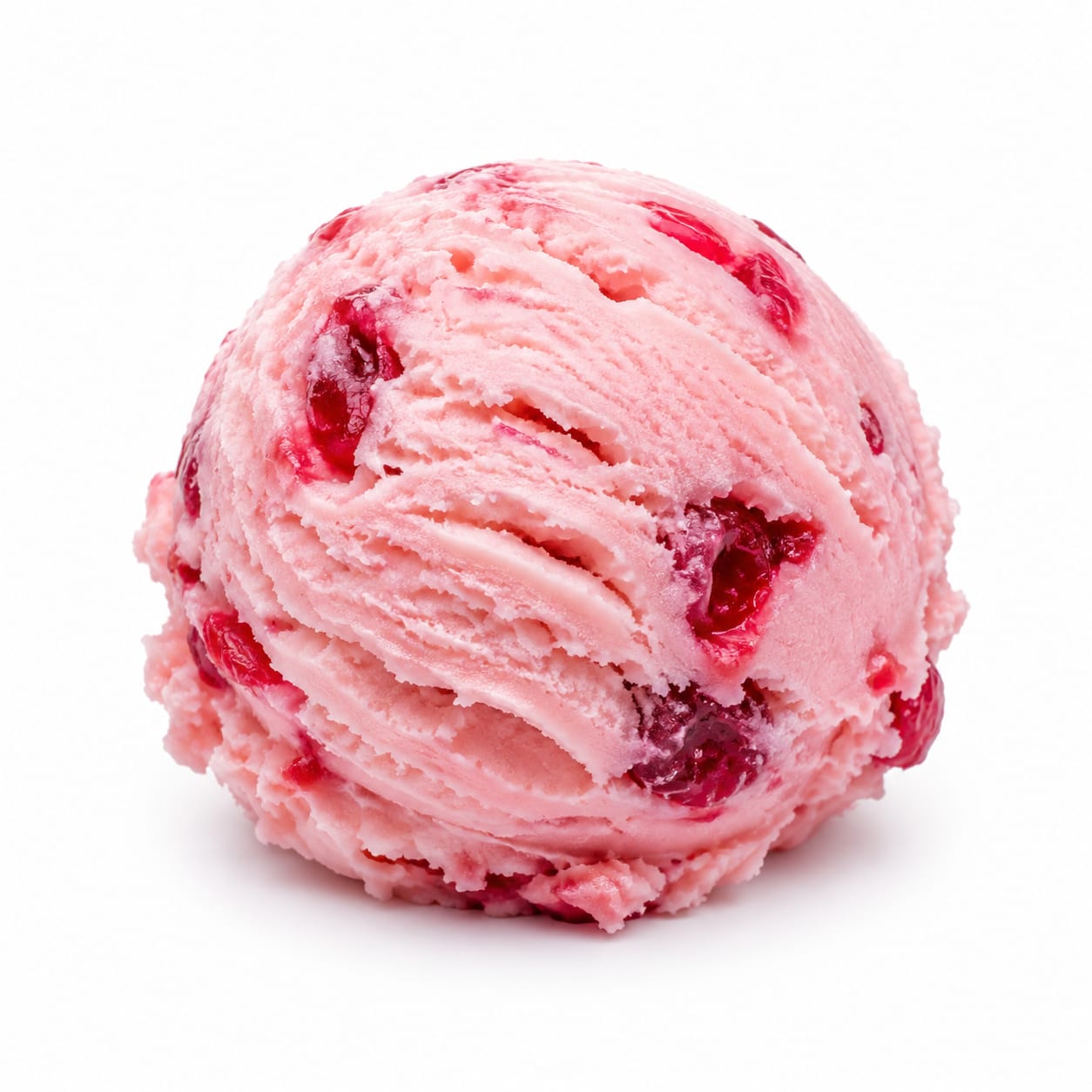
Guavaberry
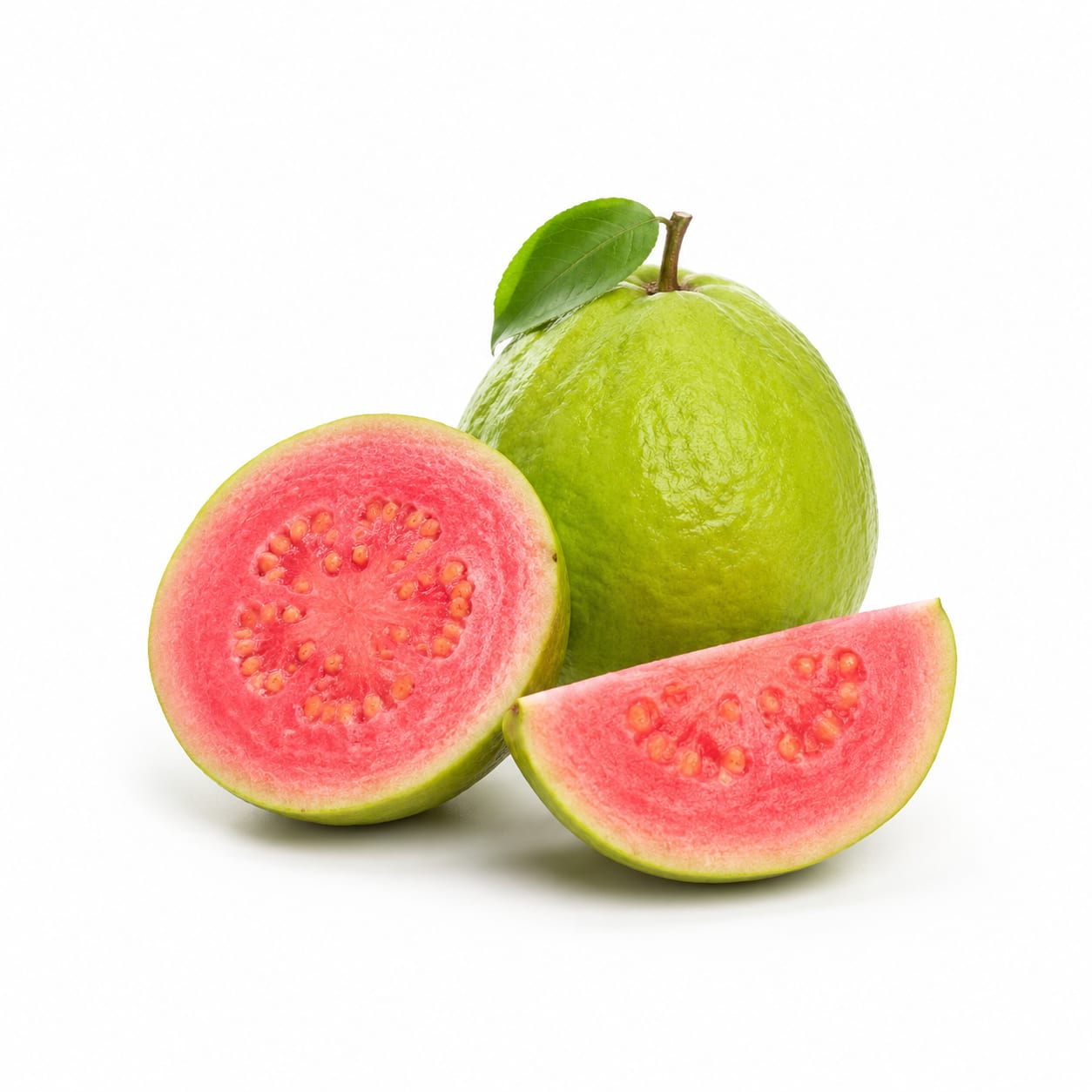
Guava
Guava dominates as a practical, nutrient-packed daily fruit, while guavaberry is a rare cultural specialty with limited nutritional data and availability.
Guava scores high due to exceptional nutrient density, wide availability, and strong evidence base. Guavaberry scores low primarily because it is rarely consumed fresh, has sparse nutritional data, and is mostly encountered as a processed product. Confidence is moderate because guavaberry's exact nutritional profile is poorly documented.
Guava offers proven, exceptional nutrition you can access regularly; guavaberry offers unique cultural tradition and novelty but almost never in fresh, whole form.
At a glance
Executive summary
Overall
Guava
Healthier
Guava
More practical
Guava
Daily use
Guava
Key comparison lenses
nutritional density comparison
Guava is one of the most nutrient-dense fruits available, while guavaberry is far less documented nutritionally and often consumed in processed forms
availability and practicality
Guava is widely available globally; guavaberry is extremely rare and mostly found in Caribbean specialty products
vitamin c and immune support
Guava is legendary for vitamin C content; guavaberry's profile is less established but likely far lower
culinary tradition vs everyday nutrition
Guavaberry carries deep cultural significance in Caribbean traditions, while guava serves as a daily nutritional staple
fresh vs processed consumption
Guava is commonly eaten fresh; guavaberry is most often consumed as liqueur, jam, or preserve, altering its health profile dramatically
Best choice for
Guavaberry
- Experiencing Caribbean cultural heritage and tradition
- Curious food explorers seeking rare, unique flavors
- Making artisanal liqueurs and specialty preserves
Guava
- Daily fruit intake with maximum vitamin C
- Fiber-rich snacking that keeps you full
- Budget-friendly tropical nutrition
Least suitable for
Guavaberry
- Anyone seeking reliable, well-documented nutritional benefits
- Daily fruit routines due to extreme scarcity
- People avoiding alcohol (since guavaberry is often in liqueur form)
Guava
- Those bored by common fruits wanting novelty
- People with tropical fruit allergies
Deep comparison
Dimension by dimension
Each lens scores both foods and breaks down who each option suits.
- Dimension 1 · Priority 95Guava
Vitamin C and Immune Support
Guavaberry · 25Guava · 98Guava delivers roughly 228mg of vitamin C per 100g—over twice your daily needs in a single fruit. Guavaberry's vitamin C content is not well established but is assumed to be modest.
Tradeoff
Choosing guavaberry means giving up one of nature's most concentrated vitamin C sources for a fruit with uncertain immune benefits.
Why it matters
Consistent vitamin C intake supports immune resilience, skin health, and iron absorption—guava makes this effortless.
Real-world impact
Eating one guava covers your vitamin C for the day. With guavaberry, you would need to rely on other foods entirely for this nutrient.
Guavaberry
- Experiencing traditional Caribbean wellness practices
Better for
- Reliable daily immune support
- Measurable vitamin C intake
Worse for
Guava
- Immune support during cold season
- Skin health and collagen production
- Recovering from illness faster
Better for
- Cultural and ceremonial significance
Worse for
- Dimension 2 · Priority 88Guava
Dietary Fiber and Satiety
Guavaberry · 30Guava · 90Guava provides about 5.4g of fiber per 100g, mostly from its edible seeds and flesh. Guavaberry's fiber content is poorly documented and often removed in processing.
Tradeoff
Guava keeps you fuller for longer with proven fiber content; guavaberry products like liqueurs contain essentially zero fiber.
Why it matters
Fiber stabilizes blood sugar, supports gut health, and prevents overeating—guava excels here as a whole food.
Real-world impact
A guava as an afternoon snack curbs hunger for hours. A guavaberry liqueur or jam does nothing for satiety.
Guavaberry
- Traditional digestive remedies in folk medicine
Better for
- Appetite control
- Digestive regularity
Worse for
Guava
- Weight management through natural fullness
- Blood sugar stability between meals
- Gut microbiome support
Better for
- Dimension 3 · Priority 92Guava
Availability and Practicality
Guavaberry · 10Guava · 82Guava is sold in grocery stores worldwide, fresh, frozen, and as juice. Guavaberry is nearly impossible to find fresh and is mostly available as a Caribbean liqueur.
Tradeoff
Guava fits into any shopping routine; guavaberry requires specialty sourcing or travel to the Caribbean.
Why it matters
Nutrition only works if you can actually access the food consistently. Rarity makes guavaberry impractical as a dietary staple.
Real-world impact
You can grab guava at most supermarkets year-round. Finding fresh guavaberry outside the Caribbean is essentially impossible.
Guavaberry
- Unique gift or souvenir from Caribbean travel
Better for
- Regular consumption
- Meal planning
- Cost-effective nutrition
Worse for
Guava
- Weekly meal prep and grocery planning
- Consistent daily fruit intake
- Budget-friendly nutrition
Better for
- Dimension 4 · Priority 78It depends
Antioxidant Diversity
Guavaberry · 65Guava · 80Guava offers well-documented antioxidants including lycopene (pink varieties), carotenoids, and flavonoids. Guavaberry contains unique anthocyanins from its dark skin but research is limited.
Tradeoff
Guava gives you proven, measurable antioxidant variety; guavaberry may offer novel compounds but lacks the evidence to confirm benefits.
Why it matters
Antioxidant diversity matters for long-term cellular protection, but only when you can consume them regularly in meaningful amounts.
Real-world impact
Eating guava daily delivers consistent antioxidant support. Guavaberry's potential antioxidants remain theoretical for most consumers.
Guavaberry
- Novel anthocyanin compounds not found in common fruits
- Unique phytochemical profile worth exploring
Better for
- Evidence-based antioxidant claims
- Consistent intake for cumulative benefit
Worse for
Guava
- Proven lycopene benefits from pink varieties
- Daily cellular protection you can count on
- Measurable ORAC scores
Better for
- Rarity of novel phytochemicals
Worse for
- Dimension 5 · Priority 72Guava
Culinary Versatility
Guavaberry · 35Guava · 85Guava works in smoothies, salads, sauces, desserts, and savory dishes. Guavaberry is almost exclusively used in liqueurs, jams, and preserves.
Tradeoff
Guava adapts to any meal or snack; guavaberry is locked into a narrow range of sweet, processed applications.
Why it matters
Versatility determines how often you actually eat something. More ways to use it means more consistent nutrition.
Real-world impact
Guava can be breakfast, snack, or dinner ingredient. Guavaberry is basically a drink or spread.
Guavaberry
- Signature Caribbean cocktails
- Artisanal jam and preserve making
Better for
- Savory cooking applications
- Fresh eating options
Worse for
Guava
- Morning smoothies
- Tropical salsas and sauces
- Fresh snacking
- Baking and desserts
Better for
- Dimension 6 · Priority 82Guava
Blood Sugar Impact
Guavaberry · 30Guava · 78Whole guava has a low glycemic index around 12-24, supported by its high fiber content. Guavaberry products, especially liqueurs and jams, are sugar-heavy with minimal fiber.
Tradeoff
Fresh guava is blood-sugar friendly; most guavaberry products will spike blood sugar due to added sugars and processing.
Why it matters
For anyone watching blood sugar—diabetics, prediabetics, or energy-sensitive eaters—form matters enormously.
Real-world impact
A fresh guava won't cause an energy crash. A guavaberry liqueur or jam almost certainly will.
Guavaberry
- Potential low GI if consumed fresh (theoretically)
Better for
- Blood sugar management when consumed as liqueur or jam
- Reliable GI data for decision-making
Worse for
Guava
- Steady energy without crashes
- Diabetic-friendly snacking
- Pre-workout fuel that won't spike
Better for
Timeline
Health impact over time
Short-term
Hours to days
Guavaberry
- Guavaberry liqueur may cause blood sugar spikes and mild intoxication
- Guavaberry jam provides quick energy but little satiety
- Fresh guavaberry (if available) would likely offer mild antioxidant benefits similar to other dark berries
Guava
- Immediate vitamin C boost supporting immune function
- Fiber provides noticeable fullness within 30 minutes
- Natural sugars deliver steady energy without crash
Long-term
Months to years
Guavaberry
- Regular consumption as liqueur could contribute to elevated blood sugar and alcohol-related risks
- Occasional traditional use poses minimal concern
- Potential unique antioxidant benefits remain unproven with long-term use
Guava
- Consistent vitamin C intake supports immune resilience and skin aging defense
- Daily fiber contributes to gut health and reduced chronic disease risk
- Lycopene from pink guava may support cardiovascular health over time
Risk profile
Safety & processing
Fresh guava is typically sold whole and unprocessed. Guavaberry is almost always encountered as a processed product—liqueur, jam, or preserve—often with added sugars, preservatives, and alcohol. This fundamentally changes the health comparison, as you are rarely comparing two whole fruits.
Guavaberry
Alcohol content in liqueur form
mediumGuavaberry liqueur contains alcohol, posing risks for pregnant women, people on certain medications, and those avoiding alcohol.
Added sugars in processed products
mediumJams and preserves typically contain high added sugar, contributing to metabolic concerns with regular use.
Limited food safety oversight for artisanal products
lowSmall-batch Caribbean guavaberry products may have less consistent quality control than commercial foods.
Guava
Pesticide residue on conventionally grown guava
lowGuava can carry pesticide residue; washing thoroughly or choosing organic reduces this concern.
Tropical fruit allergy potential
lowSome individuals with latex-fruit syndrome may react to guava, though this is uncommon.
Who wins for whom
Audience fit
Same foods, different winners depending on your goal.
children
GuavaGuava is a safe, nutritious, kid-friendly fruit. Guavaberry is typically in alcoholic or high-sugar forms inappropriate for children.
daily consumption
GuavaGuava is accessible, affordable, and nutritionally proven for daily use. Guavaberry cannot realistically be consumed daily by most people.
diabetes
GuavaWhole guava has a very low glycemic index and high fiber, making it blood-sugar friendly. Guavaberry products are sugar-heavy and unsuitable.
elderly
GuavaGuava's fiber supports digestive regularity, and vitamin C helps with immune vulnerability in aging. Guavaberry products offer no comparable benefits.
muscle gain
GuavaNeither fruit is a protein source, but guava provides vitamin C which supports collagen synthesis and recovery. Guavaberry liqueur would impair recovery.
weight loss
GuavaGuava's high fiber and low calorie density make it naturally filling. Guavaberry products are typically sugar-dense and appetite-stimulating.
Your move
Decision guide
Choose Guavaberry
- You are exploring Caribbean culture and want an authentic traditional experience
- You are a home mixologist crafting unique tropical cocktails
- You find fresh or frozen guavaberry and want to try something genuinely rare
Choose Guava
- You want a reliable daily fruit with exceptional vitamin C
- You need fiber-rich snacks that keep you full between meals
- You are managing blood sugar, weight, or immune health
- You want affordable, accessible tropical nutrition year-round
Either works if
- You enjoy tropical fruits and want variety in your diet
- You are curious about lesser-known members of the Myrtaceae family
Avoid both if
- You have a known tropical fruit allergy or latex-fruit syndrome
- You are on a strict low-carb or ketogenic diet (both contain natural sugars)
Final recommendation
Guava is the clear choice for everyday nutrition—it delivers extraordinary vitamin C, solid fiber, and blood-sugar-friendly energy in an accessible package. Guavaberry is worth experiencing for its cultural significance and unique flavor, but treat it as an occasional adventure, not a nutritional strategy. If you encounter fresh guavaberry, savor it as a rarity; otherwise, guava remains one of the smartest fruit choices you can make.
Practical
Consumer tips
- 1
If you buy guava, choose fruits that yield slightly to pressure—these are perfectly ripe and sweetest.
- 2
Pink guava varieties contain more lycopene than white ones, similar to the tomato nutrient advantage.
- 3
Guavaberry liqueur is a traditional St. Maarten product—enjoy it as an occasional treat, not a health food.
- 4
If you ever find fresh guavaberry at a specialty market, try it immediately—this is genuinely rare.
- 5
Freeze ripe guava chunks for smoothies—it preserves vitamin C and creates a naturally thick texture.
- 6
Wash guava thoroughly if conventionally grown, as the edible skin can retain pesticide residue.