
Nutrition comparison
Guavaberry vs Raspberry: Which Berry Is Better for Your Health?
Compare Guavaberry and Raspberry on fiber, vitamin C, antioxidants, and practicality. Find out which berry wins for daily nutrition, weight loss, and blood sugar management.
Overall winner · Raspberry

Guavaberry
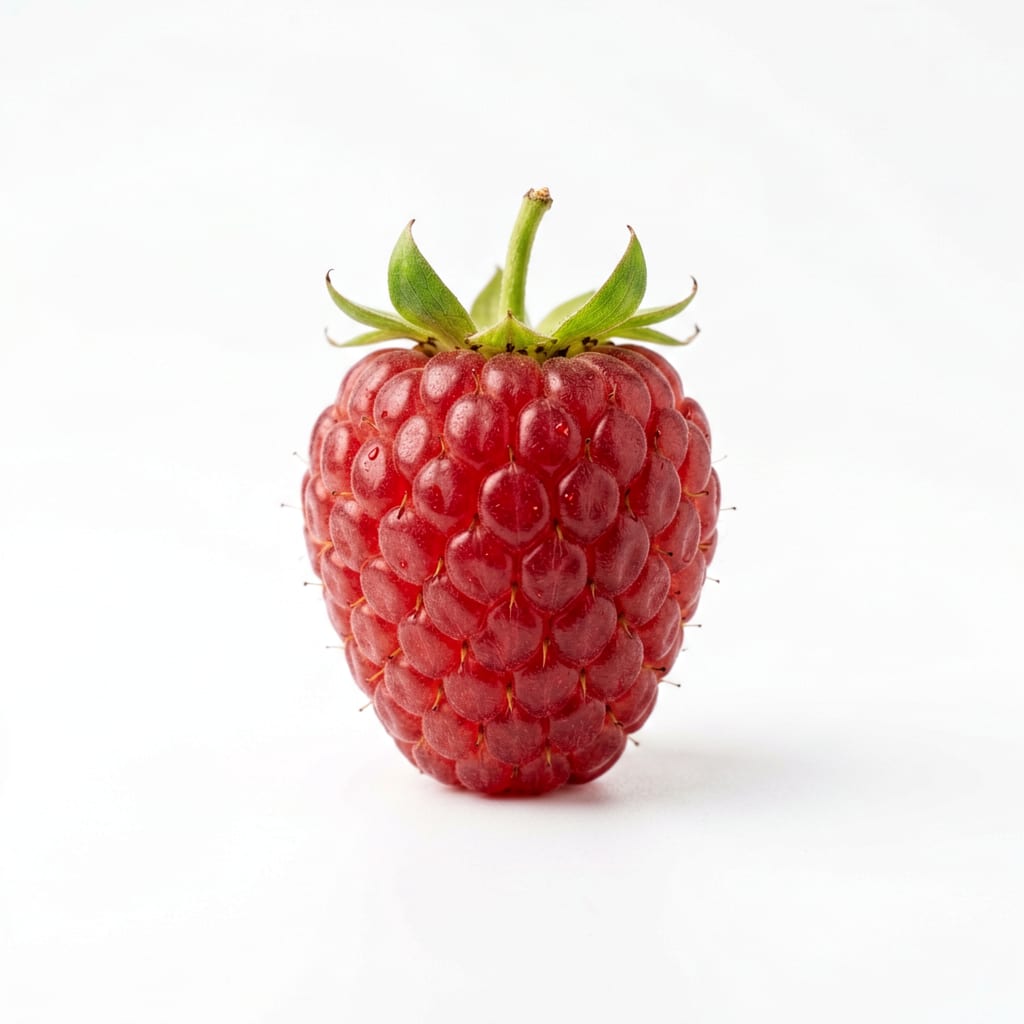
Raspberry
Raspberry wins for everyday nutrition thanks to its unmatched fiber content and easy availability, but Guavaberry is the superior vitamin C powerhouse if you can find it.
Raspberry scores significantly higher due to its exceptional fiber, wide availability, and extensive research backing. Guavaberry's nutritional profile is promising but less documented, and its scarcity makes regular consumption unrealistic for most people.
Guavaberry delivers more vitamin C and tropical novelty, while Raspberry offers far more fiber, broader access, and better-studied health benefits.
At a glance
Executive summary
Overall
Raspberry
Healthier
Raspberry
More practical
Raspberry
Daily use
Raspberry
Key comparison lenses
antioxidant potential
Both berries are prized for their antioxidant profiles, making this the core reason users compare them
fiber and satiety
Raspberry is one of the highest-fiber fruits available, a major differentiator for fullness and blood sugar
availability and practicality
Guavaberry is extremely hard to find outside tropical regions, which heavily impacts real-world decision-making
vitamin C and immune support
Guavaberry is known for exceptional vitamin C content, a key advantage worth highlighting
daily sustainability
Users want to know which berry they can realistically eat regularly for long-term benefits
Best choice for
Guavaberry
- People seeking maximum vitamin C from a whole food source
- Tropical fruit enthusiasts wanting antioxidant variety
- Travelers or residents in Caribbean regions with local access
- Those looking to diversify their berry intake beyond common options
Raspberry
- People prioritizing digestive health and regularity
- Anyone managing blood sugar or insulin sensitivity
- Weight-conscious eaters wanting maximum fullness per calorie
- Everyday consumers wanting reliable, affordable berry nutrition
Least suitable for
Guavaberry
- People without access to specialty or tropical markets
- Budget-conscious shoppers looking for affordable daily fruit
- Anyone needing consistent, well-documented nutritional data
- Those who prefer widely tested foods for medical dietary planning
Raspberry
- People bored with common berries wanting novel flavors
- Those specifically seeking extremely high tropical vitamin C doses
- Residents of tropical regions who have better local alternatives
Deep comparison
Dimension by dimension
Each lens scores both foods and breaks down who each option suits.
- Dimension 1 · Priority 95Raspberry
fiber_and_digestive_health
Guavaberry · 40Raspberry · 95Raspberry is one of the highest-fiber fruits you can eat, delivering roughly 8g per cup. Guavaberry provides modest fiber at best.
Tradeoff
Choosing Guavaberry means sacrificing the digestive and satiety benefits that make Raspberry a standout fruit for gut health.
Why it matters
Fiber is the single most under-consumed nutrient in modern diets. Raspberry makes a meaningful dent in daily needs; Guavaberry barely moves the needle.
Real-world impact
A cup of raspberries with breakfast keeps you full until lunch. Guavaberry, while tasty, leaves you hungry sooner.
Guavaberry
- Light snacking when you want flavor without feeling heavy
Better for
- Meeting daily fiber targets without supplementation
- Providing lasting satiety as a standalone snack
Worse for
Raspberry
- Improving digestion and preventing constipation
- Staying full between meals without extra calories
- Feeding beneficial gut bacteria for long-term microbiome health
- Stabilizing blood sugar after carbohydrate-containing meals
Better for
- Nothing significant — this is Raspberry's strongest dimension
Worse for
- Dimension 2 · Priority 85Guavaberry
vitamin_c_and_immune_support
Guavaberry · 92Raspberry · 65Guavaberry is a tropical vitamin C champion, significantly outpacing Raspberry in immune-supporting potential per serving.
Tradeoff
You gain a serious vitamin C boost with Guavaberry but lose the fiber and convenience that Raspberry offers.
Why it matters
Vitamin C supports immune function, collagen production, and iron absorption. Guavaberry delivers this in a concentrated, natural package.
Real-world impact
Eating Guavaberries during cold season could meaningfully support your immune defenses more than the same amount of raspberries.
Guavaberry
- Boosting immune function during illness or high-stress periods
- Supporting collagen production for skin and joint health
- Enhancing iron absorption from plant-based meals
- Recovering from intense physical exertion or travel fatigue
Better for
- Vitamin C benefits are irrelevant if you cannot source the fruit consistently
Worse for
Raspberry
- Mild immune maintenance as part of a balanced diet
Better for
- Falling short of optimal vitamin C intake if berries are your primary fruit source
Worse for
- Dimension 3 · Priority 80It depends
antioxidant_diversity
Guavaberry · 82Raspberry · 85Both berries offer impressive but different antioxidant profiles. Guavaberry brings tropical polyphenols; Raspberry delivers well-studied ellagic acid and anthocyanins.
Tradeoff
Guavaberry offers exotic antioxidant compounds less commonly consumed, while Raspberry provides antioxidants with stronger clinical evidence behind them.
Why it matters
Antioxidant diversity matters more than total load. Eating both would be ideal, but if choosing one, evidence versus novelty is the real tradeoff.
Real-world impact
Raspberry's ellagic acid has been linked to cellular protection in human studies. Guavaberry's compounds show promise but lack the same research depth.
Guavaberry
- Adding antioxidant variety to a diet already rich in common berries
- Accessing tropical polyphenols not found in temperate fruits
Better for
- Relying on antioxidants without strong human clinical evidence
Worse for
Raspberry
- Reliable cellular protection backed by extensive research
- Consistent anti-inflammatory benefits with documented outcomes
Better for
- Missing out on the unique polyphenol spectrum of tropical fruits
Worse for
- Dimension 4 · Priority 90Raspberry
availability_and_affordability
Guavaberry · 15Raspberry · 90Raspberry is available year-round in most grocery stores. Guavaberry is a specialty tropical fruit rarely found outside its native regions.
Tradeoff
Guavaberry's rarity makes it exciting and novel but functionally useless as a daily nutrition source for most people.
Why it matters
The healthiest food is the one you can actually eat regularly. Exotic superfruits sound impressive but fail this practical test.
Real-world impact
You can buy raspberries at nearly any supermarket any week of the year. Guavaberries might require travel, specialty importers, or foraging.
Guavaberry
- Experiencing unique tropical flavors during travel or special occasions
Better for
- Building any dietary pattern around a fruit you cannot reliably purchase
- Paying premium prices for imported or specialty-sourced fruit
Worse for
Raspberry
- Consistent weekly meal prep and planning
- Budget-friendly daily fruit consumption
- Reliable access regardless of season or location
Better for
- Culinary boredom for adventurous eaters seeking new flavors
Worse for
- Dimension 5 · Priority 82Raspberry
blood_sugar_stability
Guavaberry · 55Raspberry · 88Raspberry's high fiber and low sugar content make it exceptionally gentle on blood sugar. Guavaberry's lower fiber and potentially higher natural sugars make it less stable.
Tradeoff
Guavaberry may cause a quicker blood sugar rise despite its lower glycemic profile, simply because it lacks the fiber buffer that Raspberry provides.
Why it matters
For anyone managing diabetes, prediabetes, or energy crashes, fiber-to-sugar ratio matters more than total sugar content.
Real-world impact
Raspberries are a safe afternoon snack that will not trigger a crash. Guavaberries are fine in moderation but less reliable for blood sugar management.
Guavaberry
- Quick natural energy before short physical activity
Better for
- Blood sugar volatility when eaten alone in larger quantities
Worse for
Raspberry
- Managing diabetes or insulin resistance safely
- Preventing afternoon energy crashes at work
- Pairing with other foods to reduce their glycemic impact
- Late-night snacking without blood sugar disruption
Better for
- Nothing significant — this is a strong suit for Raspberry
Worse for
- Dimension 6 · Priority 70Raspberry
culinary_versatility
Guavaberry · 45Raspberry · 88Raspberry integrates easily into smoothies, oatmeal, salads, desserts, and sauces. Guavaberry is traditionally used in liqueurs and preserves but has limited mainstream culinary adoption.
Tradeoff
Guavaberry offers a unique flavor experience but few tested recipes. Raspberry works in hundreds of dishes you already know.
Why it matters
Foods you enjoy preparing and eating consistently will always outperform foods that sit unused in your kitchen.
Real-world impact
Tossing raspberries into yogurt takes zero thought. Figuring out what to do with Guavaberries requires research and experimentation.
Guavaberry
- Crafting unique cocktails or artisanal preserves
- Impressing guests with a rare tropical ingredient
Better for
- Limited recipe resources and community knowledge
- Difficulty substituting in existing berry recipes
Worse for
Raspberry
- Quick breakfast additions to oatmeal, yogurt, or cereal
- Smoothie ingredient that pairs with nearly any flavor
- Baking into muffins, pies, and desserts with proven recipes
- Adding to savory salads for color and tartness
Better for
- Lack of novelty for experienced home cooks seeking new flavors
Worse for
Timeline
Health impact over time
Short-term
Hours to days
Guavaberry
- Noticeable vitamin C boost supporting immediate immune function
- Quick natural energy from easily digested natural sugars
- Mild digestive comfort due to lower fiber load
Raspberry
- Strong feeling of fullness after eating due to high fiber content
- Stable energy without blood sugar spikes or crashes
- Gentle promotion of digestive regularity within hours
Long-term
Months to years
Guavaberry
- Potential immune resilience if consumed consistently, though access makes this unlikely for most
- Antioxidant diversity that may complement a varied diet
- Possible anti-inflammatory benefits from tropical polyphenols, though evidence is limited
Raspberry
- Improved gut microbiome diversity from consistent high fiber intake
- Better long-term blood sugar regulation and reduced diabetes risk
- Cellular protection from well-documented ellagic acid and anthocyanin intake
- Sustained weight management support through natural appetite regulation
Risk profile
Safety & processing
Both Guavaberry and Raspberry are whole, minimally processed fruits when consumed fresh or frozen. Neither typically carries additive concerns unless found in processed products like jams or liqueurs.
Guavaberry
Limited food safety data
mediumGuavaberry lacks the extensive safety testing of common commercial fruits. While traditionally consumed safely, formal regulatory scrutiny is minimal.
Potential pesticide exposure in imported fruit
mediumImported tropical fruits may carry pesticide residues from countries with different agricultural regulations. Washing thoroughly is essential.
Allergenic uncertainty
lowAs a less commonly consumed fruit, allergic reaction profiles are not well documented. First-time consumers should try small amounts.
Raspberry
Pesticide residue on conventional raspberries
mediumRaspberries consistently appear on EWG's Dirty Dozen list. Organic options significantly reduce this concern.
Mold and spoilage
lowRaspberries are highly perishable and can develop mold quickly. Inspect before eating and consume within days of purchase.
Oxalate content
lowRaspberries contain moderate oxalates, which may concern people prone to kidney stones. This is rarely an issue at normal consumption levels.
Who wins for whom
Audience fit
Same foods, different winners depending on your goal.
children
RaspberryRaspberries are familiar, widely available, and easy to incorporate into kid-friendly meals. Guavaberry's rarity and unknown allergen profile make it a less practical choice for children.
daily consumption
RaspberryRaspberry can be eaten daily with clear benefits and zero practical barriers. Guavaberry's availability makes daily consumption impossible for most people.
diabetes
RaspberryRaspberry's high fiber and low sugar content make it one of the safest fruits for blood sugar management. Guavaberry's lower fiber makes it less predictable.
elderly
RaspberryRaspberry's fiber supports digestive regularity, a common concern for older adults. Its well-documented health profile also provides confidence for medically complex diets.
muscle gain
It dependsNeither berry is a significant protein source. Guavaberry's extra vitamin C may slightly support recovery, but the difference is negligible for muscle building.
weight loss
RaspberryRaspberry's exceptional fiber-to-calorie ratio creates natural fullness that reduces overeating, making it one of the best fruits for weight management.
Your move
Decision guide
Choose Guavaberry
- You live in or visit the Caribbean and have fresh local access
- You want to maximize vitamin C intake from whole foods
- You are looking for antioxidant diversity beyond common berries
- You enjoy exploring rare tropical fruits and their unique flavors
Choose Raspberry
- You want a reliable daily fruit that supports digestion and fullness
- You are managing blood sugar, weight, or metabolic health concerns
- You need an affordable, accessible berry available year-round
- You value well-researched health benefits with strong clinical evidence
Either works if
- You simply want a delicious berry snack and both are available
- You are building a diverse fruit intake and can rotate both
- Your primary goal is general antioxidant support from whole fruits
Avoid both if
- You have a known berry allergy or sensitivity
- You are on a severely restricted low-fodmap diet under medical supervision
- You require high-calorie or high-protein foods for medical weight gain
Final recommendation
Make Raspberry your everyday berry for its fiber, blood sugar stability, and reliable access. Treat Guavaberry as a special-occasion tropical boost when you can find it, enjoying its vitamin C and unique flavor as a supplement to your routine rather than a replacement for it.
Practical
Consumer tips
- 1
Buy organic raspberries when possible — they rank high for pesticide residue on conventional farms
- 2
Freeze raspberries immediately if not eating within two days to prevent mold waste
- 3
If you find Guavaberries, enjoy them fresh rather than in liqueurs or preserves to avoid added sugar
- 4
Pair raspberries with a protein source like Greek yogurt for a balanced snack that keeps you full for hours
- 5
Blend raspberries into smoothies with spinach — their fiber helps slow absorption of all the sugars in the drink
- 6
When traveling in the Caribbean, ask locals about Guavaberry season for the freshest experience