
Nutrition comparison
Guavaberry vs Acai Berry: Which Tropical Superfruit Is Actually Better for You?
Compare guavaberry and acai berry on antioxidants, healthy fats, vitamin C, availability, and real-world practicality. Find out which berry fits your health goals and lifestyle.

Guavaberry
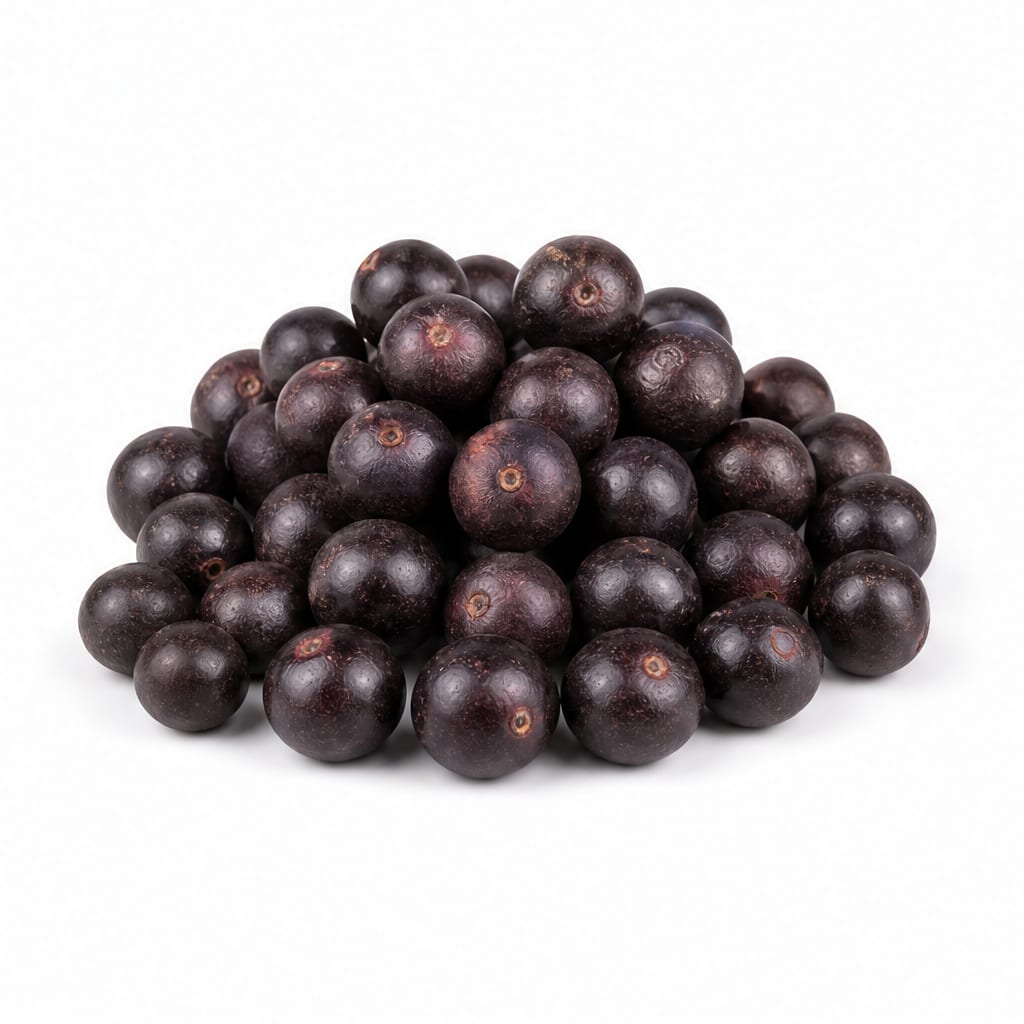
Acai Berry
Acai Berry wins on healthy fats, fiber, and everyday accessibility, while Guavaberry offers more vitamin C and a brighter, tangier flavor profile that suits different culinary uses.
Acai Berry scores higher primarily due to superior availability, healthy fat content, and fiber density. Guavaberry is nutritionally impressive but its extreme scarcity outside the Caribbean significantly limits real-world usefulness. The moderate confidence score reflects limited clinical data on guavaberry specifically.
Acai Berry is the practical, nutrient-dense daily choice you can actually find at stores, whereas Guavaberry is a rare tropical gem with superior vitamin C but almost impossible to source fresh outside its native region.
At a glance
Executive summary
Overall
It depends
Healthier
Acai Berry
More practical
Acai Berry
Daily use
Acai Berry
Key comparison lenses
antioxidant potential
Both berries are prized for antioxidant density, making this the primary reason users compare them
superfood legitimacy
Acai is heavily marketed as a superfood while guavaberry is lesser-known, so users want to know if the hype is justified
availability and practicality
Guavaberry is extremely hard to find fresh outside the Caribbean, while acai is widely available frozen or powdered
healthy fat content
Acai is unusual among berries for its omega fat content, a key differentiator
vitamin c and immune support
Guavaberry tends to be richer in vitamin C, making immune support a relevant comparison angle
Best choice for
Guavaberry
- Vitamin C and immune support prioritization
- Tropical flavor exploration and culinary novelty
- Caribbean cultural and traditional recipes
Acai Berry
- Daily antioxidant and omega-fat intake
- Smoothie bowls and blended breakfast routines
- Consistent, reliable access to a nutrient-dense berry
Least suitable for
Guavaberry
- Anyone needing reliable weekly grocery availability
- Budget-conscious shoppers seeking affordable berries
Acai Berry
- Those avoiding calorie-dense foods, as acai is fattier than most berries
- People sensitive to superfood marketing hype who want straightforward fruit
Deep comparison
Dimension by dimension
Each lens scores both foods and breaks down who each option suits.
- Dimension 1 · Priority 92Acai Berry
antioxidant_density
Guavaberry · 78Acai Berry · 88Both berries are antioxidant powerhouses, but acai's anthocyanin and polyphenol profile has been more extensively studied and consistently ranks among the highest ORAC values of any fruit.
Tradeoff
Guavaberry has strong antioxidants too, but the research base is thinner, so confidence in its exact potency is lower.
Why it matters
Higher antioxidant intake correlates with reduced oxidative stress, which affects aging, inflammation, and long-term disease risk.
Real-world impact
Regular acai consumption gives you a well-documented antioxidant boost you can feel confident about, while guavaberry's benefits are likely real but harder to verify.
Guavaberry
- Diverse antioxidant exposure from a less common fruit source
Better for
- Less research means less certainty about actual in-body effects
Worse for
Acai Berry
- Consistent, studied antioxidant protection with measurable ORAC scores
Better for
- Marketing hype can lead to overestimating real-world antioxidant benefits
Worse for
- Dimension 2 · Priority 80Acai Berry
healthy_fat_content
Guavaberry · 30Acai Berry · 85Acai is one of the few berries containing meaningful amounts of omega-3, omega-6, and omega-9 fatty acids, while guavaberry is a typical low-fat fruit.
Tradeoff
Acai's fat content makes it more calorie-dense per serving, which is great for satiety but requires portion awareness if watching calories.
Why it matters
Omega fats support heart health, brain function, and skin integrity — nutrients rarely found in berries.
Real-world impact
An acai bowl provides healthy fats that keep you full longer, whereas guavaberry is a lighter, refreshing fruit without the satiety boost.
Guavaberry
- Lower calorie density if you want a light snack
Better for
- Missing the healthy fat profile that makes acai unique among berries
Worse for
Acai Berry
- Heart-healthy omega fats in a fruit form
- More satisfying and filling as a meal component
Better for
- Higher calorie count per serving compared to most other berries
Worse for
- Dimension 3 · Priority 70Guavaberry
vitamin_c_and_immune_support
Guavaberry · 82Acai Berry · 45Guavaberry delivers significantly more vitamin C per serving, supporting immune function and collagen synthesis more effectively than acai.
Tradeoff
Acai provides other nutrients but falls short on vitamin C, meaning you would need complementary vitamin C sources in your diet.
Why it matters
Vitamin C is essential for immune resilience, wound healing, and skin health — and many people don't get enough.
Real-world impact
Eating guavaberry gives a noticeable immune-supportive vitamin C hit, while acai alone leaves a gap you would need to fill with citrus or other fruits.
Guavaberry
- Stronger immune support from concentrated vitamin C
- Better for skin health and collagen production
Better for
- Vitamin C degrades quickly with storage, reducing benefit if not fresh
Worse for
Acai Berry
- Compensates with other polyphenols that support immunity indirectly
Better for
- Noticeably low vitamin C for a fruit marketed as a superfood
Worse for
- Dimension 4 · Priority 72Acai Berry
fiber_and_digestive_health
Guavaberry · 60Acai Berry · 80Acai provides more dietary fiber per serving, supporting digestion and blood sugar stability better than guavaberry.
Tradeoff
Neither berry is a fiber powerhouse compared to whole grains or legumes, so both need to be part of a broader high-fiber diet.
Why it matters
Fiber keeps you regular, stabilizes blood sugar, and feeds beneficial gut bacteria.
Real-world impact
An acai bowl with toppings can contribute meaningfully to your daily fiber goal, while guavaberry is a lighter contribution.
Guavaberry
- Lighter digestive load if you have a sensitive stomach
Better for
- Less fiber means less satiety and weaker blood sugar buffering
Worse for
Acai Berry
- Better blood sugar stabilization from higher fiber content
- More gut-friendly prebiotic potential
Better for
- Still not enough fiber to be a primary digestive health food
Worse for
- Dimension 5 · Priority 85Acai Berry
availability_and_convenience
Guavaberry · 20Acai Berry · 88Acai is widely available as frozen pulp, powder, and in smoothie bowls at grocery stores and cafes worldwide. Guavaberry is extremely difficult to find outside the Caribbean and parts of Central America.
Tradeoff
Acai's commercial availability means you can actually eat it regularly, while guavaberry remains a rare specialty item most people will never encounter fresh.
Why it matters
Nutritional value means nothing if you cannot access the food consistently enough to benefit from it.
Real-world impact
You can build a daily acai habit at most grocery stores. Guavaberry requires travel, specialty importers, or luck at tropical markets.
Guavaberry
- More special and novel when you do find it
Better for
- Essentially unavailable for most consumers globally
- No reliable supply chain for consistent consumption
Worse for
Acai Berry
- Available year-round in frozen and powdered forms
- Easy to incorporate into regular meal prep routines
Better for
- Frozen and powdered forms may have slightly reduced nutrient potency versus fresh
Worse for
- Dimension 6 · Priority 65It depends
flavor_and_culinary_versatility
Guavaberry · 72Acai Berry · 75Guavaberry offers a tangy, complex tropical flavor that shines in jams, liqueurs, and desserts. Acai has an earthy, berry-chocolate flavor that works beautifully in bowls and smoothies but is less versatile beyond blended formats.
Tradeoff
Guavaberry's tartness is more culinarily flexible, while acai's unique flavor is beloved but somewhat one-dimensional in application.
Why it matters
Enjoyment drives consistency. The food you actually want to eat is the one you will keep eating.
Real-world impact
Acai bowls are a satisfying breakfast ritual. Guavaberry jam or liqueur is a special-occasion treat with a distinct island character.
Guavaberry
- More versatile across sweet and savory applications
- Brighter, more refreshing flavor for hot climates
Better for
- Tartness may not appeal to everyone, especially children
Worse for
Acai Berry
- Rich, satisfying flavor that feels like a treat while being nutritious
- Pairs exceptionally well with granola, banana, and other bowl toppings
Better for
- Earthy flavor can taste muddy if not blended with sweeter fruits
Worse for
Timeline
Health impact over time
Short-term
Hours to days
Guavaberry
- Quick vitamin C boost supporting immediate immune function
- Light, refreshing hydration from high water content
- Mild blood sugar increase from natural fruit sugars
Acai Berry
- Sustained energy from healthy fats and fiber slowing digestion
- Noticeable fullness after eating, reducing between-meal snacking
- Steadier blood sugar response compared to typical sweet fruits
Long-term
Months to years
Guavaberry
- Consistent vitamin C intake supports skin elasticity and immune resilience over time
- Antioxidant diversity from a less common fruit source may complement other berry intake
- Limited practical access reduces likelihood of meaningful long-term consumption patterns
Acai Berry
- Regular omega fat intake from a fruit source supports cardiovascular health long-term
- Sustained antioxidant exposure may reduce markers of inflammation and oxidative stress
- Calorie density requires portion mindfulness to avoid unintended weight gain over time
Risk profile
Safety & processing
Guavaberry is typically consumed fresh or in traditional preparations like jams and liqueurs with minimal processing. Acai, while starting as a whole fruit, almost always reaches consumers as frozen pulp or powder, which involves processing that can reduce some nutrient potency and occasionally includes added sugars or fillers in lower-quality products.
Guavaberry
Limited food safety regulation in informal markets
mediumGuavaberry is often sold in informal or local markets in the Caribbean where food safety oversight may be less rigorous than in regulated grocery supply chains.
Potential pesticide exposure in conventional farming
lowSmall-scale guavaberry farming tends to use fewer pesticides, but data is limited and unregulated use is possible.
Acai Berry
Added sugars and fillers in commercial acai products
mediumMany frozen acai packets and powders contain added sugars, soy lecithin, or other fillers that reduce purity and add unnecessary ingredients.
Oxidation during transport reducing nutrient quality
lowAcai degrades quickly after harvesting, and even flash-frozen products may have reduced anthocyanin content compared to truly fresh fruit.
Who wins for whom
Audience fit
Same foods, different winners depending on your goal.
children
Acai BerryAcai's milder, sweeter flavor when blended is more kid-friendly, and its widespread availability in kid-popular formats like smoothie bowls makes it more practical for families.
daily consumption
Acai BerryAcai's reliable availability, established supply chain, and versatile breakfast-friendly formats make it far more sustainable as a daily habit.
diabetes
Acai BerryAcai's fiber and fat content slow sugar absorption more effectively, leading to steadier blood sugar responses compared to guavaberry's quicker-digesting carbohydrate profile.
elderly
Acai BerryAcai's anti-inflammatory properties and heart-healthy fats are particularly beneficial for older adults concerned about cardiovascular and cognitive health.
muscle gain
Acai BerryAcai's healthy fats and slightly higher calorie content support the caloric surplus needed for muscle building, and its anti-inflammatory polyphenols may aid recovery.
weight loss
GuavaberryGuavaberry's lower calorie density and higher vitamin C make it a lighter option for calorie-controlled diets, though acai's fiber and fat provide better satiety at the cost of more calories per serving.
Your move
Decision guide
Choose Guavaberry
- You have access to fresh guavaberry through travel or specialty suppliers
- Vitamin C intake is your top nutritional priority
- You want a tart, refreshing tropical fruit for jams, sauces, or cocktails
- You are exploring diverse antioxidant sources beyond common superfoods
Choose Acai Berry
- You want a nutrient-dense berry you can actually buy at the grocery store
- Heart-healthy omega fats from a fruit source matter to you
- You enjoy smoothie bowls and blended breakfast routines
- You need a satisfying, filling fruit that curbs hunger between meals
Either works if
- You simply want more berry diversity in your diet
- Antioxidant intake from any whole fruit source is your goal
- You enjoy trying new flavors and rotating different fruits seasonally
Avoid both if
- You have a berry allergy or sensitivity to similar tropical fruits
- You are strictly limiting fruit sugar intake for ketosis or very low-carb protocols
Final recommendation
For most people, Acai Berry is the more practical and sustainable choice because you can actually find it, afford it, and build a consistent habit around it. Guavaberry is worth seeking out if you encounter it — its vitamin C content and unique flavor are genuinely special — but it is not realistic as a daily staple. If you can access both, rotate them for broader antioxidant and nutrient coverage.
Practical
Consumer tips
- 1
Read acai product labels carefully — many frozen packets and powders contain added sugars or fillers that dilute the nutritional value
- 2
Look for acai products with a single ingredient: pure acai pulp or powder with nothing else added
- 3
If you find fresh guavaberry, eat it quickly — vitamin C degrades rapidly after harvest
- 4
Freeze guavaberry immediately if you cannot consume it within a day or two to preserve nutrients
- 5
Blend acai with a vitamin C-rich fruit like banana or mango to compensate for its low vitamin C content
- 6
Be skeptical of acai supplements making dramatic weight loss or anti-aging claims — the evidence does not support them
- 7
Guavaberry liqueur is traditional but contains alcohol and added sugar, so enjoy it as an occasional treat rather than a health food