
Nutrition comparison
Guavaberry vs Cherry: Which Is Healthier and What Are the Tradeoffs?
Compare guavaberry and cherry on vitamin C, sugar, antioxidants, sleep benefits, and availability. Learn which fruit fits your health goals and daily lifestyle best.
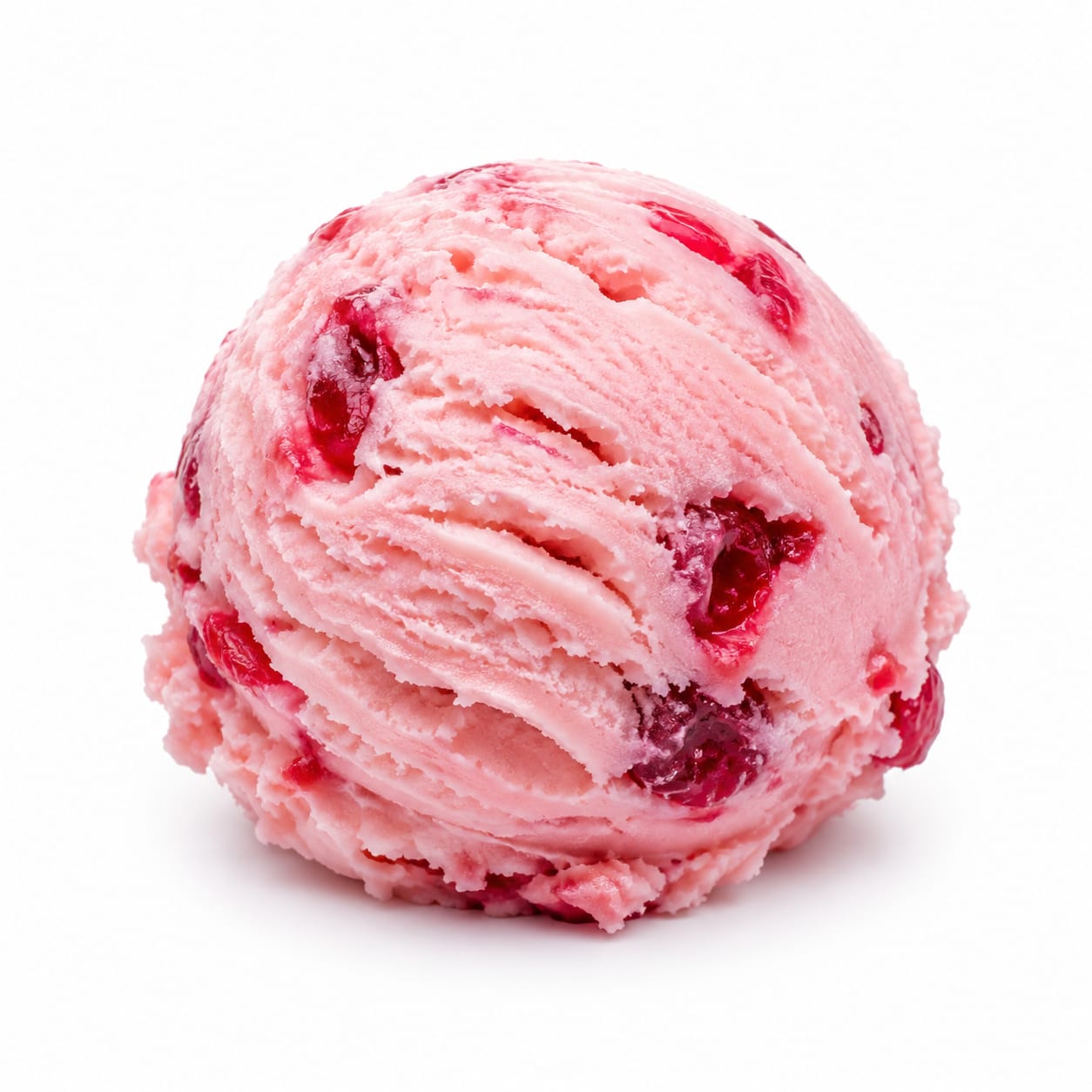
Guavaberry
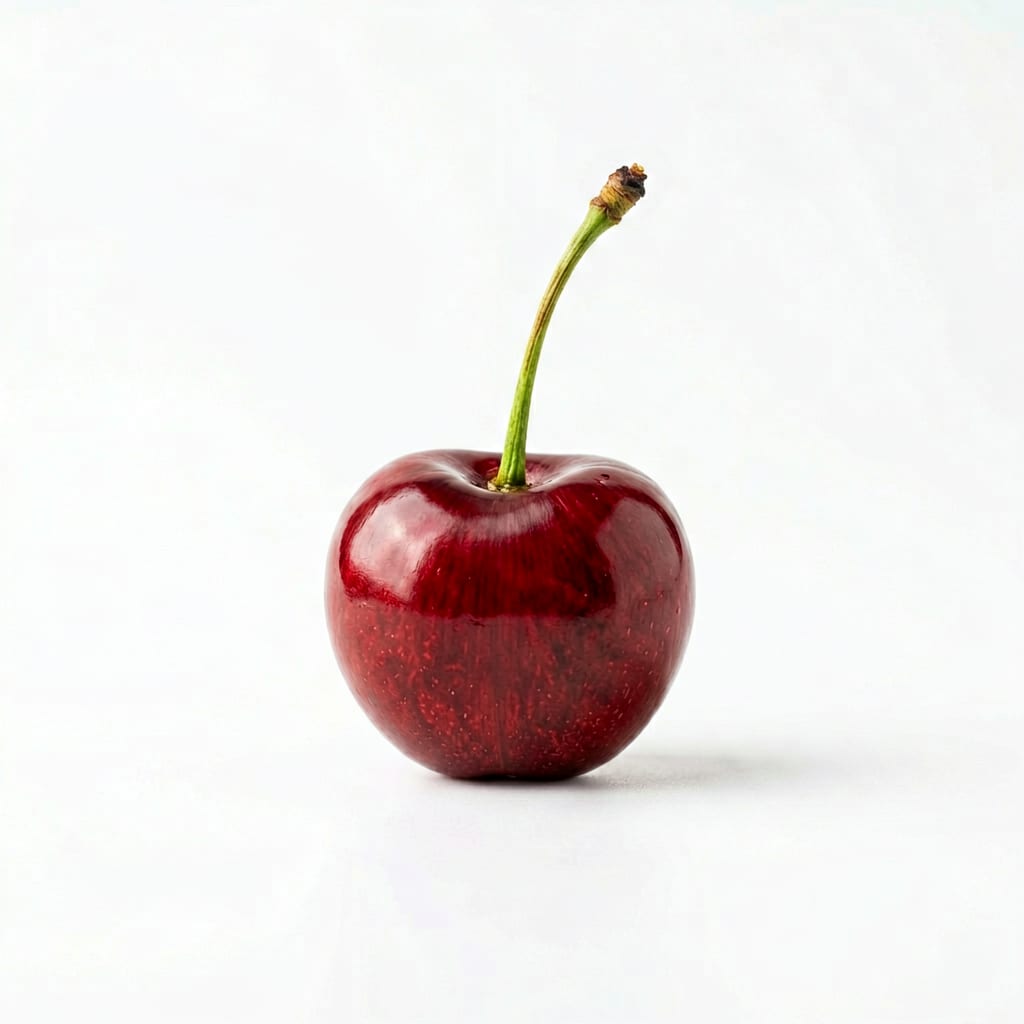
Cherry
Cherries win on accessibility and research-backed benefits, but guavaberry offers superior vitamin C and lower sugar for those who can find it.
Cherries score higher primarily due to wide availability, extensive research, and unique melatonin content. Guavaberry is nutritionally competitive but severely limited by access and evidence gaps.
Guavaberry delivers a stronger vitamin C punch and less sugar, but cherries are far easier to find, better studied, and offer unique sleep benefits from natural melatonin.
At a glance
Executive summary
Overall
It depends
Healthier
It depends
More practical
Cherry
Daily use
Cherry
Key comparison lenses
antioxidant and anti inflammatory potential
Both fruits are prized for their polyphenol content, making this the most meaningful health dimension for comparison
availability and everyday practicality
Guavaberry is extremely niche and seasonal while cherries are widely available, creating a massive real-world usability gap
sugar and blood impact
Users comparing berries often care about sugar load and glycemic impact for weight or diabetes management
vitamin C and immune support
Guavaberry is notably high in vitamin C, making this a key differentiator from cherries
sleep and recovery benefits
Cherries are uniquely known for natural melatonin, a rare functional benefit worth highlighting
Best choice for
Guavaberry
- People in the Caribbean or Central America with local access
- Those seeking maximum vitamin C from a whole food
- Anyone wanting lower-sugar fruit with tropical flavor
- Culinary adventurers exploring traditional Caribbean ingredients
Cherry
- Most everyday consumers seeking reliable antioxidant intake
- Athletes wanting natural anti-inflammatory recovery support
- People with sleep issues who want a food-based melatonin source
- Anyone who values consistent grocery store availability
Least suitable for
Guavaberry
- People outside tropical regions who cannot source it fresh
- Anyone needing a dependable daily fruit option
- Budget-conscious shoppers (often expensive when imported)
Cherry
- People strictly limiting sugar who want the lowest-sugar berry option
- Those seeking maximum vitamin C per serving
- Anyone with cherry allergies or birch pollen sensitivity
Deep comparison
Dimension by dimension
Each lens scores both foods and breaks down who each option suits.
- Dimension 1 · Priority 92Cherry
antioxidant_power
Guavaberry · 74Cherry · 85Cherries have more extensively documented antioxidant capacity, especially tart cherries with their concentrated anthocyanins.
Tradeoff
Guavaberry likely has strong antioxidants based on its tropical profile, but the research is thin compared to the robust cherry literature.
Why it matters
Consistent antioxidant intake reduces oxidative stress over time, and you can only benefit from what you can actually eat regularly.
Real-world impact
Eating cherries daily is realistic and gives you reliable antioxidant protection. Guavaberry may be powerful, but sporadic intake means less consistent benefit.
Guavaberry
- Those who can source guavaberry regularly in season
Better for
- People relying on research-backed dosing for specific conditions
Worse for
Cherry
- Anyone wanting proven, measurable antioxidant intake
- Athletes tracking recovery nutrition
Better for
- Those who assume all berries are equal in polyphenol diversity
Worse for
- Dimension 2 · Priority 70Guavaberry
vitamin_C_content
Guavaberry · 88Cherry · 52Guavaberry is notably richer in vitamin C, providing a stronger immune-supporting dose per serving.
Tradeoff
You get more vitamin C from guavaberry, but cherries compensate with other nutrients like potassium and melatonin that guavaberry lacks.
Why it matters
Vitamin C supports immune function, collagen production, and iron absorption — a daily essential most people under-consume.
Real-world impact
A serving of guavaberry could cover a larger share of your daily vitamin C needs, making it a more efficient immune-support fruit.
Guavaberry
- Anyone prioritizing immune support from whole foods
- People with low dietary vitamin C intake
Better for
- People who cannot access it consistently enough for daily vitamin C coverage
Worse for
Cherry
- Those getting adequate vitamin C from other sources already
Better for
- Anyone relying on cherries as a primary vitamin C source
Worse for
- Dimension 3 · Priority 75Guavaberry
sugar_and_blood_impact
Guavaberry · 82Cherry · 65Guavaberry typically contains less sugar per serving than sweet cherries, resulting in a gentler blood sugar response.
Tradeoff
Lower sugar means less sweetness and less immediate energy, which may feel less satisfying as a snack for some people.
Why it matters
Steadier blood sugar means fewer energy crashes and better hunger control throughout the day.
Real-world impact
Guavaberry is the better afternoon snack if you want something light without the sugar spike. Cherries are fine in moderation but easier to overeat due to sweetness.
Guavaberry
- People managing blood sugar or insulin sensitivity
- Those tracking carbohydrate intake closely
Better for
- Those wanting a more satisfying sweet treat experience
Worse for
Cherry
- Active individuals who benefit from natural sugar as quick fuel
- Endurance athletes needing easily available carbs
Better for
- People prone to overeating sweet fruit
Worse for
- Dimension 4 · Priority 65Cherry
sleep_and_recovery
Guavaberry · 35Cherry · 88Cherries, especially tart varieties, are one of the few natural food sources of melatonin and have demonstrated sleep benefits.
Tradeoff
This is a uniquely cherry advantage with no real equivalent in guavaberry, making cherries the clear functional choice for sleep support.
Why it matters
Better sleep improves everything from appetite regulation to exercise recovery to mood stability.
Real-world impact
A handful of tart cherries or cherry juice in the evening can meaningfully improve sleep onset and quality for many people.
Guavaberry
- Anyone specifically seeking food-based sleep support
Worse for
Cherry
- People with difficulty falling asleep
- Athletes seeking natural recovery enhancement
- Shift workers trying to regulate sleep patterns
Better for
- Dimension 5 · Priority 88Cherry
availability_and_practicality
Guavaberry · 22Cherry · 90Cherries are available in most grocery stores worldwide for much of the year. Guavaberry is niche, seasonal, and largely restricted to Caribbean and Central American markets.
Tradeoff
The best fruit nutritionally means nothing if you cannot buy or eat it regularly.
Why it matters
Consistency is the most important factor in dietary health. A slightly less nutritious fruit you eat daily beats a superior one you can never find.
Real-world impact
Most people reading this can buy cherries this week. Very few can source fresh guavaberry without specialty import or travel.
Guavaberry
- Caribbean residents with local access
- Travelers visiting guavaberry-growing regions
Better for
- Anyone building a consistent daily fruit habit outside the tropics
Worse for
Cherry
- Essentially everyone else
- Meal preppers needing reliable weekly ingredients
Better for
- Dimension 6 · Priority 85Cherry
anti_inflammatory_benefits
Guavaberry · 70Cherry · 86Tart cherries in particular have strong clinical evidence for reducing inflammatory markers, especially after exercise.
Tradeoff
Guavaberry likely has anti-inflammatory properties from its polyphenol content, but the evidence base is minimal compared to cherries.
Why it matters
Chronic inflammation drives joint pain, heart disease, and metabolic issues. Food-based anti-inflammatory strategies are among the most sustainable.
Real-world impact
Cherry juice is used by real athletes to reduce post-workout soreness. Guavaberry has traditional use but lacks this level of clinical validation.
Guavaberry
- Those who consume it as part of traditional Caribbean remedies
Better for
- People wanting proven, dose-responsive anti-inflammatory effects
Worse for
Cherry
- Runners and strength athletes managing recovery
- People with joint stiffness seeking dietary support
- Anyone with chronic low-grade inflammation
Better for
Timeline
Health impact over time
Short-term
Hours to days
Guavaberry
- Noticeable vitamin C boost supporting same-day immune function
- Light, low-sugar snack that will not cause energy crashes
- Mild digestive support from natural fruit fiber
Cherry
- Quick natural energy from easily digestible sugars
- Potential same-day improvement in sleep onset if consumed in evening
- Faster post-exercise recovery noticeable after intense workouts
Long-term
Months to years
Guavaberry
- Consistent vitamin C intake supports collagen and skin health over time
- Lower cumulative sugar exposure benefits metabolic health
- Traditional use suggests possible cardiovascular benefits, though evidence is limited
Cherry
- Regular consumption associated with reduced gout flare frequency
- Sustained anti-inflammatory intake may lower chronic disease risk
- Improved long-term sleep quality from regular melatonin intake
Risk profile
Safety & processing
Both fruits are typically consumed in their whole, unprocessed form. Guavaberry is sometimes found as a liqueur with added sugar and alcohol, which dramatically changes its health profile. Fresh cherries are almost always sold whole, though dried cherries and cherry juice often contain added sugars.
Guavaberry
misidentification_with_unrelated_species
mediumGuavaberry goes by many regional names and is sometimes confused with other tropical berries. Source from reputable vendors to avoid consuming unidentified lookalikes.
limited_safety_data
lowGuavaberry has less formal toxicological review than common commercial fruits. Traditional use suggests safety, but caution is reasonable if you have allergies to related Myrtaceae family plants.
Cherry
pesticide_residue
mediumConventional cherries consistently rank high on pesticide residue lists. Washing helps but does not remove all residues. Organic cherries significantly reduce this concern.
birch_pollen_cross_reactivity
lowPeople with birch pollen allergy may experience oral allergy syndrome with fresh cherries. Cooking typically denatures the allergen protein.
cherry_pit_cyanogenic_compounds
lowCherry pits contain amygdalin, which releases cyanide when crushed and consumed. Accidental swallowing of a whole pit is harmless, but avoid cracking and eating the seeds inside.
Who wins for whom
Audience fit
Same foods, different winners depending on your goal.
children
CherryCherries are familiar, widely available, and kid-friendly. Guavaberry's limited access and unfamiliar taste make it impractical for most families.
daily consumption
CherryConsistent availability and strong evidence for daily health benefits make cherries the more sustainable everyday choice for most people.
diabetes
GuavaberryLower sugar content and likely gentler glycemic impact make guavaberry the safer choice for blood sugar management, though portion control matters for both.
elderly
CherryCherries offer gout prevention, anti-inflammatory joint support, and sleep benefits that are especially relevant for older adults.
muscle gain
CherryCherries provide natural anti-inflammatory support that aids recovery between training sessions, plus more readily available carbs for fueling.
weight loss
GuavaberryLower sugar and calorie density make guavaberry the more weight-friendly option per serving, though cherries are still a reasonable choice in moderation.
Your move
Decision guide
Choose Guavaberry
- You live in or visit the Caribbean and can access fresh guavaberry regularly
- You are specifically looking to maximize vitamin C from fruit sources
- You want a lower-sugar berry option for blood sugar management
- You are curious about traditional Caribbean foods and their health properties
Choose Cherry
- You want a reliable, research-backed daily fruit with proven health benefits
- You struggle with sleep and want a natural melatonin source
- You are an athlete seeking recovery support from whole foods
- You have joint inflammation or gout concerns
- You need something you can actually buy at the store this week
Either works if
- You simply want a serving of whole fruit with antioxidants and fiber
- You are rotating through different berries for polyphenol diversity
- You are packing a light snack for outdoor activity
Avoid both if
- You have a severe berry allergy or Myrtaceae family sensitivity
- You are on a very strict very-low-carb protocol and cannot accommodate any fruit sugar
- You are looking for a high-protein food — neither offers meaningful protein
Final recommendation
For most people, cherries are the practical winner — they are available, well-studied, and offer unique sleep and anti-inflammatory benefits you cannot easily get elsewhere. But if you have access to fresh guavaberry, it is absolutely worth enjoying for its superior vitamin C and lower sugar. The best choice is the one you can eat consistently.
Practical
Consumer tips
- 1
Choose organic cherries when possible — they are consistently among the highest-pesticide conventional fruits
- 2
Tart cherries deliver more anti-inflammatory and sleep benefits than sweet cherries, though both are healthy
- 3
If buying guavaberry products like liqueur or jam, check added sugar — processing often negates the natural low-sugar advantage
- 4
Freeze cherries when in season for year-round smoothie and baking use at lower cost
- 5
Fresh guavaberry is best consumed quickly as it has a short shelf life compared to cherries
- 6
If you cannot find guavaberry locally, do not overpay for dubious online imports — cherries or guava are reasonable nutritional substitutes