
Nutrition comparison
Guavaberry vs Blackberry: Nutrition, Antioxidants, and Which Berry to Choose
Compare guavaberry and blackberry nutrition including fiber, antioxidants, sugar, and availability. Find out which berry is better for weight loss, diabetes, and daily health.
Overall winner · Blackberry

Guavaberry
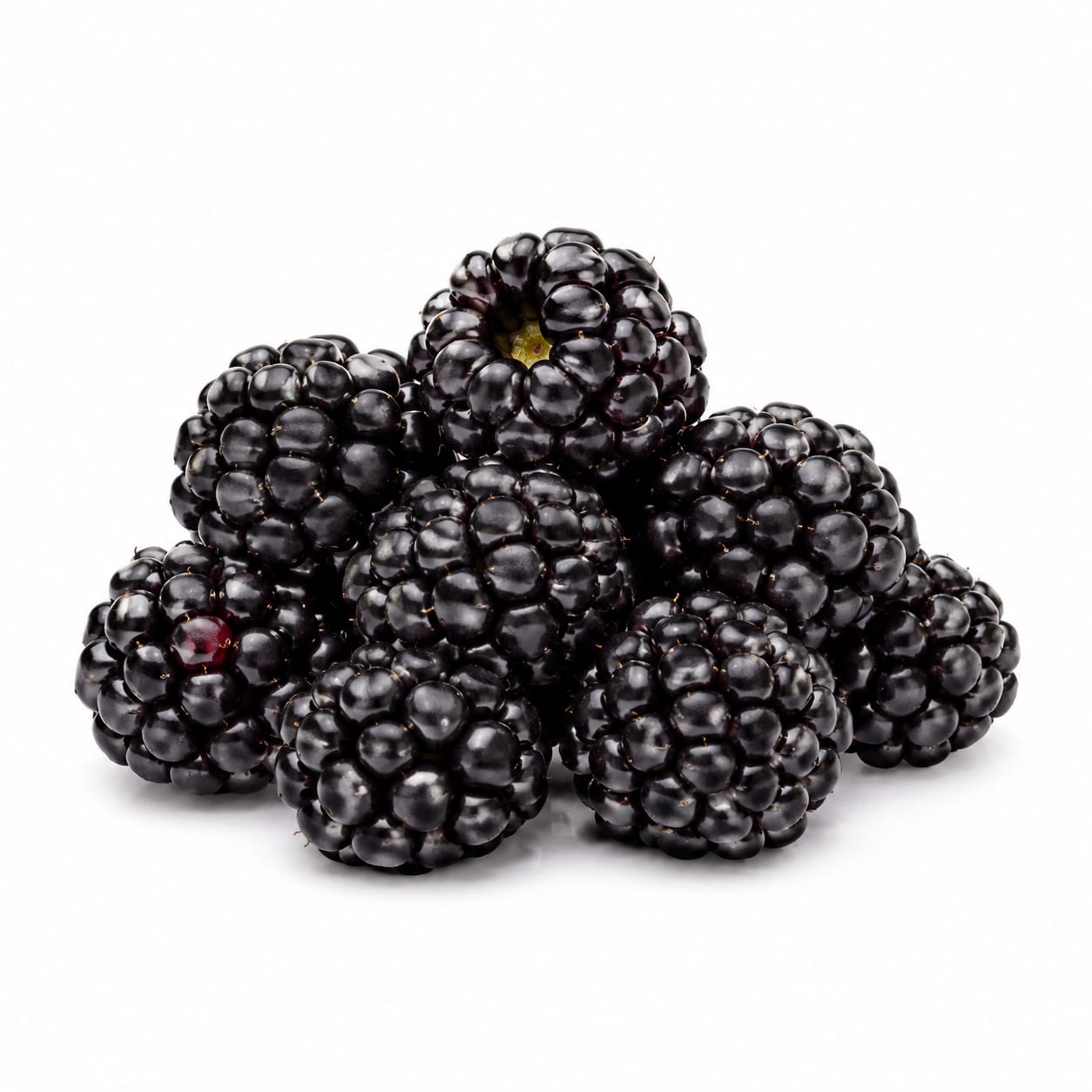
Blackberry
Blackberries win on nutrition, fiber, and everyday accessibility; guavaberries offer a unique tropical antioxidant experience but are hard to find fresh.
Blackberries score significantly higher due to superior fiber, broader nutrient documentation, and everyday practicality. Guavaberries remain nutritionally valuable but suffer from limited availability and less studied health effects.
Guavaberries provide a rare, culturally rich tropical berry experience with strong antioxidants, while blackberries deliver superior fiber, broader research backing, and reliable availability.
At a glance
Executive summary
Overall
Blackberry
Healthier
Blackberry
More practical
Blackberry
Daily use
Blackberry
Key comparison lenses
antioxidant potential
Both berries are prized for antioxidant content, making this the primary reason users compare them
accessibility and practicality
Guavaberries are rare and regional while blackberries are widely available, heavily impacting real-world choice
fiber and digestive benefit
Fiber content differs meaningfully and affects satiety, gut health, and blood sugar management
vitamin and mineral density
Users comparing berries often seek micronutrient advantages for daily nutrition
culinary versatility
How easily each berry can be used in meals, smoothies, and recipes affects long-term adoption
Best choice for
Guavaberry
- Exploring Caribbean and Latin American culinary traditions
- Adding tropical variety to an antioxidant-rich diet
- Occasional specialty enjoyment and cultural experiences
- Trying unique flavors in homemade liqueurs or preserves
Blackberry
- Daily fiber and antioxidant intake
- Weight management and blood sugar stability
- Gut health support through consistent high-fiber consumption
- Budget-friendly, widely available berry nutrition
Least suitable for
Guavaberry
- Anyone needing reliable, year-round berry access
- Budget-conscious shoppers seeking affordable fruit
- People who want well-documented nutritional data for medical dietary planning
Blackberry
- Those seeking exotic tropical flavors and culinary adventure
- People interested in traditional Caribbean remedies and cultural foodways
Deep comparison
Dimension by dimension
Each lens scores both foods and breaks down who each option suits.
- Dimension 1 · Priority 92Blackberry
antioxidant_density
Guavaberry · 72Blackberry · 90Blackberries have exceptionally high ORAC scores and well-documented anthocyanin content. Guavaberries contain notable antioxidants but lack the depth of research blackberries benefit from.
Tradeoff
Guavaberries offer unique antioxidant compounds not found in temperate berries, but the overall quantity and clinical evidence favor blackberries.
Why it matters
Antioxidants protect cells from daily wear and tear, support brain health, and reduce inflammation over time.
Real-world impact
Eating blackberries regularly gives you a well-studied antioxidant shield. Guavaberries can complement this but are harder to rely on consistently.
Guavaberry
- Unique tropical antioxidant compounds
- Traditional medicinal antioxidant use in Caribbean cultures
Better for
- Limited ORAC or antioxidant testing data available
- Hard to consume enough regularly for meaningful antioxidant benefit
Worse for
Blackberry
- Higher total measured antioxidant capacity
- Proven anthocyanin and ellagic acid content
- More clinical research linking consumption to health outcomes
Better for
- Lacks the novelty compounds found in tropical berry species
Worse for
- Dimension 2 · Priority 85Blackberry
fiber_content
Guavaberry · 55Blackberry · 92Blackberries are among the highest-fiber berries available, delivering roughly 5.3g per 100g. Guavaberries contain moderate fiber but significantly less.
Tradeoff
Choosing guavaberries means sacrificing the exceptional fiber blackberries provide, which affects fullness, digestion, and blood sugar control.
Why it matters
Fiber keeps you full longer, feeds beneficial gut bacteria, and slows sugar absorption for steadier energy.
Real-world impact
A cup of blackberries with breakfast can keep you satisfied until lunch. Guavaberries would leave you hungrier sooner.
Guavaberry
- Still provides some dietary fiber as a whole fruit
Better for
- Noticeably less fiber means less satiety and gut health benefit
- Less effective at slowing sugar absorption
Worse for
Blackberry
- Nearly twice the fiber per serving compared to most berries
- Excellent for promoting regular digestion
- Helps stabilize blood sugar after meals
Better for
- High fiber can cause bloating if you suddenly increase intake
Worse for
- Dimension 3 · Priority 78Blackberry
vitamin_and_mineral_profile
Guavaberry · 60Blackberry · 85Blackberries offer strong vitamin C, vitamin K, and manganese content with well-documented values. Guavaberries likely contain vitamin C and some minerals but data is sparse.
Tradeoff
Blackberries give you reliable micronutrient delivery. Guavaberries may be rich in certain vitamins but you cannot confidently plan nutrition around them.
Why it matters
Consistent vitamin and mineral intake supports immune function, bone health, and energy production daily.
Real-world impact
Blackberries help you hit vitamin K and manganese targets reliably. Guavaberries are a nutritional gamble by comparison.
Guavaberry
- Likely contains vitamin C and some B vitamins from tropical growing conditions
- May contain unique trace minerals from Caribbean soils
Better for
- Inconsistent nutritional data makes dietary planning difficult
- Cannot verify specific vitamin amounts with confidence
Worse for
Blackberry
- Proven high vitamin K for bone and blood health
- Excellent manganese source for metabolism
- Reliable vitamin C content per serving
Better for
- Not exceptionally high in any single vitamin compared to other fruits
Worse for
- Dimension 4 · Priority 88Blackberry
availability_and_practicality
Guavaberry · 25Blackberry · 90Blackberries are available fresh, frozen, and in stores year-round across most regions. Guavaberries are rare, seasonal, and primarily found in Caribbean and Latin American markets.
Tradeoff
You can build blackberries into your weekly grocery routine effortlessly. Guavaberries require specialty sourcing, travel, or luck.
Why it matters
The healthiest food is the one you can actually eat consistently. Availability determines whether a food becomes a habit or a one-time experience.
Real-world impact
Blackberries can be a daily habit. Guavaberries are more like a vacation discovery or specialty order.
Guavaberry
- Available fresh in Caribbean and parts of Central America during season
- Can sometimes be found as preserves or liqueurs online
Better for
- Nearly impossible to find fresh outside tropical regions
- Limited frozen or processed options in mainstream markets
- Seasonal availability restricts consistent consumption
Worse for
Blackberry
- Widely sold fresh in most grocery stores
- Available frozen for year-round use
- Easy to find organic options
- Consistent pricing and supply
Better for
- Out-of-season fresh berries can be expensive
- Organic options cost significantly more
Worse for
- Dimension 5 · Priority 75Blackberry
sugar_and_blood_sugar_impact
Guavaberry · 62Blackberry · 82Blackberries are among the lowest-sugar berries with high fiber that buffers blood sugar. Guavaberries have moderate sugar with less fiber to slow absorption.
Tradeoff
Blackberries are safer for blood sugar management. Guavaberries are still reasonable but less predictable.
Why it matters
Lower sugar with higher fiber means steadier energy, fewer cravings, and better diabetes management.
Real-world impact
Blackberries are a go-to berry for people watching blood sugar. Guavaberries require more caution in portion size.
Guavaberry
- Still a whole fruit with less sugar than processed snacks
- Natural fruit sugars come with some fiber
Better for
- Less fiber means faster blood sugar rise
- Less predictable glycemic impact due to limited data
Worse for
Blackberry
- Among the lowest sugar berries available
- High fiber significantly slows sugar absorption
- Excellent choice for diabetic or low-carb diets
Better for
- Still contains natural sugars that must be accounted for in strict low-carb plans
Worse for
- Dimension 6 · Priority 70Blackberry
culinary_versatility
Guavaberry · 55Blackberry · 85Blackberries work in smoothies, baking, salads, jams, and snacks with extensive recipe support. Guavaberries are traditionally used in liqueurs and preserves but have limited modern recipe adoption.
Tradeoff
Blackberries fit into nearly any meal or recipe. Guavaberries shine in specific cultural preparations but lack broad culinary integration.
Why it matters
Versatility determines whether a food becomes a kitchen staple or a niche ingredient you forget about.
Real-world impact
You can toss blackberries into oatmeal, yogurt, or a salad without thinking. Guavaberries require more effort and creativity.
Guavaberry
- Unique flavor profile for adventurous cooking
- Traditional use in Caribbean liqueurs and preserves
- Conversational and experiential food value
Better for
- Limited recipe resources and community knowledge outside the Caribbean
- Hard to substitute in standard berry recipes due to flavor differences
Worse for
Blackberry
- Works in sweet and savory dishes
- Excellent fresh, frozen, cooked, or baked
- Thousands of accessible recipes available
- Pairs well with diverse cuisines
Better for
- Seeds can be annoying in smooth desserts
- Can stain teeth and clothing
Worse for
Timeline
Health impact over time
Short-term
Hours to days
Guavaberry
- Mild energy boost from natural sugars and vitamin C
- Unique tropical flavor can improve meal enjoyment and satisfaction
- Less satiety than blackberries due to lower fiber content
Blackberry
- Noticeable fullness after eating due to high fiber
- Steady energy without sugar crash
- Potential mild digestive adjustment if increasing fiber quickly
Long-term
Months to years
Guavaberry
- Antioxidant benefits likely but harder to quantify without regular access
- Cultural and psychological benefits from food exploration and variety
- Difficult to sustain long-term health impact due to availability constraints
Blackberry
- Consistent fiber intake supports gut microbiome diversity over time
- Regular antioxidant consumption linked to reduced inflammation markers
- Vitamin K contributes to long-term bone density maintenance
- Manganese supports metabolic health with ongoing adequate intake
Risk profile
Safety & processing
Both guavaberries and blackberries are whole, minimally processed fruits when consumed fresh. The main concern is that guavaberries are more commonly encountered in processed forms like liqueurs or preserves, which add sugar and reduce nutritional value. Fresh or frozen blackberries are almost always additive-free.
Guavaberry
Pesticide exposure
mediumGuavaberries grown in Caribbean and Latin American regions may have less regulated pesticide use compared to US or EU standards. Washing thoroughly is important.
Limited food safety oversight
mediumSmall-scale and wild-harvested guavaberries may not undergo the same safety inspections as commercially distributed berries.
Misidentification with similar species
lowWild-harvested guavaberries could potentially be confused with less edible lookalikes by inexperienced foragers.
Blackberry
Pesticide residue
mediumBlackberries rank moderately on pesticide residue lists. Choosing organic reduces this concern significantly.
Mold and spoilage
lowFresh blackberries spoil quickly and can develop mold within days. Inspect carefully before eating and refrigerate promptly.
Who wins for whom
Audience fit
Same foods, different winners depending on your goal.
children
BlackberryBlackberries are widely available, easy to incorporate into lunches and snacks, and have well-understood safety profiles. Guavaberries could be a fun occasional treat but are impractical as a regular kids' fruit.
daily consumption
BlackberryAvailability, affordability, fiber content, and nutritional consistency make blackberries a sustainable daily habit. Guavaberries are better as an occasional experience.
diabetes
BlackberryLower sugar and higher fiber make blackberries one of the best fruit choices for blood sugar management. Guavaberries are acceptable but less predictable.
elderly
BlackberryHigh vitamin K and manganese in blackberries support bone health and metabolism in aging bodies. The fiber also helps with common digestive slowdowns in older adults.
muscle gain
It dependsNeither berry is a significant protein source. Both can complement a muscle-building diet as antioxidant-rich sides, but neither directly supports muscle gain.
weight loss
BlackberryBlackberries provide more fiber per calorie, keeping you fuller longer with less sugar. This combination supports calorie control more effectively.
Your move
Decision guide
Choose Guavaberry
- You live in or are visiting the Caribbean and can access fresh guavaberries
- You want to explore traditional Caribbean food culture and flavors
- You already eat blackberries regularly and want tropical variety
- You are making traditional guavaberry liqueur or preserves
Choose Blackberry
- You want a reliable, high-fiber, low-sugar daily berry
- Blood sugar management or weight loss is a priority
- You need a berry you can find at any grocery store year-round
- Gut health and digestive regularity matter to you
- You want well-researched antioxidant benefits
Either works if
- You simply want a whole-food fruit snack instead of processed sweets
- You are looking for natural vitamin C and antioxidant support
- You enjoy trying different berries and want variety in your diet
Avoid both if
- You have a severe berry allergy or salicylate sensitivity
- You are on a very strict low-fiber diet for medical reasons
- You need high-protein or high-calorie foods for recovery
Final recommendation
Make blackberries your everyday berry for fiber, blood sugar control, and reliable nutrition. Treat guavaberries as a special experience when you can find them, appreciating their cultural roots and unique tropical flavor. If you can only choose one for consistent health impact, blackberries are the clear winner.
Practical
Consumer tips
- 1
Choose organic blackberries when possible to reduce pesticide exposure, especially since berries are eaten whole
- 2
Freeze blackberries in bulk when in season for affordable year-round use in smoothies and oatmeal
- 3
If you find fresh guavaberries, enjoy them promptly as they spoil quickly and are hard to store
- 4
Wash both berries thoroughly before eating, even if organic, to remove surface residues
- 5
Add blackberries to savory dishes like salads with goat cheese and walnuts for a nutrient-dense meal
- 6
Avoid guavaberry liqueurs and sweetened preserves if your goal is nutritional benefit, as added sugar outweighs the berry advantages
- 7
Pair blackberries with a protein source like Greek yogurt for a balanced snack that stabilizes energy for hours