
Nutrition comparison
Guavaberry vs Jabuticaba: Which Tropical Berry Is Better for You?
Compare guavaberry and jabuticaba nutrition, antioxidants, shelf life, and health benefits. Learn which exotic berry wins for anti-inflammatory power and everyday practicality.
Overall winner · Jabuticaba
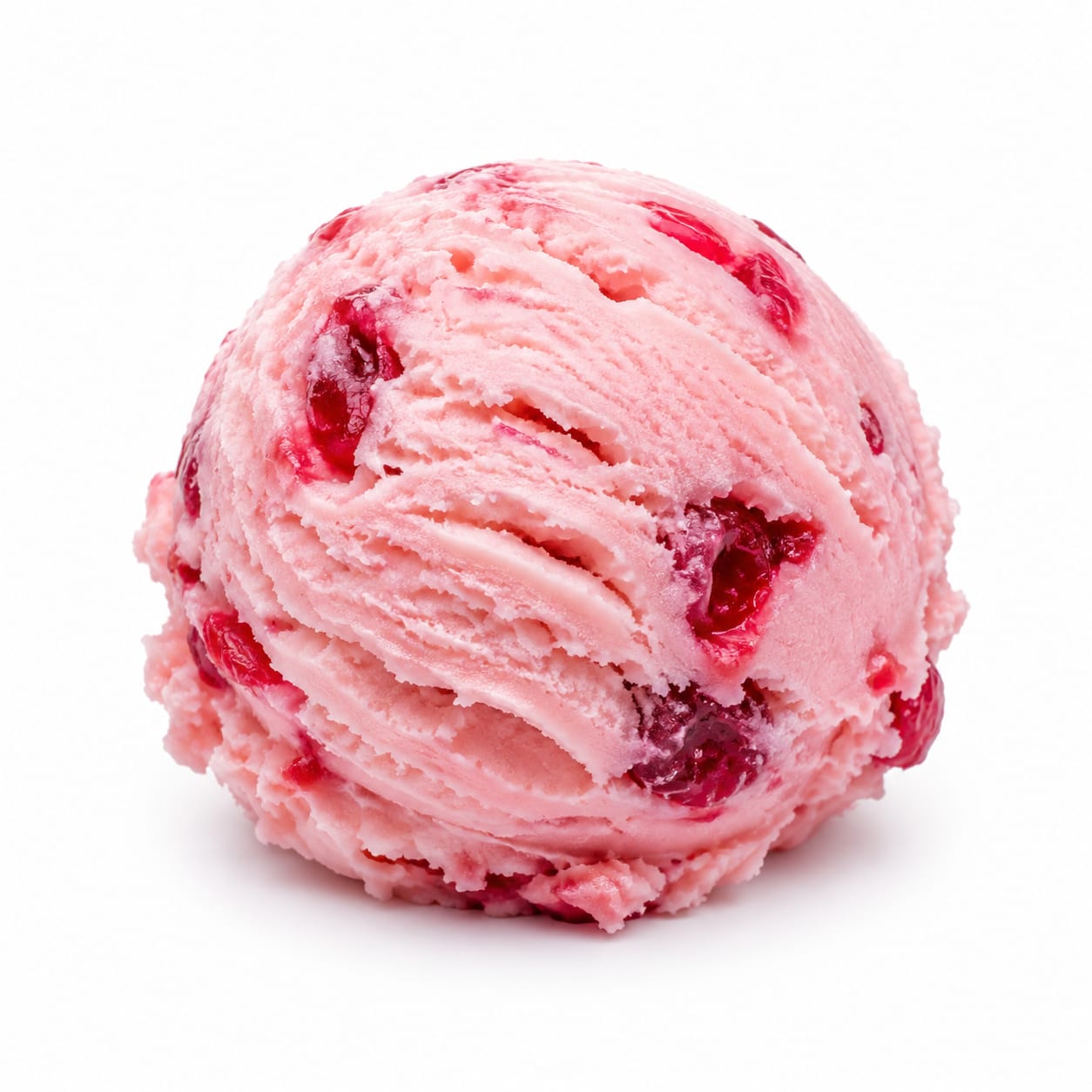
Guavaberry

Jabuticaba
Jabuticaba edges ahead with stronger antioxidant research, higher fiber, and more documented anti-inflammatory benefits, but guavaberry wins on shelf stability and broader culinary tradition.
Jabuticaba scores higher due to stronger antioxidant data and fiber content, but confidence is moderate because both fruits have limited clinical research compared to common berries like blueberries.
Jabuticaba offers superior nutrition but spoils within days, while guavaberry is slightly less nutrient-dense but more forgiving for storage and transport.
At a glance
Executive summary
Overall
Jabuticaba
Healthier
Jabuticaba
More practical
Guavaberry
Daily use
Guavaberry
Key comparison lenses
antioxidant potential
Both are dark-skinned tropical berries prized for anthocyanin content, making antioxidant comparison the most relevant dimension
availability and practicality
Both fruits are notoriously perishable and region-specific, so real-world access heavily shapes which one matters to a given user
anti inflammatory benefits
Jabuticaba has strong clinical interest for anti-inflammatory compounds; guavaberry has traditional medicinal use but less modern research
digestive health
Both contain notable fiber and traditional use for gut complaints, making this a practical everyday concern
culinary versatility
Both are commonly processed into liqueurs, jams, and fermented products rather than eaten fresh, so usage flexibility matters
Best choice for
Guavaberry
- People outside Brazil who want a tropical antioxidant berry they can actually find
- Home brewers and liqueur makers following Caribbean traditions
- Anyone needing a berry that survives shipping and short-term storage
Jabuticaba
- Brazilian residents with access to fresh jabuticaba trees or markets
- People prioritizing maximum anti-inflammatory and antioxidant intake
- Those interested in traditional South American medicinal fruit use
Least suitable for
Guavaberry
- People seeking the most research-backed anti-inflammatory berry
- Anyone expecting a widely available supermarket fruit
Jabuticaba
- Anyone living far from tropical South American supply chains
- People who need fruit that lasts more than 3-4 days refrigerated
Deep comparison
Dimension by dimension
Each lens scores both foods and breaks down who each option suits.
- Dimension 1 · Priority 92Jabuticaba
antioxidant_density
Guavaberry · 72Jabuticaba · 88Jabuticaba delivers more concentrated anthocyanins and has been studied more extensively for oxidative stress reduction.
Tradeoff
Guavaberry still provides solid antioxidant value but lacks the depth of published research that jabuticaba now has.
Why it matters
Higher antioxidant intake correlates with lower chronic disease risk and better recovery from exercise-induced stress.
Real-world impact
Eating jabuticaba regularly may give you more noticeable anti-aging and recovery benefits, but only if you can source it fresh.
Guavaberry
- Maintaining baseline antioxidant intake with easier-to-find fruit
Better for
- Users wanting the most potent antioxidant berry available
Worse for
Jabuticaba
- Maximizing anthocyanin consumption per serving
- Post-workout recovery support
- Long-term cellular protection
Better for
- Anyone who cannot access fresh fruit within days of harvest
Worse for
- Dimension 2 · Priority 88Guavaberry
shelf_life_and_practicality
Guavaberry · 65Jabuticaba · 38Guavaberry holds noticeably better after picking, while jabuticaba ferments and spoils within 3-4 days even refrigerated.
Tradeoff
Jabuticaba's extreme perishability means most people outside Brazil will only ever taste it processed, not fresh.
Why it matters
A fruit you cannot keep fresh is a fruit you will rarely eat, no matter how nutritious.
Real-world impact
If you buy jabuticaba, you must consume or process it almost immediately. Guavaberry gives you a few extra days of flexibility.
Guavaberry
- Meal prep and weekly shopping cycles
- Shipping to regions far from the source
- Casual snacking without urgency
Better for
- Still far more perishable than common supermarket berries
Worse for
Jabuticaba
- Eating straight from the tree if you live near a source
Better for
- Almost impossible to enjoy fresh outside its native range
- High food waste risk if not consumed quickly
Worse for
- Dimension 3 · Priority 85Jabuticaba
anti_inflammatory_potential
Guavaberry · 68Jabuticaba · 86Jabuticaba has demonstrated measurable anti-inflammatory effects in multiple studies, while guavaberry relies more on traditional evidence.
Tradeoff
Guavaberry's anti-inflammatory reputation is mostly folk-medicine based; jabuticaba has modern lab data backing it.
Why it matters
Chronic inflammation drives joint pain, fatigue, and disease progression. Food-based anti-inflammatory support is highly practical.
Real-world impact
Regular jabuticaba consumption could meaningfully reduce inflammatory markers, but only if you have consistent access.
Guavaberry
- Mild inflammatory support where jabuticaba is unavailable
Better for
- Less reliable as a targeted anti-inflammatory intervention
Worse for
Jabuticaba
- Managing chronic inflammation through diet
- Supporting joint and cardiovascular health
- Complementing an anti-inflammatory eating pattern
Better for
- Inconsistent access makes it hard to sustain anti-inflammatory benefits
Worse for
- Dimension 4 · Priority 78Jabuticaba
fiber_and_digestive_health
Guavaberry · 64Jabuticaba · 77Jabuticaba provides more fiber per serving, especially in the skin, supporting gut motility and microbiome health.
Tradeoff
Both fruits require eating the skin for maximum fiber, but jabuticaba's skin is thinner and easier to consume whole.
Why it matters
Fiber from whole fruit supports satiety, blood sugar control, and healthy digestion better than supplements.
Real-world impact
A serving of whole jabuticaba with skin gives you a more satisfying gut-friendly snack than guavaberry.
Guavaberry
- Moderate fiber intake with a slightly more familiar texture
Better for
- Lower fiber contribution per serving
Worse for
Jabuticaba
- Improving digestive regularity
- Feeding beneficial gut bacteria
- Feeling fuller for longer after snacking
Better for
- Rapid fermentation if overripe can cause bloating in sensitive people
Worse for
- Dimension 5 · Priority 72Guavaberry
culinary_versatility
Guavaberry · 74Jabuticaba · 68Guavaberry has a longer history in liqueurs, jams, and sauces across Caribbean cuisine, while jabuticaba is mostly used fresh or fermented in Brazil.
Tradeoff
Jabuticaba's delicate flavor shines fresh but gets lost in cooking; guavaberry holds its character better in preserved forms.
Why it matters
A fruit you can cook, preserve, and bake with gets used more often and wasted less.
Real-world impact
Guavaberry works in more recipes you will actually make. Jabuticaba is best enjoyed simply, eaten out of hand.
Guavaberry
- Making liqueurs and spirits at home
- Preserving as jam or sauce
- Incorporating into baked goods
Better for
- Less celebrated as a fresh eating fruit
Worse for
Jabuticaba
- Fresh eating at peak ripeness
- Traditional Brazilian recipes like jabuticaba wine
Better for
- Limited to fresh or fermented applications
- Flavor degrades quickly with cooking or storage
Worse for
Timeline
Health impact over time
Short-term
Hours to days
Guavaberry
- Moderate blood sugar rise from natural sugars, balanced by some fiber
- Light satiety from fiber content in the skin
- Mild antioxidant boost after consumption
Jabuticaba
- More noticeable fullness from higher fiber per serving
- Rapid antioxidant absorption from thin-skinned berries
- Potential mild digestive adjustment if eating large quantities for the first time
Long-term
Months to years
Guavaberry
- Steady antioxidant intake supports cellular aging defenses
- Traditional use suggests cardiovascular benefits but clinical data is thin
- Consistent access is easier, supporting long-term habit formation
Jabuticaba
- Stronger anti-inflammatory marker improvements with regular consumption
- Better long-term glycemic control from higher fiber intake
- Gut microbiome diversity support from unique polyphenol profile
- Access inconsistency makes sustained benefits harder to achieve outside Brazil
Risk profile
Safety & processing
Both fruits are typically consumed in their natural state or traditionally preserved without industrial additives. The main concern is that guavaberry liqueurs and jabuticaba wines may contain added sugars, but the fresh and whole-dried forms of both are clean, whole-food options.
Guavaberry
Mold and spoilage from improper storage
mediumLike all soft berries, guavaberry can develop mold quickly if not refrigerated. Inspect before eating.
Pesticide residue in commercially grown fruit
lowMost guavaberry is wild-harvested or grown on small farms with minimal chemical use.
Jabuticaba
Rapid fermentation producing alcohol
mediumJabuticaba begins fermenting within 3-4 days at room temperature. Overripe fruit may contain trace alcohol, which matters for children or alcohol-sensitive individuals.
Foodborne illness from damaged skin
lowCracked or bruised jabuticaba skin can harbor bacteria. Discard damaged fruit before eating.
Who wins for whom
Audience fit
Same foods, different winners depending on your goal.
children
GuavaberryGuavaberry is less likely to have fermented by the time a child eats it, and its flavor is milder and more approachable for kids.
daily consumption
GuavaberryGuavaberry's better shelf stability and wider availability make it more realistic as a daily habit for most people.
diabetes
JabuticabaJabuticaba's higher fiber slows sugar absorption more effectively, leading to steadier blood sugar responses.
elderly
JabuticabaJabuticaba's stronger anti-inflammatory and fiber benefits are especially valuable for older adults managing joint pain and digestive regularity.
muscle gain
It dependsNeither fruit is protein-rich. Both offer antioxidant recovery support post-workout, but neither directly builds muscle.
weight loss
JabuticabaJabuticaba's higher fiber content provides more satiety per calorie, helping curb overeating.
Your move
Decision guide
Choose Guavaberry
- You live outside South America and want a tropical berry you can actually find and keep
- You enjoy making homemade liqueurs, jams, or sauces
- You want a berry that gives you a few days to eat it before it spoils
- You prefer milder, sweeter berry flavors over tart intensity
Choose Jabuticaba
- You have reliable access to fresh jabuticaba, ideally from a local tree or market
- Anti-inflammatory benefits are your top priority
- You want maximum fiber and antioxidant density per serving
- You enjoy eating fruit fresh and simply rather than cooking or preserving it
Either works if
- You want an exotic antioxidant berry and can find either one fresh
- You are looking to diversify your fruit intake beyond common supermarket options
- You enjoy traditional fruit-based fermented beverages
Avoid both if
- You need a low-sugar fruit option due to strict glycemic control
- You have limited access to specialty tropical fruit suppliers
- You are looking for a high-protein or high-calorie food for fueling
Final recommendation
If you can get fresh jabuticaba regularly, it is the nutritionally superior choice with stronger anti-inflammatory and antioxidant benefits. But for most people outside Brazil, guavaberry is the more practical and sustainable option. The best berry is the one you can actually eat consistently.
Practical
Consumer tips
- 1
Always eat the skin of both fruits — that is where most antioxidants and fiber live
- 2
If buying jabuticaba, plan to eat or freeze it within 48 hours of purchase
- 3
Frozen jabuticaba retains most of its antioxidant value and solves the shelf-life problem
- 4
Guavaberry liqueur is delicious but high in added sugar — enjoy in moderation
- 5
Both fruits pair well with yogurt or oatmeal for a balanced breakfast
- 6
Look for jabuticaba frozen pulp in Brazilian markets if fresh is unavailable
- 7
Wash both fruits gently right before eating, not before storing, to prevent mold