
Nutrition comparison
Guavaberry vs Goji Berry: Which Superfruit Is Actually Better for You?
Compare guavaberry and goji berry on antioxidants, sugar, safety, and daily practicality. Learn which berry fits your health goals and lifestyle best.
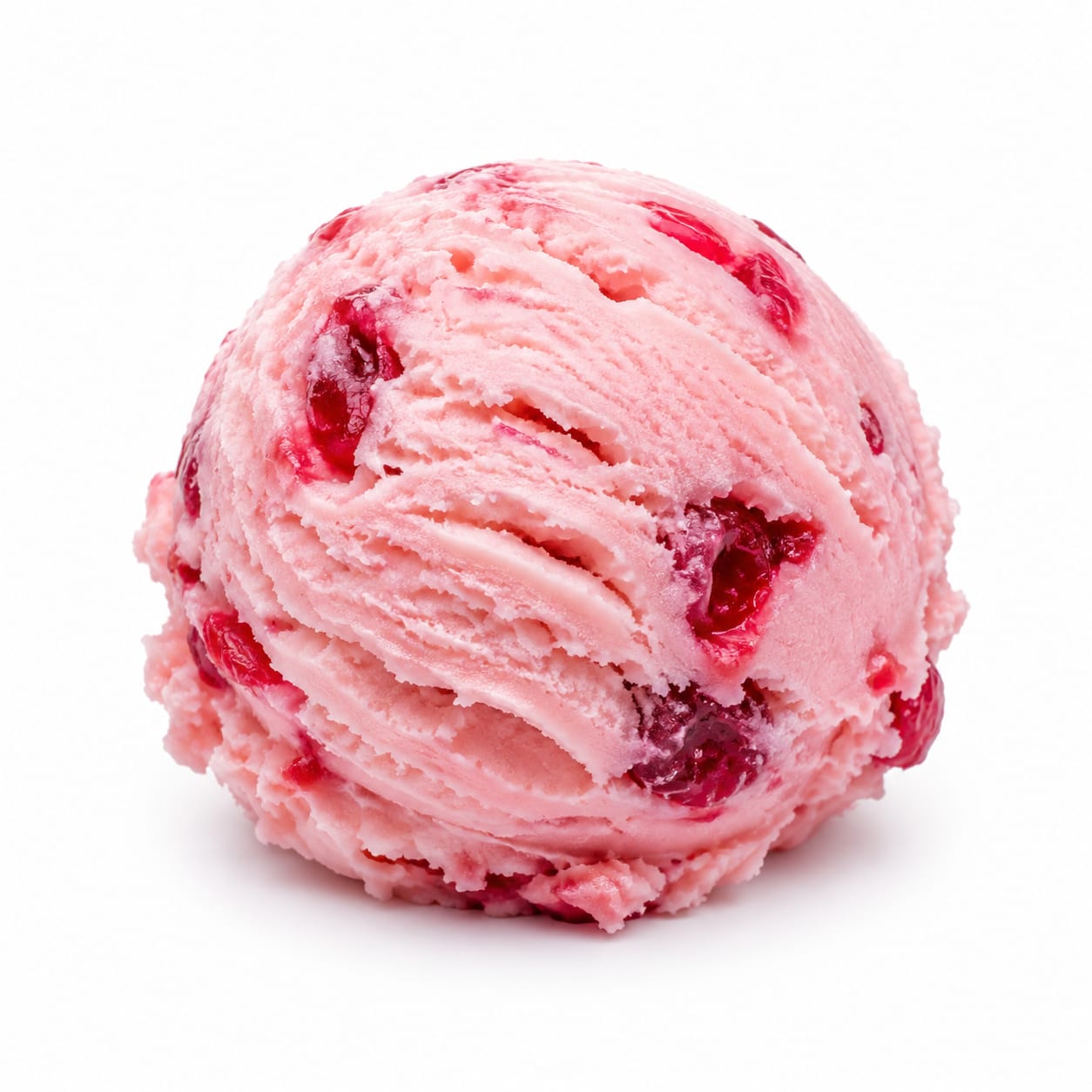
Guavaberry
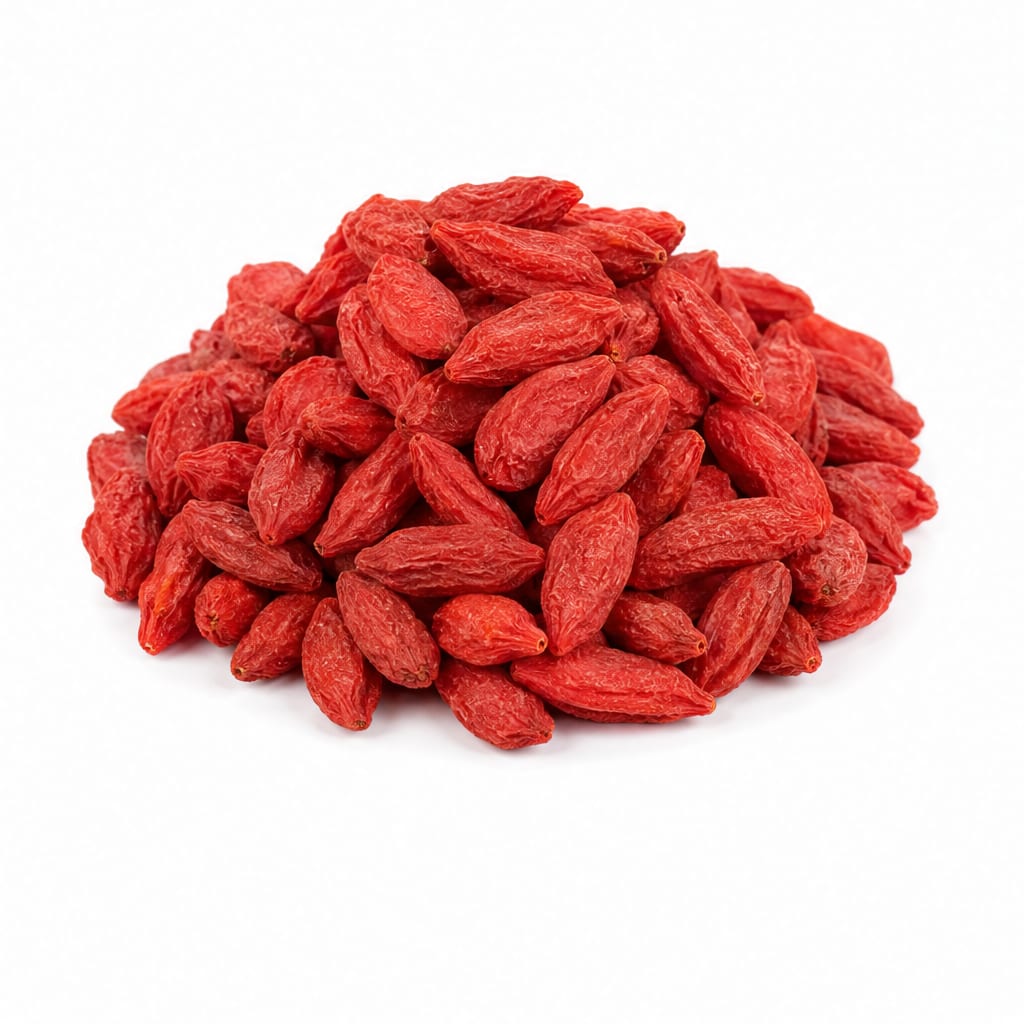
Goji Berry
Goji Berry wins on evidence-backed health benefits and availability, but Guavaberry offers a fresher, lower-sugar experience with fewer contamination concerns if you can find it.
Goji Berry scores higher due to stronger evidence, wider availability, and established daily-use practicality. Guavaberry is nutritionally promising but suffers from limited research and scarce availability, making it hard to recommend as a staple.
Proven superfood pedigree and convenience versus wild freshness and lower pesticide risk with limited access.
At a glance
Executive summary
Overall
It depends
Healthier
Goji Berry
More practical
Goji Berry
Daily use
Goji Berry
Key comparison lenses
antioxidant superfood comparison
Both berries are prized for antioxidant content, so users want to know which delivers more real-world benefit
eye health and vitamin A
Goji berries are famous for zeaxanthin and eye health; guavaberry has less documented evidence here
safety and contamination concerns
Goji berries are commonly imported from China with pesticide residue concerns; guavaberry is typically wild-harvested or locally grown
availability and practical everyday use
Goji berries are widely available dried; guavaberries are rare and regional, making daily use unrealistic for most people
sugar and blood sugar impact
Dried goji berries concentrate sugars; fresh guavaberries have a lower glycemic impact per serving
Best choice for
Guavaberry
- People living in or visiting the Caribbean who have fresh access
- Anyone avoiding dried fruit or concentrated sugar sources
- Those concerned about pesticide residues in imported superfoods
- Locavores prioritizing regional and wild-harvested foods
Goji Berry
- People seeking well-studied eye health support from zeaxanthin
- Anyone wanting a shelf-stable antioxidant boost year-round
- Those following Traditional Chinese Medicine principles
- Busy people who need a convenient daily superfood addition
Least suitable for
Guavaberry
- Anyone who cannot source it locally or regionally
- People wanting a reliable, consistent daily supplement alternative
- Those needing well-documented clinical evidence for specific health claims
Goji Berry
- People strictly limiting dried fruit and concentrated sugar
- Those avoiding foods commonly sourced from regions with lax pesticide standards
- Anyone with sensitivity to nightshade family foods
Deep comparison
Dimension by dimension
Each lens scores both foods and breaks down who each option suits.
- Dimension 1 · Priority 92Goji Berry
antioxidant_power_and_eye_health
Guavaberry · 65Goji Berry · 90Goji berries are one of the richest sources of zeaxanthin, directly supporting retinal health. Guavaberries contain antioxidants but lack the same depth of clinical evidence.
Tradeoff
Guavaberry offers diverse polyphenols from a fresh whole fruit, but Goji Berry delivers a more targeted and proven antioxidant payload especially for vision.
Why it matters
Eye health deterioration is gradual and silent. A food with documented zeaxanthin content is a practical long-term investment in vision preservation.
Real-world impact
Eating goji berries regularly may help reduce eye strain from screens and support night vision. Guavaberry's benefits are more general and harder to quantify.
Guavaberry
- Broader spectrum of fresh fruit polyphenols
- Vitamin C that may degrade less in fresh form versus dried
Better for
- Lacks specific clinical evidence for eye health
- Antioxidant content varies widely by growing conditions
Worse for
Goji Berry
- Zeaxanthin for macular degeneration defense
- More studied antioxidant profile with human trials
- Consistent potency in dried form
Better for
- Drying can degrade some heat-sensitive antioxidants
- Less diversity of polyphenols compared to fresh whole fruit
Worse for
- Dimension 2 · Priority 78Guavaberry
sugar_content_and_blood_sugar_stability
Guavaberry · 82Goji Berry · 60Fresh guavaberries have moderate sugar with water content that slows absorption. Dried goji berries concentrate sugars into a small, easy-to-overeat package.
Tradeoff
Guavaberry's fresh form gives steadier energy with less glycemic spike. Goji Berry's dried form is convenient but makes portion control harder.
Why it matters
Dried fruit portions creep up fast. A handful of goji berries can deliver more sugar than you expect, especially if snacking mindlessly.
Real-world impact
Fresh guavaberry as a snack feels lighter and more hydrating. Goji berries in trail mix can quietly add up in sugar if you are not measuring.
Guavaberry
- Lower glycemic impact per typical serving
- Water content helps with hydration and fullness
- Harder to overeat due to bulk and freshness
Better for
- Less energy-dense, so not ideal when you need compact calories
Worse for
Goji Berry
- Natural sugars provide quick pre-workout energy
- Small serving size makes it easy to add to oatmeal without overwhelming a meal
Better for
- Easy to overconsume sugar without realizing
- Less satiating per calorie compared to fresh fruit
Worse for
- Dimension 3 · Priority 82Goji Berry
vitamin_and_mineral_density
Guavaberry · 62Goji Berry · 85Goji berries are notably rich in vitamin A, iron, and vitamin C even in dried form. Guavaberry provides good vitamin C and some minerals but with less documented density.
Tradeoff
Goji Berry delivers more micronutrients per gram, but some values reflect the concentrated dried state rather than inherent superiority.
Why it matters
If you are relying on a single berry as a nutritional insurance policy, goji berries cover more bases per serving.
Real-world impact
Adding goji berries to your morning routine can meaningfully boost iron and vitamin A intake. Guavaberry contributes vitamin C but is less of a multivitamin in fruit form.
Guavaberry
- Fresh vitamin C may be more bioavailable
- Natural hydration supports nutrient absorption
Better for
- Less mineral density per serving
- Inconsistent nutrient data makes precise tracking difficult
Worse for
Goji Berry
- Exceptional vitamin A content from beta-carotene
- Meaningful iron content, rare for a fruit
- Zinc and selenium traces that support immunity
Better for
- Iron from plant sources is less absorbable without vitamin C pairing
- Drying reduces some B-vitamin content
Worse for
- Dimension 4 · Priority 85Guavaberry
safety_and_contamination_risk
Guavaberry · 88Goji Berry · 55Guavaberry is typically wild-harvested or grown with minimal chemicals in the Caribbean. Goji berries from China have repeatedly tested positive for pesticide residues.
Tradeoff
Guavaberry's clean growing reputation comes with scarcity. Goji Berry's wide availability comes with a need for careful brand selection.
Why it matters
Pesticide exposure from daily superfood consumption accumulates. A contaminated health food defeats its own purpose.
Real-world impact
If you eat goji berries daily, sourcing organic or tested brands matters a lot. Guavaberry, when available, carries far less of this concern.
Guavaberry
- Wild-harvested with minimal chemical exposure
- Small-scale local farming reduces industrial contamination risk
- No documented major pesticide scandals
Better for
- Limited regulation on wild-harvested products
- No standardized testing framework
Worse for
Goji Berry
- Organic certified options exist and are increasingly available
- Reputable brands now test for heavy metals and pesticides
Better for
- Multiple pesticide residue violations in imported batches
- Sulfur dioxide sometimes used as a preservative in drying
- Heavy metal contamination possible from soil in some regions
Worse for
- Dimension 5 · Priority 80Goji Berry
availability_and_everyday_practicality
Guavaberry · 30Goji Berry · 90Goji berries are available in most health food stores and online year-round. Guavaberries are extremely difficult to find outside the Caribbean and have a short fresh season.
Tradeoff
Guavaberry is a rare treat with limited access. Goji Berry is a practical daily staple you can actually build a habit around.
Why it matters
The healthiest food only works if you can consistently obtain and eat it. Availability is the ultimate real-world filter.
Real-world impact
You can order goji berries tonight and have them by Thursday. Guavaberry requires travel, specialty connections, or luck at a Caribbean market.
Guavaberry
- Specialty appeal for culinary exploration
- Seasonal freshness when available is unmatched
Better for
- Essentially unavailable to most people worldwide
- Short fresh season limits even regional access
- No reliable dried or preserved commercial supply chain
Worse for
Goji Berry
- Shelf-stable for months without refrigeration
- Available globally through online and retail channels
- Easy to add to smoothies, oatmeal, yogurt, and baking
Better for
- Dried form limits culinary versatility compared to fresh fruit
Worse for
Timeline
Health impact over time
Short-term
Hours to days
Guavaberry
- Hydrating and refreshing when eaten fresh
- Mild energy boost from natural sugars without a crash
- Vitamin C supports immediate immune function
Goji Berry
- Quick antioxidant infusion, especially for eye tissue
- Natural sugars provide fast but potentially short-lived energy
- Iron content may help with occasional fatigue if paired with vitamin C
Long-term
Months to years
Guavaberry
- Consistent fresh fruit intake supports cardiovascular health
- Low pesticide exposure reduces cumulative toxic burden
- Hydration from fresh fruit supports kidney and skin health over time
Goji Berry
- Zeaxanthin intake may slow age-related macular degeneration
- Regular antioxidant consumption supports cellular aging defense
- Pesticide exposure from poor-quality sources could undermine benefits if not carefully sourced
Risk profile
Safety & processing
Guavaberry is typically eaten fresh or made into traditional preserves with minimal intervention. Goji berries are almost always dried, sometimes with sulfur dioxide as a preservative, which moves them further from a whole-food state.
Guavaberry
Wild harvest contamination
lowWild-harvested fruit could theoretically carry environmental contaminants, but no documented cases exist for guavaberry specifically.
Traditional preparation concerns
lowWhen made into liqueurs or fermented products, alcohol content becomes a separate consideration from the fruit itself.
Goji Berry
Pesticide residue
highMultiple testing rounds by consumer groups have found concerning pesticide levels in goji berries imported from China, including pesticides banned in the EU and US.
Sulfur dioxide preservative
mediumSome dried goji berries are treated with sulfur dioxide to preserve color and extend shelf life, which can trigger asthma or sensitivity in some people.
Heavy metal contamination
mediumSoil in some Chinese agricultural regions contains elevated cadmium and lead levels, which can concentrate in dried fruit products.
Who wins for whom
Audience fit
Same foods, different winners depending on your goal.
children
Goji BerryGoji berries are widely available, easy to portion into snacks, and provide vitamin A crucial for development. Just ensure organic sourcing.
daily consumption
Goji BerryPracticality wins. Goji berries can be stored, portioned, and consumed daily without spoilage concerns. Guavaberry simply cannot be sourced consistently enough for daily use by most people.
diabetes
GuavaberryFresh guavaberry has a lower glycemic impact and more water content, making blood sugar management easier than with concentrated dried goji.
elderly
Goji BerryThe zeaxanthin in goji berries directly supports aging eye health, a top concern for older adults. Iron and vitamin A also address common elderly deficiencies.
muscle gain
Goji BerryGoji berries provide more iron and amino acids per gram, supporting recovery and oxygen transport for training.
weight loss
GuavaberryFresh guavaberry's water content and lower calorie density make it more filling per calorie. Dried goji berries are easy to overeat.
Your move
Decision guide
Choose Guavaberry
- You live in or visit the Caribbean and can access it fresh
- You want a low-sugar, hydrating fruit with minimal contamination risk
- You are building a locavore or regional diet approach
- You are cautious about pesticide exposure from imported superfoods
Choose Goji Berry
- You want a well-researched daily antioxidant source
- Eye health is a priority for you, especially with screen-heavy work
- You need a shelf-stable superfood that fits into smoothies, oatmeal, or trail mix
- You can source organic or tested brands to minimize pesticide risk
Either works if
- You simply enjoy berries and want variety in your diet
- You are looking for natural vitamin C sources beyond citrus
Avoid both if
- You have a berry allergy or sensitivity
- You are on a strict very-low-carb or ketogenic diet and cannot afford fruit sugar
Final recommendation
For most people, Goji Berry is the practical choice because you can actually find it, store it, and build a consistent habit around it. Just invest in organic or third-party tested brands to avoid the pesticide trap. If you have access to fresh Guavaberry, enjoy it as a seasonal treat with cleaner safety credentials and a lighter sugar profile, but do not rely on it as a daily superfood staple due to availability constraints.
Practical
Consumer tips
- 1
When buying goji berries, look for organic certification and brands that publish third-party pesticide test results
- 2
Avoid goji berries that appear unnaturally bright red, as sulfur dioxide may have been used to preserve color
- 3
If you find fresh guavaberry, enjoy it quickly as it has a short shelf life and does not travel well
- 4
Pair goji berries with a vitamin C source like citrus to improve iron absorption
- 5
Store dried goji berries in an airtight container away from light to preserve antioxidant content over months
- 6
Avoid eating more than a quarter cup of dried goji berries per day to keep sugar intake reasonable