
Prepared Dish / Curry
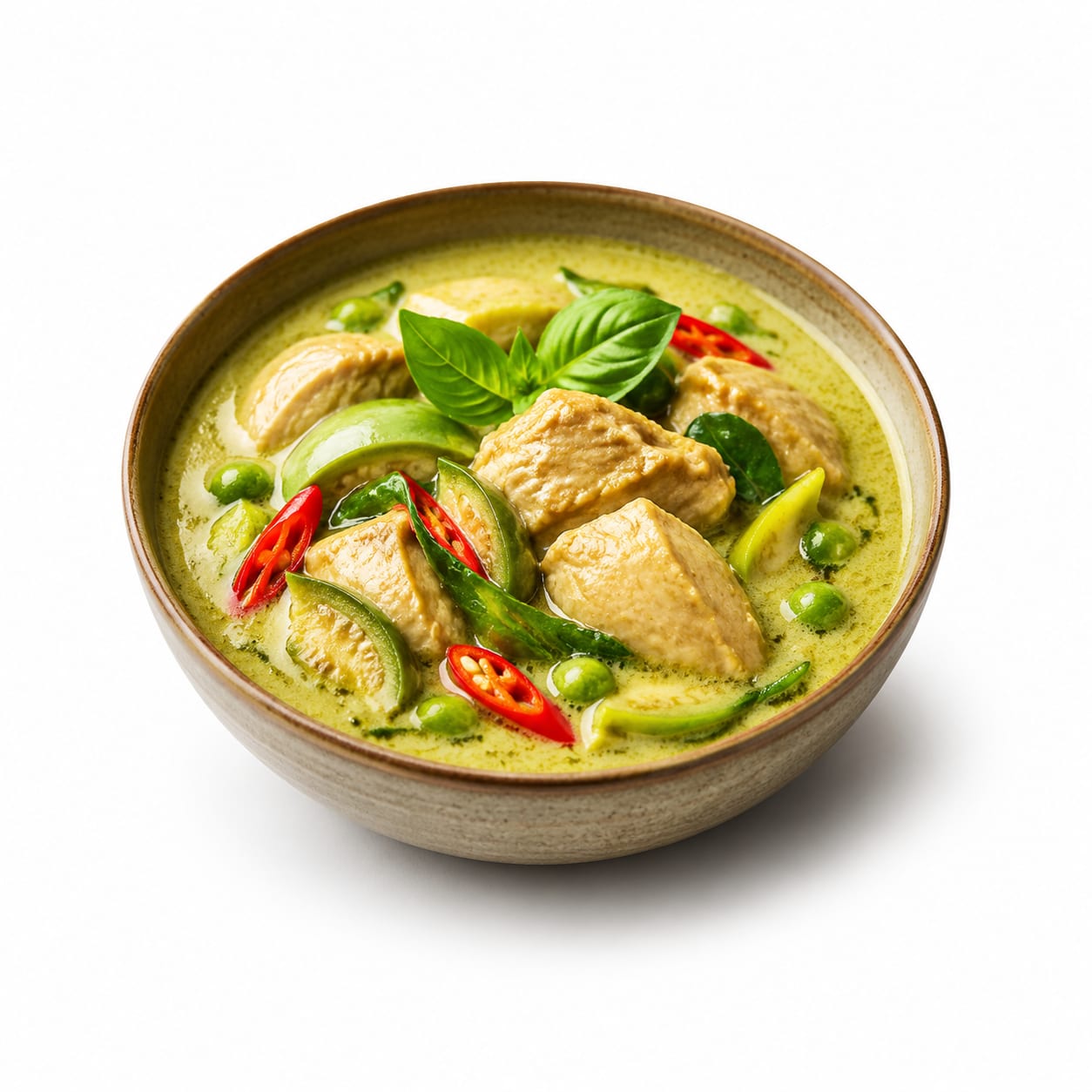
Green Curry
A Thai curry dish featuring coconut milk, green chili paste, and vegetables or protein.
A rich, spicy Thai curry made with coconut milk, fresh green curry paste, vegetables like bamboo shoots and Thai eggplant, and typically chicken, shrimp, or tofu.
high-fat moderate-protein prepared dish
Typical serving · 240g
Common varieties · Chicken Green Curry, Tofu Green Curry, Shrimp Green Curry, Beef Green Curry, Vegan Green Curry
Overall context score across nutrition, safety, and diet fit
At a glance
Quick facts
Simple indicators based on nutrition, processing, and diet fit.
The story
What makes it unique
Green curry provides a high-fat, moderate-protein macronutrient profile primarily driven by coconut milk. Digestion is slowed by the high saturated fat content, which moderates the glycemic response but increases energy density. Satiety is moderate to high, though processing level varies significantly based on whether commercial pastes containing emulsifiers and additives are used.
Varieties: Chicken Green Curry · Tofu Green Curry · Shrimp Green Curry · Beef Green Curry · Vegan Green Curry
Per 100g
Nutrition breakdown
Macro balance and key metrics at a glance.
Energy
Density 1.10 kcal/g
Protein
Carbs
Fat
Fiber
Sugar
2 g
Sodium
380 mg
Potassium
210 mg
Glycemic index
35
Glycemic load
2
Water content
75%
Standout compounds
Nutrient highlights
Saturated Fat
highProvides rapid energy and supports hormone production, but should be moderated for heart health.
Protein
moderateSupports muscle repair and increases satiety.
Sodium
highEssential electrolyte but often excessive in restaurant versions, posing risks for hypertension.
Vitamin C
moderateFound in green chilies and basil, supports immune function.
Capsaicin
moderateCompound in green chilies that may boost metabolism and reduce inflammation.
Wellness map
Health scores & processing
NOVA processing scale
Moderately to Highly Processed · Ultra-processed
While whole ingredients like vegetables and meat are used, commercial green curry pastes often contain added sugars, modified starches, and preservatives, and coconut milk frequently contains emulsifiers, pushing it into ultra-processed territory when dining out or using jarred sauces.
Diet compatibility
- Weight loss
- Muscle gain
- Diabetes
- Gut health
- Low carb
- High protein
- Heart health
Relative standing
Food rankings
Qualitative ranks compared to similar whole foods.
- Satietygood
- Blood sugarexcellent
- Nutrient densitymoderate
- Fitness fuelgood
- Processing qualitypoor
Eat with confidence
Food safety profile
Green curry is generally safe, but sodium levels can be very high in restaurant and pre-made versions. Seafood variations may carry typical aquatic heavy metal risks.
Evidence confidence 85%
- Pesticideslow
- Antibioticsmoderate
- Heavy metalsmoderate
- Contaminationlow
Watch for
- Sodium benzoate
- Arsenic in seafood varieties
Safer choices
Homemade curry paste, low-sodium coconut milk, and organic or wild-caught proteins.
Prep tips
Rinse canned vegetables like bamboo shoots to reduce sodium; use fresh produce when possible.
High sodium content in commercial curry pastes; antibiotic use in conventionally farmed shrimp.
Deep dive
Health analysis
How this food may fit different goals and preparation choices.
Weight loss
The high energy density from coconut milk makes it easy to overconsume calories. Portion control is essential for weight loss.
Blood sugar
Very low carbohydrate content and high fat slow gastric emptying, resulting in minimal blood sugar spikes.
Fitness & energy
Provides sustained energy from fats and moderate protein for muscle repair, but is too heavy for pre-workout consumption.
Gut health
Spices like chili and galangal may irritate sensitive guts. Coconut milk lacks fiber, though included vegetables provide small amounts.
Processing quality
Restaurant and jarred versions rely on ultra-processed pastes with additives and stabilizers. Homemade versions using fresh ingredients are significantly less processed.
Food safety
Primary concerns are high sodium from commercial pastes and soy sauce, plus antibiotic residues in conventional meats or farmed shrimp.
Common mistakes
Assuming it is a low-calorie vegetable dish due to the green color, and consuming large portions with high-calorie jasmine rice.
Best preparation
Making curry paste from scratch using fresh herbs, using light coconut milk, and loading up on non-starchy vegetables to increase volume without excess calories.
Practical guide
Best use cases
When and how this food fits real eating patterns.
Keto dinner
High fat and low carb content makes it ideal for ketogenic diets.
Post-workout meal
Provides protein for muscle repair and fats for sustained recovery energy.
Low-carb comfort food
Offers rich flavor and satiety without relying on heavy carbohydrates.
Balance sheet
Pros & cons
Upsides
- Very low carbohydrate content prevents blood sugar spikes
- High fat content provides strong satiety
- Contains anti-inflammatory spices like galangal and lemongrass
- Easily adapted for ketogenic and low-carb diets
Trade-offs
- High in calories and saturated fat from coconut milk
- Restaurant and pre-made versions are extremely high in sodium
- Commercial curry pastes often contain ultra-processed additives
- Spices can trigger heartburn or IBS symptoms in sensitive individuals
Fit check
Who is it for?
Great match
- ketogenic diets
- low-carb eating
- blood sugar management
- high-fat meal prep
Consider alternatives
- strict low-fat diets
- low-sodium diets
- calorie-deficit weight loss without portion control
- people with severe IBS or spice sensitivity
Side by side
How it compares
Open the full head-to-head analysis for nutrition, safety, and practical tradeoffs.
This food
Green Curry
VS95% alike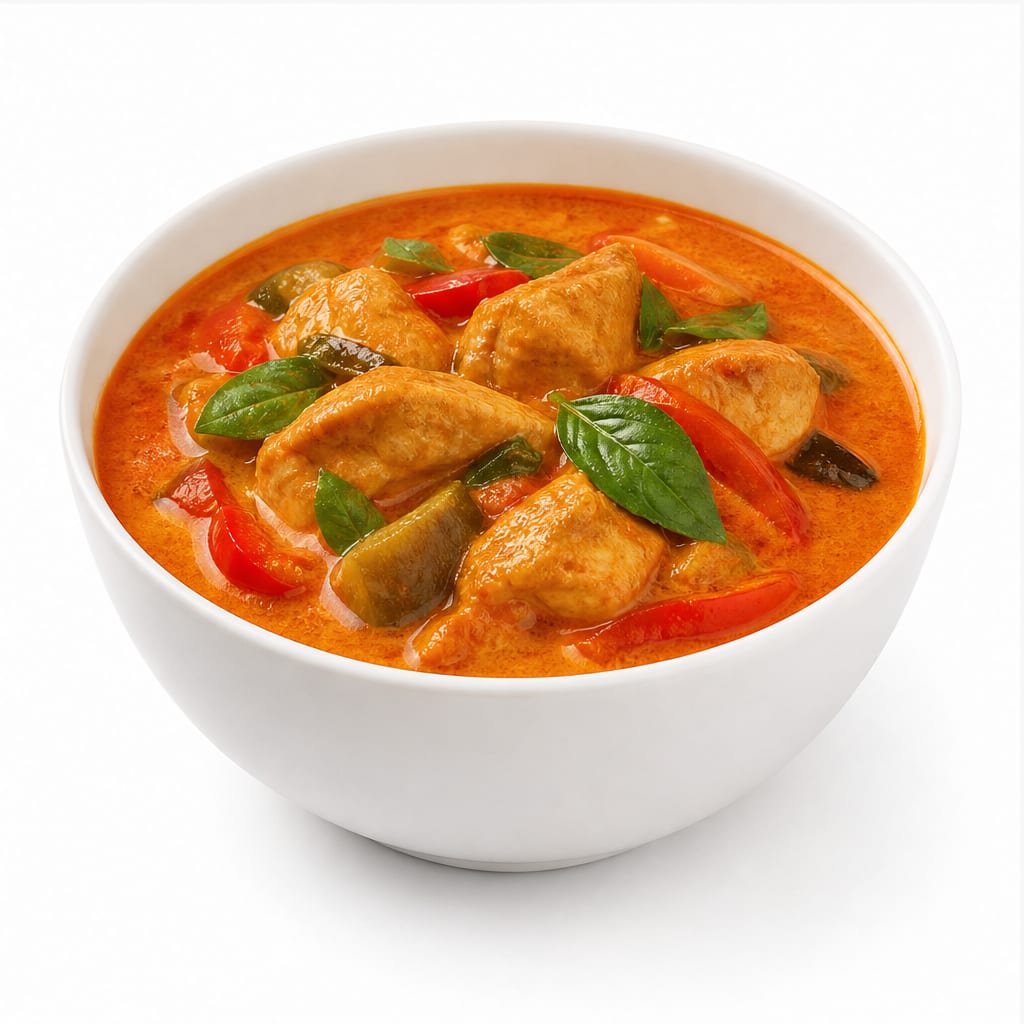
Compare with
Red Curry
Both are high-fat, low-carb coconut curries. Red curry is slightly spicier but nutritionally almost identical.
Green and red curry are nutritionally identical; the only difference is the color and heat of the chili paste used.
This food
Green Curry
VS90% alike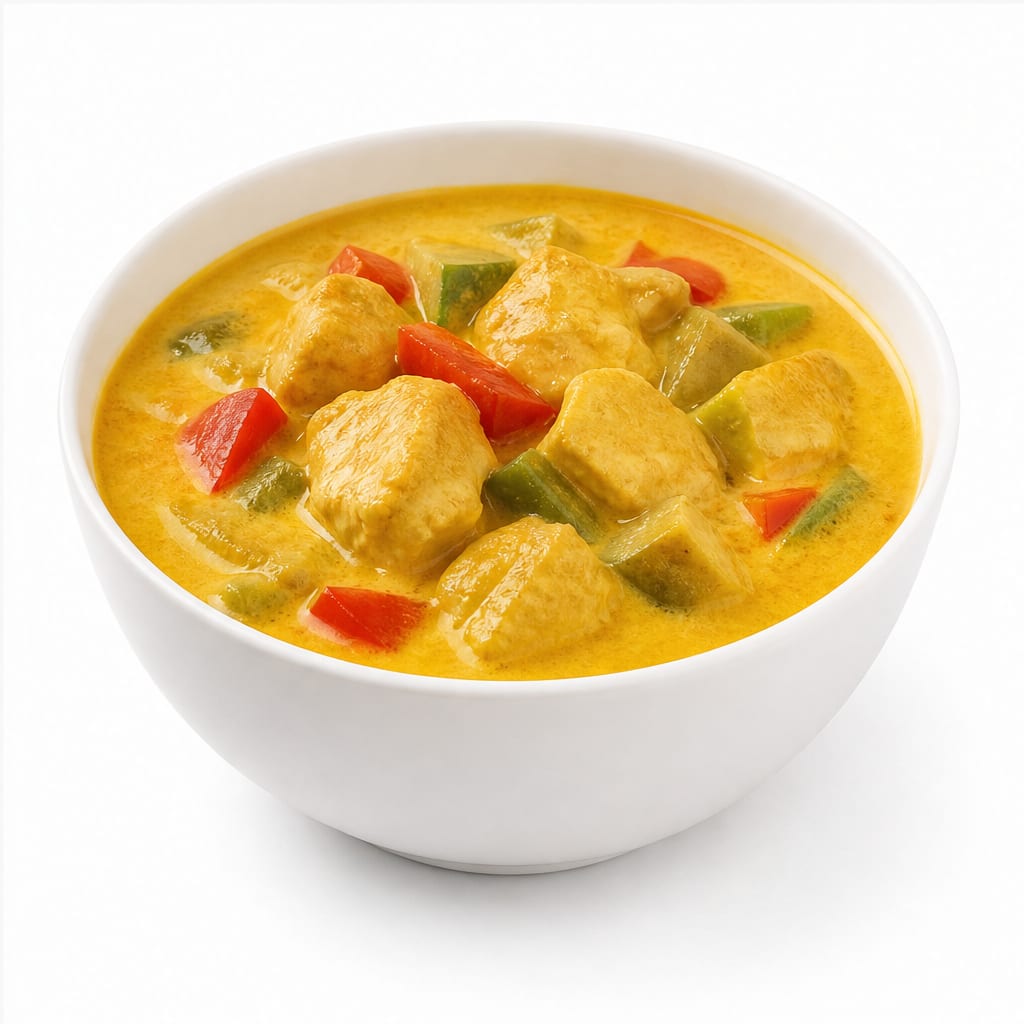
Compare with
Yellow Curry
Yellow curry often contains potatoes, making it slightly higher in carbs and calories than green curry.
Green curry is lower in carbs than yellow curry, which often contains starchy potatoes that spike blood sugar faster.
This food
Green Curry
VS85% alike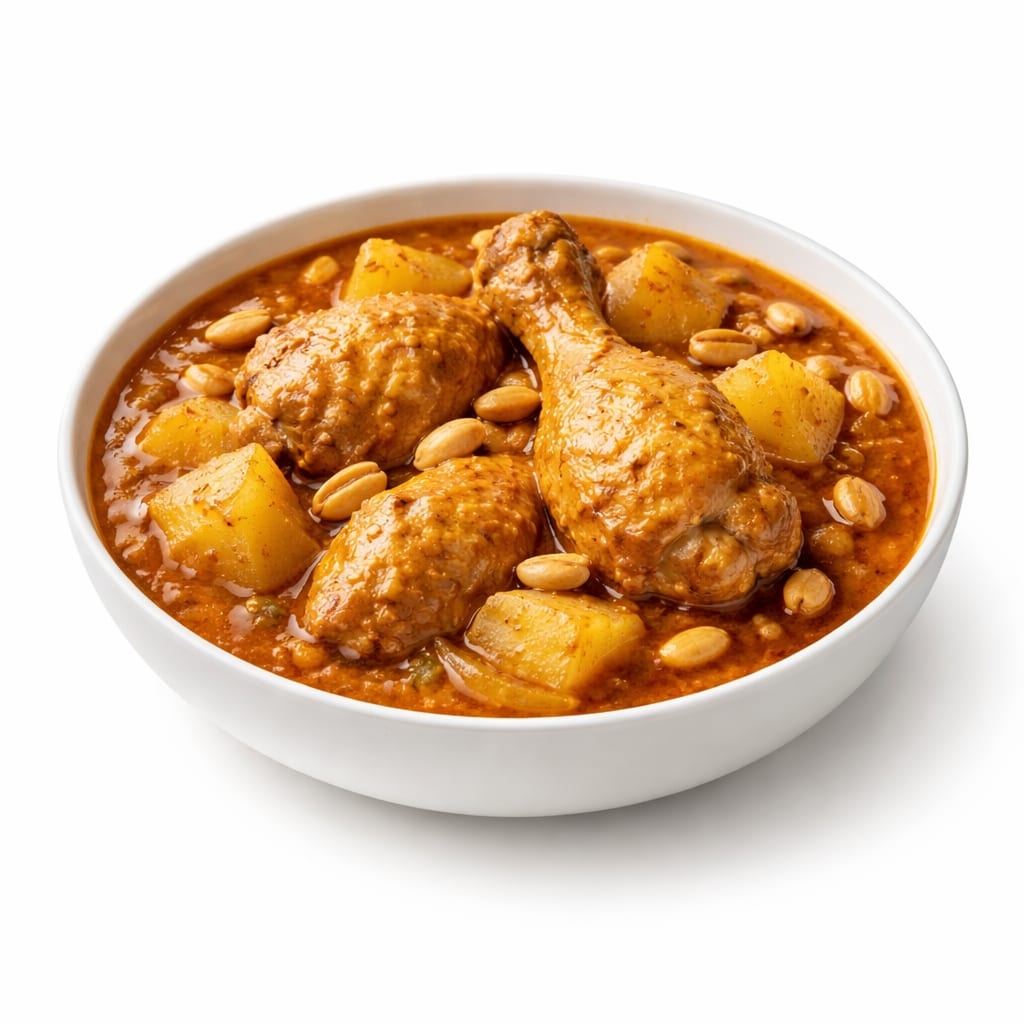
Compare with
Massaman Curry
Massaman is higher in carbs from potatoes and higher in calories from peanuts compared to green curry.
Green curry is lower in calories and carbs than Massaman curry, which is loaded with peanuts and potatoes.
This food
Green Curry
VS85% alike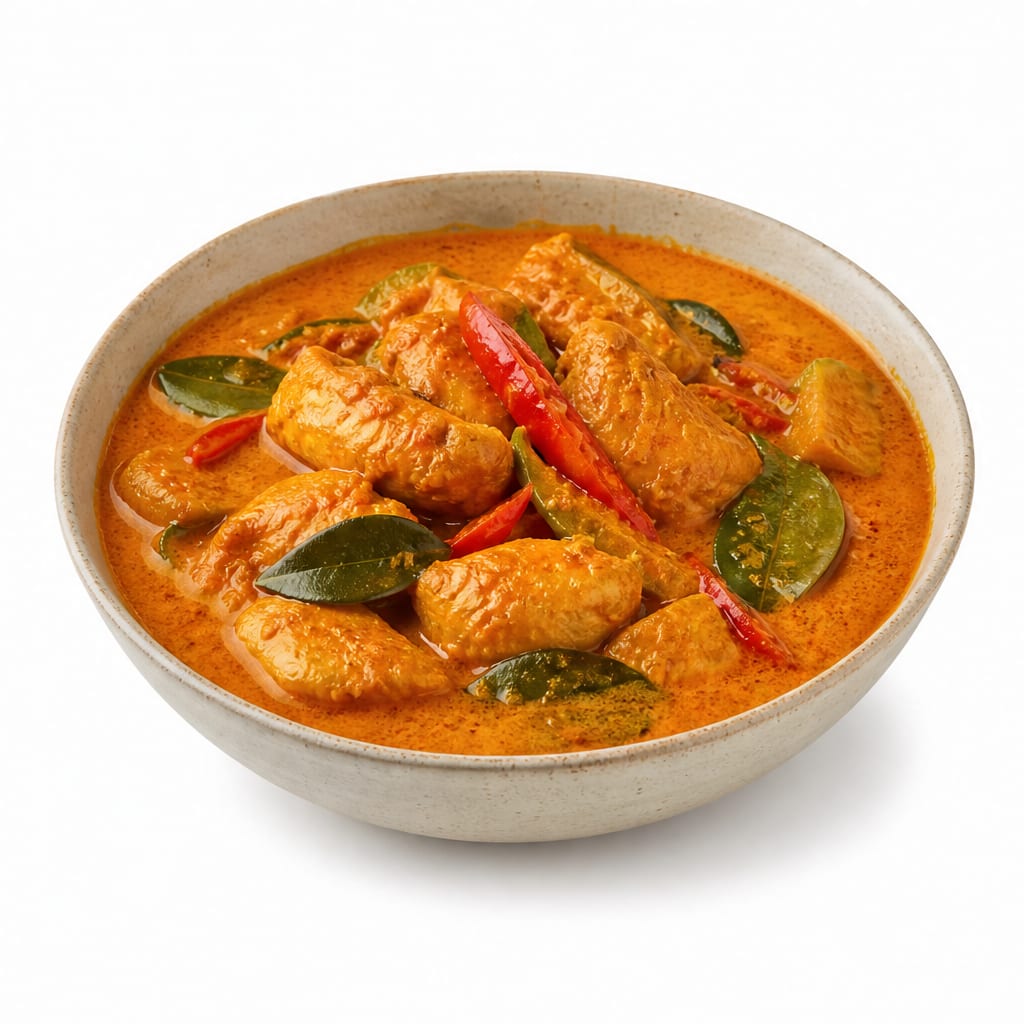
Compare with
Panang Curry
Panang is thicker and slightly higher in fat with less liquid, while green curry is soupier and slightly lower in calories per cup.
Panang curry is thicker and richer in fat, while green curry is slightly lighter and soupier, making it better for volume eating.
This food
Green Curry
VS70% alike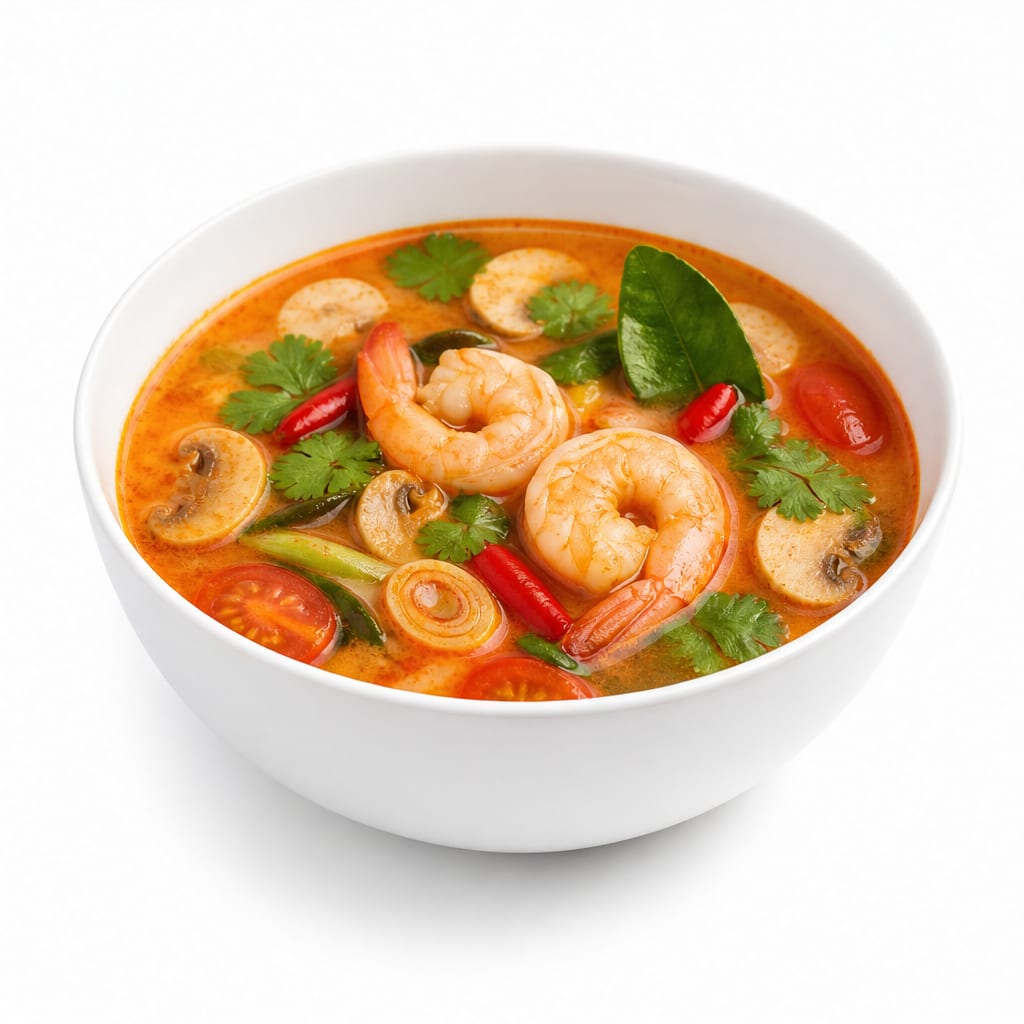
Compare with
Tom Yum Soup
Tom Yum is broth-based, making it drastically lower in calories and fat compared to green curry.
Tom Yum soup is much lower in calories than green curry because it uses a clear broth instead of coconut milk.
This food
Green Curry
VS60% alike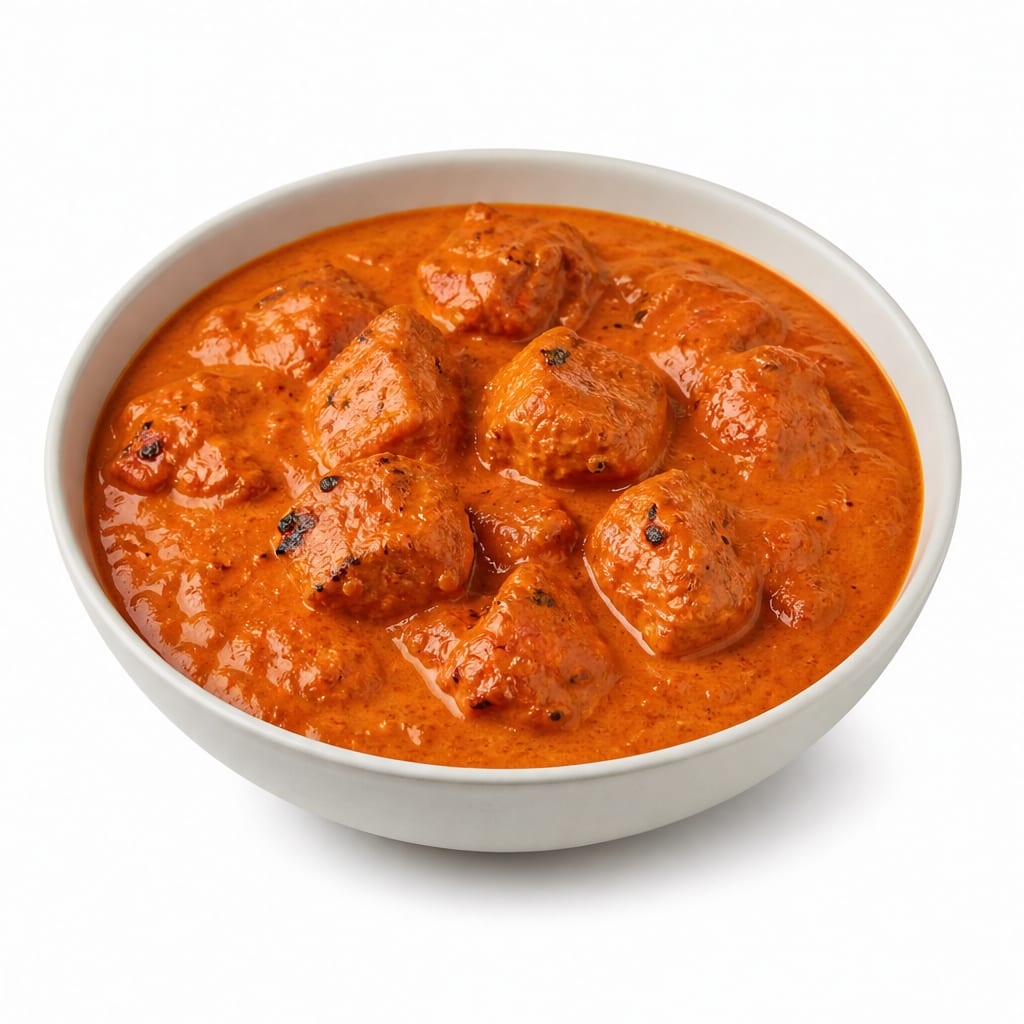
Compare with
Chicken Tikka Masala
Tikka Masala uses dairy cream and tomato, offering more protein but also high calories, whereas green curry relies on coconut fat.
Green curry is lower in carbs than Chicken Tikka Masala, which contains dairy and tomato sugars.
This food
Green Curry
VS55% alike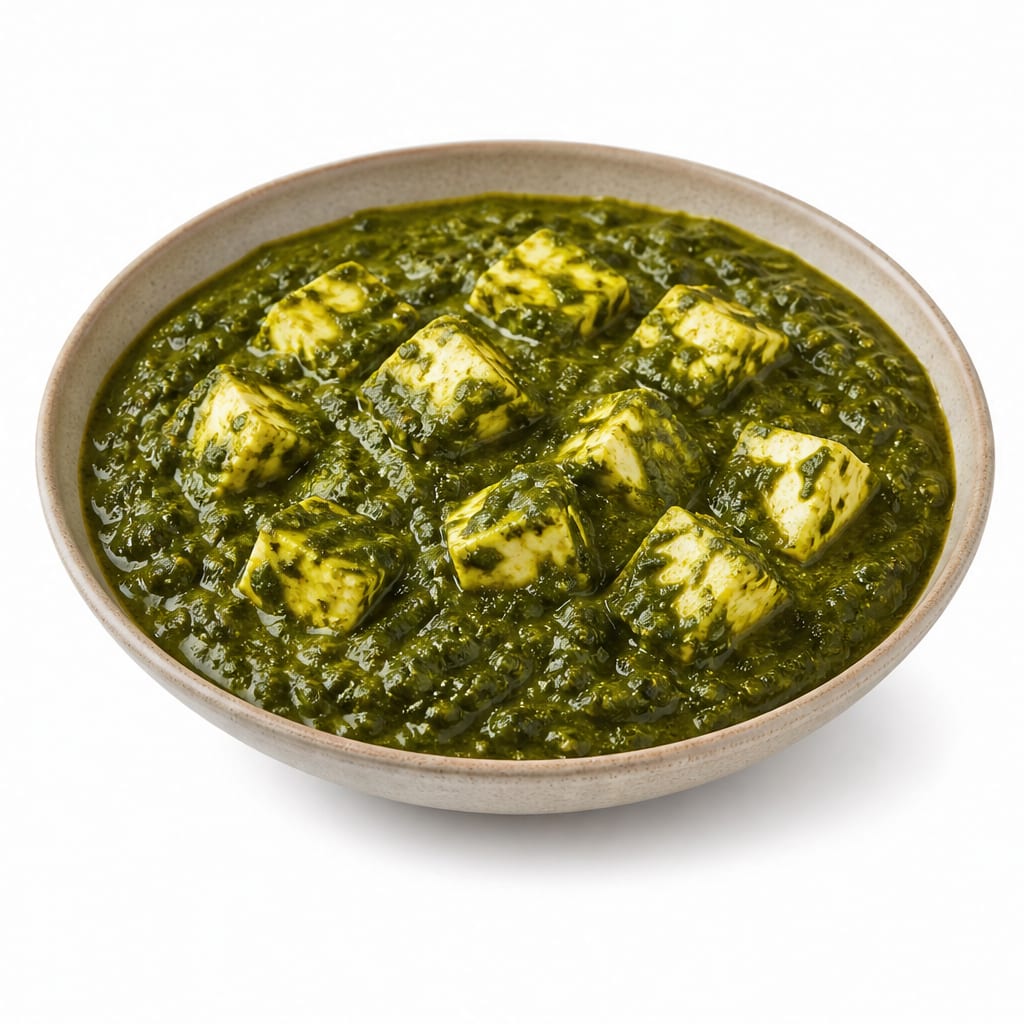
Compare with
Palak Paneer
Palak Paneer is spinach-based with cheese, offering more fiber and calcium, while green curry offers more saturated fat from coconut.
Palak Paneer provides more fiber and protein from spinach and cheese, while green curry provides more saturated fat from coconut milk.
This food
Green Curry
VS60% alike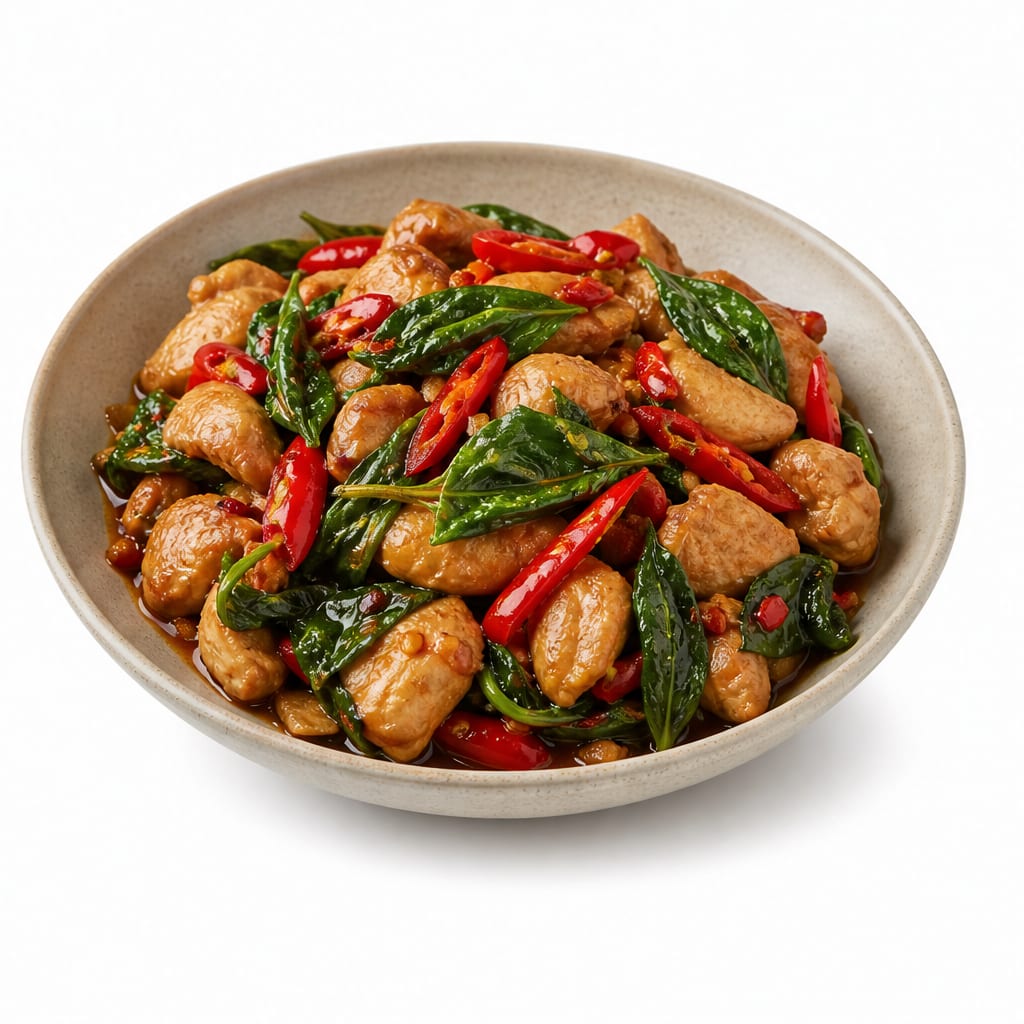
Compare with
Thai Basil Stir-Fry
Stir-fry skips the coconut milk, making it significantly lower in calories and fat while remaining low-carb.
Thai Basil Stir-Fry is much lower in calories than green curry because it skips the heavy coconut milk base.
This food
Green Curry
VS55% alike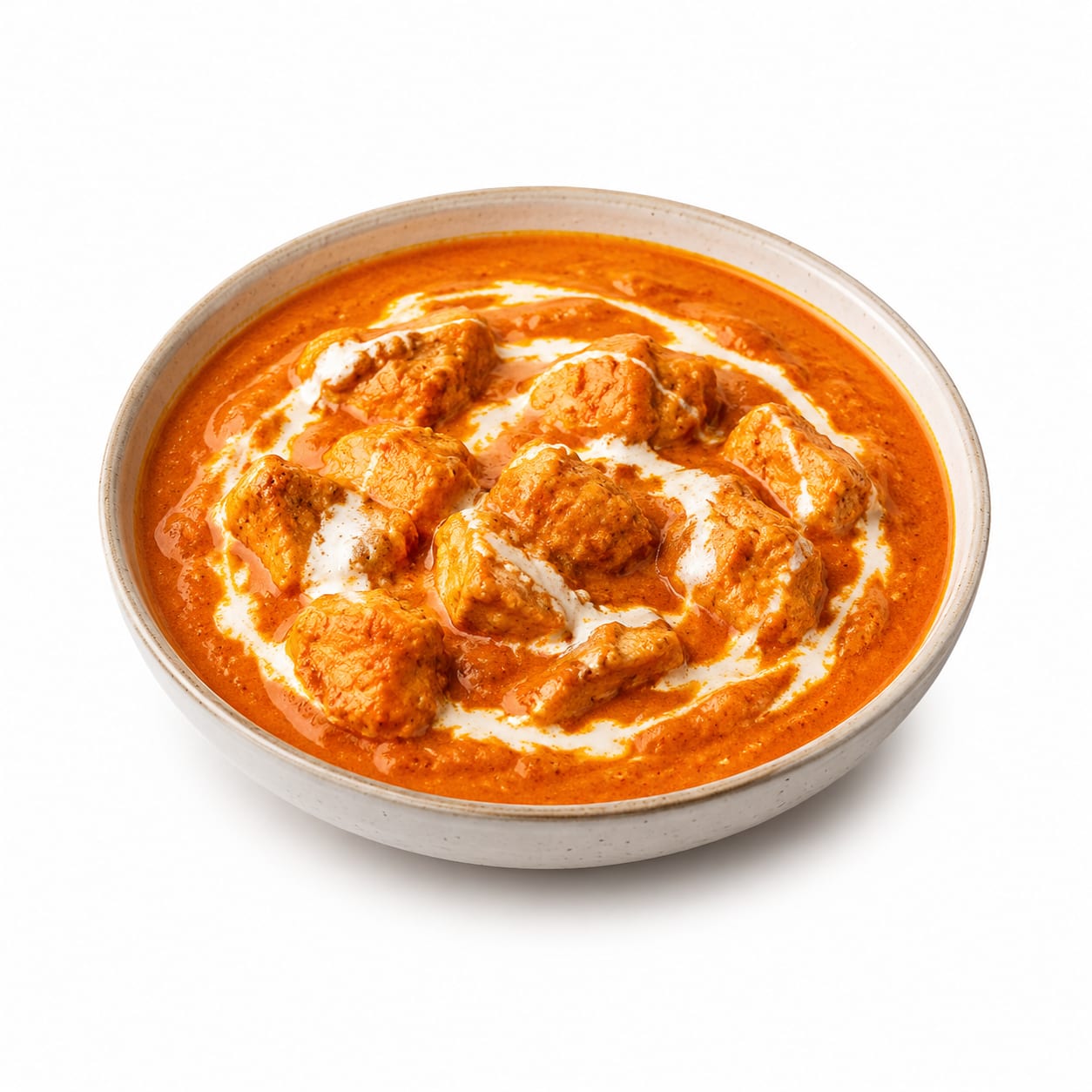
Compare with
Butter Chicken
Butter chicken uses dairy cream and butter, making it slightly higher in protein but also high in saturated fat and carbs compared to green curry.
Green curry is lower in carbs and calories than butter chicken, which relies on dairy cream and sugar.
This food
Green Curry
VS40% alike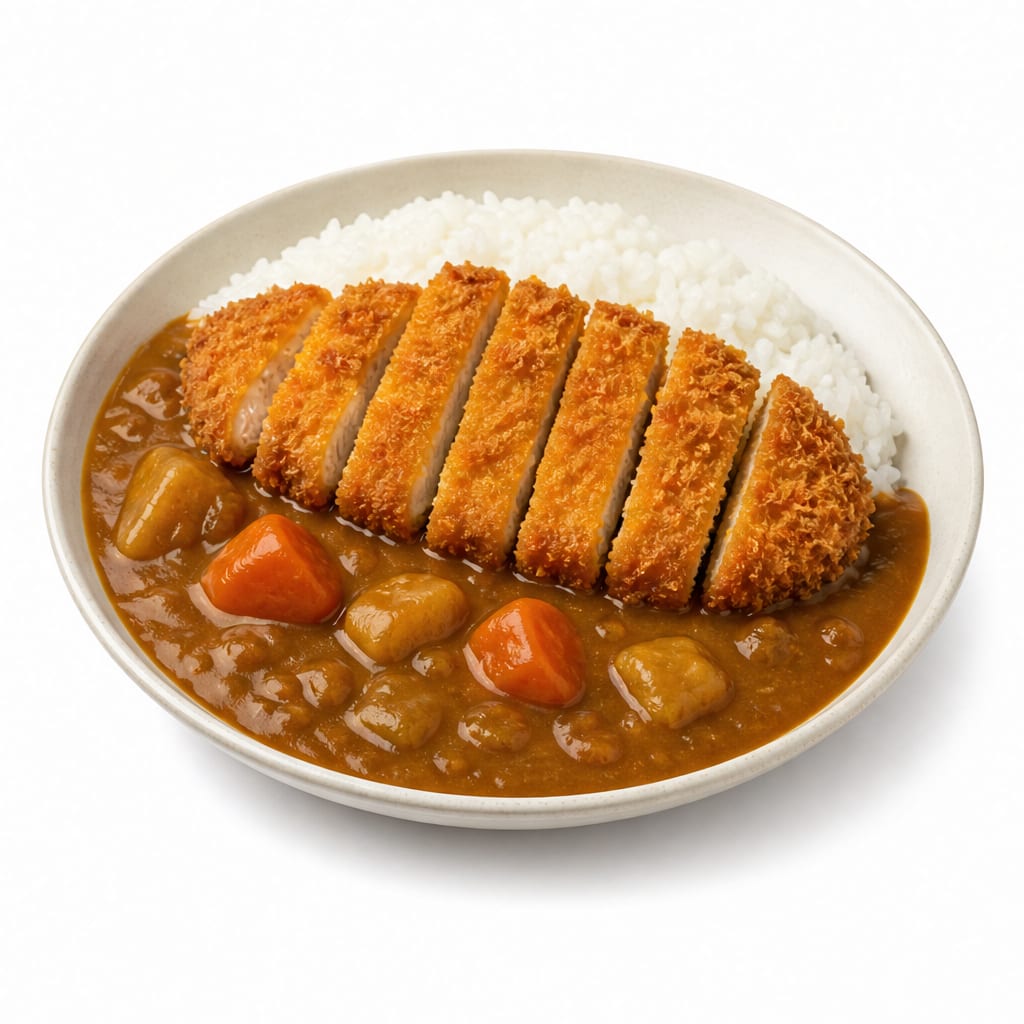
Compare with
Japanese Katsu Curry
Katsu curry features breaded fried meat and a flour-thickened roux, making it extremely high in carbs and calories compared to green curry.
Green curry is far lower in carbs and calories than Japanese Katsu Curry, which is made with fried breading and a flour-based sauce.
Common questions
FAQ
Answers aligned with how people search for this food.
Is green curry good for weight loss?
Not ideal due to high calorie density from coconut milk, but manageable with strict portion control and using light coconut milk.
Can diabetics eat green curry?
Yes, it is very low in carbohydrates and does not spike blood sugar, though sodium intake should be monitored.
Is green curry keto-friendly?
Yes, the high fat and low carb profile fits well into a ketogenic diet, especially when served without rice.
How many calories are in a bowl of green curry?
A standard restaurant bowl can range from 400 to 600 calories depending on the amount of coconut milk and protein used.
Is green curry healthier than red curry?
Nutritionally they are very similar; the main difference lies in the chili peppers used in the paste, with green chilies being slightly less mature.
Why is green curry so high in calories?
The primary calorie source is the saturated fat in coconut milk, which is highly energy-dense.
Does green curry have a lot of sugar?
Traditional green curry is low in sugar, but some commercial restaurants add palm sugar or sweeteners to balance the spice.
Transparency
Data confidence
Estimated confidence for nutrition data, interpretation, safety notes, and comparisons.
Nutrition data
Health analysis
Food safety
Comparisons