
Nutrition comparison
Green Curry vs Palak Paneer: Which is Healthier?
Compare Green Curry vs Palak Paneer to see which curry is better for protein, weight loss, and daily nutrition. Discover the health tradeoffs between coconut milk and paneer.
Overall winner · Palak Paneer
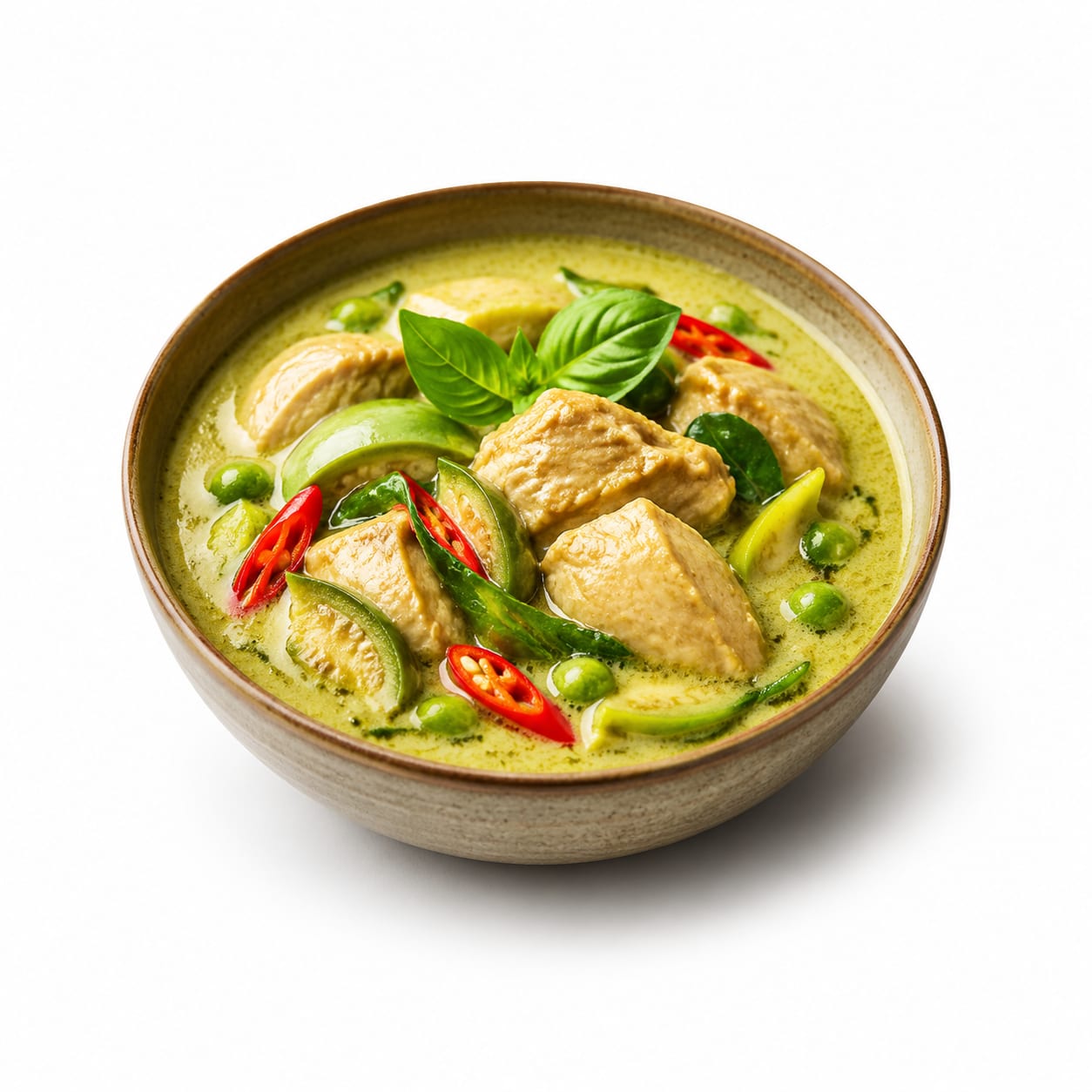
Green Curry
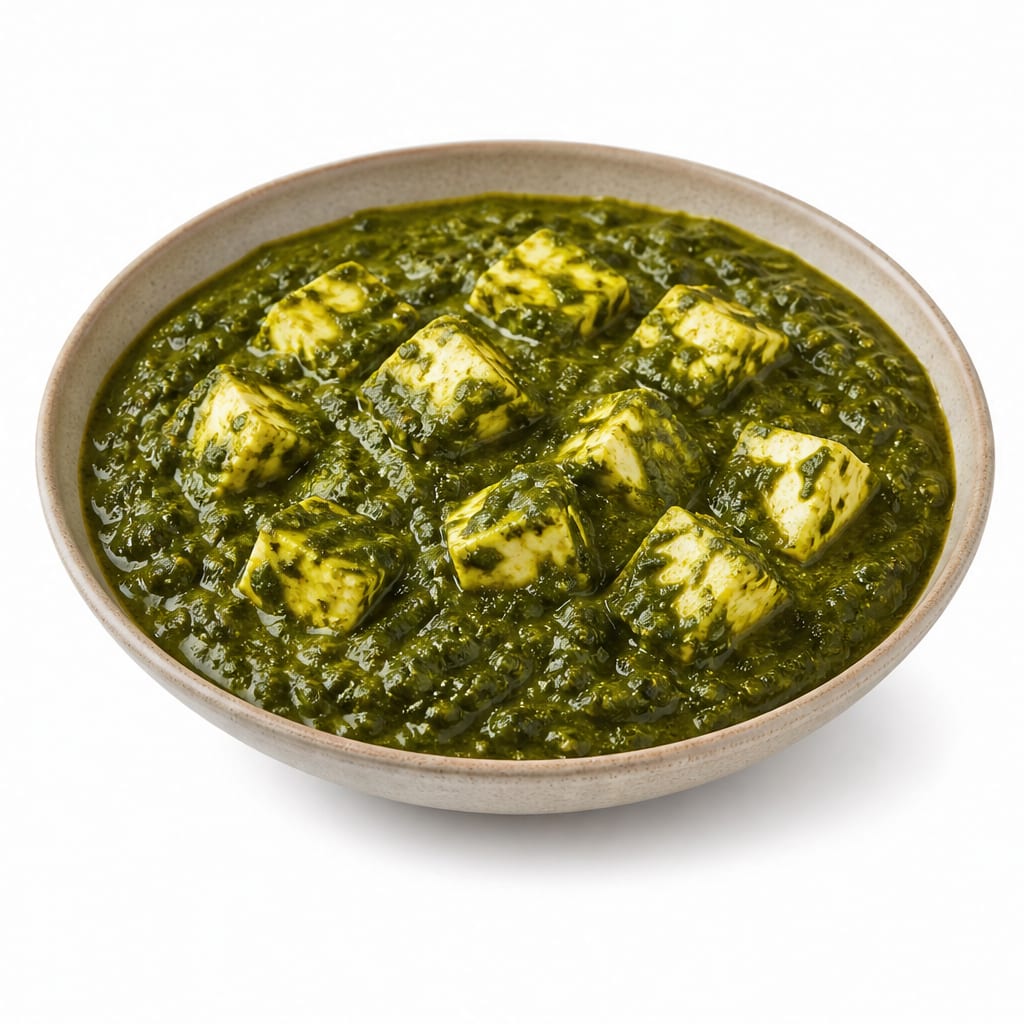
Palak Paneer
Palak Paneer delivers more protein, iron, and calcium, making it more filling and nutrient-dense, while Green Curry offers lighter flavors but can be heavier on coconut fat and sodium.
Palak Paneer scores higher due to its superior protein content and micronutrient density from spinach, whereas Green Curry relies heavily on coconut milk which adds calories without much protein or vitamins.
Dairy-based protein and iron from spinach versus coconut-based fats and aromatic spices.
At a glance
Executive summary
Overall
Palak Paneer
Healthier
Palak Paneer
More practical
It depends
Daily use
Palak Paneer
Key comparison lenses
Fat source comparison: coconut milk versus dairy
Both dishes are rich and creamy, but the health impact of coconut fat versus cheese fat is a major differentiator.
Protein and satiety differences
Paneer provides a substantial protein boost, while Green Curry relies mostly on fat for fullness.
Micronutrient density: spinach versus herbs
Palak Paneer is a powerhouse of iron and calcium, whereas Green Curry offers different antioxidant benefits from fresh herbs.
Sodium and spice tolerance
Curry paste is extremely high in sodium and heat, impacting blood pressure and digestion.
Best choice for
Green Curry
- People avoiding dairy or lactose
- Those wanting a lighter-tasting, aromatic meal
- Fans of spicy, warming flavors
Palak Paneer
- People needing more protein and sustained energy
- Iron-deficient individuals or vegetarians
- Those wanting a highly filling, comforting meal
Least suitable for
Green Curry
- People watching their sodium intake
- Those sensitive to spicy food or GERD
- Strict low-fat dieters
Palak Paneer
- Vegans and strict dairy-avoiders
- Those watching saturated fat closely
- People prone to kidney stones (due to oxalates in spinach)
Deep comparison
Dimension by dimension
Each lens scores both foods and breaks down who each option suits.
- Dimension 1 · Priority 90Palak Paneer
Protein & Satiety
Green Curry · 50Palak Paneer · 85Palak Paneer is much more filling thanks to the dense protein in paneer, while Green Curry relies mostly on fat for satiety.
Tradeoff
You trade the lighter mouthfeel of coconut milk for the heavier, more sustaining protein hit of cheese.
Why it matters
Protein keeps you full longer and stabilizes blood sugar better than fat alone.
Real-world impact
After eating Palak Paneer, you are less likely to snack a few hours later compared to a coconut milk-based curry.
Green Curry
- Smaller appetites who prefer lighter meals
Better for
- Post-workout recovery when protein is a priority
Worse for
Palak Paneer
- Active individuals needing muscle support
- Anyone trying to stay full until their next meal
Better for
- Light summer lunches where heaviness is unwanted
Worse for
- Dimension 2 · Priority 85Palak Paneer
Micronutrient Density
Green Curry · 55Palak Paneer · 82Spinach in Palak Paneer provides a massive dose of iron, folate, and vitamin K, while Green Curry offers less concentrated nutrition.
Tradeoff
Green Curry gives more diverse antioxidants from fresh herbs, but Palak Paneer delivers higher volumes of essential minerals.
Why it matters
Iron and folate are critical for energy levels and blood health, especially for vegetarians.
Real-world impact
Regularly eating Palak Paneer can help fight fatigue and prevent anemia.
Green Curry
- Those seeking diverse, rare antioxidants from Thai basil and kaffir lime
Better for
- Correcting a known iron deficiency
Worse for
Palak Paneer
- Vegetarians needing iron and calcium
- Women of reproductive age needing folate and iron
Better for
- Situations where vitamin K intake must be limited due to blood thinners
Worse for
- Dimension 3 · Priority 80It depends
Fat Quality & Heart Health
Green Curry · 60Palak Paneer · 60Both dishes are high in saturated fat—Green Curry from coconut milk and Palak Paneer from cheese and cream.
Tradeoff
Coconut fat raises HDL but also LDL; dairy fat has a more neutral effect on heart health but still adds saturated fat.
Why it matters
Saturated fat intake is a key factor in cardiovascular risk over time.
Real-world impact
Neither is a heart-healthy low-fat meal, so portion control is essential for both.
Green Curry
- Those who tolerate coconut fat well and prefer plant-based fats
Better for
- People with high LDL cholesterol trying to avoid coconut oil
Worse for
Palak Paneer
- Those who prefer animal fats and benefit from dairy's CLA content
Better for
- Strict low-saturated-fat diets for heart disease management
Worse for
- Dimension 4 · Priority 70It depends
Digestive Comfort
Green Curry · 55Palak Paneer · 65Green Curry's spice and coconut milk can trigger acid reflux, while Palak Paneer is milder but can be heavy for lactose-sensitive individuals.
Tradeoff
Spicy heat and potential coconut sensitivity versus dairy heaviness.
Why it matters
Comfort after eating determines whether a meal is sustainable or causes regret.
Real-world impact
If you have GERD, Green Curry might cause heartburn; if you are sensitive to dairy, Palak Paneer might cause bloating.
Green Curry
- Those who digest coconut milk easily and enjoy mild spice
Better for
- People with IBS or acid reflux triggered by chilies
Worse for
Palak Paneer
- Those who find spicy food irritating but tolerate dairy well
Better for
- People with lactose intolerance or dairy sensitivities
Worse for
- Dimension 5 · Priority 75Palak Paneer
Sodium & Blood Pressure
Green Curry · 40Palak Paneer · 55Green Curry paste is extremely high in sodium, whereas Palak Paneer's seasoning is typically milder, though restaurant versions can still be salty.
Tradeoff
Bold, salty Thai flavors versus more moderate Indian spicing.
Why it matters
High sodium intake directly impacts blood pressure and bloating.
Real-world impact
Eating Green Curry can leave you feeling puffy and thirsty the next day due to the salt load.
Green Curry
- Those who make curry from scratch with low-sodium paste
Better for
- Daily consumption if using store-bought paste or eating out
Worse for
Palak Paneer
- People managing hypertension who need to avoid extreme sodium spikes
Better for
- Very strict low-sodium diets where even moderate salt is restricted
Worse for
Timeline
Health impact over time
Short-term
Hours to days
Green Curry
- Quick energy from coconut fat
- Potential bloating from high sodium
- Possible heartburn from chilies
Palak Paneer
- Long-lasting fullness from protein
- Steady energy without a crash
- Potential heaviness or sluggishness if portion is large
Long-term
Months to years
Green Curry
- Risk of elevated LDL cholesterol from frequent coconut milk consumption
- High blood pressure if sodium from curry paste isn't managed
Palak Paneer
- Better bone health from calcium
- Improved iron status preventing fatigue
- Potential weight gain if saturated fat intake isn't monitored
Risk profile
Safety & processing
Both use whole foods as a base, but Green Curry relies on a pre-made paste that can contain hidden additives, preservatives, and artificial colors, while Palak Paneer is usually made from scratch with whole spinach and fresh cheese.
Green Curry
Seafood cross-contamination
mediumGreen Curry often contains shrimp or fish sauce, posing a risk for those with shellfish or fish allergies.
Spice contamination
lowImported curry pastes can sometimes have lower quality control for heavy metals in spices.
Palak Paneer
Dairy spoilage
mediumPaneer is a fresh cheese that spoils quickly if not kept cold, posing a foodborne illness risk if left out.
Oxalate load
lowSpinach is high in oxalates, which can contribute to kidney stone formation in susceptible individuals.
Who wins for whom
Audience fit
Same foods, different winners depending on your goal.
children
Palak PaneerPalak Paneer is milder and provides essential calcium and iron for growing kids, whereas Green Curry is often too spicy.
daily consumption
Palak PaneerThe nutrient density of spinach and paneer makes it a more balanced everyday option than coconut milk-heavy Green Curry.
diabetes
Palak PaneerThe protein and fiber in Palak Paneer stabilize blood sugar better than the high-fat, lower-protein profile of Green Curry.
elderly
Palak PaneerThe calcium in paneer supports bone density, and the iron in spinach helps prevent anemia common in older adults.
muscle gain
Palak PaneerPaneer provides a solid dose of casein protein, which is excellent for muscle repair and sustained amino acid delivery.
weight loss
Palak PaneerPalak Paneer's high protein content preserves muscle and keeps you full, making it easier to stick to a calorie deficit.
Your move
Decision guide
Choose Green Curry
- You are dairy-free or lactose intolerant
- You crave bold, spicy, and aromatic flavors
- You want a lighter-tasting meal that does not feel heavy in the stomach
Choose Palak Paneer
- You need more protein and sustained energy
- You want to boost your iron and calcium intake
- You prefer creamy, mild, and comforting flavors
Either works if
- You are looking for a satisfying, warm, comforting meal
- You are okay with higher saturated fat content
Avoid both if
- You are on a strict low-fat or low-calorie diet
- You have severe sodium restrictions
Final recommendation
Palak Paneer is the more nutritionally complete choice, offering a rare combination of iron, calcium, and protein in a vegetarian package. Choose Green Curry when you want a dairy-free, aromatic experience, but be mindful of the sodium and lighter protein hit.
Practical
Consumer tips
- 1
Ask for light coconut milk in Green Curry to cut calories and saturated fat by up to 60%.
- 2
Squeeze lemon juice over Palak Paneer to significantly boost iron absorption from the spinach.
- 3
Watch your portion sizes with both—restaurant servings often include 2-3 cups of rice, doubling the calorie load.
- 4
If making Green Curry at home, use low-sodium curry paste and load up on extra vegetables like bell peppers and zucchini.