
Nutrition comparison
Green Curry vs Red Curry: Which Is Healthier for You?
Compare Green Curry and Red Curry on spice, digestion, metabolism, and nutrition. Find out which Thai curry fits your health goals and stomach better.
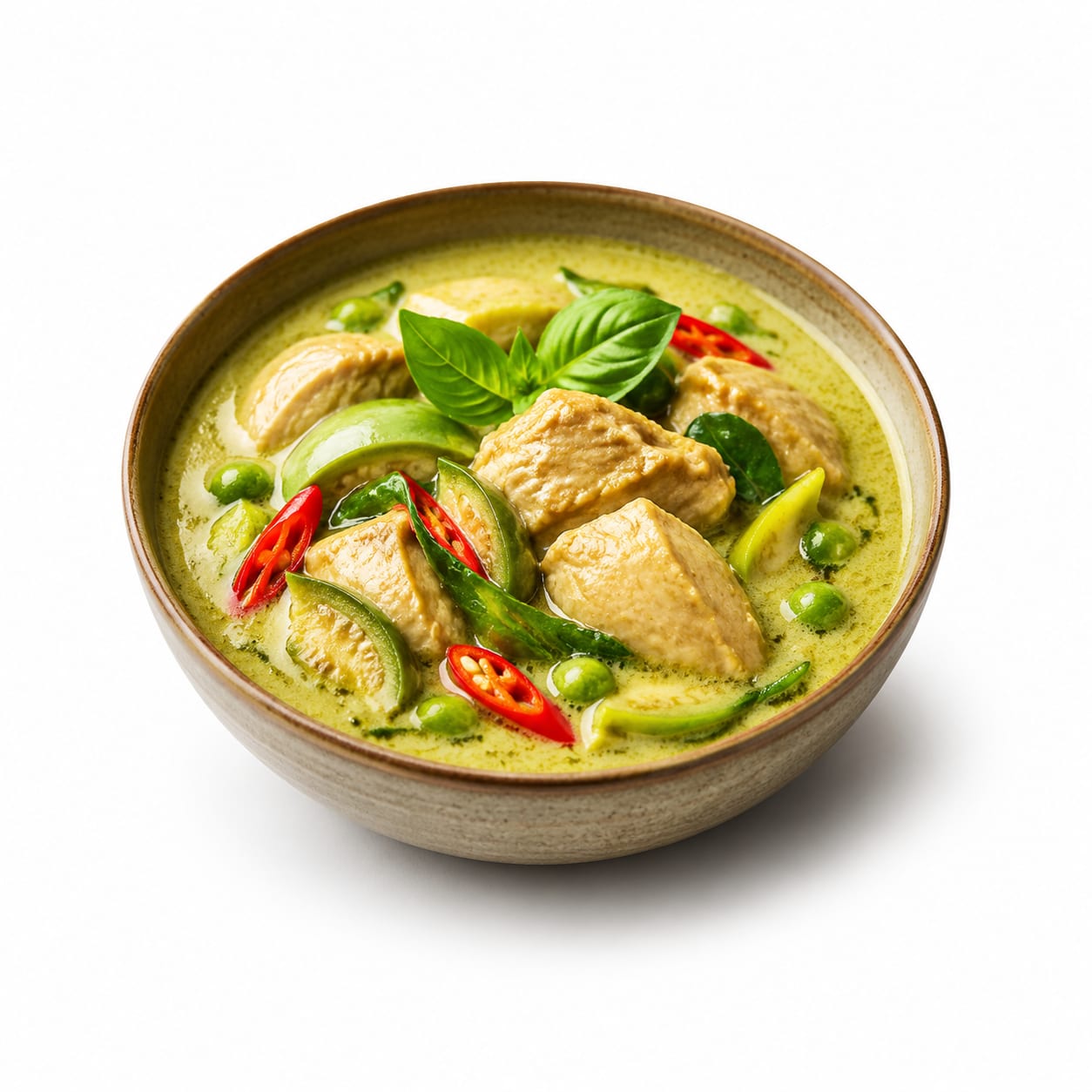
Green Curry
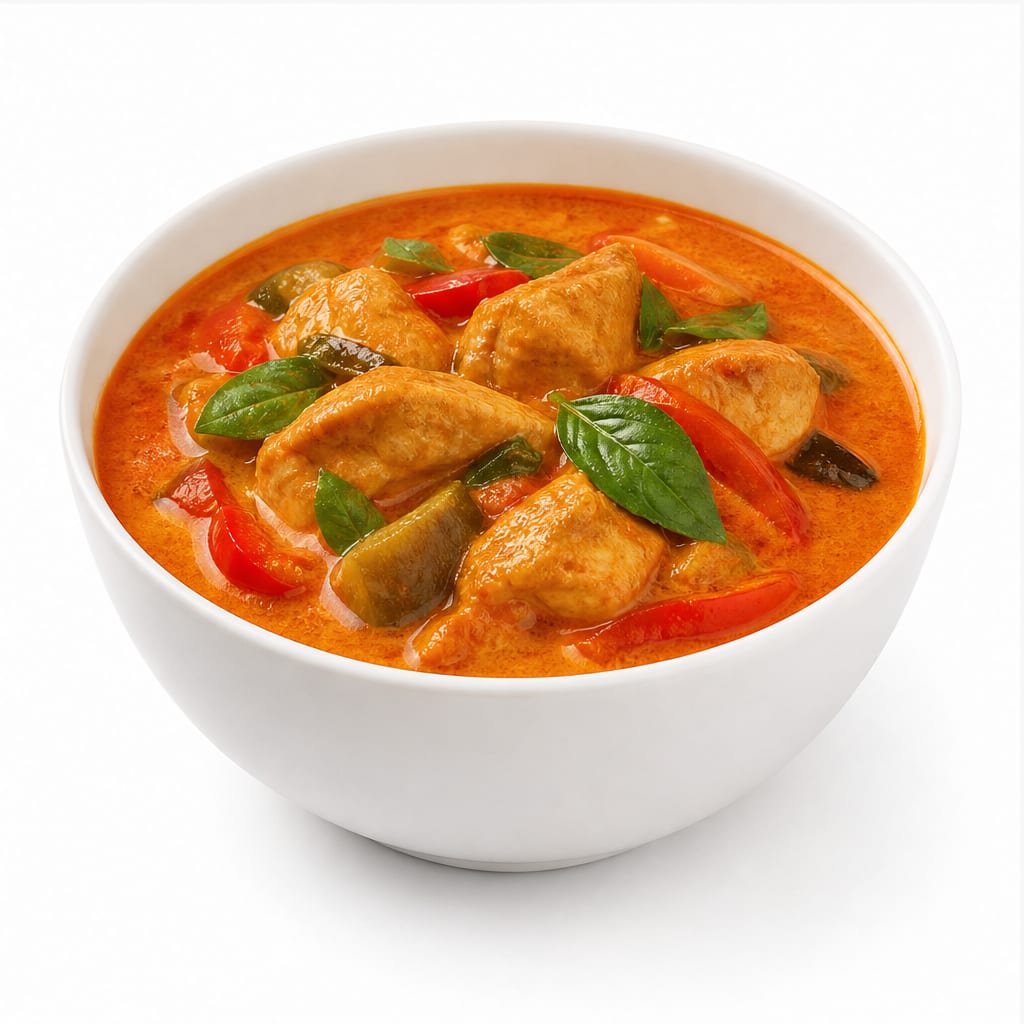
Red Curry
Green Curry is gentler and more herb-forward, while Red Curry brings more heat and metabolic kick. Your pick depends on spice tolerance and health priorities.
Green Curry scores slightly higher due to broader eatability and gentler digestive impact, but Red Curry's capsaicin advantages keep it competitive. The close scores reflect how context-dependent this choice truly is.
Green Curry trades capsaicin-driven metabolic benefits for easier digestion and fresher antioxidant profiles from herbs like basil and cilantro.
At a glance
Executive summary
Overall
It depends
Healthier
It depends
More practical
Green Curry
Daily use
Green Curry
Key comparison lenses
Spice tolerance and digestive comfort
The primary difference between these curries is chili type and heat level, which directly impacts who can eat them comfortably
Anti-inflammatory and antioxidant benefits
Green Curry offers fresh herb antioxidants while Red Curry provides capsaicin-based benefits, creating a meaningful health tradeoff
Metabolic and weight management impact
Capsaicin in Red Curry may boost metabolism slightly, while Green Curry's lighter profile may feel less heavy
Everyday eatability and meal frequency
Users often wonder which curry is more sustainable as a regular meal choice without palate fatigue or stomach irritation
Sodium and coconut milk calorie awareness
Both curries share similar bases but preparation differences can significantly affect sodium and calorie loads
Best choice for
Green Curry
- People with sensitive stomachs or acid reflux
- Anyone avoiding high-spice meals
- Those who prefer lighter, herbaceous flavors
- Regular weekly meal rotation
- Children or spice-averse eaters
Red Curry
- Metabolism optimization seekers
- Fans of bold, spicy flavors
- People wanting capsaicin's anti-inflammatory benefits
- Cold-weather comfort eating
- Experienced spice enthusiasts
Least suitable for
Green Curry
- People seeking maximum metabolic boost from capsaicin
- Those who find mild food unsatisfying
- Diners wanting bold, punchy heat
Red Curry
- People with IBS, gastritis, or acid reflux
- Children or anyone sensitive to spicy food
- Those prone to heartburn after heavy meals
Deep comparison
Dimension by dimension
Each lens scores both foods and breaks down who each option suits.
- Dimension 1 · Priority 93Green Curry
Digestive Tolerance
Green Curry · 82Red Curry · 55Green Curry is significantly easier on the stomach due to lower capsaicin content and milder chili load.
Tradeoff
You sacrifice some metabolic stimulation but gain comfort and the ability to eat it more often without irritation.
Why it matters
Chronic digestive irritation from spicy food can undermine otherwise healthy meals, especially for people with existing gut issues.
Real-world impact
Green Curry lets you enjoy a second helping without regret. Red Curry might leave you reaching for antacids if your stomach is sensitive.
Green Curry
- Acid reflux sufferers
- IBS-prone individuals
- Late dinners when heartburn risk is higher
Better for
- People who need strong flavor intensity to feel satisfied
Worse for
Red Curry
- Iron-stomached spice lovers
- Those who find mild food boring
Better for
- Anyone with GERD or gastritis
- People taking NSAIDs regularly
- Evening meals close to bedtime
Worse for
- Dimension 2 · Priority 86It depends
Anti-Inflammatory and Antioxidant Profile
Green Curry · 74Red Curry · 76Red Curry wins on capsaicin-driven inflammation reduction, while Green Curry delivers more fresh herb antioxidants like basil and cilantro.
Tradeoff
It is a choice between heat-activated compounds and fresh-herb polyphenols. Both paths reduce inflammation through different mechanisms.
Why it matters
Chronic inflammation drives most lifestyle diseases, so the antioxidant pathway that fits your body and diet matters.
Real-world impact
Red Curry acts like a mild internal warm-up for your immune system. Green Curry is more like a fresh herbal cleanse for your cells.
Green Curry
- People already supplementing with capsaicin or eating spicy food elsewhere
- Those wanting diverse antioxidant sources
- Anyone eating curry alongside other spicy dishes
Better for
- Missing out on capsaicin's unique pain-relief and metabolic properties
Worse for
Red Curry
- People who do not eat spicy food often and want capsaicin benefits
- Those seeking metabolic and anti-inflammatory synergy
- Cold climates where warming food feels therapeutic
Better for
- Over-relying on one class of anti-inflammatory compounds
Worse for
- Dimension 3 · Priority 79Red Curry
Metabolic Boost and Weight Management
Green Curry · 62Red Curry · 71Red Curry's capsaicin mildly increases thermogenesis and fat oxidation, giving it a slight edge for metabolism.
Tradeoff
The metabolic benefit is real but modest. It only matters if the rest of your diet and activity level support it.
Why it matters
Capsaicin can increase calorie burn by 4-8% temporarily, but this does not compensate for a poor overall diet.
Real-world impact
Think of Red Curry as a small tailwind for your metabolism. Helpful, but it will not do the heavy lifting alone.
Green Curry
- Emotional eaters who might overeat spicy food and feel sick after
- People whose weight issues stem from overconsumption, not metabolism
Better for
- Missing a simple dietary metabolism booster
Worse for
Red Curry
- Active people wanting every metabolic edge
- Those who find spicy food naturally limits their portion size
- Intermittent fasters breaking a fast with a thermogenic meal
Better for
- Overestimating the calorie-burn effect and eating larger portions
Worse for
- Dimension 4 · Priority 76Red Curry
Satiety and Portion Control
Green Curry · 65Red Curry · 73Spiciness naturally slows eating speed and reduces overall intake, giving Red Curry a slight satiety advantage.
Tradeoff
You feel full sooner with Red Curry, but you might also drink more sugary beverages to cool down, which cancels the benefit.
Why it matters
Eating speed is one of the strongest predictors of overconsumption. Slower eating almost always means fewer calories consumed.
Real-world impact
Red Curry forces you to pause between bites. Green Curry is easier to eat quickly, which can mean larger portions before your brain registers fullness.
Green Curry
- Slow, mindful eaters who do not need spice as a speed governor
- Those who find very spicy food stressful rather than satisfying
Better for
- Risk of mindless overeating due to mild, easy-to-consume flavor
Worse for
Red Curry
- Fast eaters who benefit from built-in pacing
- People who naturally stop eating sooner when food is hot
Better for
- Compensating with high-calorie drinks like sweet Thai iced tea
Worse for
- Dimension 5 · Priority 72It depends
Sodium Load
Green Curry · 58Red Curry · 56Both curries can be sodium bombs depending on curry paste and fish sauce amounts. Red Curry pastes sometimes contain slightly more added salt.
Tradeoff
Neither curry is inherently lower in sodium. It comes down to how the cook prepares it, not the color of the paste.
Why it matters
Restaurant and packaged versions of both curries regularly exceed 1000mg sodium per serving, which is half your daily limit.
Real-world impact
If you are sodium-sensitive, the curry color matters far less than asking for less fish sauce and using low-sodium paste.
Green Curry
- Homemade versions where you control salt content
- Slightly less processed paste options in some brands
Better for
- Still very high sodium in restaurant preparations
Worse for
Red Curry
- No meaningful sodium advantage
Better for
- Some commercial red pastes add extra salt to balance dried chili bitterness
Worse for
- Dimension 6 · Priority 68It depends
Calorie Density from Coconut Milk
Green Curry · 60Red Curry · 60Both curries use coconut milk as a base, making calorie density nearly identical. The difference is negligible.
Tradeoff
Choosing based on calories between these two is pointless. If calories matter, reduce coconut milk or use light versions regardless of curry type.
Why it matters
A single cup of full-fat coconut milk adds 445 calories. The curry color does not change this.
Real-world impact
If weight management is your goal, your decision should be about coconut milk quantity, not green versus red paste.
Green Curry
- No calorie advantage
Better for
- Equally calorie-dense when made with full-fat coconut milk
Worse for
Red Curry
- No calorie advantage
Better for
- Equally calorie-dense when made with full-fat coconut milk
Worse for
Timeline
Health impact over time
Short-term
Hours to days
Green Curry
- Mild, comforting warmth without burning sensation
- Lower risk of post-meal heartburn or stomach upset
- Fresh herb aroma may aid light digestion
- Less likely to cause sweating or flushing during eating
Red Curry
- Noticeable thermogenic warming effect during and after eating
- Potential for heartburn or stomach irritation in sensitive people
- Endorphin release from capsaicin can create a mild mood boost
- May cause sweating, runny nose, or flushing in spice-sensitive individuals
Long-term
Months to years
Green Curry
- More sustainable as a frequent meal due to gentler digestion
- Consistent intake of fresh herb antioxidants supports cellular health
- Lower cumulative risk of gastric irritation from repeated spicy exposure
- Easier to maintain as part of a balanced weekly meal rotation
Red Curry
- Regular capsaicin intake associated with reduced cardiovascular risk markers
- Potential for improved insulin sensitivity with consistent consumption
- Risk of developing or worsening chronic heartburn if consumed too frequently
- Habituation to spice may reduce the natural portion-control benefit over time
Risk profile
Safety & processing
Both Green Curry and Red Curry rely on processed curry pastes that often contain preservatives, added salt, and sometimes MSG. Homemade pastes are fresher but time-consuming. Store-bought versions of both carry similar additive concerns, so the processing difference between them is minimal.
Green Curry
High sodium from curry paste and fish sauce
mediumCommercial green curry paste can contain 400-600mg sodium per tablespoon, and restaurant preparations often use generous amounts of both paste and fish sauce.
Coconut milk spoilage if improperly stored
lowCanned coconut milk is shelf-stable, but fresh or opened coconut milk spoils quickly at room temperature and can cause foodborne illness.
Red Curry
High sodium from curry paste and fish sauce
mediumRed curry paste often contains slightly more sodium than green paste due to additional dried chili and salt needed to balance the flavor profile.
Capsaicin overexposure with concentrated pastes
lowVery spicy red curry preparations can cause gastric distress, especially for unprepared eaters. This is uncomfortable but rarely dangerous for healthy adults.
Who wins for whom
Audience fit
Same foods, different winners depending on your goal.
children
Green CurryGreen Curry is far more approachable for young palates. Most children cannot tolerate the capsaicin levels in Red Curry, making mealtime stressful rather than enjoyable.
daily consumption
Green CurryGreen Curry's gentler heat profile makes it sustainable as a regular meal. Daily Red Curry consumption increases the risk of chronic gastric irritation and palate fatigue.
diabetes
Green CurryGreen Curry's milder profile is less likely to cause stress-related blood sugar spikes from digestive discomfort, and both curries are similar in carbohydrate content.
elderly
Green CurryOlder adults are more prone to acid reflux and digestive sensitivity. Green Curry provides comforting flavor without the gastric irritation risk that Red Curry carries.
muscle gain
It dependsNeither curry is particularly protein-dense unless you add chicken, tofu, or shrimp. The curry base matters far less than the protein source you choose.
weight loss
Red CurryRed Curry's capsaicin provides a slight metabolic boost and naturally limits portion size through spice, though the effect is modest and depends on not compensating with sugary drinks.
Your move
Decision guide
Choose Green Curry
- You have any history of heartburn, acid reflux, or sensitive digestion
- You want a curry you can eat multiple times per week without discomfort
- You are cooking for a family with children or spice-averse members
- You prefer bright, herbaceous flavors over deep, fiery heat
- You are eating late and want to avoid nighttime stomach issues
Choose Red Curry
- You tolerate spice well and enjoy bold, intense flavors
- You want the anti-inflammatory and metabolic benefits of capsaicin
- You are eating in cold weather and crave warming, hearty food
- You find that spicy food naturally helps you eat smaller portions
- You are looking for a more indulgent, restaurant-quality experience at home
Either works if
- You are making curry at home and can control the spice level and sodium
- You are serving a group where individual preferences vary
- You are pairing with plenty of vegetables and lean protein regardless of paste color
- You plan to use light coconut milk to reduce calorie density
Avoid both if
- You are on a strict low-sodium diet and cannot control the preparation
- You have a coconut allergy or severe coconut sensitivity
- You are following a low-fat diet that cannot accommodate coconut milk
- You have active gastric ulcers or severe GERD that reacts to any curry
Final recommendation
Let your stomach decide. If spice feels therapeutic and satisfying, Red Curry rewards you with metabolic and anti-inflammatory benefits. If spice feels punishing or causes discomfort, Green Curry delivers excellent flavor and herb-based antioxidants without the gastric toll. Neither is a health food in the traditional sense, but both can be part of a smart diet when you manage coconut milk and sodium. The best curry is the one you can enjoy consistently without regret.
Practical
Consumer tips
- 1
Ask for less fish sauce when ordering at restaurants to cut sodium by 30-40% regardless of curry type
- 2
Use light coconut milk to save roughly 200 calories per cup without dramatically changing the flavor
- 3
Make your own curry paste in a food processor using fresh chilies, herbs, and spices to eliminate preservatives and control salt
- 4
Add extra vegetables like bell peppers, zucchini, and spinach to both curries to increase fiber and volume without adding calories
- 5
If Red Curry is too spicy, stir in a spoonful of plain yogurt instead of sugar-loaded drinks to cool the heat
- 6
Pair either curry with cauliflower rice instead of jasmine rice to reduce the meal's glycemic impact significantly
- 7
Start with Green Curry if you are new to Thai food and work your way up to Red Curry as your spice tolerance builds