
Nutrition comparison
Green Curry vs Chicken Tikka Masala: Which Is Healthier?
Compare Green Curry and Chicken Tikka Masala nutrition — calories, protein, fat, sodium, and which curry is better for weight loss, muscle gain, and daily eating.
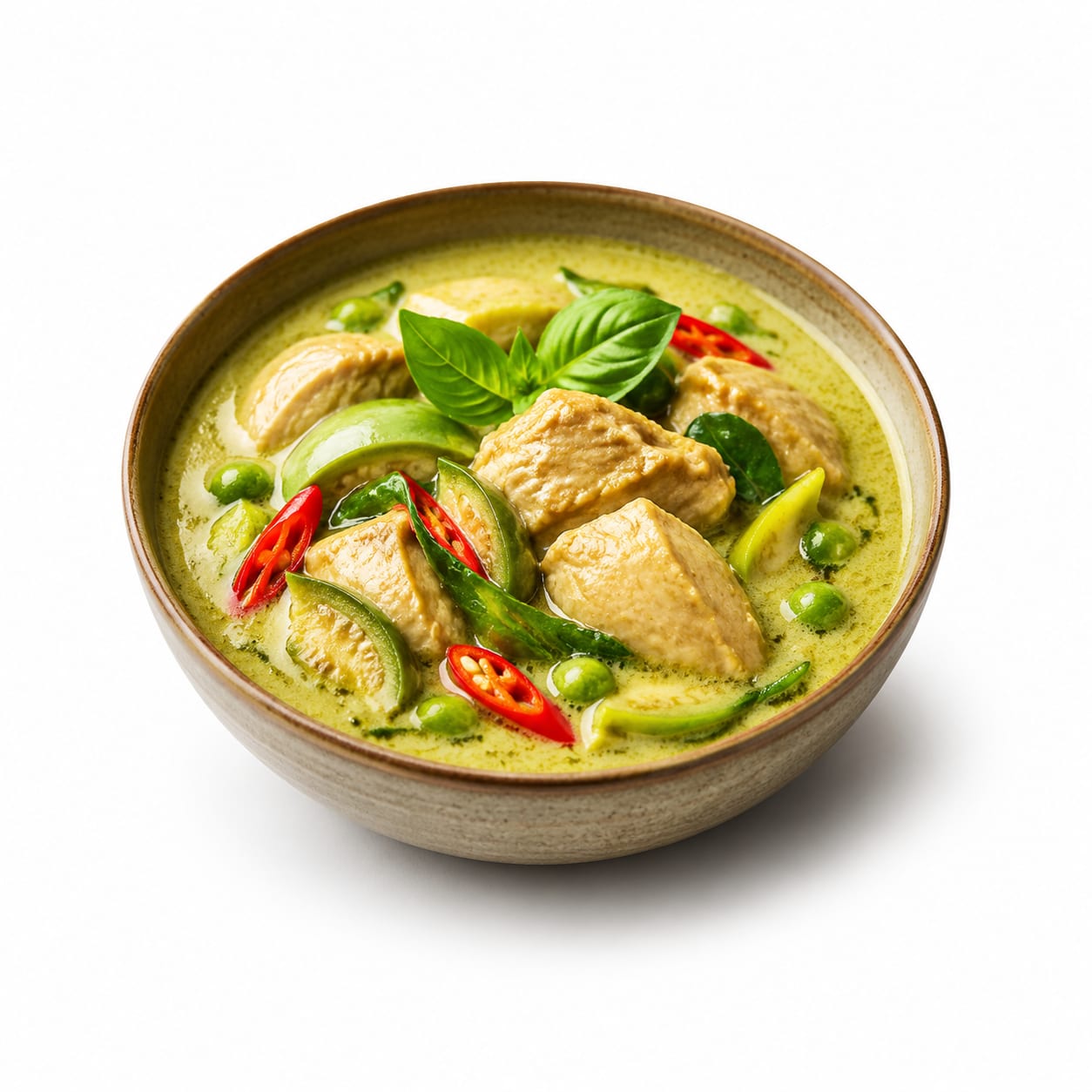
Green Curry
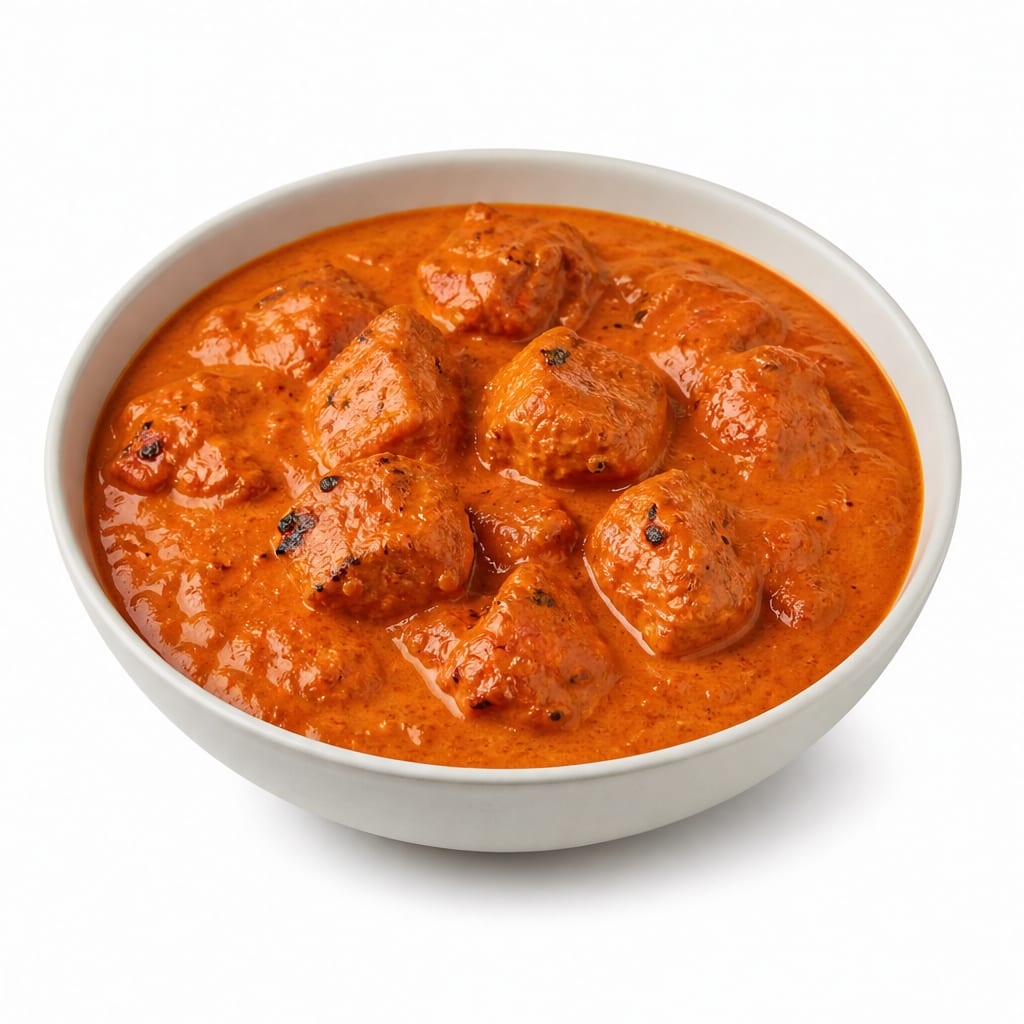
Chicken Tikka Masala
Green Curry wins for lighter eating and more vegetables; Chicken Tikka Masala wins for protein and comforting richness.
Green Curry scores higher due to more vegetables, slightly lower calorie density, and dairy-free coconut base. Chicken Tikka Masala loses ground on saturated fat and calorie load but wins on protein. Both suffer from restaurant-level sodium.
Vegetable-rich coconut sauce vs protein-dense creamy tomato sauce — lighter freshness vs heavier satisfaction.
At a glance
Executive summary
Overall
It depends
Healthier
Green Curry
More practical
It depends
Daily use
Green Curry
Key comparison lenses
calorie and fat comparison
Both dishes are creamy restaurant favorites, but their fat sources and calorie density differ significantly
vegetable nutrient density
Green Curry typically packs more vegetables, while Chicken Tikka Masala is more protein-focused with fewer plant nutrients
sodium and heart health
Both restaurant versions can be sodium bombs, but the impact differs based on sauce composition
inflammatory profile
Coconut milk vs dairy cream creates different inflammatory considerations
satiety and portion control
Heaviness and richness affect how much you eat and how satisfied you feel
Best choice for
Green Curry
- People prioritizing vegetable intake and micronutrients
- Those avoiding dairy or lactose
- Anyone wanting a lighter but still satisfying meal
- People managing calorie intake who still want bold flavor
Chicken Tikka Masala
- Athletes or anyone needing higher protein per serving
- Those seeking maximum satiety from one plate
- People who find dairy-based meals more comforting and sustainable
- Anyone trying to gain healthy weight
Least suitable for
Green Curry
- People with coconut allergies
- Those on very low-fat diets
- People sensitive to spicy heat who struggle with portion control
Chicken Tikka Masala
- People with lactose intolerance or dairy sensitivity
- Anyone strictly managing saturated fat intake
- Those watching calories closely who find creamy dishes trigger overeating
Deep comparison
Dimension by dimension
Each lens scores both foods and breaks down who each option suits.
- Dimension 1 · Priority 92Green Curry
Calorie Density
Green Curry · 65Chicken Tikka Masala · 45Green Curry is typically less calorie-dense per serving than Chicken Tikka Masala.
Tradeoff
You save calories with Green Curry but may feel less stuffed and satisfied afterward.
Why it matters
Restaurant Chicken Tikka Masala can easily hit 800-1000 calories per plate due to heavy cream and butter. Green Curry with coconut milk usually lands between 500-750 calories.
Real-world impact
If you eat Indian takeout twice a week, swapping to Green Curry could save you 300-500 calories per meal without feeling deprived.
Green Curry
- Weight management
- Lighter lunch that won't cause afternoon sluggishness
Better for
- Hard training days when you need more energy
Worse for
Chicken Tikka Masala
- Recovery after intense training when you need the calories
- Days when one meal needs to carry you for hours
Better for
- Sedentary days when excess calories store as fat
Worse for
- Dimension 2 · Priority 88Green Curry
Vegetable and Micronutrient Content
Green Curry · 82Chicken Tikka Masala · 38Green Curry delivers significantly more vegetables and plant-based micronutrients.
Tradeoff
More nutrients but slightly less protein per bite compared to the chicken-heavy Tikka Masala.
Why it matters
Thai green curry typically includes Thai eggplant, bamboo shoots, bell peppers, basil, and green beans. Chicken Tikka Masala is mostly sauce and chicken with minimal vegetables.
Real-world impact
A single serving of Green Curry can cover 2-3 vegetable servings. Chicken Tikka Masala barely covers one.
Green Curry
- Meeting daily vegetable targets
- Getting diverse antioxidants and minerals
- Gut microbiome support from plant fiber
Better for
- Pickier eaters who dislike mixed vegetables in sauce
Worse for
Chicken Tikka Masala
- Situations where vegetables aren't the priority
Better for
- Anyone falling short on daily vegetable intake
- Long-term nutrient deficiency risk if eaten frequently
Worse for
- Dimension 3 · Priority 85Chicken Tikka Masala
Protein Quality and Quantity
Green Curry · 58Chicken Tikka Masala · 78Chicken Tikka Masala delivers more protein per serving due to higher chicken-to-sauce ratio.
Tradeoff
More protein comes with more saturated fat from the cream sauce.
Why it matters
Tikka Masala often packs 35-45g protein per restaurant serving. Green Curry typically delivers 25-35g, with more sauce and vegetables diluting the protein density.
Real-world impact
After Chicken Tikka Masala, you stay full for 4-5 hours. After Green Curry, you might be hungry again in 3 hours.
Green Curry
- Moderate protein needs with lighter overall meal
Better for
- Athletes needing high protein per meal
Worse for
Chicken Tikka Masala
- Post-workout recovery meals
- Muscle gain phases
- Anyone struggling to hit protein targets
Better for
- Those already exceeding protein needs
Worse for
- Dimension 4 · Priority 84Green Curry
Saturated Fat and Heart Health
Green Curry · 58Chicken Tikka Masala · 40Both are high in saturated fat, but Chicken Tikka Masala's dairy cream is more concerning than coconut milk.
Tradeoff
Neither is a heart-health hero, but coconut fat has a slightly better lipid profile than butter and cream.
Why it matters
Coconut milk raises both HDL and LDL, while dairy cream primarily raises LDL. The net effect favors coconut milk modestly, though both should be eaten in moderation.
Real-world impact
If you eat creamy curries weekly, choosing coconut-based over cream-based sauces may meaningfully improve your cholesterol over a year.
Green Curry
- People monitoring LDL cholesterol
- Those with family history of heart disease
Better for
- Anyone on a strict low-saturated-fat diet
Worse for
Chicken Tikka Masala
- Situations where heart health is less of a concern than protein intake
Better for
- People with elevated LDL or metabolic syndrome
- Frequent eaters who would accumulate high saturated fat intake
Worse for
- Dimension 5 · Priority 82It depends
Sodium Load
Green Curry · 38Chicken Tikka Masala · 35Both are sodium-heavy restaurant dishes, and neither wins here.
Tradeoff
You lose either way — both can deliver 1500-2500mg sodium per restaurant serving.
Why it matters
A single plate of either can hit your entire daily sodium limit. Home-cooked versions are dramatically better.
Real-world impact
After either meal, you might notice bloating, thirst, and morning water retention. This is the sodium, not the spice.
Green Curry
- Slightly less sodium in home-cooked versions with fish sauce adjustments
Better for
- Blood pressure management
- Anyone sodium-sensitive
Worse for
Chicken Tikka Masala
- Marginally less salty in some restaurant preparations
Better for
- Same concerns — both are problematic for daily consumption
Worse for
- Dimension 6 · Priority 76Green Curry
Anti-Inflammatory Potential
Green Curry · 72Chicken Tikka Masala · 60Both feature anti-inflammatory spices, but Green Curry's vegetable content and turmeric-free lemongrass-galangal base edges ahead.
Tradeoff
Chicken Tikka Masala contains turmeric, which is powerfully anti-inflammatory, but the dairy cream partially counteracts this benefit.
Why it matters
Galangal, lemongrass, and Thai basil in Green Curry fight inflammation without the pro-inflammatory saturated dairy fat. Tikka Masala's turmeric is great, but it's swimming in cream.
Real-world impact
Regular Green Curry eaters may notice less joint stiffness and bloating compared to regular Tikka Masala eaters, all else being equal.
Green Curry
- People with inflammatory conditions like arthritis
- Those prone to bloating after rich meals
Better for
- Not a significant concern
Worse for
Chicken Tikka Masala
- Situations where turmeric's curcumin is specifically desired
Better for
- Chronic inflammation worsened by high saturated fat intake
Worse for
- Dimension 7 · Priority 74Green Curry
Digestive Tolerance
Green Curry · 68Chicken Tikka Masala · 50Green Curry is generally easier on digestion, especially for dairy-sensitive people.
Tradeoff
Spice heat in Green Curry can trigger reflux in some, but dairy in Tikka Masala causes more widespread digestive issues.
Why it matters
Lactose intolerance affects roughly 65% of the global population. Coconut milk avoids this entirely. Heavy cream also slows gastric emptying, causing that heavy, sluggish feeling.
Real-world impact
After Green Curry, you feel satisfied but light. After Chicken Tikka Masala, you may feel stuffed and sluggish for hours.
Green Curry
- People with lactose intolerance
- Those who get bloated after creamy meals
- Anyone prone to acid reflux from heavy foods
Better for
- Those sensitive to chili heat triggering reflux
Worse for
Chicken Tikka Masala
- People who tolerate dairy well and find it comforting
Better for
- Lactose-intolerant individuals
- People with IBS triggered by dairy
- Anyone who dislikes the heavy post-meal feeling
Worse for
Timeline
Health impact over time
Short-term
Hours to days
Green Curry
- Lighter post-meal energy with less food coma
- Possible mild sweating from chili heat, which can feel cleansing
- Less bloating than cream-based alternatives
- Thirst from sodium — drink extra water
Chicken Tikka Masala
- Heavier fullness that can last 4-5 hours
- Possible sluggishness or food coma from high fat and calorie load
- Bloating if lactose intolerant or dairy-sensitive
- Strong thirst from sodium and spice
Long-term
Months to years
Green Curry
- Better vegetable intake supports gut microbiome diversity
- Coconut fat may improve HDL cholesterol with regular consumption
- Sodium remains a concern if eaten frequently at restaurants
- Anti-inflammatory herbs may reduce chronic inflammation markers
Chicken Tikka Masala
- Higher saturated fat from cream may raise LDL over time with frequent consumption
- Good protein intake supports muscle maintenance
- Turmeric provides meaningful anti-inflammatory benefits if eaten regularly
- Sodium load increases hypertension risk with frequent restaurant versions
Risk profile
Safety & processing
Both are cooked dishes with processed elements, but Chicken Tikka Masala often involves more processed dairy (cream, butter) and sometimes food coloring in restaurant settings. Green Curry relies more on whole spices, fresh herbs, and natural coconut milk. Home-cooked versions of both are significantly less processed than restaurant takeout.
Green Curry
Coconut milk spoilage
mediumCoconut milk can spoil quickly at room temperature. Left out too long, it becomes a breeding ground for bacteria.
Seafood cross-contamination in restaurants
mediumThai restaurants often prepare Green Curry with shrimp or fish sauce alongside chicken versions, posing allergy and contamination risks.
Pesticide residue on fresh herbs and vegetables
lowThai basil, peppers, and eggplant can carry pesticide residues, though cooking reduces this somewhat.
Chicken Tikka Masala
Dairy contamination and spoilage
mediumCream and yogurt-based sauces are high-risk for bacterial growth if not kept at proper temperatures.
Food coloring additives
mediumSome restaurants use artificial orange food coloring to achieve the signature Tikka Masala hue, which may cause reactions in sensitive individuals.
Antibiotic residues in conventional chicken
lowConventional chicken used in mass-production restaurant settings may carry antibiotic residues, though cooking reduces this.
Who wins for whom
Audience fit
Same foods, different winners depending on your goal.
children
Chicken Tikka MasalaMilder flavor profile and creamier texture appeal more to kids. Dairy provides calcium. Just watch the sodium and serve smaller portions.
daily consumption
Green CurryLighter calorie load, more vegetables, and dairy-free composition make it more sustainable as a regular meal. Both should be limited due to sodium.
diabetes
Green CurryFewer calories, more fiber from vegetables, and no dairy sugar. Both are moderate glycemic load, but Green Curry's vegetable content helps stabilize blood sugar better.
elderly
Green CurryEasier to digest, more vegetables for fiber and micronutrients, and coconut milk avoids lactose intolerance common in older adults.
muscle gain
Chicken Tikka MasalaHigher protein per serving and more calories support muscle building and recovery, especially post-workout.
weight loss
Green CurryLower calorie density and more vegetables make portion control easier. You can eat a satisfying volume without overshooting calories.
Your move
Decision guide
Choose Green Curry
- You want a flavorful meal that won't leave you in a food coma
- You're tracking calories but refuse to eat bland food
- You're lactose intolerant or avoiding dairy
- You want to sneak more vegetables into your day without trying
- You have inflammatory concerns and want a lighter fat profile
Choose Chicken Tikka Masala
- You just finished a hard workout and need serious protein and calories
- Comfort food is the priority today — you want rich, satisfying, and filling
- You're trying to gain weight or struggle to eat enough
- You tolerate dairy well and want the calcium benefit
- It's a cold day and you crave something hearty and warming
Either works if
- You're eating out and both options are restaurant-quality — just pick what sounds better
- You're cooking at home and can control the sodium and fat in either dish
- You want anti-inflammatory spices — both deliver, just through different ingredients
Avoid both if
- You're on a strict low-sodium diet — restaurant versions of both are sodium landmines
- You have severe spice intolerance — both can be very hot depending on preparation
- You're eating late at night — the heavy fat and spice content in both disrupts sleep
Final recommendation
For regular rotation, Green Curry is the smarter default — more vegetables, fewer calories, no dairy, and easier digestion. Save Chicken Tikka Masala for when you specifically need the protein, the comfort, or the calories. When cooking either at home, cut the sodium by half and use light coconut milk or less cream to make both dramatically healthier.
Practical
Consumer tips
- 1
Ask for light coconut milk in Green Curry to cut 150-200 calories per serving without losing much flavor
- 2
Request Chicken Tikka Masala with half the cream — most restaurants will accommodate this
- 3
Always pair either curry with a large side of steamed vegetables to dilute the sodium and add fiber
- 4
Drink extra water after either meal to help flush sodium and reduce next-day bloating
- 5
Home-cooked versions of both dishes typically contain 40-60% less sodium than restaurant versions
- 6
Freeze leftover curry in portions — both reheat well and this prevents overeating in one sitting
- 7
If ordering takeout, get extra vegetables added to either dish — most places will do this for a small charge
- 8
Choose brown rice over white rice as a base — the fiber slows down the calorie absorption from the rich sauces