
Nutrition comparison
Green Curry vs Panang Curry: Which Thai Curry Is Healthier?
Compare Green Curry and Panang Curry on calories, fat, protein, allergens, and health impact. Find out which Thai curry fits your diet and lifestyle better.
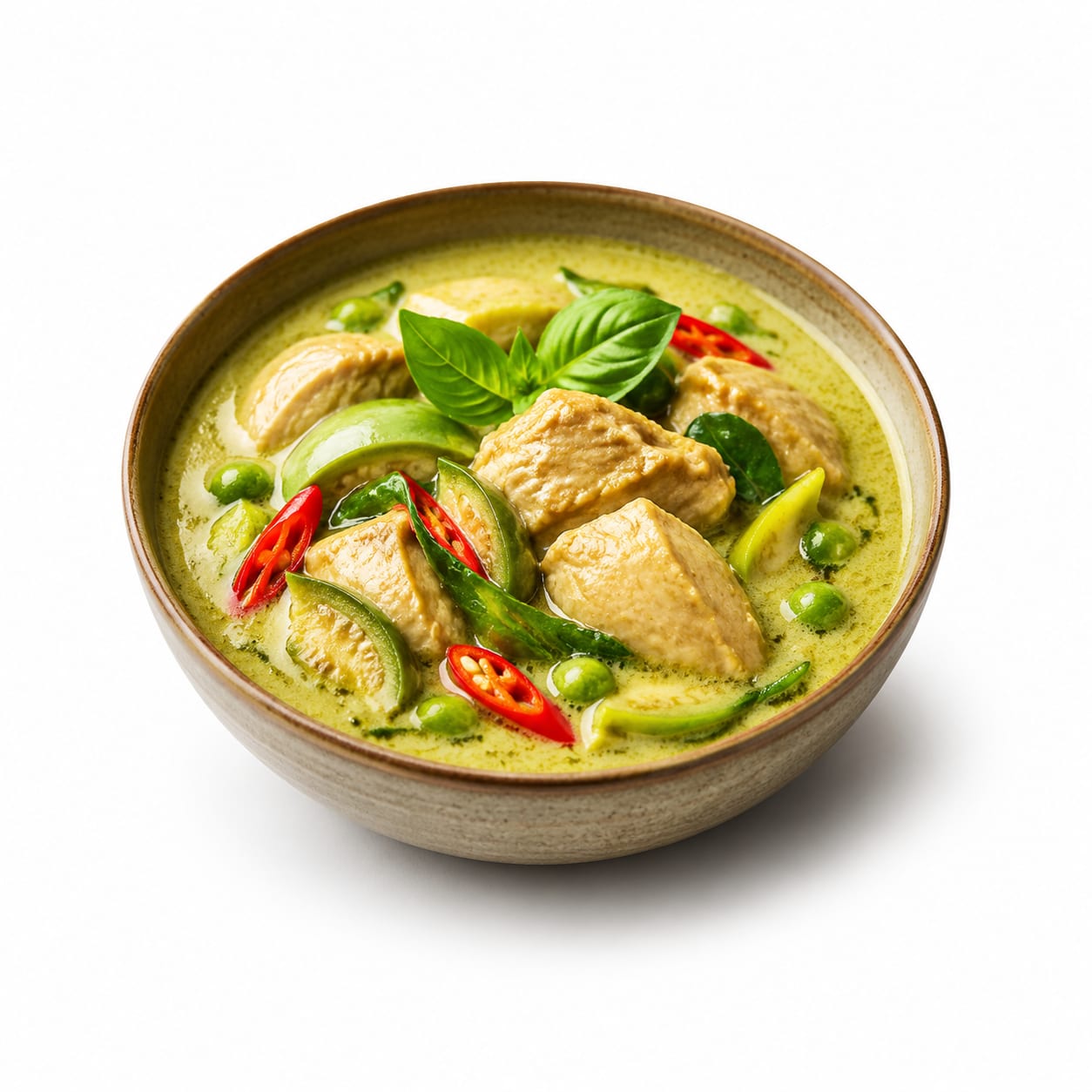
Green Curry
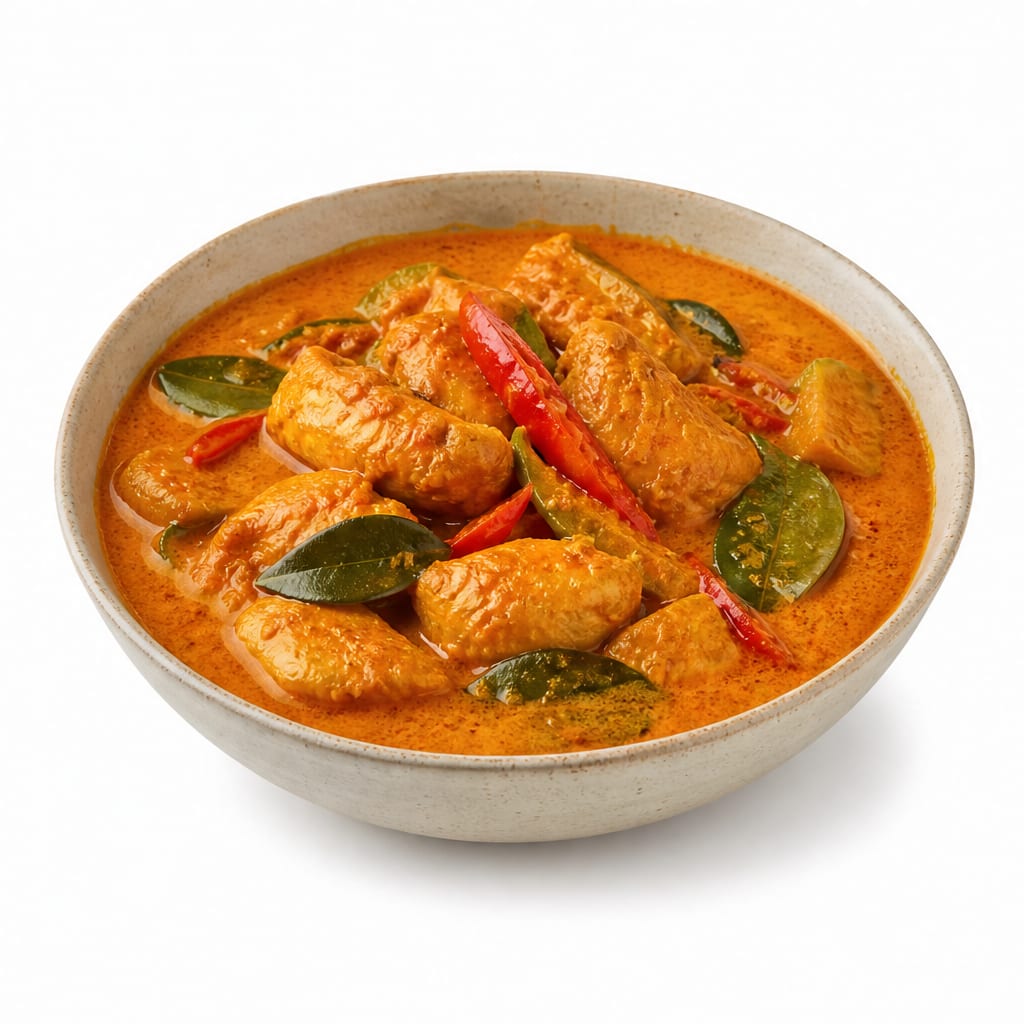
Panang Curry
Green Curry wins for lighter eating and more vegetables, while Panang Curry delivers richer satisfaction with higher calorie density and peanut allergen risk.
Green Curry scores higher due to lower calorie density, more vegetable content, and no peanut allergen risk. Panang remains a satisfying choice but its concentrated fat and common peanut content create meaningful downsides for regular consumption.
Brothy freshness and lower calorie density versus concentrated richness and more protein but heavier fat load.
At a glance
Executive summary
Overall
It depends
Healthier
Green Curry
More practical
It depends
Daily use
Green Curry
Key comparison lenses
calorie density and weight management
Panang's thicker, richer sauce packs more calories per bite than the soupier Green Curry, making portion control a key concern
fat content and heart health
Both rely on coconut milk but Panang uses less liquid and more concentrated fat, while Green Curry's broth dilutes the fat per serving
allergen safety peanut concern
Panang typically contains ground peanuts, creating a serious allergen issue that Green Curry avoids entirely
vegetable nutrient density
Green Curry usually packs more vegetables like Thai eggplant and bamboo shoots, while Panang is meat-heavy with fewer plants
spice tolerance and digestive comfort
Green Curry tends to be spicier which affects digestion and tolerance, while Panang's milder sweetness is gentler on the stomach
satiety and meal satisfaction
Panang's richness and thickness feel more filling per bite, while Green Curry's broth volume can create fullness differently
Best choice for
Green Curry
- People managing calorie intake who want flavorful meals without heavy density
- Vegetable-forward eaters wanting more plant nutrients per bowl
- Anyone with peanut allergies who needs to avoid hidden allergens
- Those who prefer lighter, soup-like meals that hydrate while eating
Panang Curry
- Active individuals needing calorie-dense meals to fuel their day
- People seeking a richer, more indulgent curry experience without ordering two dishes
- Those wanting higher protein concentration per serving
- Anyone who finds spicy food uncomfortable and prefers milder warmth
Least suitable for
Green Curry
- People with sensitive stomachs who struggle with spicy food
- Anyone seeking a calorie-dense meal after intense training
- Those who find brothy meals unsatisfying and end up snacking later
Panang Curry
- Anyone with peanut or tree nut allergies
- People strictly monitoring saturated fat intake for heart health
- Those trying to reduce calorie density while keeping meal satisfaction high
Deep comparison
Dimension by dimension
Each lens scores both foods and breaks down who each option suits.
- Dimension 1 · Priority 92Green Curry
calorie_density
Green Curry · 75Panang Curry · 45Green Curry's brothy consistency spreads calories across more volume, while Panang's thick sauce concentrates them.
Tradeoff
You get more bites per calorie with Green Curry, but Panang feels more indulgent and satisfying per mouthful.
Why it matters
Calorie density drives how much you eat before feeling full. Lower density foods naturally limit overconsumption without willpower.
Real-world impact
A typical restaurant portion of Panang can easily hit 600-800 calories before rice, while Green Curry lands closer to 400-550 for the same visual portion size.
Green Curry
- Weight management without feeling deprived of flavor
- Larger portion satisfaction without calorie overshooting
Better for
- Situations where you need maximum calories in minimal volume
Worse for
Panang Curry
- Post-workout meals where calorie surplus supports recovery
- Bulking phases where concentrated energy helps hit targets
Better for
- Anyone who tends to eat until the bowl is empty regardless of hunger
Worse for
- Dimension 2 · Priority 88Green Curry
saturated_fat_load
Green Curry · 55Panang Curry · 35Both curries rely on coconut milk, but Panang's reduced-liquid preparation means more saturated fat per serving.
Tradeoff
The richness that makes Panang feel luxurious also delivers a heavier saturated fat dose that adds up with regular consumption.
Why it matters
Frequent high saturated fat intake from coconut milk can raise LDL cholesterol over time, especially relevant for those with heart health concerns.
Real-world impact
Eating Panang twice weekly versus Green Curry twice weekly could mean an extra 10-15g of saturated fat per week, which matters over months.
Green Curry
- Heart-conscious eaters monitoring cholesterol
- Those eating Thai food multiple times per week
Better for
- Those who find low-fat meals unsatisfying and compensate with snacking
Worse for
Panang Curry
- Occasional indulgence where fat load matters less
- Keto or low-carb eaters who embrace dietary fat
Better for
- People with family history of heart disease eating curry regularly
Worse for
- Dimension 3 · Priority 85Green Curry
allergen_safety
Green Curry · 90Panang Curry · 30Panang Curry almost always contains ground peanuts, while Green Curry is typically peanut-free.
Tradeoff
Panang's peanut content adds protein and richness but creates a serious allergen minefield that Green Curry avoids entirely.
Why it matters
Peanut allergies can be life-threatening, and cross-contamination in Thai kitchens is common even if peanuts are not listed as a primary ingredient.
Real-world impact
Someone with a peanut allergy can usually order Green Curry safely, while Panang requires careful questioning and may still carry hidden risk.
Green Curry
- Anyone with peanut or tree nut allergies
- Shared dining situations where allergen safety matters for the whole table
Better for
- No meaningful downside here
Worse for
Panang Curry
- No advantage for allergen safety
Better for
- Peanut allergy sufferers must avoid entirely
- School lunches or potlucks where allergen disclosure is unreliable
Worse for
- Dimension 4 · Priority 80Green Curry
vegetable_and_nutrient_density
Green Curry · 72Panang Curry · 40Green Curry typically includes more vegetables like Thai eggplant, bamboo shoots, and basil, while Panang is meat-focused with minimal produce.
Tradeoff
More vegetables means more fiber, vitamins, and antioxidants, but also a lighter meal that may not satisfy protein needs as well.
Why it matters
Fiber and phytonutrients from vegetables support digestion, immune function, and long-term disease prevention in ways that meat alone cannot replicate.
Real-world impact
A bowl of Green Curry might deliver 2-3 servings of vegetables, while Panang often provides less than one serving alongside its protein.
Green Curry
- Meeting daily vegetable intake without eating salads
- Getting more fiber for digestive regularity
Better for
- Meals where protein priority matters more than plant nutrients
Worse for
Panang Curry
- Higher protein-per-bite when vegetable bulk feels like filler
Better for
- Anyone struggling to hit daily vegetable targets
Worse for
- Dimension 5 · Priority 75Panang Curry
spice_tolerance_and_digestive_comfort
Green Curry · 40Panang Curry · 70Green Curry tends to be noticeably spicier, while Panang's sweetness and peanut richness mellow the heat significantly.
Tradeoff
Spicier food can irritate sensitive stomachs and trigger reflux, but capsaicin also offers metabolic benefits that mild food lacks.
Why it matters
Digestive comfort affects meal enjoyment and subsequent hours. Heartburn or stomach upset after lunch ruins an afternoon.
Real-world impact
Someone with acid reflux or IBS may find Green Curry triggers symptoms, while Panang sits more comfortably despite similar ingredients.
Green Curry
- Those who enjoy heat and want capsaicin's mild metabolic boost
- People with iron stomachs who find mild food boring
Better for
- Acid reflux sufferers eating late at night
- IBS patients triggered by capsaicin
Worse for
Panang Curry
- Sensitive stomachs that react to spicy food
- Evening meals where heartburn would disrupt sleep
Better for
- Spice lovers who find mild curry disappointing
Worse for
- Dimension 6 · Priority 68Panang Curry
protein_concentration
Green Curry · 50Panang Curry · 72Panang's thicker sauce and typical preparation with more meat per bite delivers higher protein density than the brothier Green Curry.
Tradeoff
More protein per serving supports satiety and muscle maintenance, but comes wrapped in more saturated fat and calories.
Why it matters
Protein concentration matters for feeling full and supporting lean mass, especially when eating one main dish as a meal.
Real-world impact
A Panang Curry serving might deliver 30-40g of protein versus 20-30g in Green Curry, a meaningful gap for active people.
Green Curry
- Lighter meals where protein is coming from other sources
Better for
- Athletes relying on one dish for protein intake
Worse for
Panang Curry
- Single-dish meals where the curry needs to carry protein needs alone
- Post-workout eating where protein density supports recovery
Better for
- Those who get adequate protein elsewhere and want lighter meals
Worse for
Timeline
Health impact over time
Short-term
Hours to days
Green Curry
- Spiciness may cause mild stomach warmth or heartburn in sensitive individuals
- Brothy volume promotes hydration and can create comfortable fullness without heaviness
- Higher vegetable content supports immediate digestive regularity
Panang Curry
- Richer fat content creates longer-lasting satiety but may feel heavy or sluggish afterward
- Peanut protein provides steady energy without rapid blood sugar spikes
- Milder heat reduces risk of immediate digestive discomfort
Long-term
Months to years
Green Curry
- Regular consumption supports vegetable intake patterns linked to lower chronic disease risk
- Lower saturated fat load reduces cumulative cardiovascular strain compared to richer curries
- Consistent spice exposure may offer modest metabolic benefits from capsaicin
Panang Curry
- Frequent high saturated fat intake from concentrated coconut milk may raise LDL cholesterol over time
- Peanut consumption provides heart-healthy monounsaturated fats that partially offset coconut fat concerns
- Higher calorie density risks gradual weight gain if portions are not consciously managed
Risk profile
Safety & processing
Both curries use curry paste as a base, which is a processed ingredient often containing preservatives, added salt, and sometimes MSG. Restaurant versions of both can be highly processed, while homemade versions with fresh paste are significantly cleaner. The processing level depends more on preparation source than curry type.
Green Curry
Sodium overload from curry paste and fish sauce
mediumA single restaurant serving can contain 1000-2000mg of sodium, which is problematic for blood pressure management with regular consumption.
Coconut milk spoilage if improperly stored
lowCanned coconut milk is shelf-stable, but fresh coconut milk at restaurants requires proper refrigeration to prevent bacterial growth.
Panang Curry
Peanut allergen exposure
highPanang Curry almost always contains ground peanuts. For those with peanut allergies, even trace amounts can trigger severe reactions, and cross-contamination in Thai kitchens is common.
Sodium overload from curry paste and fish sauce
mediumSimilar to Green Curry, Panang delivers high sodium levels that become concerning with frequent consumption.
Aflatoxin exposure from peanuts
lowPeanuts can carry aflatoxin, a naturally occurring mold toxin. Quality-sourced peanuts minimize this risk, but it remains a consideration with regular consumption.
Who wins for whom
Audience fit
Same foods, different winners depending on your goal.
children
Panang CurryPanang's milder heat and sweeter profile suit young palates better, though peanut allergy risk must be confirmed first.
daily consumption
Green CurryLighter calorie density, more vegetables, and no peanut allergen make Green Curry the more sustainable everyday choice.
diabetes
Green CurryMore vegetables and lower calorie density help with blood sugar management, though both curries require watching the rice portion that accompanies them.
elderly
Green CurryLower saturated fat load and higher vegetable content support cardiovascular health, which becomes increasingly important with age.
muscle gain
Panang CurryHigher protein concentration and calorie density support muscle building, especially when you need substantial nutrition in a single dish.
weight loss
Green CurryLower calorie density and higher vegetable content make Green Curry easier to fit into a calorie deficit while still feeling like a satisfying meal.
Your move
Decision guide
Choose Green Curry
- You want a flavorful meal that does not leave you feeling heavy afterward
- You are watching calorie intake but refuse to eat bland food
- Anyone at the table has a peanut allergy
- You are trying to eat more vegetables without eating salads
- You plan to eat Thai food multiple times per week
Choose Panang Curry
- You want maximum satisfaction and richness from a single dish
- You are eating after a workout and need concentrated protein and calories
- Spicy food bothers your stomach but you still want bold curry flavor
- You are eating keto or low-carb and want higher fat content
- This is an occasional treat rather than a regular meal
Either works if
- You are eating at a quality Thai restaurant where both are made fresh
- Neither curry is a daily staple in your diet
- You pair either with a large portion of vegetables and moderate rice
Avoid both if
- You have severe sodium restrictions due to kidney disease or hypertension
- You are strictly avoiding coconut products for saturated fat reasons
- You have multiple food allergies that make Thai restaurant kitchens risky
Final recommendation
Make Green Curry your default for regular Thai takeout and save Panang for when you specifically want that rich, indulgent experience. This gives you the best of both worlds: lighter everyday eating with occasional satisfying richness, while avoiding the peanut allergen trap and cumulative saturated fat load of frequent Panang consumption.
Practical
Consumer tips
- 1
Ask for extra vegetables in either curry to boost nutrient density without significantly changing the flavor profile
- 2
Request 'less coconut milk' at restaurants to cut saturated fat by roughly 30% while keeping the dish recognizable
- 3
Order brown rice instead of jasmine rice to add fiber and slow down blood sugar impact from the meal
- 4
If you have peanut allergies, confirm with the restaurant that Green Curry is prepared separately from Panang to avoid cross-contamination
- 5
Make either curry at home using light coconut milk to reduce fat content by 60-70% while maintaining most of the flavor
- 6
Watch your rice portion carefully since both curries are typically served with more rice than needed, and the rice adds more calories than the curry itself