
Nutrition comparison
Green Curry vs Japanese Katsu Curry: Which Is Healthier?
Compare Green Curry and Japanese Katsu Curry on calories, processing, inflammation, protein, and sodium. Find out which curry fits your health goals and when to choose each.
Overall winner · Green Curry
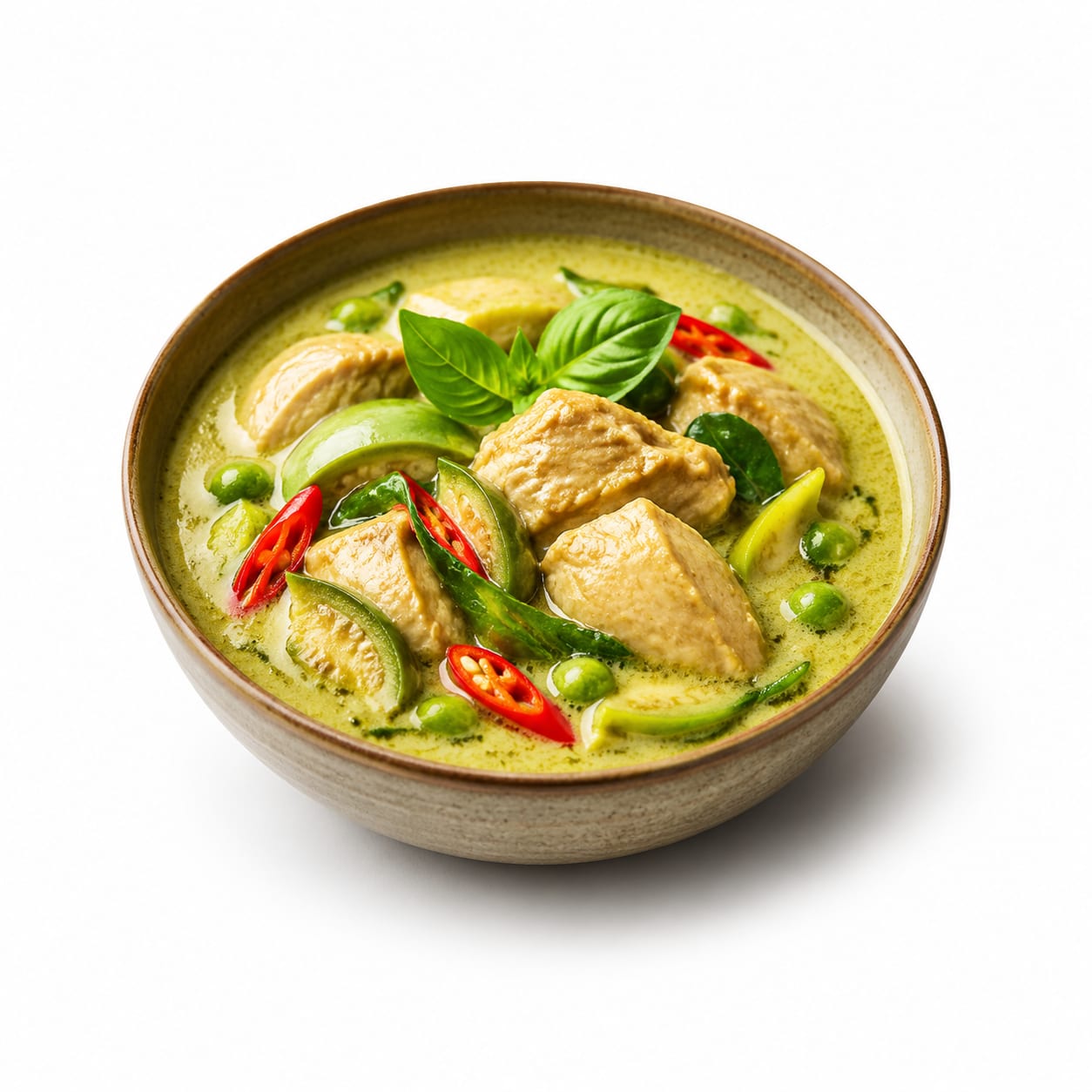
Green Curry
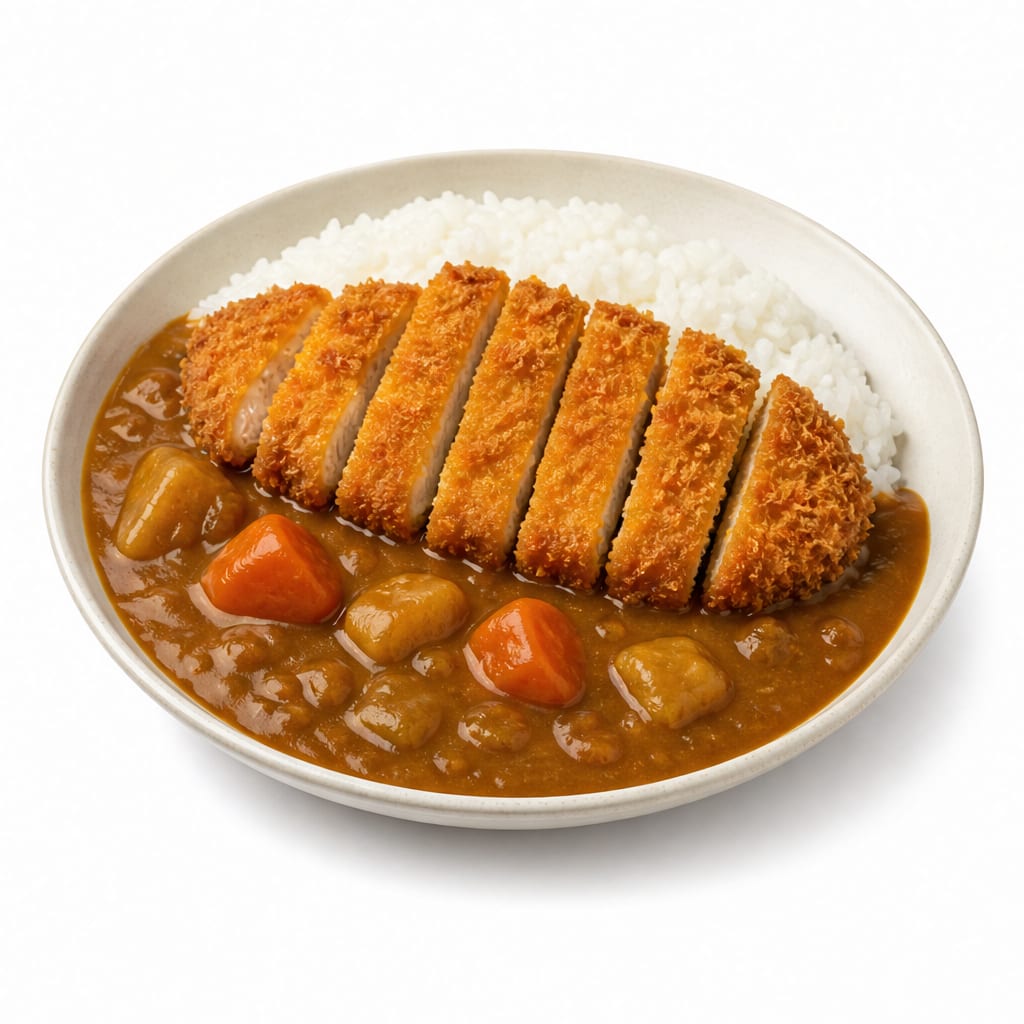
Japanese Katsu Curry
Green Curry wins on health metrics thanks to its herb-driven anti-inflammatory profile and lighter preparation, but Japanese Katsu Curry delivers unmatched comfort and protein when you need a hearty meal.
Green Curry scores notably higher due to its anti-inflammatory spice profile, lower processing, and vegetable content. Japanese Katsu Curry loses significant ground from deep-frying, processed roux, and higher calorie density. The gap is large but not absolute — Japanese Katsu Curry still delivers meaningful protein and comfort value.
You trade deep-fried satisfaction and higher protein in Japanese Katsu Curry for better inflammation markers, fewer additives, and lower calorie density in Green Curry.
At a glance
Executive summary
Overall
Green Curry
Healthier
Green Curry
More practical
It depends
Daily use
Green Curry
Key comparison lenses
Calorie density and weight management
Katsu Curry is deep-fried and significantly more calorie-dense, making this the most impactful difference for most diners
Processing level and additive exposure
Japanese curry roux blocks are highly processed with emulsifiers and thickeners, while Green Curry paste is closer to whole-food
Anti-inflammatory vs inflammatory potential
Green Curry herbs fight inflammation while Katsu's deep-frying and breading promote it
Satiety and meal satisfaction
Both are heavy comfort foods but satisfy differently — one through richness, one through volume and spice
Heart health impact
Saturated fat from coconut milk vs trans-fat risk from deep-frying creates a meaningful cardiovascular tradeoff
Best choice for
Green Curry
- People managing inflammation or joint issues
- Weight-conscious eaters who still want flavorful meals
- Those avoiding deep-fried foods
- Anyone seeking vegetable-forward meals
- People monitoring sodium from processed sources
Japanese Katsu Curry
- Athletes needing high protein after training
- Anyone craving deep comfort food on a tough day
- People who find lean meals unsatisfying
- Those needing calorie surplus for muscle gain
- Families wanting a crowd-pleasing meal
Least suitable for
Green Curry
- People with coconut allergies
- Those sensitive to spicy food
- Anyone on a strict low-fat diet
- People who dislike Southeast Asian flavors
Japanese Katsu Curry
- People with heart disease or high cholesterol
- Anyone actively losing weight
- Those avoiding fried foods
- People sensitive to food additives or MSG
- Anyone monitoring sodium strictly
Deep comparison
Dimension by dimension
Each lens scores both foods and breaks down who each option suits.
- Dimension 1 · Priority 92Green Curry
Calorie Density and Weight Management
Green Curry · 70Japanese Katsu Curry · 30Green Curry is significantly less calorie-dense. A typical serving runs 400-550 calories versus 700-950 for Japanese Katsu Curry.
Tradeoff
Green Curry lets you eat a satisfying volume for fewer calories, but Japanese Katsu Curry packs more protein per bite if you need it.
Why it matters
If you eat curry weekly, this calorie difference compounds into 5-10 pounds over a year without portion adjustment.
Real-world impact
A Green Curry dinner leaves room for a light dessert. A Japanese Katsu Curry dinner often feels like your entire calorie budget for the evening.
Green Curry
- Weight loss phases
- Maintaining without counting calories
- Eating late without regret
Better for
- Situations requiring calorie surplus
- Very active people needing dense fuel
Worse for
Japanese Katsu Curry
- Bulking cycles
- Post-workout calorie replenishment
- High-energy demand days
Better for
- Sedentary days
- Anyone tracking calorie intake
- Evening meals before sleep
Worse for
- Dimension 2 · Priority 85Green Curry
Processing and Additive Exposure
Green Curry · 75Japanese Katsu Curry · 35Green Curry paste is closer to whole food. Japanese curry roux blocks contain emulsifiers, modified starches, and often MSG.
Tradeoff
Green Curry trades some convenience for cleaner ingredients. Japanese Katsu Curry's roux makes it foolproof to cook but introduces ultra-processed elements.
Why it matters
Regular consumption of emulsifiers and modified starches may disrupt gut lining integrity over time.
Real-world impact
Making Green Curry from scratch takes 10 more minutes but avoids a handful of ingredients your grandmother would not recognize.
Green Curry
- Gut health optimization
- Clean-eating preferences
- Avoiding ultra-processed food
Better for
- Time-pressed weeknights
- Beginner cooks intimidated by fresh herbs
Worse for
Japanese Katsu Curry
- Quick weeknight cooking
- Consistent flavor with zero skill
- Meal prep simplicity
Better for
- Long-term daily consumption
- Anyone healing gut issues
Worse for
- Dimension 3 · Priority 80Green Curry
Anti-Inflammatory vs Inflammatory Potential
Green Curry · 82Japanese Katsu Curry · 25Green Curry's galangal, lemongrass, and turmeric actively fight inflammation. Japanese Katsu Curry's deep-frying and breading promote it.
Tradeoff
You get medicinal spice benefits from Green Curry but sacrifice the crispy texture and umami depth that makes Japanese Katsu Curry irresistible.
Why it matters
Chronic low-grade inflammation drives fatigue, joint pain, and disease risk more than most people realize.
Real-world impact
After Green Curry, you feel light and clear. After Japanese Katsu Curry, you may feel sluggish and heavy within an hour.
Green Curry
- Joint pain or arthritis
- Autoimmune conditions
- Post-injury recovery
- General longevity focus
Better for
- Acute illness requiring calorie surplus
Worse for
Japanese Katsu Curry
- Situations where comfort outweighs optimization
- Cold days needing warming heaviness
Better for
- Chronic inflammation
- Metabolic syndrome
- Fibromyalgia or chronic fatigue
Worse for
- Dimension 4 · Priority 72Japanese Katsu Curry
Protein Content and Quality
Green Curry · 50Japanese Katsu Curry · 78Japanese Katsu Curry delivers 30-40g protein from the breaded cutlet. Green Curry typically provides 15-25g depending on protein choice.
Tradeoff
More protein in Japanese Katsu Curry comes wrapped in fried breading. Less protein in Green Curry comes in a cleaner package.
Why it matters
Protein drives fullness, muscle maintenance, and metabolic health — but the delivery vehicle matters for overall health.
Real-world impact
After Japanese Katsu Curry, you stay full for 5-6 hours. After Green Curry, you may want a snack in 3-4 hours unless you add extra protein.
Green Curry
- Lighter protein needs
- Plant-forward eating patterns
Better for
- High protein targets
- Athletes needing recovery meals
Worse for
Japanese Katsu Curry
- Post-workout recovery
- Muscle gain phases
- Growing teenagers
- Older adults preventing muscle loss
Better for
- Kidney disease requiring protein restriction
Worse for
- Dimension 5 · Priority 68Green Curry
Sodium Load
Green Curry · 55Japanese Katsu Curry · 35Both are salty, but Japanese Katsu Curry's roux and tonkatsu sauce push sodium to 1500-2200mg versus 800-1400mg in Green Curry.
Tradeoff
Green Curry still has meaningful sodium from fish sauce, but Japanese Katsu Curry's processed components make it harder to control.
Why it matters
A single Japanese Katsu Curry meal can deliver your entire daily sodium budget.
Real-world impact
After Japanese Katsu Curry, you may wake up puffy and bloated the next morning. Green Curry is more forgiving if you go light on fish sauce.
Green Curry
- Blood pressure management
- Reducing water retention
- Kidney-conscious eating
Better for
- Strict sodium restriction below 1000mg
Worse for
Japanese Katsu Curry
- Post-sweat electrolyte replenishment
- Very low-sodium diets needing occasional balance
Better for
- Hypertension
- Heart failure
- Daily consumption habits
Worse for
- Dimension 6 · Priority 65Green Curry
Vegetable and Micronutrient Content
Green Curry · 80Japanese Katsu Curry · 25Green Curry typically includes Thai basil, bamboo shoots, eggplant, and bell peppers. Japanese Katsu Curry often has just a few carrot and potato chunks.
Tradeoff
Green Curry delivers real vegetable diversity. Japanese Katsu Curry is essentially meat, sauce, and rice with token vegetables.
Why it matters
Vegetable variety feeds gut bacteria diversity, which influences immunity, mood, and digestion.
Real-world impact
Green Curry covers 2-3 vegetable servings. Japanese Katsu Curry barely covers one unless you add a side salad.
Green Curry
- Meeting daily vegetable targets
- Gut microbiome support
- Fiber intake
Better for
- Nightshade sensitivity from bell peppers and eggplant
Worse for
Japanese Katsu Curry
- Pure comfort eating without thinking about greens
Better for
- Anyone falling short on vegetable intake
- Fiber-deficient diets
Worse for
Timeline
Health impact over time
Short-term
Hours to days
Green Curry
- Spice can boost metabolism slightly for 1-2 hours
- Coconut milk may cause mild bloating if you are sensitive to fats
- Lighter post-meal energy with less food coma
- Capsaicin may temporarily suppress appetite
Japanese Katsu Curry
- Deep-fried breading causes noticeable food coma and drowsiness
- High sodium leads to immediate thirst and potential bloating
- Rapid blood sugar spike from white rice and fried flour coating
- Heavy fullness that may interfere with afternoon productivity
Long-term
Months to years
Green Curry
- Anti-inflammatory spices may reduce joint pain and chronic disease risk
- Coconut milk saturated fat remains debated — moderate consumption is prudent
- Herb compounds may support immune resilience over time
- Lower processing supports better gut health with regular consumption
Japanese Katsu Curry
- Regular deep-fried food consumption raises cardiovascular disease risk
- Processed roux additives may compromise gut barrier integrity over years
- High sodium intake contributes to hypertension if eaten frequently
- Calorie surplus risk from energy density promotes gradual weight gain
Risk profile
Safety & processing
Green Curry uses processed paste but the rest is whole food — coconut milk, fresh vegetables, herbs, and protein. Japanese Katsu Curry combines ultra-processed roux (emulsifiers, modified starches, MSG) with deep-fried breaded meat, making it significantly more processed overall.
Green Curry
Coconut milk spoilage
mediumCoconut milk can spoil quickly at room temperature. Left out beyond 2 hours, bacterial growth becomes a real concern.
Shrimp contamination in some versions
mediumIf Green Curry contains shrimp, sulfite preservatives and farming antibiotic residues are worth considering.
Japanese Katsu Curry
Acrylamide from deep-frying
mediumThe breaded cutlet's flour coating produces acrylamide when deep-fried, a probable carcinogen that accumulates with frequent consumption.
Oxidized cooking oils
mediumRepeated frying oil develops inflammatory compounds. Restaurant Japanese Katsu Curry often uses oil past its prime.
Roux additive accumulation
lowCurry roux blocks contain emulsifiers and stabilizers that may affect gut health when consumed regularly over months.
Who wins for whom
Audience fit
Same foods, different winners depending on your goal.
children
Japanese Katsu CurryMilder flavor and crispy texture appeal to kids. Green Curry's spice level is often rejected by young palates.
daily consumption
Green CurryLower processing, fewer additives, and better inflammatory profile make Green Curry safer as a regular meal.
diabetes
Green CurryLess refined flour and lower glycemic impact from the sauce. Japanese Katsu Curry's breading and roux spike blood sugar faster.
elderly
Green CurryAnti-inflammatory spices support joint health and the softer vegetable texture is easier to digest than fried breading.
muscle gain
Japanese Katsu CurryHigher protein content from the cutlet supports muscle repair, and the calorie surplus helps drive gains.
weight loss
Green CurryLower calorie density and appetite-suppressing spice make Green Curry easier to fit into a deficit without feeling deprived.
Your move
Decision guide
Choose Green Curry
- You want flavor without the heavy food coma afterward
- Inflammation, joint pain, or gut health is a priority
- You are watching calories but refuse to eat bland food
- You prefer vegetable-forward meals with genuine herb complexity
- You eat curry more than once a week
Choose Japanese Katsu Curry
- You just finished a hard workout and need serious protein and calories
- It is a cold rainy day and only deep-fried comfort will do
- You are bulking or have high caloric needs
- You are cooking for kids or picky eaters
- It is an occasional treat, not a habit
Either works if
- You are eating out and both options are restaurant-quality
- You mix up your curry choices weekly for variety
- You pair either with a large side of steamed vegetables
Avoid both if
- You have severe coconut or shellfish allergies
- You are on a strict low-sodium medical protocol
- You require gluten-free food and cannot confirm ingredients
Final recommendation
Make Green Curry your default weekly curry and treat Japanese Katsu Curry as a once-or-twice-monthly indulgence. You get the anti-inflammatory benefits daily without sacrificing the deep comfort when you truly crave it. If you love Japanese Katsu Curry, try oven-baking the cutlet instead of deep-frying — you keep 80% of the satisfaction while removing the biggest health downside.
Practical
Consumer tips
- 1
Ask for Green Curry with extra vegetables and less coconut milk to cut calories while boosting nutrients
- 2
If making Japanese Katsu Curry at home, bake the cutlet at 220°C instead of deep-frying for a dramatically healthier result
- 3
Use half the curry roux block and thicken with pureed vegetables to reduce additives in Japanese Katsu Curry
- 4
Choose brown rice with either curry to blunt blood sugar spikes — it makes a bigger difference than most people expect
- 5
Restaurant Green Curry often uses more coconut milk than necessary — ask for 'light coconut' if available
- 6
For Japanese Katsu Curry, tonkatsu (pork) is traditional but chicken katsu cuts saturated fat meaningfully
- 7
Make a large batch of Green Curry paste and freeze portions — it takes the convenience excuse off the table