
Nutrition comparison
Green Curry vs Butter Chicken: Nutrition, Calories, and Health Comparison
Comparing Green Curry and Butter Chicken? Discover which curry is better for weight loss, protein, and heart health, and learn how to make healthier choices.
Overall winner · Green Curry
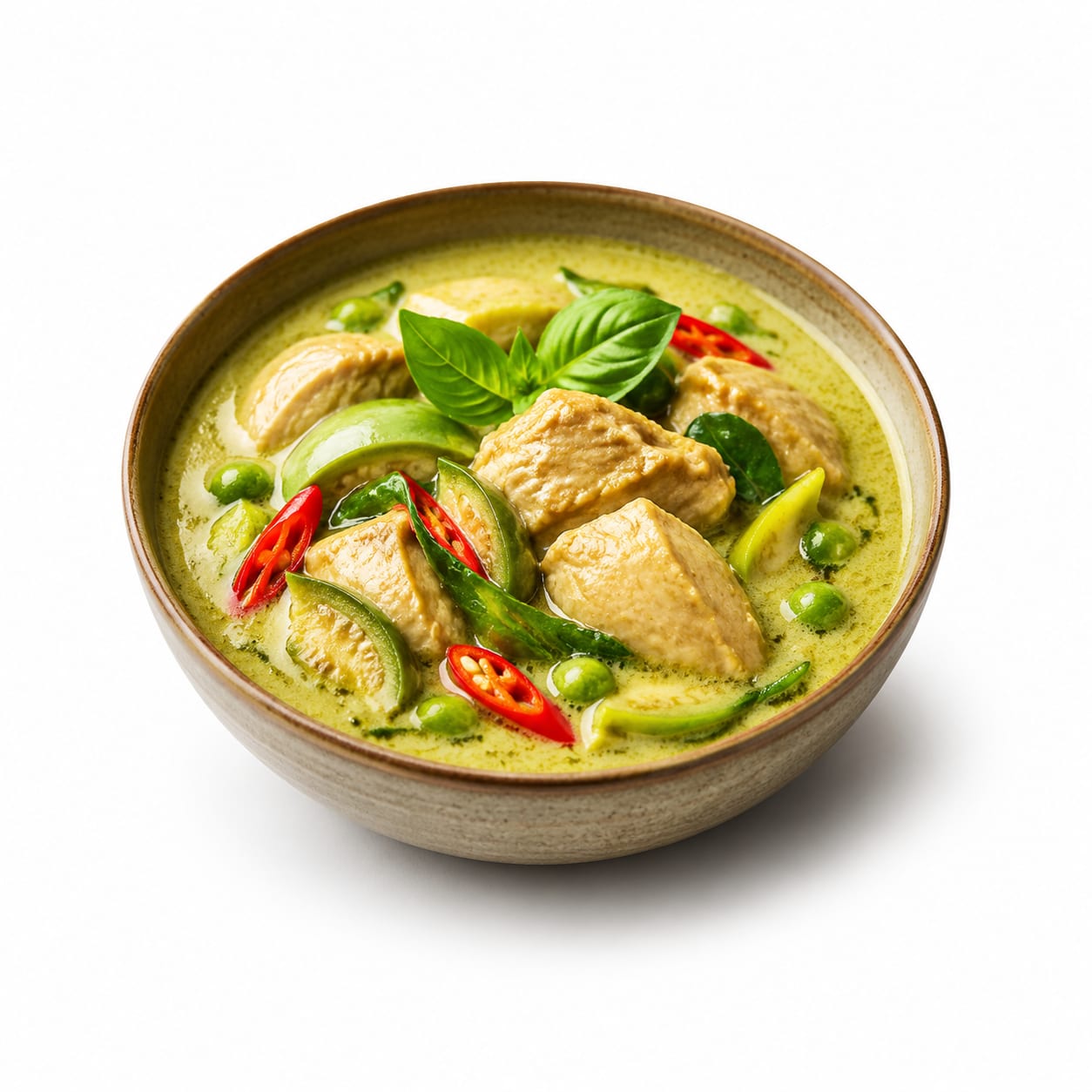
Green Curry
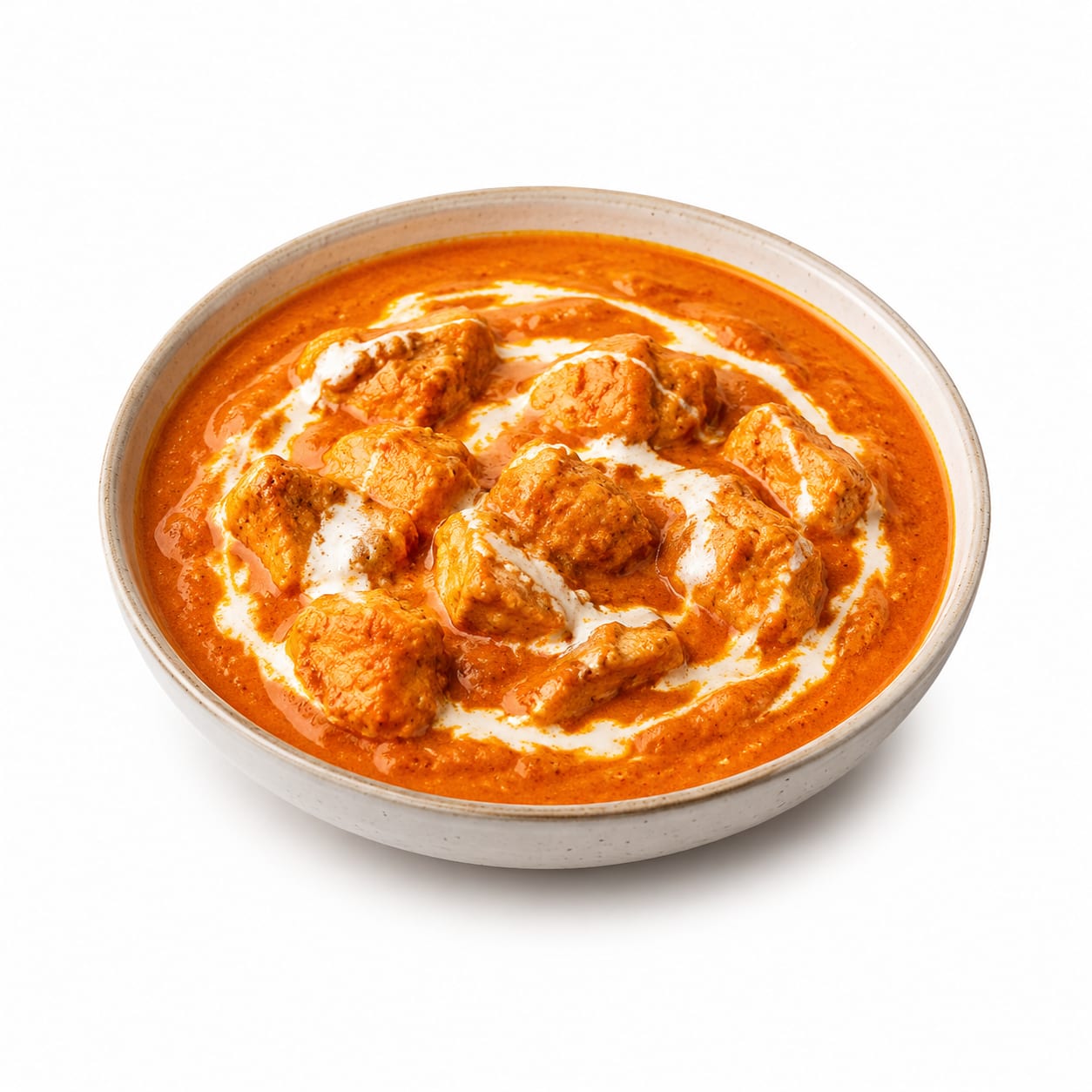
Butter Chicken
Green Curry is the lighter, vegetable-packed option, while Butter Chicken is a richer, higher-protein comfort food.
Green Curry scores higher due to better calorie-to-nutrient ratio and vegetable content, while Butter Chicken loses points for extreme calorie density and high saturated fat from dairy.
You trade the higher protein and creamy comfort of Butter Chicken for the lower calorie density and vegetable benefits of Green Curry.
At a glance
Executive summary
Overall
Green Curry
Healthier
Green Curry
More practical
It depends
Daily use
Green Curry
Key comparison lenses
Weight management and calorie density
Butter Chicken is famously rich and calorie-dense due to butter and cream, while Green Curry is generally lighter despite using coconut milk.
Saturated fat and heart health
Both dishes rely on high-fat bases, making saturated fat intake a major differentiator for long-term health.
Micronutrient and vegetable intake
Green Curry typically includes a variety of vegetables, whereas Butter Chicken is primarily sauce and meat with minimal produce.
Protein content and muscle support
Butter Chicken is heavily meat-centric, offering more protein per bite, while Green Curry often has a lower meat-to-sauce ratio.
Best choice for
Green Curry
- Weight management and calorie control
- Increasing daily vegetable intake
- A lighter dinner that won't cause a food coma
Butter Chicken
- High-protein diets and muscle building
- Comfort food cravings and emotional eating
- Picky eaters or children who prefer mild, creamy flavors
Least suitable for
Green Curry
- Those needing a massive protein hit post-workout
- People strictly limiting saturated fat from coconut
Butter Chicken
- Anyone watching their calorie intake or trying to lose weight
- People with lactose intolerance or dairy sensitivities
- Those managing high cholesterol
Deep comparison
Dimension by dimension
Each lens scores both foods and breaks down who each option suits.
- Dimension 1 · Priority 90Green Curry
Calorie Density & Weight Management
Green Curry · 75Butter Chicken · 35Green Curry is significantly lighter, making it easier to fit into a calorie budget.
Tradeoff
Butter Chicken is far more calorie-dense due to heavy butter and cream, meaning smaller portions for the same calories.
Why it matters
Eating high-calorie meals regularly can easily lead to unintentional weight gain, even if portion sizes look normal.
Real-world impact
A standard plate of Butter Chicken can leave you feeling sluggish and overly full, whereas Green Curry is less likely to cause a heavy food coma.
Green Curry
- Staying within daily calorie limits
- Avoiding post-meal sluggishness
Better for
- Those who struggle to eat enough calories
Worse for
Butter Chicken
- Bulking up if you need extra calories
Better for
- Weight loss goals
- Avoiding unintended overeating
Worse for
- Dimension 2 · Priority 85It depends
Heart Health & Saturated Fat
Green Curry · 50Butter Chicken · 40Both dishes are high in saturated fat, but Butter Chicken packs a heavier punch from dairy fat.
Tradeoff
Coconut milk in Green Curry provides MCTs, but still raises LDL cholesterol. Butter Chicken's butter and cream are more strongly linked to heart disease risk.
Why it matters
Frequent high saturated fat intake can impact cholesterol levels and cardiovascular health over time.
Real-world impact
If you eat curries multiple times a week, the dairy fat in Butter Chicken will add up faster than the coconut fat in Green Curry.
Green Curry
- Slightly easier lipid profile management
- Dairy-free diets
Better for
- Strict low-fat diets
Worse for
Butter Chicken
- People who tolerate dairy fat well and eat it infrequently
Better for
- Managing high cholesterol
- Lactose intolerance
Worse for
- Dimension 3 · Priority 80Green Curry
Micronutrient Density & Vegetable Content
Green Curry · 85Butter Chicken · 25Green Curry is loaded with vegetables, while Butter Chicken is essentially meat in sauce.
Tradeoff
You get fiber, vitamins, and minerals from the veggies in Green Curry, whereas Butter Chicken offers almost no plant-based micronutrients.
Why it matters
Vegetable intake is crucial for long-term health, digestion, and disease prevention.
Real-world impact
Ordering Green Curry helps you hit your daily veggie goals effortlessly, while Butter Chicken requires adding a side of vegetables to balance the meal.
Green Curry
- Boosting daily fiber and vitamin intake
- Improving digestion
Better for
- People who dislike vegetables mixed into their food
Worse for
Butter Chicken
- Situations where veggies aren't a priority
Better for
- Meeting daily produce requirements
- Feeling physically full without overeating calories
Worse for
- Dimension 4 · Priority 75Butter Chicken
Protein Content & Satiety
Green Curry · 55Butter Chicken · 85Butter Chicken delivers a much higher protein dose, keeping you full for longer.
Tradeoff
Green Curry often has a lower meat-to-sauce ratio, meaning less protein per serving, but the veggies add bulk.
Why it matters
Adequate protein is essential for muscle maintenance, and it provides strong satiety signals to prevent snacking later.
Real-world impact
After eating Butter Chicken, you are less likely to raid the fridge later, whereas a veggie-heavy Green Curry might leave you hungry again in a few hours.
Green Curry
- Lighter meals before bed
Better for
- Athletes needing high protein
Worse for
Butter Chicken
- Post-workout recovery
- Staying full for hours
Better for
- Those who find heavy meals uncomfortable
Worse for
- Dimension 5 · Priority 70It depends
Sodium Load
Green Curry · 35Butter Chicken · 35Both restaurant versions are sodium bombs, making this a tie in the worst way.
Tradeoff
Curry pastes and restaurant sauces are loaded with salt, regardless of whether it is Thai or Indian.
Why it matters
High sodium intake leads to bloating and elevated blood pressure over time.
Real-world impact
You might wake up feeling puffy and thirsty the morning after eating either dish from a restaurant.
Green Curry
- Homemade versions where you control the salt
Better for
- Blood pressure management when eating out
Worse for
Butter Chicken
- Homemade versions where you control the salt
Better for
- Blood pressure management when eating out
Worse for
Timeline
Health impact over time
Short-term
Hours to days
Green Curry
- Lighter post-meal energy levels
- Potential bloating from coconut milk if sensitive
Butter Chicken
- Strong feeling of fullness and satisfaction
- High likelihood of a heavy food coma due to fat and calorie density
Long-term
Months to years
Green Curry
- Better weight maintenance from lower calorie density
- Improved cardiovascular health if homemade with light coconut milk
Butter Chicken
- Risk of weight gain if eaten frequently
- Potential increase in LDL cholesterol from high dairy fat intake
Risk profile
Safety & processing
Both rely on processed curry pastes or sauces in restaurants, which often contain preservatives and added sugars. Homemade versions of both can be much cleaner.
Green Curry
Coconut milk spoilage
mediumCoconut milk can spoil quickly if left at room temperature, increasing the risk of foodborne illness with improper storage.
Butter Chicken
Dairy spoilage and histamine
mediumThe cream and butter in Butter Chicken can spoil rapidly, and leftover chicken dishes can build up histamine, causing digestive issues for sensitive individuals.
Who wins for whom
Audience fit
Same foods, different winners depending on your goal.
children
Butter ChickenThe mild, creamy, and slightly sweet flavor profile of Butter Chicken is usually much more appealing to kids than the spicy and herbaceous notes of Green Curry.
daily consumption
Green CurryThe lower calorie density and higher vegetable content make Green Curry a more sustainable daily option than the heavy, rich Butter Chicken.
diabetes
Green CurryGreen Curry typically has fewer carbohydrates and more fiber from vegetables, leading to steadier blood sugar, though both can hide added sugars in restaurant sauces.
elderly
Green CurryGreen Curry is easier to digest, lighter on the stomach, and provides more vegetables for healthy aging, assuming the spice level is tolerated.
muscle gain
Butter ChickenButter Chicken provides substantially more protein per serving, which is critical for muscle repair and growth.
weight loss
Green CurryGreen Curry offers more volume and fiber from vegetables for fewer calories, making it easier to maintain a calorie deficit.
Your move
Decision guide
Choose Green Curry
- You want a lighter meal that won't leave you sluggish
- You are trying to eat more vegetables
- You are watching your calorie intake
- You are dairy-free but still want a rich, creamy curry
Choose Butter Chicken
- You need a high-protein meal after a workout
- You are craving deep comfort food
- You are eating with kids who prefer mild flavors
- You are trying to gain weight healthily
Either works if
- You are eating out as an occasional treat
- You are making it from scratch and can control the fat and sodium
Avoid both if
- You are on a strict low-sodium diet for blood pressure
- You are following a strict low-fat diet for gallbladder or heart issues
Final recommendation
For everyday dining, Green Curry is the smarter choice due to its lighter profile and vegetable content. Save Butter Chicken for when you need a protein-heavy comfort meal or a special treat.
Practical
Consumer tips
- 1
Ask for light coconut milk in Green Curry to drastically cut calories and saturated fat.
- 2
Request extra vegetables in either dish to boost fiber and fullness.
- 3
Ask for Butter Chicken made with less butter or cream to reduce the calorie density.
- 4
Opt for brown rice instead of white rice or naan to stabilize blood sugar and add fiber.
- 5
When ordering takeout, portion out half the sauce before eating to reduce hidden calories and sodium.