
Nutrition comparison
Green Curry vs Massaman Curry: Which Is Healthier?
Green Curry is lighter and lower in calories, while Massaman is richer and more filling. Compare nutrition, health impact, and which curry fits your goals better.
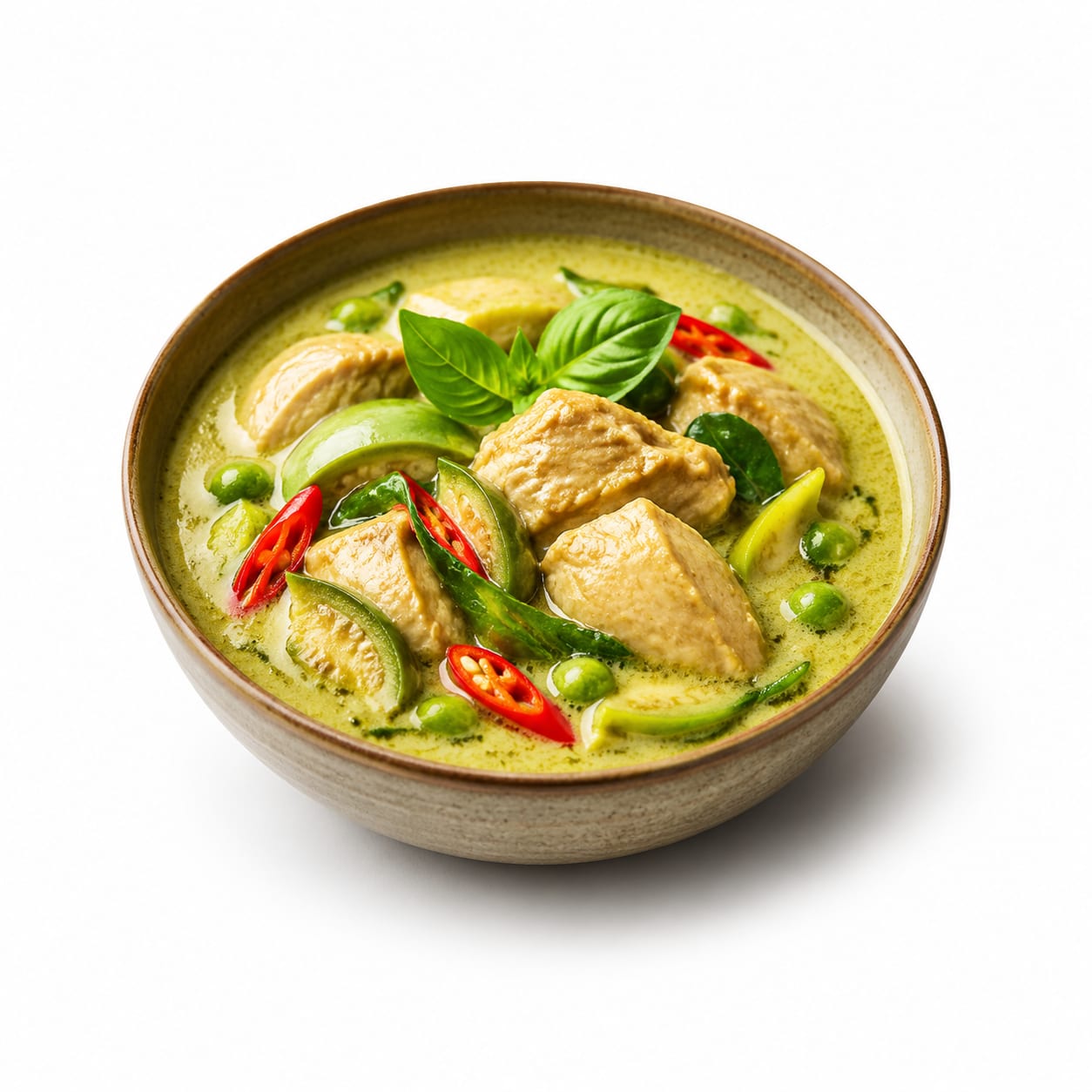
Green Curry
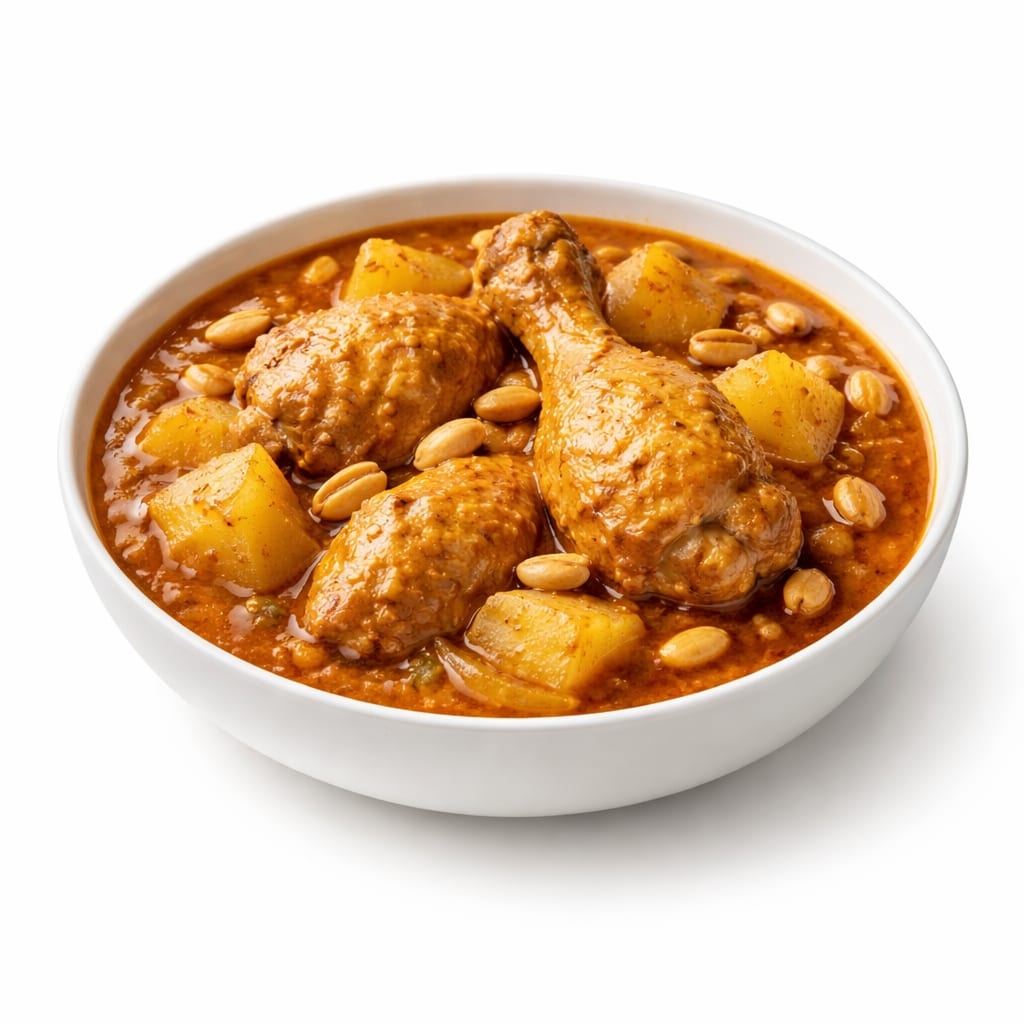
Massaman Curry
Green Curry is lighter and vegetable-forward, while Massaman is richer and more filling. Your choice depends on whether you want a leaner meal or a comforting, satiating one.
Green Curry scores higher due to lower calorie density, more vegetables, and stronger anti-inflammatory potential. Massaman loses points for higher calories and blood sugar impact, but wins on satiety and comfort.
Green Curry gives you fewer calories and more fresh herbs, but Massaman keeps you full longer with its peanuts and potatoes.
At a glance
Executive summary
Overall
It depends
Healthier
Green Curry
More practical
It depends
Daily use
Green Curry
Key comparison lenses
calorie density and weight management
Massaman's peanuts and potatoes make it significantly more calorie-dense than Green Curry, which matters for anyone watching intake
satiety and fullness
Massaman's fat and starch content keeps you fuller longer, while Green Curry is lighter and less filling
heart health and fat quality
Both use coconut milk, but Massaman adds peanuts with mixed fats, while Green Curry relies more on herbs and vegetables
allergen safety
Massaman contains peanuts, a major allergen, while Green Curry is typically peanut-free
blood sugar impact
Massaman's potatoes create a higher glycemic load compared to Green Curry's vegetable-heavy base
anti inflammatory potential
Green Curry's fresh herbs and chilies offer more anti-inflammatory compounds, while Massaman's warming spices provide different benefits
Best choice for
Green Curry
- Weight-conscious eaters wanting bold flavor without heavy calories
- People seeking anti-inflammatory benefits from fresh herbs and chilies
- Those with peanut allergies
- Anyone wanting a lighter dinner that won't leave them sluggish
Massaman Curry
- Active people needing sustained energy and higher calorie intake
- Those wanting a single-bowl meal that keeps them full for hours
- People who find spicy food irritating to their stomach
- Anyone craving comfort food on a cold day
Least suitable for
Green Curry
- People with severe spice sensitivity or GERD
- Those needing high-calorie meals for weight gain
- Anyone seeking a single-dish meal that provides long-lasting fullness
Massaman Curry
- People with peanut or tree nut allergies
- Those closely monitoring calorie intake
- Anyone managing blood sugar spikes from starchy carbohydrates
Deep comparison
Dimension by dimension
Each lens scores both foods and breaks down who each option suits.
- Dimension 1 · Priority 92Green Curry
calorie_density
Green Curry · 78Massaman Curry · 42Green Curry typically runs 250-350 calories per serving, while Massaman can easily hit 450-600 calories due to peanuts, potatoes, and often richer coconut milk.
Tradeoff
You get more flavor per calorie with Green Curry, but Massaman's calories come with genuine staying power.
Why it matters
If you eat curry regularly, the calorie difference compounds fast. Two Massaman meals per week versus two Green Curry meals could mean a pound of weight difference per month.
Real-world impact
A Green Curry dinner leaves room for a light dessert. A Massaman dinner is the whole event.
Green Curry
- Weight loss or maintenance
- Smaller appetites
- Multi-course meals where curry is one part
Better for
- People who need calorie-dense meals
- Very active individuals needing fuel
Worse for
Massaman Curry
- Bulking or weight gain
- Post-hike or post-workout recovery meals
- One-bowl dinner nights
Better for
- Calorie counters
- Those who eat curry multiple times per week
Worse for
- Dimension 2 · Priority 88Massaman Curry
satiety_and_fullness
Green Curry · 52Massaman Curry · 85Massaman's combination of peanuts, potatoes, and richer sauce keeps hunger away for hours. Green Curry is satisfying in the moment but digests faster.
Tradeoff
Fullness comes at the cost of higher calories. Massaman fills you up by being denser, not by being smarter nutritionally.
Why it matters
If you find yourself snacking two hours after dinner, Massaman might actually serve you better despite the extra calories.
Real-world impact
After Green Curry, you might want a snack by 9pm. After Massaman, you're done for the night.
Green Curry
- People who prefer eating smaller, more frequent meals
- Those who dislike feeling overly full
Better for
- People prone to late-night snacking
- Those who feel hungry soon after eating
Worse for
Massaman Curry
- Anyone trying to reduce between-meal snacking
- People who skip lunch and need dinner to last
- Those who find light meals unsatisfying
Better for
- People who dislike heavy, sluggish feelings after dinner
Worse for
- Dimension 3 · Priority 80Green Curry
anti_inflammatory_potential
Green Curry · 82Massaman Curry · 60Green Curry's fresh chilies, Thai basil, galangal, and lemongrass deliver potent anti-inflammatory compounds. Massaman's dried warming spices help too, but the overall dish is less concentrated in these benefits.
Tradeoff
Massaman's peanuts add some anti-inflammatory monounsaturated fats, but also add omega-6 fats that can be pro-inflammatory in excess.
Why it matters
Chronic inflammation drives joint pain, fatigue, and disease risk. The herbs in Green Curry are essentially medicine you enjoy eating.
Real-world impact
Regular Green Curry eaters may notice less bloating and better digestion over time compared to heavier curry choices.
Green Curry
- People with inflammatory conditions like arthritis
- Those seeking digestive comfort
- Anyone eating curry partly for functional health benefits
Better for
- Those who cannot tolerate spicy food due to GI issues
Worse for
Massaman Curry
- People whose inflammation is mild and who prioritize comfort eating
Better for
- People managing chronic inflammation through diet
Worse for
- Dimension 4 · Priority 78Green Curry
blood_sugar_stability
Green Curry · 74Massaman Curry · 48Green Curry's vegetable base and lower starch content means gentler blood sugar impact. Massaman's potatoes and sweeter profile can cause more noticeable spikes.
Tradeoff
Massaman's fat content slows sugar absorption somewhat, but the potato load still hits harder than Green Curry's eggplant and bamboo shoots.
Why it matters
Blood sugar crashes after Massaman can trigger cravings and fatigue, especially if you're insulin resistant.
Real-world impact
After Massaman, you might feel a food coma. After Green Curry, you feel satisfied but still alert.
Green Curry
- People with diabetes or prediabetes
- Those who experience afternoon energy crashes
- Anyone monitoring glycemic load
Better for
- Athletes needing post-exercise carb reloading
Worse for
Massaman Curry
- Endurance athletes who need carbohydrate replenishment
Better for
- Insulin-resistant individuals
- People prone to post-meal drowsiness
Worse for
- Dimension 5 · Priority 82Green Curry
allergen_safety
Green Curry · 80Massaman Curry · 35Massaman contains peanuts, one of the top eight allergens and one of the most dangerous for anaphylaxis. Green Curry is typically peanut-free.
Tradeoff
Peanuts add flavor, protein, and healthy fats to Massaman, but they exclude a significant portion of the population from safely eating it.
Why it matters
Peanut allergy affects roughly 2% of adults and 5% of children. Even trace cross-contamination in restaurants can be life-threatening.
Real-world impact
Massaman is off-limits for peanut-allergic individuals at any Thai restaurant. Green Curry is usually a safe bet, though you should always confirm.
Green Curry
- Anyone with peanut or tree nut allergies
- Families with mixed allergy profiles
- Shared meal situations where allergies are unknown
Better for
- No significant allergen disadvantage
Worse for
Massaman Curry
- No allergen advantage; peanuts are a liability here
Better for
- Peanut-allergic individuals
- School lunches or potlucks where allergies are likely
Worse for
- Dimension 6 · Priority 65It depends
sodium_load
Green Curry · 45Massaman Curry · 45Both curries are sodium-heavy due to fish sauce, curry paste, and seasoning. Neither is a low-sodium choice, and restaurant versions can exceed 1000mg per serving.
Tradeoff
The sodium difference between these two is minimal compared to how much both exceed ideal levels. This is a shared weakness.
Why it matters
If you have hypertension or sodium sensitivity, both curries require caution. Home-cooked versions with reduced fish sauce are the real solution.
Real-world impact
Either curry can leave you thirsty and bloated the next morning if you're sodium-sensitive.
Green Curry
- No meaningful advantage on sodium
Better for
- Salt-sensitive individuals still at risk
Worse for
Massaman Curry
- No meaningful advantage on sodium
Better for
- Salt-sensitive individuals still at risk
Worse for
Timeline
Health impact over time
Short-term
Hours to days
Green Curry
- Mild metabolism boost from capsaicin in green chilies
- Possible sweating and warmth from spice
- Lighter post-meal feeling with less sluggishness
- Potential heartburn or GI irritation if spice-sensitive
Massaman Curry
- Strong fullness and satisfaction after eating
- Possible drowsiness from higher carbohydrate and fat content
- Gentler on the stomach due to milder spice level
- Longer digestion time due to peanut and potato density
Long-term
Months to years
Green Curry
- Better weight management if eaten regularly instead of heavier curries
- Anti-inflammatory benefits from habitual herb and chili consumption
- Potential for GI irritation if consumed excessively by sensitive individuals
- Lower cumulative calorie intake compared to richer curry options
Massaman Curry
- Higher calorie intake risk if eaten frequently without portion control
- Peanut consumption may support heart health in moderation
- Greater blood sugar variability from regular potato consumption
- Risk of weight gain if Massaman becomes a comfort food staple
Risk profile
Safety & processing
Both curries rely on curry pastes that often contain preservatives, MSG, and added colors in commercial versions. Restaurant and packaged versions share similar processing concerns. Homemade versions of either using fresh paste are significantly better choices.
Green Curry
Spice-related GI irritation
lowCapsaicin can aggravate acid reflux, IBS, or ulcers in sensitive individuals. Not dangerous but uncomfortable.
Coconut milk spoilage
mediumCoconut milk-based curries spoil faster at room temperature than drier dishes. Refrigerate promptly and reheat thoroughly.
Shellfish cross-contamination
mediumSome green curry pastes contain shrimp paste. Shellfish-allergic individuals must verify ingredients carefully.
Massaman Curry
Peanut anaphylaxis
highPeanuts are a top allergen capable of triggering severe, life-threatening reactions. Cross-contamination in Thai kitchens is common.
Coconut milk spoilage
mediumSame spoilage concern as Green Curry. Massaman's density can mask early spoilage signs, so be extra cautious with leftovers.
Aflatoxin exposure from peanuts
lowPoorly stored peanuts can harbor aflatoxin, a liver carcinogen. Reputable restaurants and quality peanut products minimize this risk significantly.
Who wins for whom
Audience fit
Same foods, different winners depending on your goal.
children
Massaman CurryMassaman's milder, sweeter flavor profile is more kid-friendly, though peanut allergy risk must be assessed first.
daily consumption
Green CurryGreen Curry's lighter profile and lower calorie cost make it more sustainable as a regular meal without weight or health concerns accumulating.
diabetes
Green CurryGreen Curry's lower glycemic load from vegetables versus Massaman's potatoes makes it the safer choice for blood sugar management.
elderly
Massaman CurryMassaman's softer texture, milder spice, and easier digestibility suit older adults better, provided they can tolerate peanuts.
muscle gain
Massaman CurryMassaman's higher calorie and protein content from peanuts and typically larger meat portions supports muscle-building diets better.
weight loss
Green CurryGreen Curry delivers bold flavor at roughly half the calories of Massaman, making it far easier to fit into a calorie deficit.
Your move
Decision guide
Choose Green Curry
- You're watching your weight or eating in a calorie deficit
- You want anti-inflammatory benefits from fresh herbs and chilies
- You or someone you're feeding has a peanut allergy
- You prefer feeling light and energized after eating rather than full and drowsy
- You eat Thai food multiple times per week and need the lighter option
Choose Massaman Curry
- You need a meal that keeps you full for hours without snacking
- You're recovering from intense physical activity and need calories
- You find spicy food uncomfortable or irritating
- You want comfort food that feels like a warm hug on a cold evening
- You're trying to gain weight or maintain a high-calorie diet
Either works if
- You're eating at a Thai restaurant and both sound good — just pick what you're craving
- You have no dietary restrictions and want variety in your week
- You're sharing with others and ordering both for the table
Avoid both if
- You have severe sodium restrictions due to hypertension or kidney disease
- You're following a strict low-fat diet, as both rely heavily on coconut milk
- You have coconut allergies, which would rule out both dishes entirely
Final recommendation
For most people eating Thai curry regularly, Green Curry is the smarter default. It delivers more flavor per calorie, more anti-inflammatory herbs, and no peanut allergy risk. Save Massaman for when you genuinely need the comfort, the calories, or the fullness — not as your weekly go-to. Both are best enjoyed with extra vegetables and less rice to improve their nutritional profile.
Practical
Consumer tips
- 1
Ask for 'light coconut milk' at restaurants to cut calories by 30-40% in either curry
- 2
Order extra vegetables in either curry to improve fiber content and reduce calorie density
- 3
Pair Green Curry with cauliflower rice instead of jasmine rice to keep the meal under 400 calories
- 4
Make Massaman at home using less potato and more vegetables to get the flavor with less glycemic impact
- 5
Always confirm peanut content with restaurant staff if allergies are a concern — cross-contamination is common in Thai kitchens
- 6
Leftover curry often tastes better the next day, but refrigerate within 2 hours and consume within 3 days
- 7
If sodium is a concern, request 'less fish sauce' and add lime juice for flavor instead