
Nutrition comparison
Green Curry vs Yellow Curry: Which Is Healthier for You?
Compare Green Curry and Yellow Curry on anti-inflammatory benefits, digestion, metabolism, and weight loss. Find out which Thai curry fits your health goals best.
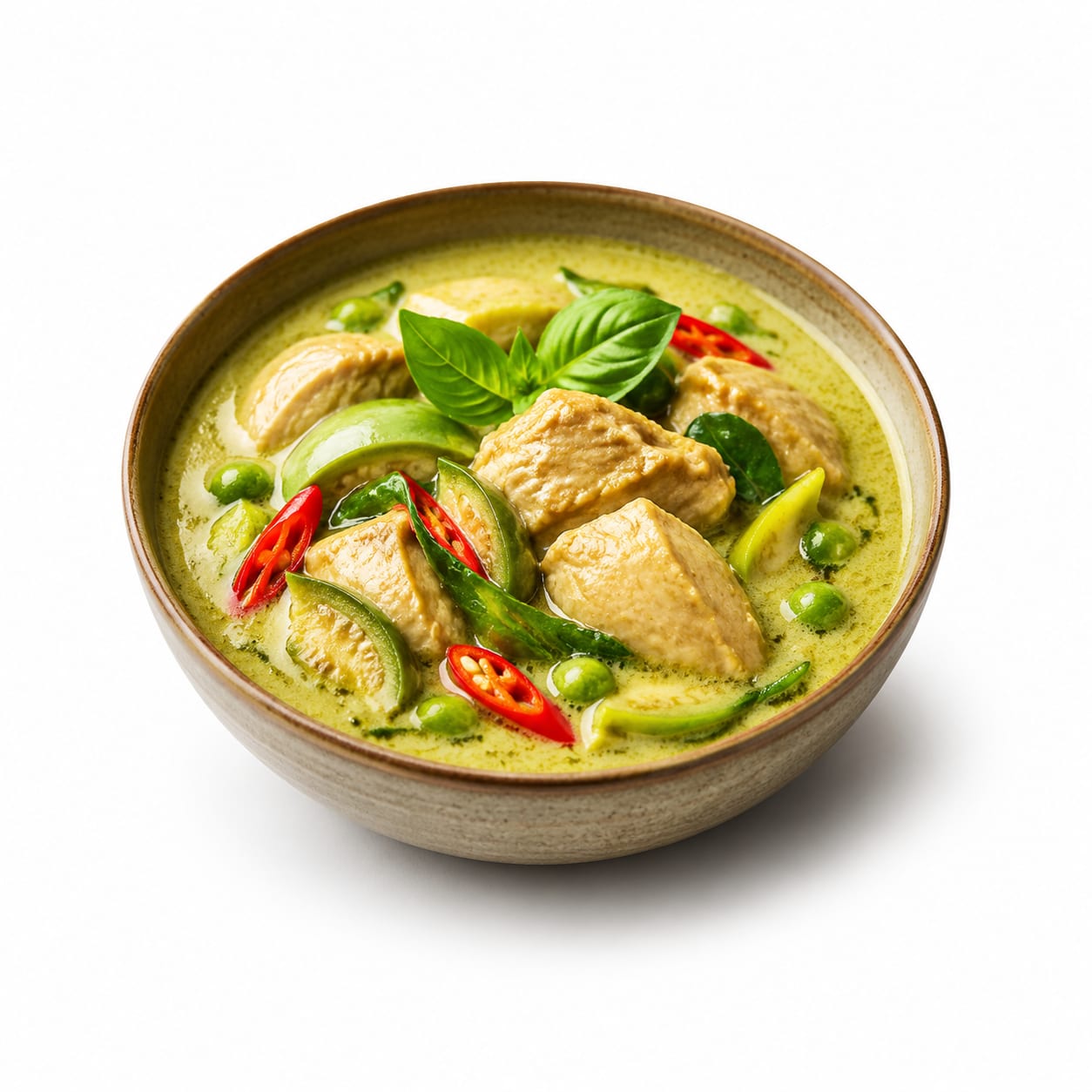
Green Curry
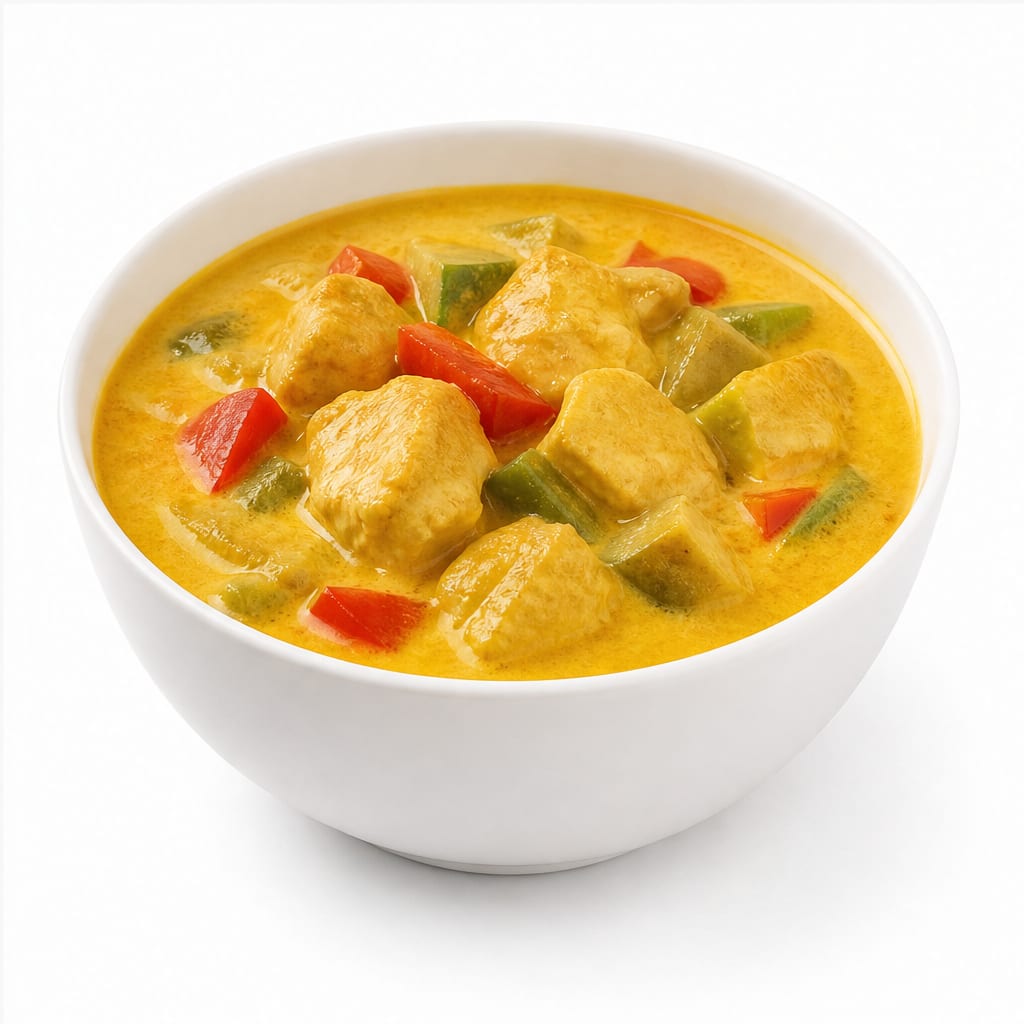
Yellow Curry
Yellow Curry wins for anti-inflammatory power and gentler digestion, while Green Curry delivers more fresh herb antioxidants and a metabolism-boosting kick.
Yellow Curry edges ahead due to turmeric's well-documented anti-inflammatory benefits and broader digestive tolerance. Green Curry remains strong for metabolic and antioxidant advantages but loses points on stomach friendliness and everyday sustainability.
Yellow Curry gives you turmeric's healing benefits with easier stomach comfort, but Green Curry's fresh chili heat may better stimulate metabolism and satisfy spice lovers.
At a glance
Executive summary
Overall
It depends
Healthier
It depends
More practical
Yellow Curry
Daily use
Yellow Curry
Key comparison lenses
Spice tolerance and digestive comfort
Green Curry is notably spicier, which affects who can enjoy it and how their stomach handles it
Anti-inflammatory benefits
Yellow Curry's turmeric content offers significant inflammation-fighting advantages
Weight management and calorie awareness
Both curries rely on coconut milk, but portion control and satiety differ
Everyday meal sustainability
Milder Yellow Curry is easier to eat frequently; Green Curry's heat can cause fatigue
Antioxidant and micronutrient density
Fresh herbs in Green Curry versus warming spices in Yellow Curry offer different benefits
Best choice for
Green Curry
- People seeking metabolic stimulation and fat-burning support
- Spice enthusiasts who enjoy bold heat
- Those wanting fresh herb antioxidants like basil and cilantro
- Anyone looking for appetite suppression through capsaicin
Yellow Curry
- People managing inflammation or joint pain
- Those with sensitive stomachs who still want flavorful food
- Anyone eating curry multiple times per week
- People seeking turmeric's curcumin benefits for recovery
Least suitable for
Green Curry
- People with acid reflux or GERD
- Those with IBS or sensitive digestion
- Children or heat-averse eaters
- Anyone taking blood thinners who should avoid excess capsaicin
Yellow Curry
- People strictly limiting calories who might overeat due to milder taste
- Those wanting maximum metabolic stimulation from spice
- Anyone allergic to turmeric or cumin
Deep comparison
Dimension by dimension
Each lens scores both foods and breaks down who each option suits.
- Dimension 1 · Priority 92Yellow Curry
Anti-Inflammatory Power
Green Curry · 65Yellow Curry · 90Yellow Curry's turmeric delivers curcumin, one of nature's most potent anti-inflammatory compounds. Green Curry relies more on fresh chilies, which offer some benefit but cannot match turmeric's clinical backing.
Tradeoff
You get stronger inflammation fighting with Yellow Curry, but miss out on the fresh herb complexity that Green Curry provides.
Why it matters
Chronic inflammation drives joint pain, fatigue, and disease risk. Consistent turmeric intake from Yellow Curry can meaningfully reduce these over time.
Real-world impact
Eating Yellow Curry regularly may reduce morning stiffness and post-workout soreness more noticeably than Green Curry.
Green Curry
- Short-term sinus clearing and circulation boost
Better for
- Chili heat can irritate existing inflammation in sensitive people
Worse for
Yellow Curry
- Joint mobility and arthritis symptom management
- Post-exercise recovery support
- Long-term inflammatory disease risk reduction
Better for
- Turmeric absorption is poor without black pepper or fat, which not all preparations include
Worse for
- Dimension 2 · Priority 88Yellow Curry
Digestive Comfort
Green Curry · 45Yellow Curry · 78Green Curry's higher chili content makes it rough on sensitive stomachs and a trigger for acid reflux. Yellow Curry's milder warming spices are far gentler on digestion.
Tradeoff
Choosing Yellow Curry means easier digestion and less heartburn risk, but you sacrifice the satisfying heat that makes Green Curry exciting.
Why it matters
If you cannot comfortably digest a meal, its nutritional benefits become irrelevant. Stomach discomfort also disrupts sleep and next-day energy.
Real-world impact
A late-night Green Curry can mean heartburn and poor sleep. Yellow Curry at the same time is far less likely to cause issues.
Green Curry
- Stimulating digestion and gastric motility when sluggish
Better for
- High risk of heartburn and acid reflux flare-ups
- Can irritate IBS symptoms significantly
Worse for
Yellow Curry
- Comfortable eating for those with GERD or acid reflux
- Gentle enough for evening meals without sleep disruption
- Better tolerated during stressful periods when digestion is already compromised
Better for
- Very mild nature may not stimulate appetite in those who need it
Worse for
- Dimension 3 · Priority 82Green Curry
Metabolic Stimulation
Green Curry · 85Yellow Curry · 62Green Curry's capsaicin from fresh green chilies directly boosts metabolic rate and can suppress appetite. Yellow Curry's warming spices offer mild metabolic support but less intensity.
Tradeoff
Green Curry activates your metabolism more aggressively, but the spiciness that drives this effect limits how often you can eat it.
Why it matters
Capsaicin has solid evidence for modest fat oxidation increases and appetite reduction, which compounds over time with regular consumption.
Real-world impact
A Green Curry lunch may leave you less hungry at dinner compared to an equivalent Yellow Curry meal.
Green Curry
- Post-meal calorie burning boost
- Appetite regulation for weight management
- Warming effect in cold weather
Better for
- Metabolic boost diminishes if you build spice tolerance over time
Worse for
Yellow Curry
- Sustained gentle metabolic support without overheating
Better for
- Less effective for active fat-loss phases
Worse for
- Dimension 4 · Priority 78Green Curry
Antioxidant Diversity
Green Curry · 82Yellow Curry · 74Green Curry packs fresh Thai basil, cilantro, and green chilies, offering a wider range of volatile antioxidants. Yellow Curry provides concentrated spice antioxidants like curcumin and cumin phenols.
Tradeoff
Green Curry gives you fresher, more diverse antioxidants that degrade quickly with cooking. Yellow Curry offers more stable, heat-resistant compounds.
Why it matters
Diverse antioxidant intake protects cells from different types of damage and supports immune resilience.
Real-world impact
Green Curry's fresh herbs act like a salad in curry form, while Yellow Curry's spices act more like a concentrated supplement.
Green Curry
- Broader spectrum of volatile plant compounds
- Fresh herb benefits similar to eating leafy greens
- Vitamin C content from fresh chilies and herbs
Better for
- Fresh herb antioxidants degrade quickly; leftovers lose potency
Worse for
Yellow Curry
- More stable antioxidants that survive cooking and storage
- Curcumin's unique neuroprotective properties
Better for
- Narrower range of antioxidant types compared to fresh herbs
Worse for
- Dimension 5 · Priority 80Green Curry
Satiety and Portion Control
Green Curry · 79Yellow Curry · 68Green Curry's heat naturally limits overeating because your mouth tells you to stop. Yellow Curry's milder, slightly sweeter profile makes it easier to overconsume.
Tradeoff
Built-in portion control from Green Curry's spice helps with weight management, but it means less enjoyment for those who cannot handle heat.
Why it matters
Coconut milk curries are calorie-dense. Without a natural stopping signal, it is easy to consume 800+ calories in one sitting.
Real-world impact
You will likely eat 20-30% less Green Curry than Yellow Curry at the same meal simply due to spice-driven fullness signals.
Green Curry
- Automatic portion control from heat
- Faster satiety signaling
- Less risk of calorie-dense overindulgence
Better for
- May leave you unsatisfied if you wanted a larger meal
Worse for
Yellow Curry
- More enjoyable for larger meals when you need the calories
Better for
- Easy to overeat without realizing due to mild, comforting taste
Worse for
- Dimension 6 · Priority 72It depends
Sodium Load
Green Curry · 55Yellow Curry · 55Both curries rely heavily on fish sauce and curry paste, delivering similarly high sodium levels. Neither has a meaningful advantage here.
Tradeoff
Regardless of which curry you choose, sodium will be a concern if you have blood pressure issues or eat curry frequently.
Why it matters
A single restaurant serving of either curry can contain 1000-2000mg of sodium, which is half or more of the daily recommended limit.
Real-world impact
Eating either curry daily without adjusting other meals could push sodium intake into concerning territory for blood pressure.
Green Curry
- Slightly less fish sauce in some traditional preparations
Better for
- Still sodium-heavy regardless of preparation style
Worse for
Yellow Curry
- Comparable sodium; no real disadvantage
Better for
- Same sodium concerns as Green Curry
Worse for
Timeline
Health impact over time
Short-term
Hours to days
Green Curry
- Immediate metabolic boost from capsaicin within 30 minutes of eating
- Possible heartburn or stomach warmth within 1-2 hours
- Sinus clearing and mild thermogenic sweating
- Appetite suppression lasting 2-3 hours post-meal
Yellow Curry
- Gentle digestive comfort with minimal irritation risk
- Mild anti-inflammatory effect beginning within hours
- Warming sensation without overheating or sweating
- Comforting and satisfying without triggering reflux
Long-term
Months to years
Green Curry
- Potential for improved metabolic rate with regular capsaicin intake
- Risk of worsening acid reflux or developing GERD symptoms if consumed too frequently
- Better appetite regulation supporting weight maintenance
- Possible increased spice tolerance reducing metabolic benefits over time
Yellow Curry
- Reduced inflammatory markers from consistent curcumin intake, especially with black pepper
- Better joint health and potentially reduced arthritis progression
- Improved digestive regularity from cumin and coriander
- Lower risk of developing heat-related stomach irritation
Risk profile
Safety & processing
Both curries typically use pre-made curry pastes containing preservatives, shrimp paste, and added salt. Restaurant versions often include MSG and stabilizers. Homemade versions with fresh paste dramatically improve naturalness for both, but most people eat prepared versions.
Green Curry
Shrimp paste allergen exposure
mediumTraditional Green Curry paste contains fermented shrimp paste, which is a hidden shellfish allergen many people do not expect.
Coconut milk spoilage
lowCoconut milk curries left at room temperature can spoil quickly due to fat content. Refrigeration within 2 hours is essential.
Yellow Curry
Turmeric contamination with lead chromate
mediumSome imported turmeric has been found contaminated with lead chromate used to enhance color. Sourcing from reputable suppliers matters.
Shrimp paste allergen exposure
mediumYellow Curry paste also commonly contains shrimp paste, posing the same hidden shellfish allergen risk as Green Curry.
Who wins for whom
Audience fit
Same foods, different winners depending on your goal.
children
Yellow CurryMost children cannot tolerate Green Curry's heat. Yellow Curry's mild, slightly sweet profile is far more kid-friendly while still providing nutritional benefits.
daily consumption
Yellow CurryYellow Curry's milder profile and anti-inflammatory benefits make it sustainable as a regular meal. Green Curry's intensity makes daily consumption impractical for most people and increases stomach irritation risk.
diabetes
Yellow CurryYellow Curry's turmeric improves insulin sensitivity over time, and the milder profile causes less cortisol spike. Both are similar in carbohydrate content, so turmeric's metabolic edge matters.
elderly
Yellow CurryYellow Curry's anti-inflammatory properties support joint health, and its gentle digestion is better for aging stomachs. Green Curry's heat can aggravate reflux and digestive issues common in older adults.
muscle gain
Yellow CurryMilder Yellow Curry is easier to eat in larger quantities, helping you hit higher calorie and protein targets. The anti-inflammatory benefits also support recovery from intense training.
weight loss
Green CurryCapsaicin boosts metabolism and suppresses appetite, while the heat naturally limits portion sizes. Both curries are calorie-dense from coconut milk, but Green Curry's built-in portion control gives it the edge.
Your move
Decision guide
Choose Green Curry
- You love spicy food and it does not bother your stomach
- You want a metabolism boost during an active fat-loss phase
- You are eating curry occasionally, not daily
- You crave fresh herb flavors and vibrant complexity
- You tend to overeat and need natural portion control
Choose Yellow Curry
- You have acid reflux, GERD, or sensitive digestion
- You want anti-inflammatory benefits for joints or recovery
- You plan to eat curry multiple times per week
- You are cooking for kids or spice-averse family members
- You want a comforting meal that will not disrupt your sleep if eaten later
Either works if
- You are making curry from scratch and can control the spice level and coconut milk amount
- You have no digestive issues and enjoy both flavor profiles
- You are rotating between different curry types for variety
Avoid both if
- You are on a strict low-sodium diet and cannot adjust the recipe
- You have a shellfish allergy and cannot verify the curry paste ingredients
- You are severely limiting saturated fat from coconut milk
Final recommendation
For most people, Yellow Curry is the smarter default because it delivers anti-inflammatory benefits with easier digestion and better everyday sustainability. Choose Green Curry when you specifically want metabolic stimulation, appetite control, or bold heat, but keep it to a few times per week to protect your stomach. The best approach is rotating between both to get turmeric's healing compounds and fresh herb antioxidants without overdoing either.
Practical
Consumer tips
- 1
Ask restaurants to use light coconut milk to cut calories by roughly 40% in either curry
- 2
Add extra vegetables like bell peppers, zucchini, and spinach to both curries to increase volume without significant calories
- 3
If making Yellow Curry at home, add black pepper to boost curcumin absorption by up to 2000%
- 4
Check curry paste labels for MSG, preservatives, and shrimp paste if you have allergies or want cleaner ingredients
- 5
Start with Yellow Curry if you are new to Thai food and gradually try Green Curry as your spice tolerance builds
- 6
Leftover Green Curry loses fresh herb potency quickly, so eat it within 24 hours for maximum antioxidant benefit
- 7
Pair either curry with cauliflower rice instead of jasmine rice to reduce the meal's glycemic load substantially