
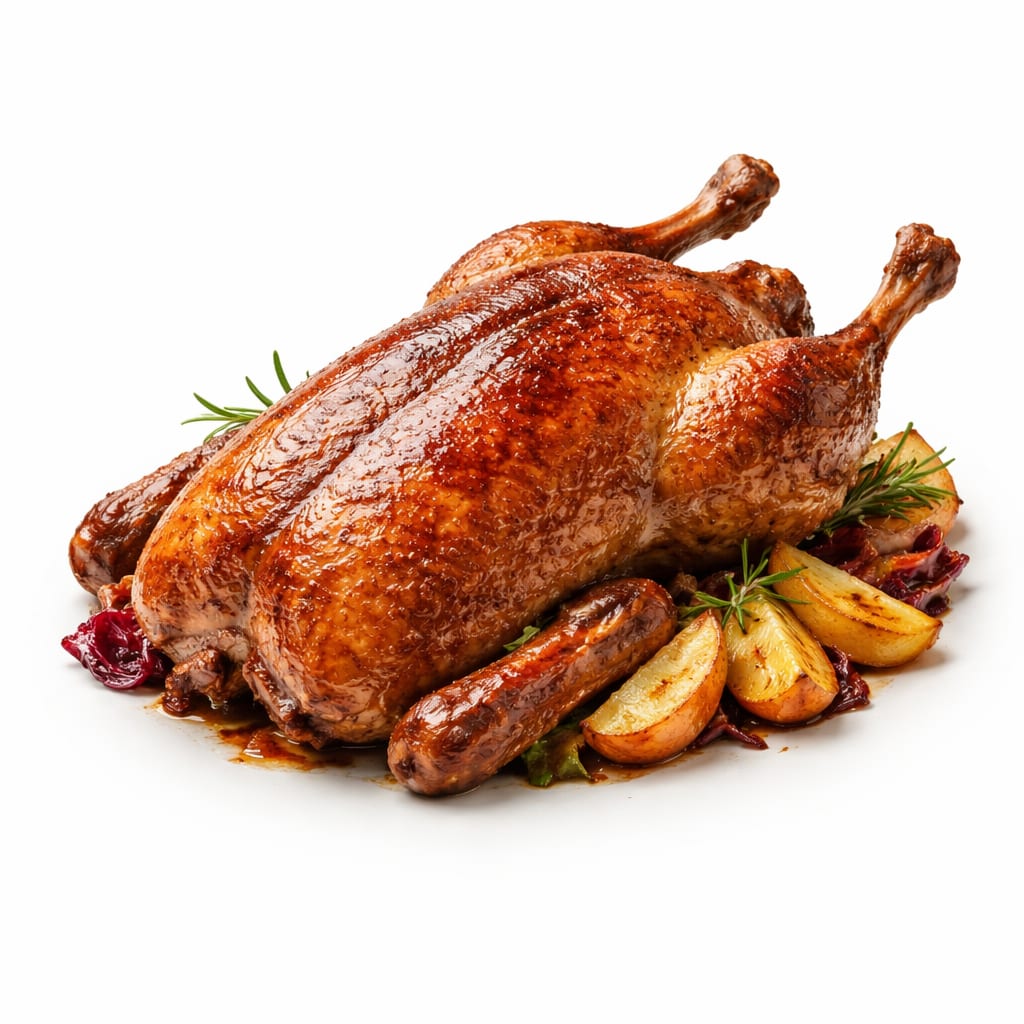
Poultry
Goose
A high-fat, protein-rich dark meat poultry with zero carbohydrates.
A rich, dark-meat poultry known for its high fat content and dense flavor, often consumed roasted during holidays.
protein-dense high-fat animal food
Typical serving · 100g
Common varieties · Embden, Toulouse, Chinese, African, Pilgrim
Overall context score across nutrition, safety, and diet fit
At a glance
Quick facts
Simple indicators based on nutrition, processing, and diet fit.
The story
What makes it unique
Goose is a zero-carbohydrate, high-fat, high-protein food. Digestion is slow due to the high fat content, promoting prolonged satiety but making it less ideal for rapid energy. It provides significant micronutrients like iron and selenium.
Varieties: Embden · Toulouse · Chinese · African · Pilgrim
Per 100g
Nutrition breakdown
Macro balance and key metrics at a glance.
Energy
Density 3.20 kcal/g
Protein
Carbs
Fat
Fiber
Sugar
0 g
Sodium
75 mg
Potassium
280 mg
Glycemic index
0
Glycemic load
0
Water content
50%
Standout compounds
Nutrient highlights
Protein
highSupports muscle repair and growth
Iron
highEssential for oxygen transport in blood
Selenium
highSupports thyroid function and antioxidant defense
Vitamin B6
moderateAids in protein metabolism and cognitive development
Zinc
moderateCrucial for immune function and wound healing
Wellness map
Health scores & processing
NOVA processing scale
minimally processed · Whole food
Whole animal food typically sold fresh or frozen without added ingredients.
Diet compatibility
- Weight loss
- Muscle gain
- Diabetes
- Gut health
- Low carb
- High protein
- Heart health
Relative standing
Food rankings
Qualitative ranks compared to similar whole foods.
- Satietygood
- Blood sugarexcellent
- Nutrient densitygood
- Fitness fuelmoderate
- Processing qualityexcellent
Eat with confidence
Food safety profile
Raw goose carries typical poultry bacterial risks like Salmonella. Proper handling and cooking to an internal temperature of 165°F (74°C) are essential. Free-range geese may have varied heavy metal exposure depending on foraging environments.
Evidence confidence 85%
- Pesticideslow
- Antibioticsmoderate
- Heavy metalsmoderate
- Contaminationhigh
Watch for
- Salmonella
- Campylobacter
Safer choices
Farm-raised geese from verified sources with antibiotic-free certifications.
Prep tips
Do not wash raw goose to avoid spreading bacteria; prick the skin before roasting to render fat safely.
Standard poultry safety regulations apply; ensure thorough cooking to mitigate bacterial risks.
Deep dive
Health analysis
How this food may fit different goals and preparation choices.
Weight loss
High energy density and fat content make portion control critical; overconsumption easily leads to a caloric surplus.
Blood sugar
Zero carbohydrates mean no direct impact on blood glucose, ideal for diabetic diets if paired with low-carb sides.
Fitness & energy
Provides sustained energy from fat and muscle-building protein, but high fat content slows digestion, making it poor for pre-workout fuel.
Gut health
Lacks dietary fiber, so it does not support gut microbiome diversity; pair with fibrous vegetables to aid digestion.
Processing quality
Whole, unprocessed animal protein with no additives when purchased fresh or frozen.
Food safety
Requires strict hygiene and thorough cooking to eliminate common poultry pathogens like Salmonella.
Common mistakes
Eating the skin drastically increases calorie and saturated fat intake; not rendering the fat during cooking results in greasy meat.
Best preparation
Roasting on a rack to allow fat to drip away; pricking the skin helps render fat while keeping the meat moist.
Practical guide
Best use cases
When and how this food fits real eating patterns.
Holiday centerpieces
A traditional, impressive roast for festive gatherings.
Keto diet meals
Fits perfectly into high-fat, zero-carb dietary protocols.
High-protein winter meals
Provides dense, slow-digesting energy ideal for cold weather.
Balance sheet
Pros & cons
Upsides
- Zero carbohydrates ideal for keto diets
- Rich source of highly bioavailable iron
- High-quality complete protein
- Excellent source of selenium for thyroid health
- Unprocessed whole food
Trade-offs
- Very high in calories and fat
- Thick skin drastically increases saturated fat intake
- Expensive and less available than chicken or turkey
- Lacks dietary fiber
- Requires careful cooking to render fat properly
Fit check
Who is it for?
Great match
- keto and low-carb diets
- festive holiday meals
- iron-deficiency anemia diets
Consider alternatives
- low-fat diets
- strict calorie counting
- pre-workout meals
Side by side
How it compares
Open the full head-to-head analysis for nutrition, safety, and practical tradeoffs.
This food
Goose
VS95% alike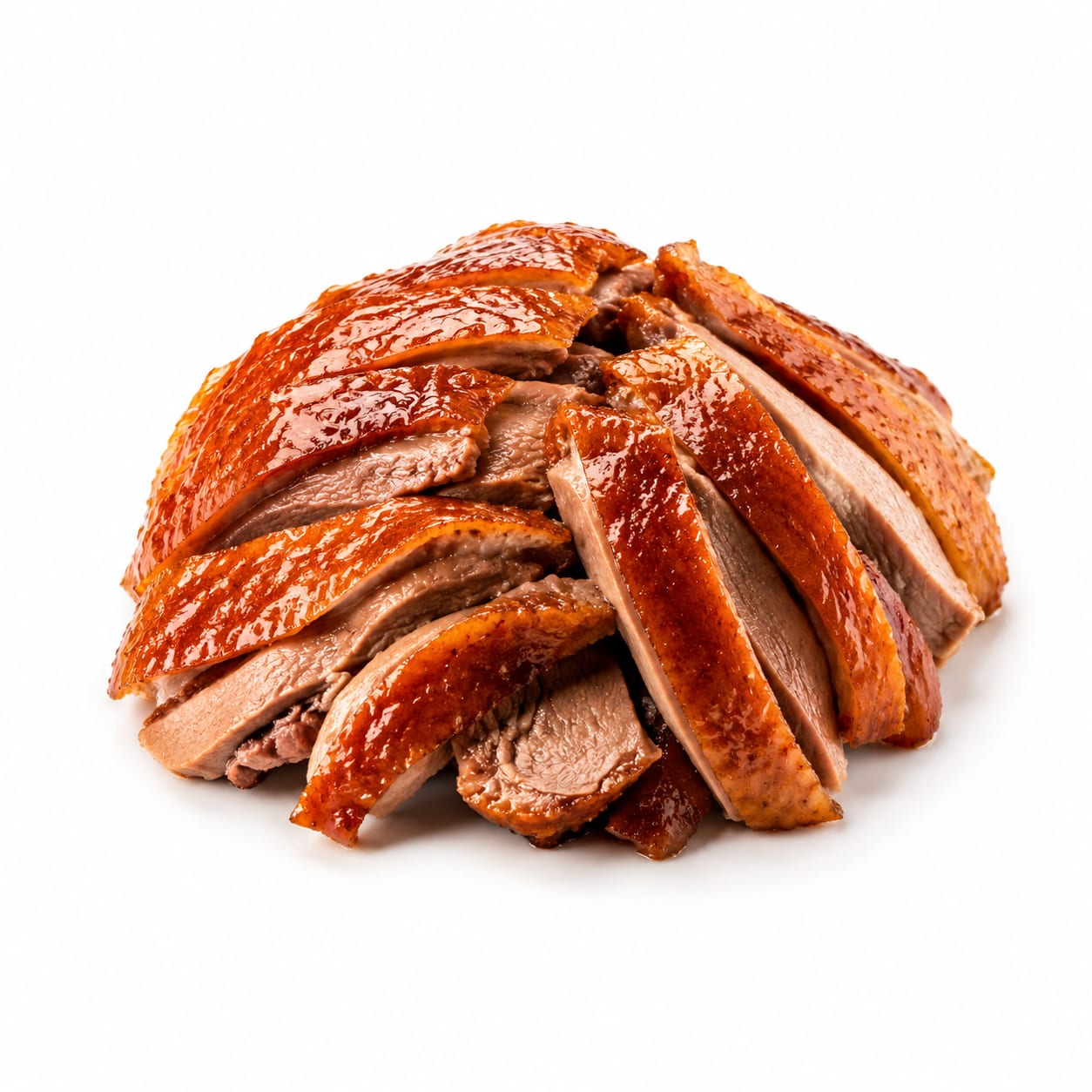
Compare with
Duck
Duck and goose are both fatty waterfowl, but goose is generally larger with a thicker fat layer and slightly richer flavor.
Duck is slightly lower in calories and fat than goose, making it the better choice for weight loss, while both are equally good for blood sugar.
This food
Goose
VS85% alike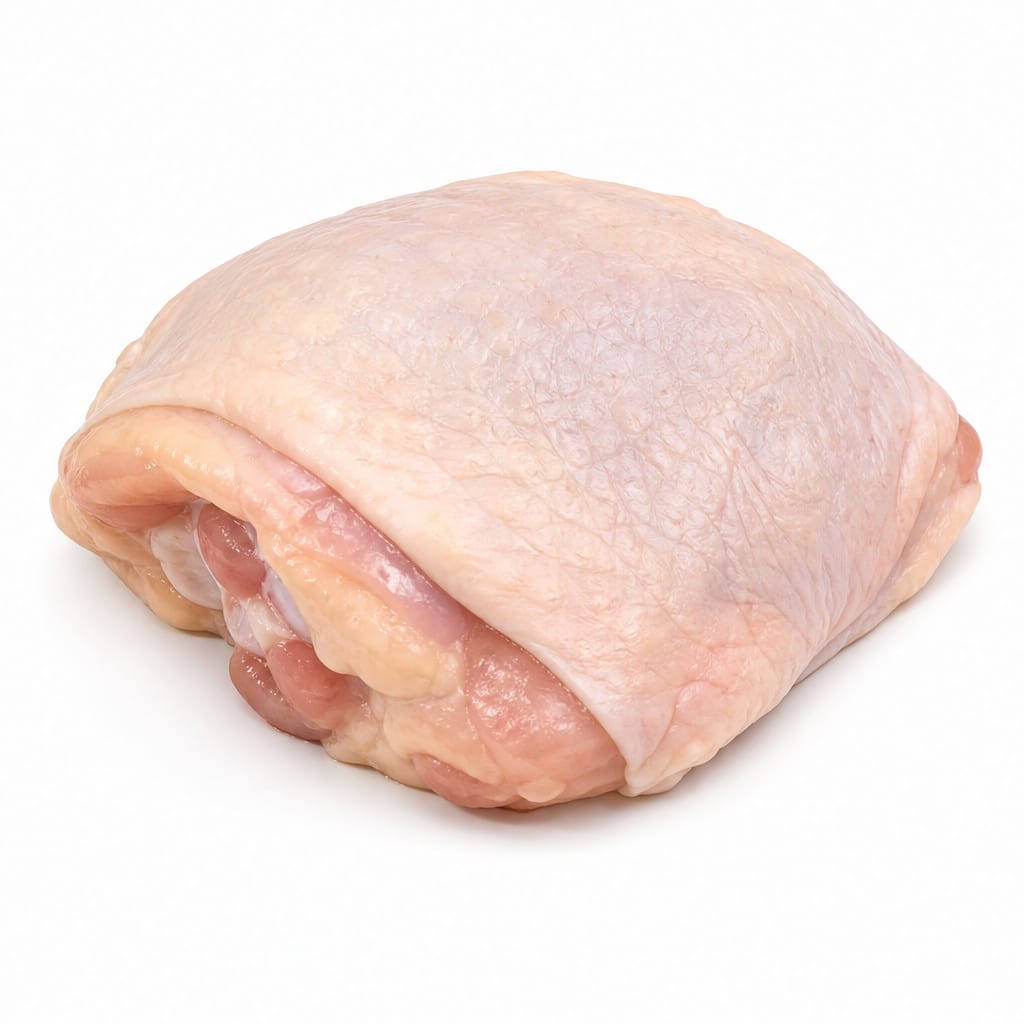
Compare with
Chicken thigh
Chicken thighs are more accessible and leaner than goose, while goose offers a denser, richer nutrient profile.
Chicken thighs are lower in fat and calories than goose, making them better for weight loss, while both have zero carbs for blood sugar control.
This food
Goose
VS80% alike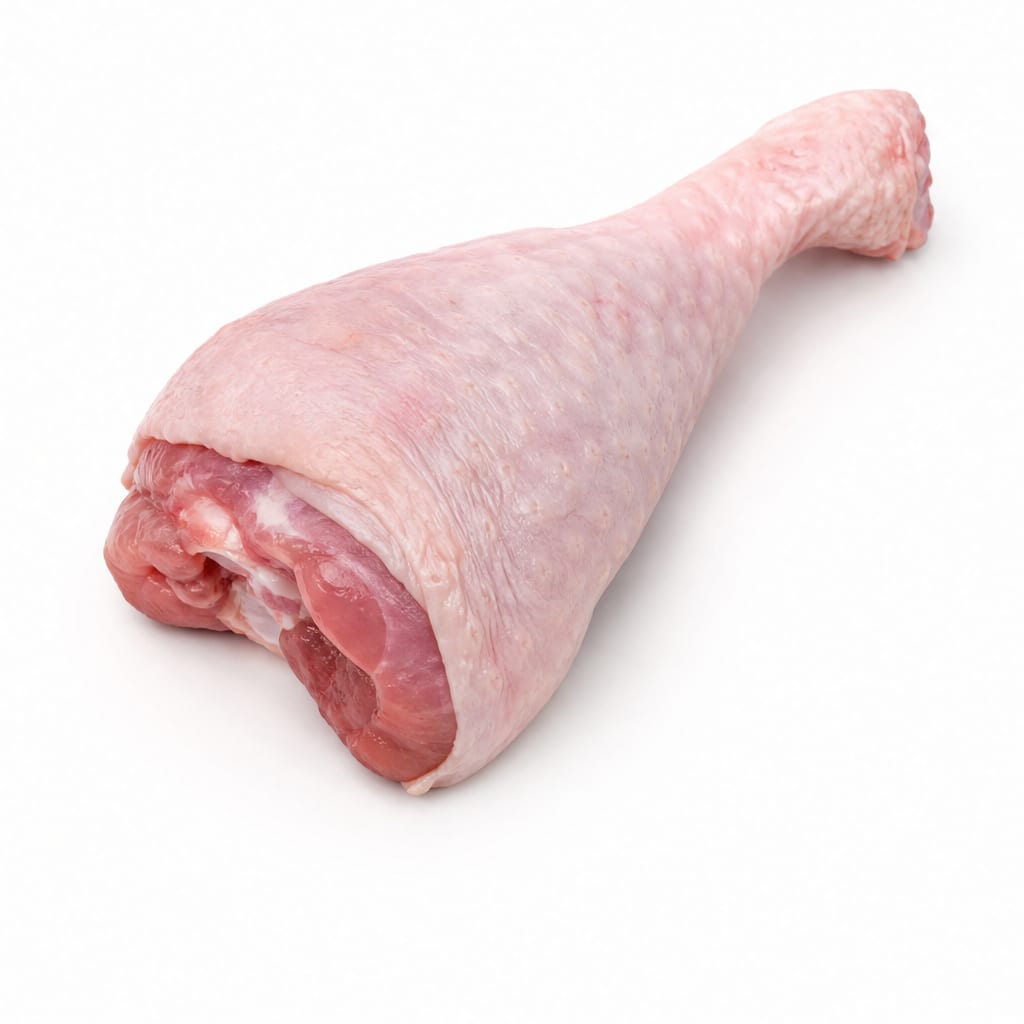
Compare with
Turkey leg
Turkey legs are significantly leaner and higher in protein per calorie compared to goose.
Turkey legs provide much more protein and less fat than goose, making them superior for muscle gain and weight loss.
This food
Goose
VS70% alike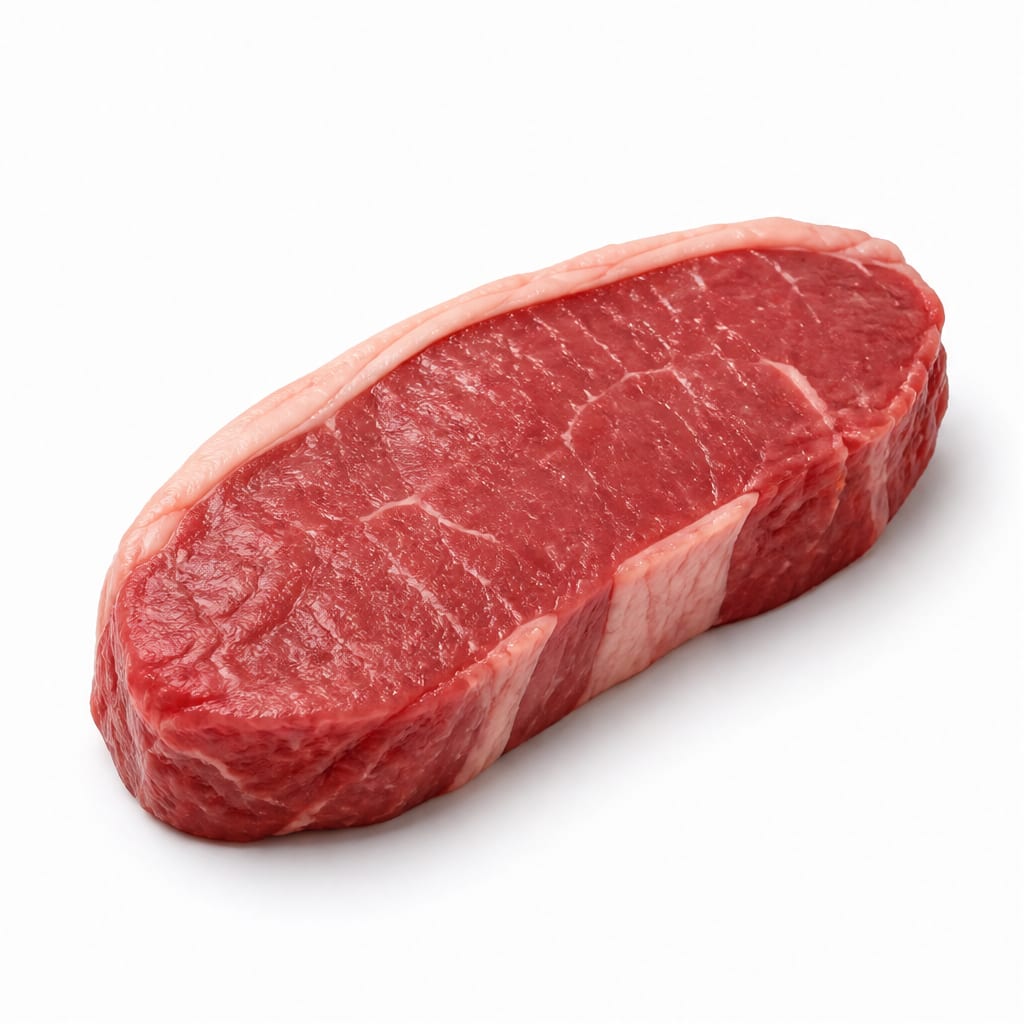
Compare with
Beef sirloin
Beef sirloin is leaner and higher in protein than goose, offering a better protein-to-fat ratio.
Beef sirloin is leaner and more protein-dense than goose, making it better for fitness and weight management.
This food
Goose
VS65% alike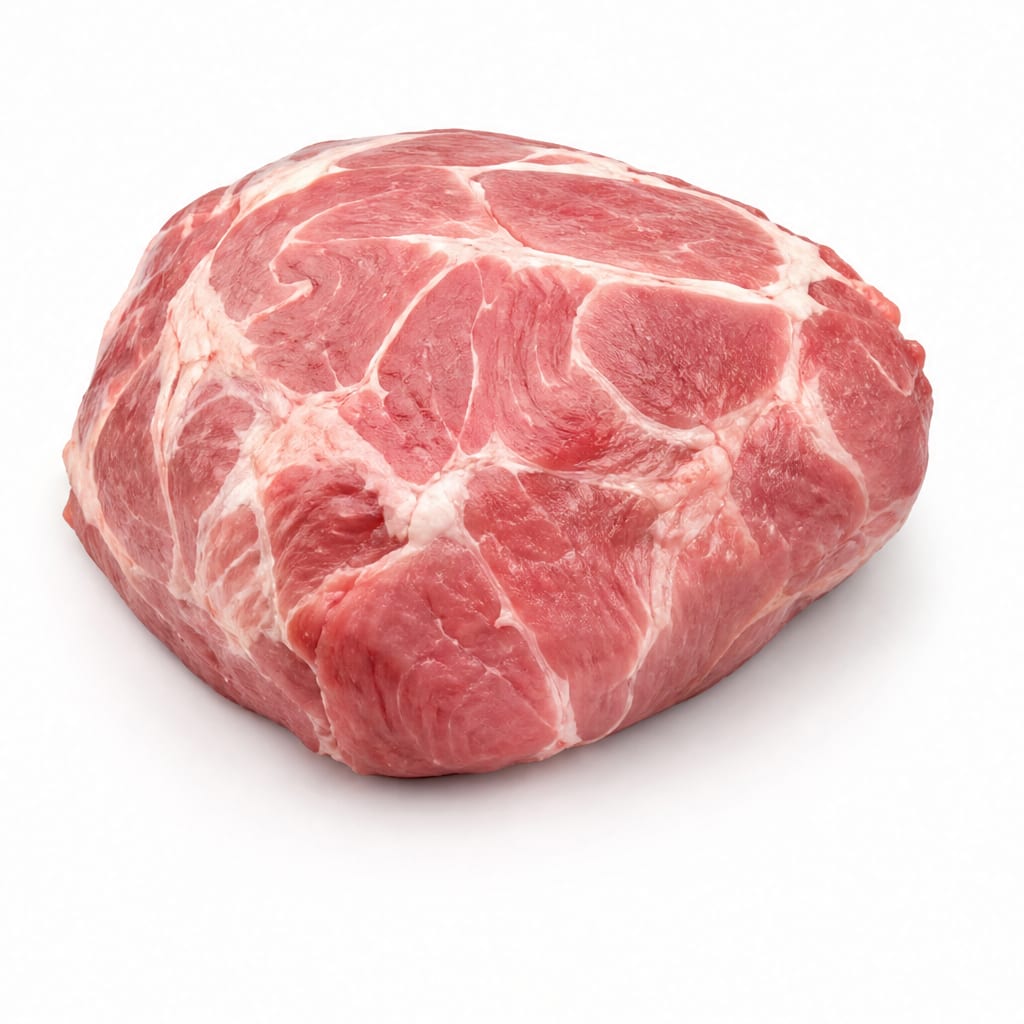
Compare with
Pork shoulder
Pork shoulder is slightly higher in fat and calories than goose but offers similar slow-digesting properties.
Goose is slightly lower in calories than pork shoulder and provides a better micronutrient profile, including more iron.
This food
Goose
VS65% alike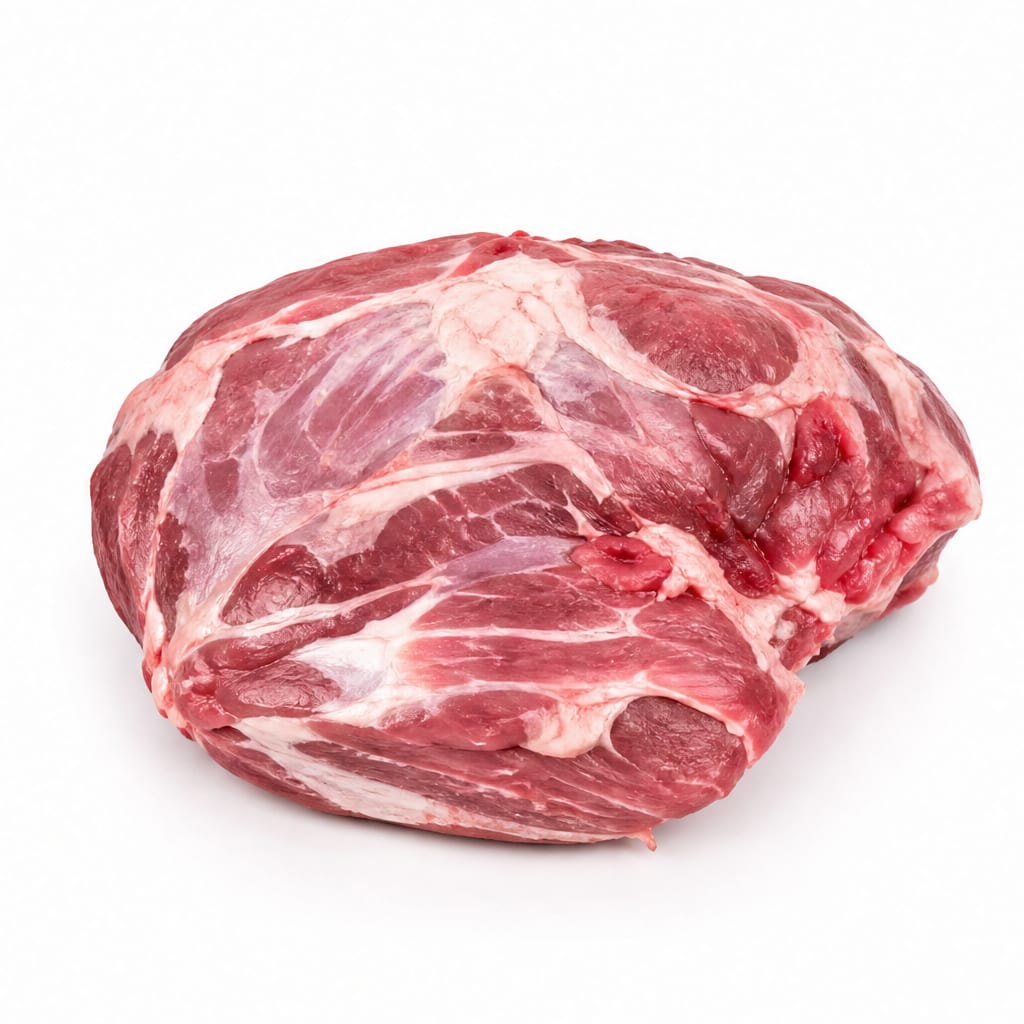
Compare with
Lamb shoulder
Lamb shoulder has a similar fat content but different saturated fat profile and a distinctly gamey flavor compared to goose.
Goose and lamb shoulder are similar in calories and fat, but goose offers more selenium and zero carbs for strict keto diets.
This food
Goose
VS50% alike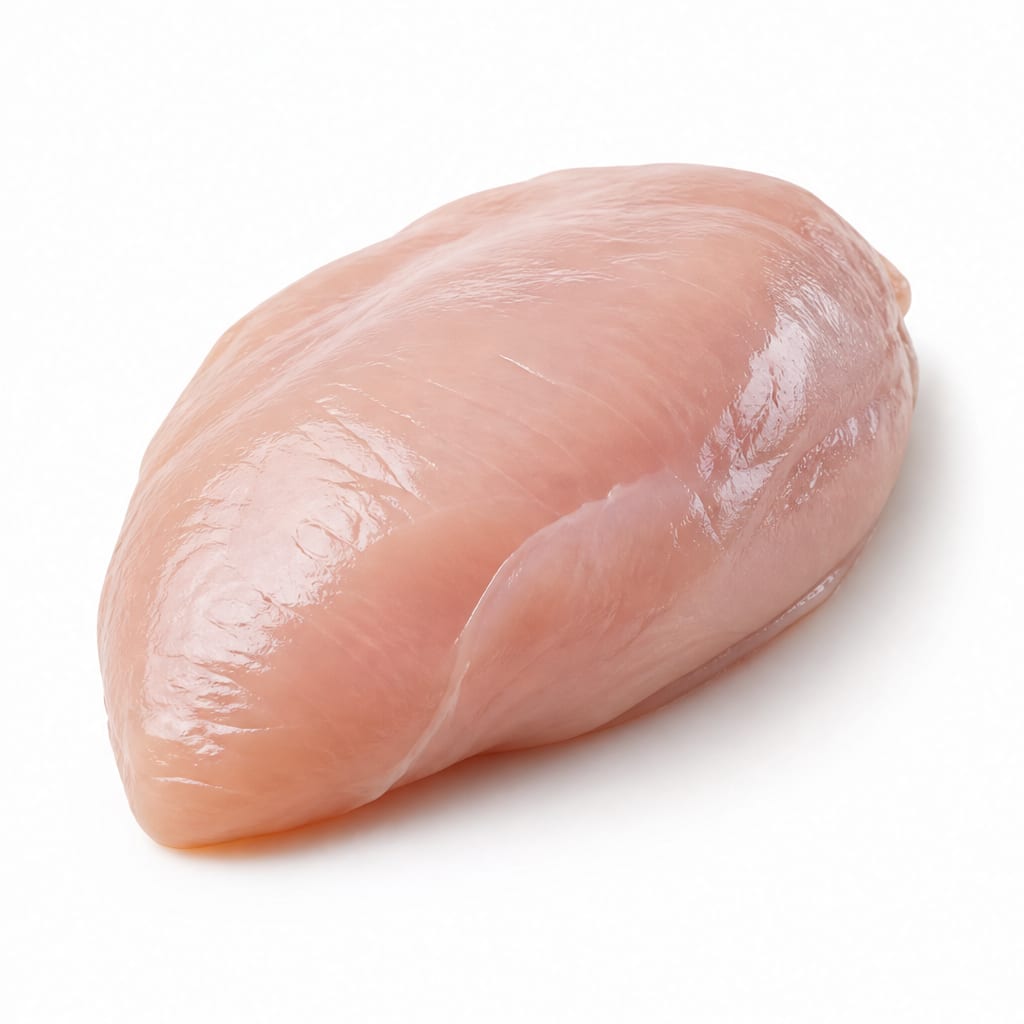
Compare with
Chicken breast
Chicken breast is dramatically leaner and higher in protein per calorie, while goose is much higher in fat.
Chicken breast is far lower in fat and calories than goose, making it the clear winner for weight loss and lean muscle gain.
This food
Goose
VS45% alike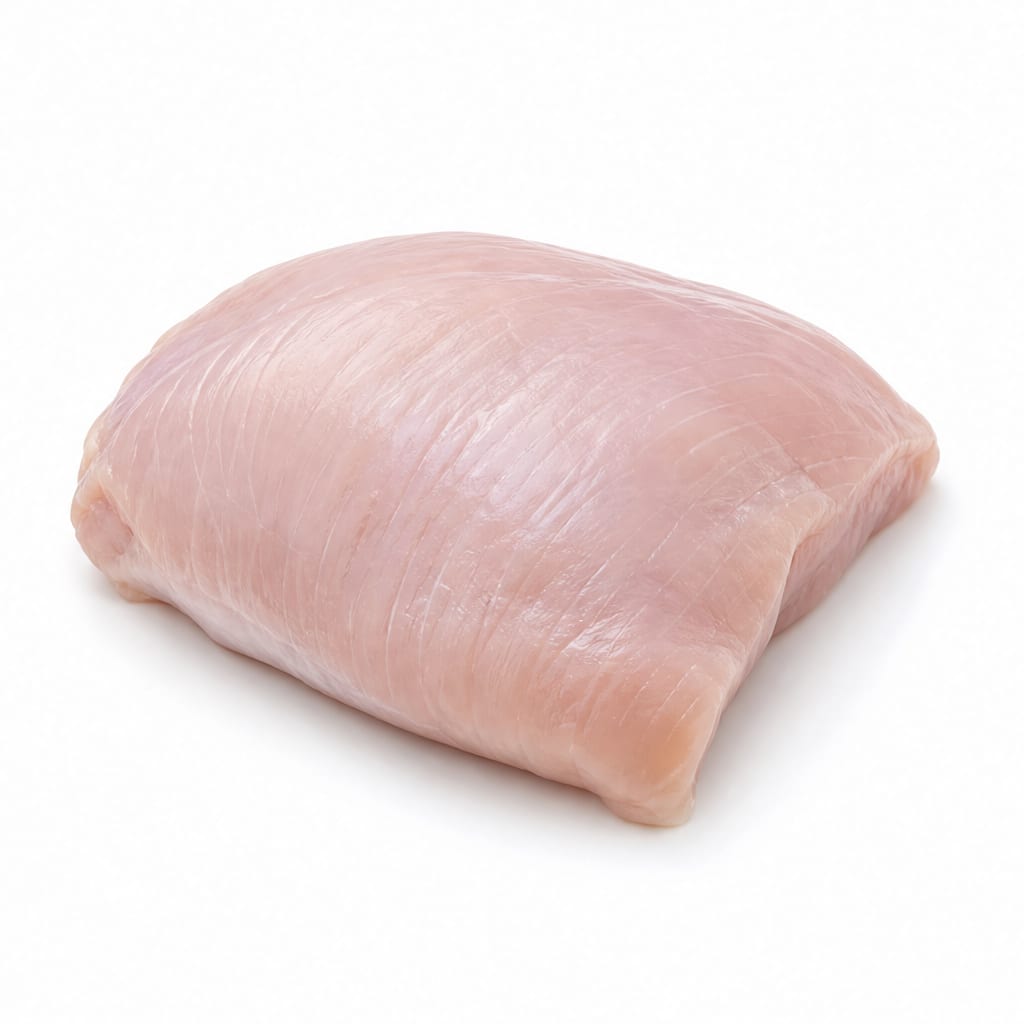
Compare with
Turkey breast
Turkey breast is extremely lean and protein-dense, contrasting sharply with goose's high fat content.
Turkey breast is virtually fat-free and packed with protein, making it much better for diets than calorie-dense goose.
This food
Goose
VS60% alike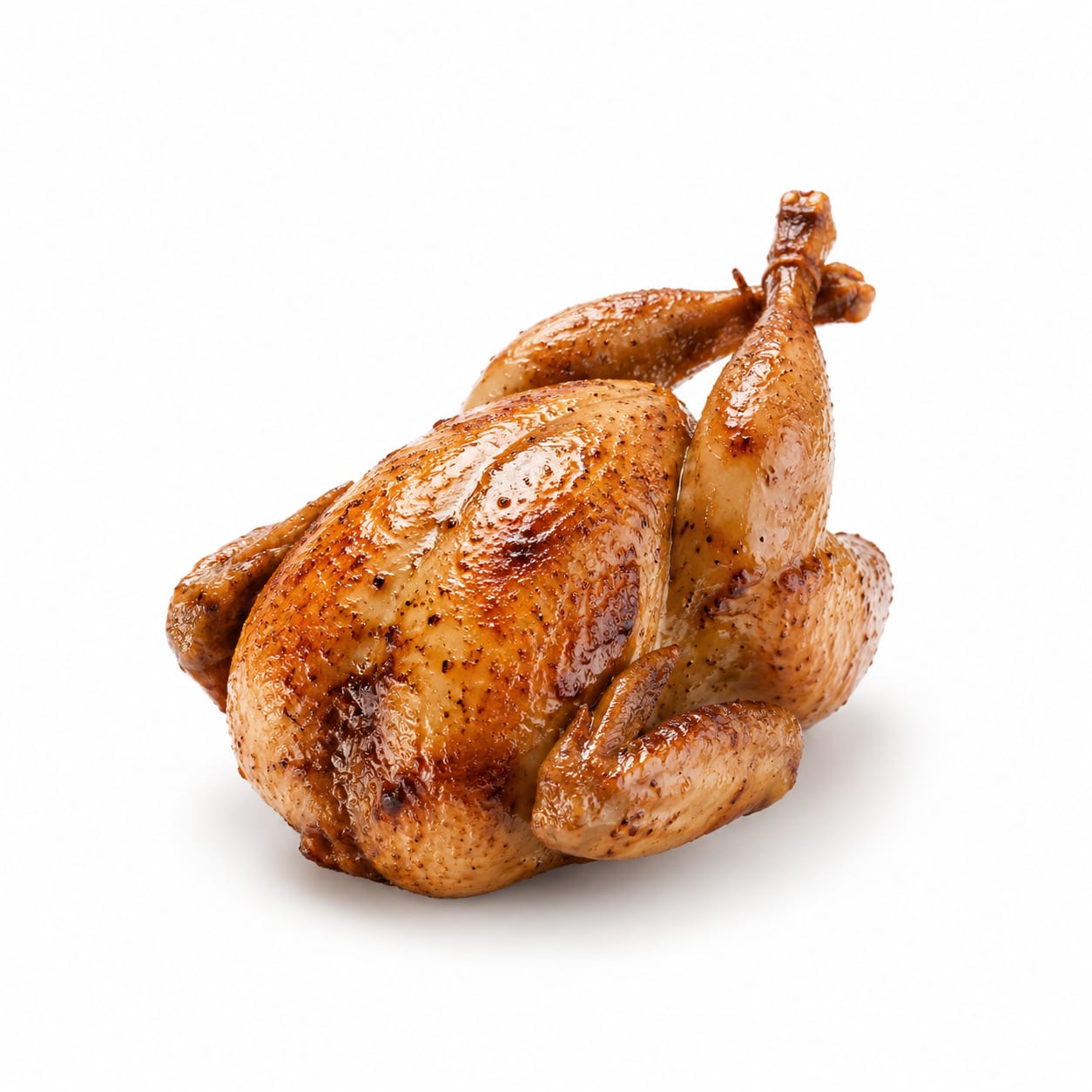
Compare with
Quail
Quail is a leaner, smaller game bird, while goose is a large, high-fat waterfowl.
Quail is significantly lower in fat than goose, offering a lighter poultry option for calorie-controlled diets.
This food
Goose
VS60% alike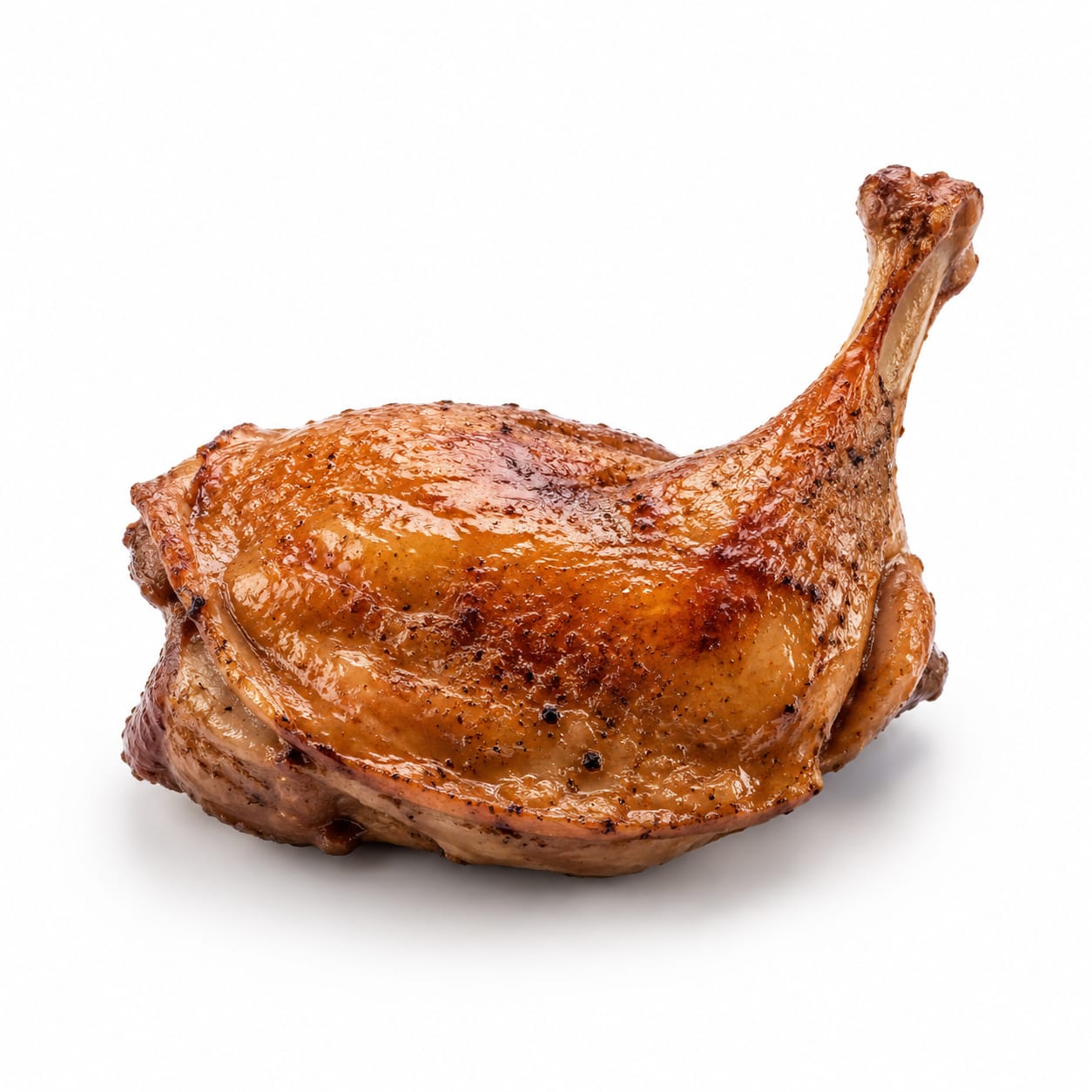
Compare with
Pheasant
Pheasant is much leaner than goose and behaves more like chicken in terms of macronutrients.
Pheasant is a lean, high-protein bird compared to the fat-heavy goose, making pheasant better for weight management.
Common questions
FAQ
Answers aligned with how people search for this food.
Is goose meat healthy?
Goose meat is highly nutritious, offering rich protein, iron, and selenium, but its high fat and calorie content means it should be eaten in moderation, especially if managing weight.
Is goose fattier than duck?
Goose and duck have similar fat profiles, but goose skin and subcutaneous fat layers are often thicker, making it slightly fattier depending on preparation.
Can you eat goose on a keto diet?
Yes, goose is excellent for a keto diet because it contains zero carbohydrates and is naturally high in fat.
Does goose meat have carbs?
No, goose meat contains zero carbohydrates, making it a purely protein and fat-based food.
Is goose good for diabetics?
Goose is safe for diabetics as it will not spike blood sugar, but it should be paired with low-carb, high-fiber vegetables for a balanced meal.
What does goose taste like?
Goose tastes similar to a rich, dark-meat chicken or duck, with a dense texture and a deeply savory, slightly gamey flavor.
Is goose red meat or poultry?
Goose is classified as poultry, but its meat is entirely dark and behaves nutritionally more like red meat due to high myoglobin and fat content.
How do you make goose less fatty?
Roasting the goose on a rack and pricking the skin allows the subcutaneous fat to render and drip away, resulting in leaner meat.
Transparency
Data confidence
Estimated confidence for nutrition data, interpretation, safety notes, and comparisons.
Nutrition data
Health analysis
Food safety
Comparisons