
Nutrition comparison
Goose vs Turkey Leg: Which Is Healthier? Nutrition & Taste Comparison
Goose is rich and indulgent but high in fat and calories. Turkey leg is lean, affordable, and better for daily eating. Compare nutrition, taste, and health tradeoffs.
Overall winner · Turkey leg
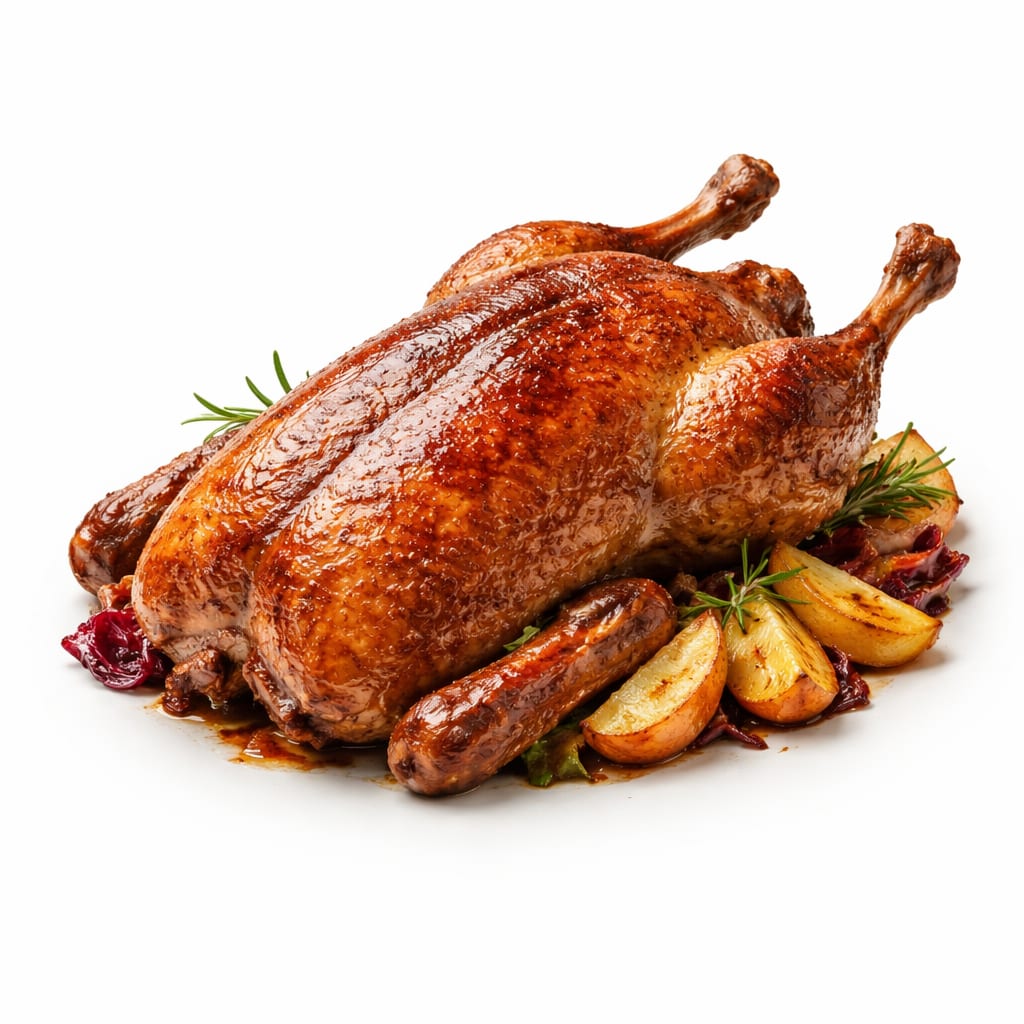
Goose
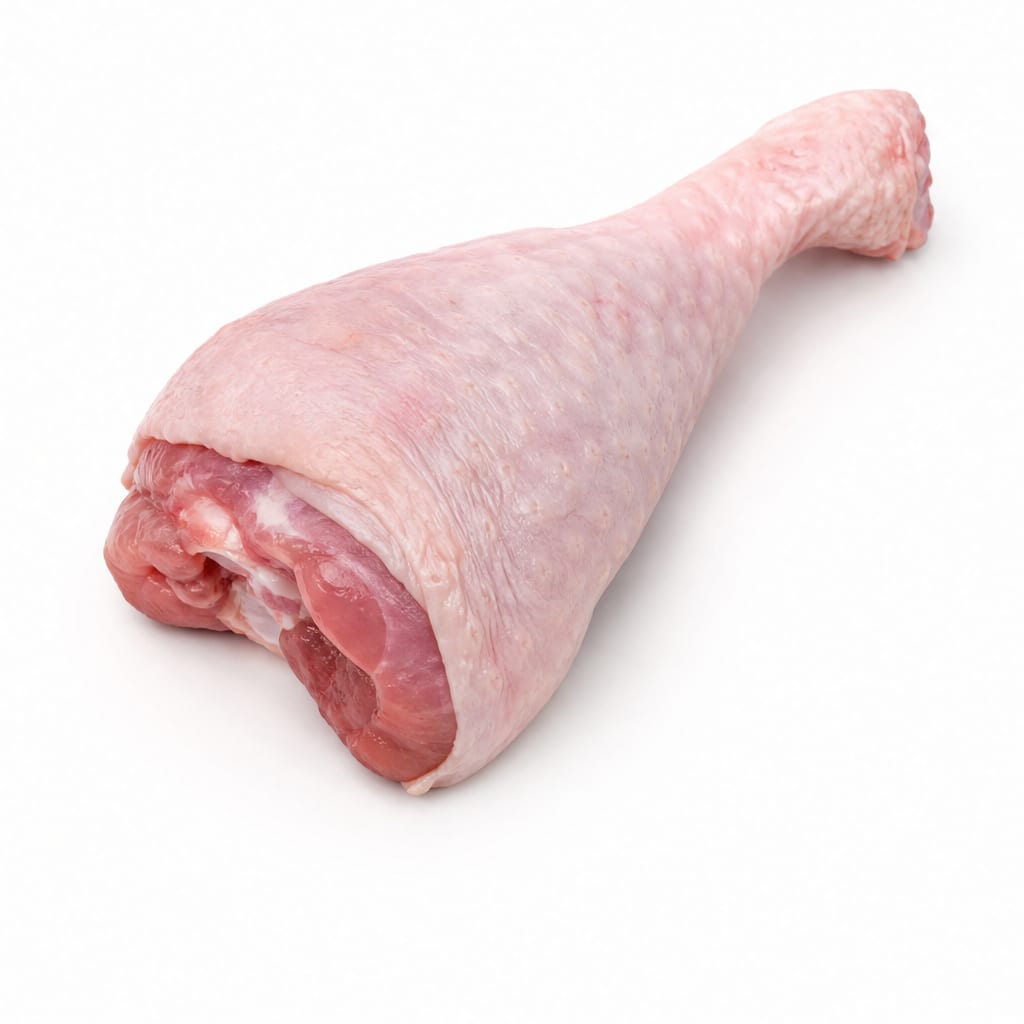
Turkey leg
Turkey leg wins for everyday eating — far leaner, more practical, and easier on your heart. Goose is a rich indulgence best enjoyed occasionally.
Turkey leg scores notably higher due to its lean protein profile, heart-friendlier fat content, and everyday practicality. Goose is not unhealthy per se, but its high fat and calorie density make it a poor choice for regular consumption.
Goose delivers luxurious flavor and satisfying richness but at a steep calorie and saturated fat cost. Turkey leg gives you comparable protein with a fraction of the fat.
At a glance
Executive summary
Overall
Turkey leg
Healthier
Turkey leg
More practical
Turkey leg
Daily use
Turkey leg
Key comparison lenses
fat and calorie tradeoff
Goose is dramatically higher in fat and calories than turkey leg, making this the dominant decision factor
protein lean vs rich
Both deliver strong protein but turkey leg is far leaner, appealing to different dietary goals
heart health cholesterol
Goose carries significantly more saturated fat and cholesterol, raising cardiovascular concerns
everyday vs occasional eating
Turkey leg is accessible and routine; goose is typically a specialty or holiday meal
satiety and fullness
Both are filling but through different mechanisms — fat-driven richness versus lean protein density
Best choice for
Goose
- Special occasion feasts and holiday meals
- People wanting maximum richness and flavor intensity
- Those on very low-carb or keto diets who welcome high fat intake
- Anyone seeking iron-dense red-style poultry meat
Turkey leg
- Weeknight dinners and meal prep
- Weight-conscious eaters wanting high protein with low fat
- Heart-health-focused individuals
- Athletes needing lean recovery protein
Least suitable for
Goose
- Anyone watching cholesterol or saturated fat intake
- Daily or frequent consumption
- Calorie-restricted diets
- People seeking light meals
Turkey leg
- Those wanting rich, indulgent flavor experiences
- Very low-carb eaters who rely on fat for energy
- People who find lean meat dry or unsatisfying
Deep comparison
Dimension by dimension
Each lens scores both foods and breaks down who each option suits.
- Dimension 1 · Priority 95Turkey leg
fat_content_and_type
Goose · 25Turkey leg · 78Goose contains roughly 3-4 times more total fat than turkey leg, with significantly more saturated fat per serving.
Tradeoff
Goose's fat is what makes it taste incredible, but it's also what makes it a cardiovascular liability if eaten often.
Why it matters
Saturated fat directly impacts LDL cholesterol. Regular high intake raises long-term heart disease risk.
Real-world impact
A single goose serving can deliver nearly a full day's worth of saturated fat, while turkey leg stays well within moderate limits.
Goose
- Keto and very low-carb dieters who want fat as fuel
- Cold-weather meals where calorie density is welcome
Better for
- Daily or frequent consumption
- People with elevated cholesterol
Worse for
Turkey leg
- Heart-conscious eaters
- Anyone tracking macros with a fat limit
- People who feel sluggish after heavy, greasy meals
Better for
- Those who find very lean meat unsatisfying and need fat to feel full
Worse for
- Dimension 2 · Priority 88Turkey leg
protein_quality_and_density
Goose · 70Turkey leg · 85Both are excellent protein sources, but turkey leg delivers more protein per calorie since it carries far less fat.
Tradeoff
Goose still has strong protein, but you pay a high calorie toll to get it. Turkey leg is more protein-efficient.
Why it matters
If you're eating to hit a protein target without overshooting calories, leaner sources get you there faster.
Real-world impact
A turkey leg easily fits into a 500-600 calorie meal. A comparable goose portion can push the same meal past 800+ calories.
Goose
- Those who prioritize eating pleasure over macro efficiency
- Very active people who can afford the extra calories
Better for
- Cutting phases where calorie control matters
Worse for
Turkey leg
- Athletes and gym-goers tracking protein per calorie
- Anyone on a calorie budget who still wants substantial protein
Better for
- Situations where fat contributes needed satiety and energy
Worse for
- Dimension 3 · Priority 85Turkey leg
calorie_density
Goose · 30Turkey leg · 75Goose is calorie-dense due to its high fat content. Turkey leg offers a much lighter calorie load for a similar portion size.
Tradeoff
Calorie-dense foods are satisfying in small amounts but make portion control harder. Turkey leg lets you eat a generous portion without calorie stress.
Why it matters
Higher calorie density often leads to unintentional overconsumption, especially with rich, flavorful meat.
Real-world impact
You can eat a large turkey leg for roughly 250-300 calories. The same weight of goose can exceed 500 calories.
Goose
- People who struggle to eat enough and need calorie density
- Outdoor workers or athletes burning 3000+ calories daily
Better for
- Sedentary individuals
- Anyone prone to overeating rich foods
Worse for
Turkey leg
- Weight management and fat loss diets
- People who like eating larger portions without guilt
Better for
- Underweight individuals needing calorie surplus
Worse for
- Dimension 4 · Priority 72It depends
satiety_and_fullness
Goose · 78Turkey leg · 76Both are highly filling, but through different mechanisms. Goose fills you with fat-driven richness; turkey leg fills you with sheer protein volume.
Tradeoff
Goose satiates faster in small amounts but can feel heavy afterward. Turkey leg takes more volume but feels lighter post-meal.
Why it matters
The type of fullness affects energy levels and comfort after eating.
Real-world impact
After goose, you may want a nap. After turkey leg, you feel satisfied but still functional.
Goose
- Those who want to feel full quickly from a small portion
- Winter comfort meals where heaviness is welcome
Better for
- Productive afternoons when you need energy
- People sensitive to heavy digestion
Worse for
Turkey leg
- Lunch or pre-activity meals where you need to stay alert
- People who dislike the sluggish feeling after fatty meals
Better for
- Those who only feel satisfied with rich, fatty mouthfeel
Worse for
- Dimension 5 · Priority 78Turkey leg
practicality_and_accessibility
Goose · 30Turkey leg · 82Turkey leg is widely available, affordable, and easy to prepare. Goose is seasonal, expensive, and harder to find.
Tradeoff
Convenience matters for consistency. The best protein source is the one you can actually eat regularly.
Why it matters
A nutritious food you never buy does nothing for your health. Accessibility drives real-world dietary patterns.
Real-world impact
Turkey legs are available at most grocery stores year-round. Goose often requires specialty butchers or advance ordering, especially outside holiday seasons.
Goose
- Celebratory meals where effort and cost are part of the experience
Better for
- Spontaneous weeknight dinners
- Budget-limited shoppers
Worse for
Turkey leg
- Weekly meal prep
- Budget-conscious households
- Quick weeknight cooking
Better for
- Culinary enthusiasts seeking novelty and challenge
Worse for
- Dimension 6 · Priority 68It depends
micronutrient_profile
Goose · 74Turkey leg · 72Both offer strong B vitamins, iron, and zinc. Goose has a slight edge in iron and B12 due to its darker, richer meat.
Tradeoff
The micronutrient gap is modest and unlikely to matter unless you eat one exclusively.
Why it matters
Iron and B12 are critical for energy and blood health, and both meats deliver well.
Real-world impact
Either choice meaningfully contributes to your daily mineral needs. The difference is marginal in a varied diet.
Goose
- People with iron deficiency who want every edge
- Those who eat poultry as their primary iron source
Better for
- Not enough of an advantage to justify the fat tradeoff for micronutrients alone
Worse for
Turkey leg
- Selenium intake is slightly stronger in turkey
- More consistent daily contributor to trace mineral needs
Better for
- Slightly less iron per serving compared to goose
Worse for
Timeline
Health impact over time
Short-term
Hours to days
Goose
- Heavy, satisfying fullness that may cause drowsiness
- High fat content slows digestion, which can feel comforting or sluggish depending on context
- Rich flavor may trigger overeating at a single meal
Turkey leg
- Clean, steady satiety without the heavy aftermath
- Easier digestion with less post-meal fatigue
- Less risk of overeating due to leaner profile
Long-term
Months to years
Goose
- Regular consumption raises saturated fat and cholesterol intake, increasing cardiovascular risk
- High calorie density contributes to weight gain if portions aren't carefully managed
- Occasional consumption is perfectly fine and adds dietary variety
Turkey leg
- Consistent lean protein supports muscle maintenance and healthy body composition
- Lower saturated fat intake aligns with heart-healthy eating patterns
- Sustainable as a regular protein staple without metabolic concerns
Risk profile
Safety & processing
Both goose and turkey leg are whole, minimally processed meats when purchased raw. The main concern is how they're prepared — smoked or deli-style turkey legs can carry added sodium and preservatives, while roasted goose is typically cooked plain.
Goose
Undercooking contamination
mediumLike all poultry, goose must reach an internal temperature of 165°F (74°C) to eliminate harmful bacteria like Salmonella.
Fat-derived compounds at high heat
lowGoose renders large amounts of fat during roasting. If drippings are reused at very high temperatures, potentially harmful compounds can form.
Turkey leg
Sodium in processed versions
mediumSmoked, deli, or pre-brined turkey legs can contain very high sodium levels. Always check labels if buying prepared versions.
Undercooking contamination
mediumSame poultry safety rules apply — cook to 165°F (74°C) internal temperature.
Who wins for whom
Audience fit
Same foods, different winners depending on your goal.
children
Turkey legTurkey leg is milder in flavor, easier to chew when properly cooked, and has a fat profile more appropriate for growing bodies.
daily consumption
Turkey legTurkey leg is affordable, accessible, lean, and sustainable as a routine protein source. Goose is too rich and calorie-dense for daily use.
diabetes
Turkey legBoth are zero-carb, but turkey leg's lower saturated fat content is better for the cardiovascular risks that disproportionately affect people with diabetes.
elderly
Turkey legLower saturated fat supports heart health, and turkey leg's softer texture when slow-cooked is easier on aging digestion.
muscle gain
Turkey legMore protein per calorie means turkey leg fits better into the high-protein, calorie-controlled diets most muscle-builders follow.
weight loss
Turkey legTurkey leg's lean profile delivers high protein with far fewer calories, making it much easier to stay in a deficit.
Your move
Decision guide
Choose Goose
- You're planning a special meal and want something luxurious and memorable
- You're on a keto or very low-carb diet and actively want higher fat intake
- You're highly active and can comfortably burn the extra calories
- You rarely eat goose and want dietary variety
Choose Turkey leg
- You want a lean, high-protein meal you can eat several times a week
- Heart health or cholesterol management is a priority
- You're meal prepping on a budget
- You prefer feeling satisfied but light after eating
Either works if
- You're eating zero-carb and both fit your macro needs
- You're rotating protein sources for variety and both sound good
- You're cooking for a group with diverse preferences
Avoid both if
- You follow a plant-based or vegetarian diet
- You have gout and are sensitive to purine-rich meats
- You're strictly limiting all animal protein for kidney-related reasons
Final recommendation
Make turkey leg your everyday poultry staple and save goose for occasions when richness and celebration matter more than macros. You get the best of both worlds — lean practicality most days, and indulgent variety when it counts.
Practical
Consumer tips
- 1
If buying turkey legs, choose raw unbrined versions over smoked or deli-style to avoid excessive sodium.
- 2
Roast goose on a rack so fat drips away from the meat — this significantly reduces the fat you actually consume.
- 3
Save rendered goose fat for occasional cooking; it's flavorful but should be used sparingly due to saturated fat content.
- 4
Slow-cook turkey legs for a tender, fall-off-the-bone texture that rivals the richness of goose without the fat.
- 5
If cholesterol is a concern, limit goose to 2-3 times per year and always pair with fiber-rich vegetables.
- 6
Both meats pair well with acidic sides like cranberry or citrus, which help cut through richness and aid iron absorption.