
Nutrition comparison
Duck vs Goose: Which Is Healthier and When to Choose Each
Compare duck and goose nutrition including calories, fat, protein, and health impact. Learn which waterfowl is better for weight loss, heart health, and everyday cooking versus holiday feasting.
Overall winner · Duck
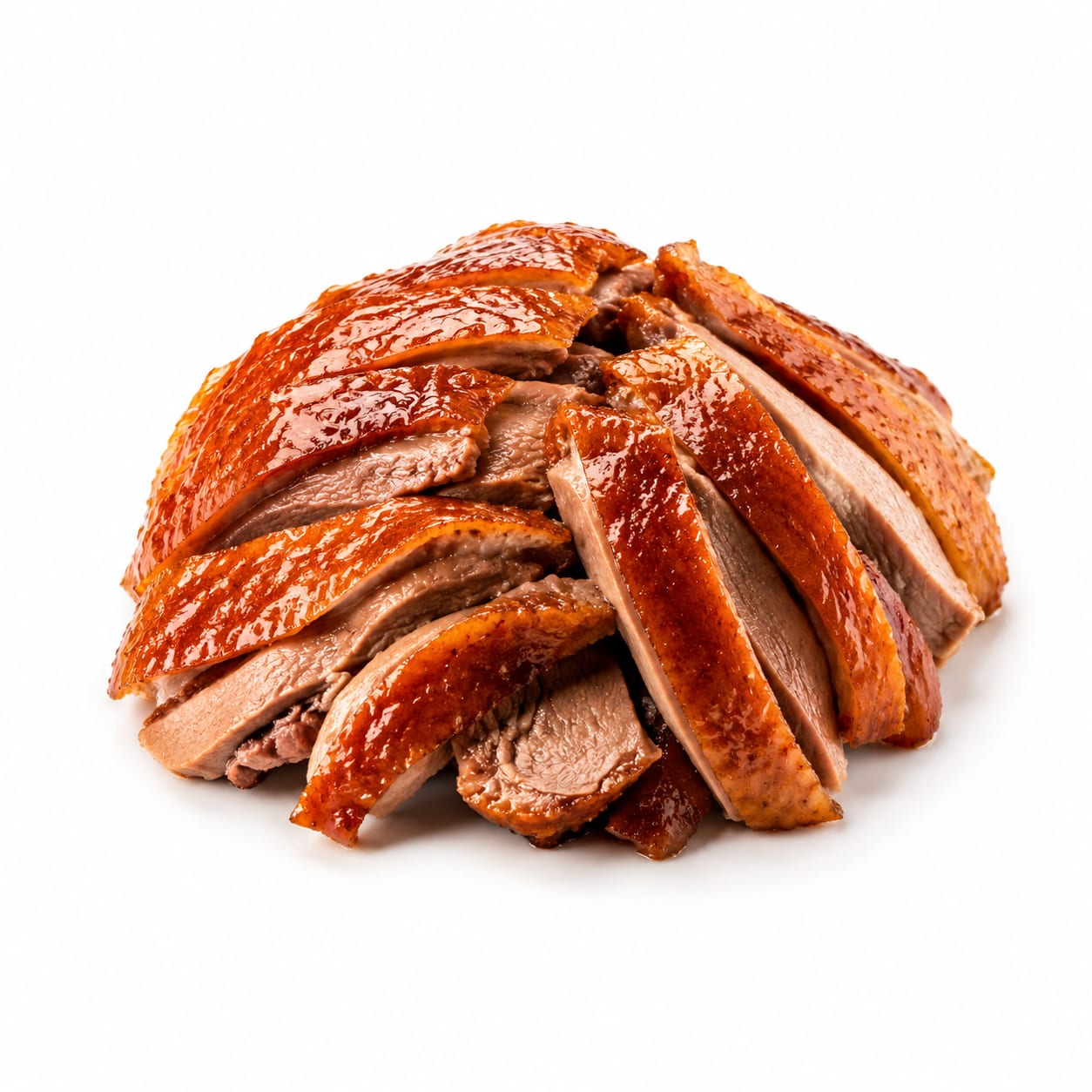
Duck
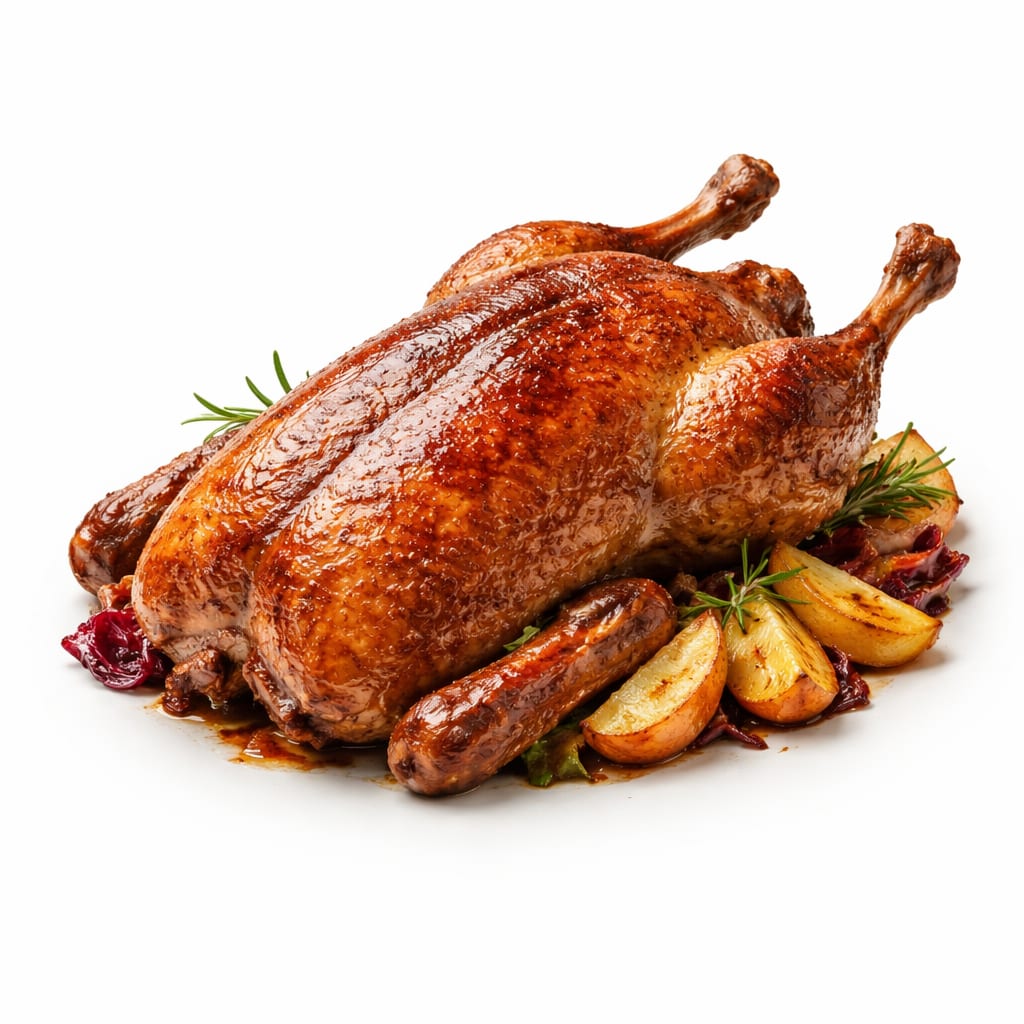
Goose
Duck is the more practical and nutritionally balanced choice for regular eating, while goose is a richer, more indulgent option best saved for special occasions.
Duck scores meaningfully higher due to better fat-to-protein ratio, wider availability, and more manageable portion sizes. Goose loses ground on calorie density and everyday practicality, though it excels in flavor intensity and festive appeal.
Duck gives you similar flavor satisfaction with noticeably less fat and fewer calories, but goose delivers a more intense, luxurious eating experience at a higher metabolic cost.
At a glance
Executive summary
Overall
Duck
Healthier
Duck
More practical
Duck
Daily use
Duck
Key comparison lenses
Fat content and heart health impact
Both are high-fat poultry, but goose is significantly fattier, making cardiovascular impact the primary concern
Calorie density for weight management
Goose packs substantially more calories per serving, which matters for portion control and weight goals
Protein quality and muscle support
Both provide solid protein but differ in protein-to-fat ratio, affecting how efficiently you get amino acids
Practicality and everyday usability
Duck is far more available and versatile for regular cooking, while goose is largely seasonal
Iron and micronutrient density
Both are strong iron sources compared to chicken, with meaningful differences in B-vitamin content
Best choice for
Duck
- Weeknight dinners where you want rich flavor without excessive calories
- People monitoring saturated fat intake but still wanting flavorful poultry
- Regular rotation protein that feels special without the holiday price tag
- Smaller households wanting a manageable portion size
Goose
- Holiday feasts and celebratory meals where indulgence is the point
- Large gatherings where feeding many people from one bird matters
- Those wanting maximum flavor intensity and traditional ceremonial dining
Least suitable for
Duck
- Those seeking the most dramatic, show-stopping centerpiece for a feast
- Very large gatherings where a bigger bird is needed
Goose
- Anyone strictly managing calorie intake or saturated fat
- Weeknight cooking due to size, cost, and preparation demands
- Small households that would waste most of the meat
Deep comparison
Dimension by dimension
Each lens scores both foods and breaks down who each option suits.
- Dimension 1 · Priority 95Duck
Fat Content and Heart Health
Duck · 55Goose · 35Duck is fatty, but goose is substantially fattier, with nearly double the saturated fat per serving.
Tradeoff
Both birds require skin removal if you want to meaningfully reduce fat, but even skinless goose remains higher in fat than skinless duck.
Why it matters
Regular high saturated fat intake raises LDL cholesterol over time, making duck the less risky choice for heart-conscious eaters.
Real-world impact
A duck breast dinner feels rich but manageable. A goose dinner can leave you feeling heavier and more sluggish afterward.
Duck
- People with family history of heart disease
- Those who want rich poultry more than once a month
Better for
- Those who assume duck is lean — it is not, and overconsumption still carries cardiovascular risk
Worse for
Goose
- Active individuals burning high calories who need energy-dense meals
Better for
- Anyone with elevated cholesterol trying to reduce saturated fat
- People who feel sluggish after heavy, greasy meals
Worse for
- Dimension 2 · Priority 88Duck
Calorie Density and Weight Management
Duck · 52Goose · 30Goose delivers roughly 50% more calories per serving than duck, making portion control far more important.
Tradeoff
Duck lets you enjoy a satisfying portion without blowing your calorie budget. Goose demands either a smaller portion or accepting a calorie-heavy meal.
Why it matters
If you eat until satisfied rather than weighing portions, goose will silently deliver far more calories than you expect.
Real-world impact
A typical duck breast serving runs around 250-300 calories with skin. A comparable goose portion can easily exceed 400-450 calories.
Duck
- Anyone tracking calories for weight loss or maintenance
- People who eat by hunger cues rather than measuring portions
Better for
- Those who eat duck frequently assuming it is similar to chicken — it is much calorie-denser
Worse for
Goose
- Underweight individuals needing calorie-dense options
- Athletes in heavy training phases needing serious caloric intake
Better for
- Anyone prone to overeating rich foods
- People trying to lose weight who enjoy festive meals
Worse for
- Dimension 3 · Priority 75Duck
Protein Quality and Muscle Support
Duck · 72Goose · 60Duck provides more protein per calorie, making it a more efficient muscle-building choice.
Tradeoff
Goose still delivers solid protein, but you consume far more fat to get the same amount of amino acids.
Why it matters
If you are eating poultry primarily for protein, duck gives you a better protein-to-fat ratio and more efficient muscle support.
Real-world impact
To get 30g of protein from duck, you consume less total fat. From goose, that same 30g comes with significantly more fat calories attached.
Duck
- Athletes and gym-goers prioritizing protein efficiency
- Anyone doing high-protein, moderate-fat dietary approaches
Better for
- Those expecting lean protein comparable to chicken breast — duck is not that
Worse for
Goose
- Endurance athletes who actually need high fat intake for sustained energy
Better for
- People on high-protein, low-fat diets who would struggle with the fat load
Worse for
- Dimension 4 · Priority 65Goose
Iron and Micronutrient Density
Duck · 68Goose · 74Goose edges ahead on iron and several B vitamins, particularly B6 and riboflavin, due to its darker, more active muscle tissue.
Tradeoff
The micronutrient advantage is real but modest, and comes packaged with significantly more fat and calories.
Why it matters
For people with iron deficiency or higher iron needs, goose offers slightly more bioavailable heme iron per serving.
Real-world impact
If you are specifically trying to boost iron intake, goose gives a slight edge. But duck is still far superior to chicken or turkey for iron content.
Duck
- People wanting strong iron intake without excessive calories
- Those who already get adequate iron and do not need to maximize it
Better for
- Those relying on it as a primary iron source who could benefit from goose's slightly higher content
Worse for
Goose
- Women with heavy menstrual cycles needing maximum iron
- People diagnosed with iron deficiency seeking food-based sources
Better for
- People with hemochromatosis or iron overload conditions
Worse for
- Dimension 5 · Priority 70Duck
Practicality and Everyday Usability
Duck · 78Goose · 35Duck is widely available year-round and comes in manageable cuts. Goose is seasonal, expensive, and requires cooking a whole large bird.
Tradeoff
Duck breasts and legs are easy to find and cook like any other protein. Goose is essentially a holiday project requiring planning, space, and time.
Why it matters
The best protein for you is one you can actually source and cook regularly without it feeling like an ordeal.
Real-world impact
You can pick up duck breasts at most grocery stores and pan-sear them in 15 minutes. Goose requires ordering ahead, hours of roasting, and dealing with massive amounts of rendered fat.
Duck
- Busy home cooks wanting rich flavor without all-day preparation
- People who shop at regular grocery stores rather than specialty butchers
Better for
- Those wanting a dramatic, multi-hour cooking experience with dramatic presentation
Worse for
Goose
- Those who enjoy slow, ceremonial cooking as part of the experience
- Cooks who value rendered goose fat as a cooking byproduct for later use
Better for
- Anyone cooking for one or two people — a goose produces far too much food
- Apartment dwellers without oven space for a large bird
Worse for
- Dimension 6 · Priority 60Goose
Flavor Intensity and Eating Satisfaction
Duck · 75Goose · 85Goose delivers a deeper, more intensely savory flavor with richer, more unctuous meat. Duck is flavorful but more restrained.
Tradeoff
Goose's flavor intensity makes it unforgettable but also more polarizing and harder to pair with lighter sides.
Why it matters
For special occasions, that hit of intense flavor can be worth the caloric cost. For regular meals, duck's balanced richness is more sustainable.
Real-world impact
Goose tastes like a celebration. Duck tastes like an elevated weeknight. Both are delicious, but they serve different emotional purposes.
Duck
- People who enjoy rich poultry but still want to taste their side dishes
- Those who prefer balanced, nuanced flavors over intensity
Better for
- Those who find duck too mild compared to its reputation
Worse for
Goose
- Adventurous eaters seeking the most dramatic flavor experience
- Fans of confit and slow-cooked, fall-apart texture
Better for
- Diners sensitive to very rich, fatty flavors who might find goose overwhelming
Worse for
Timeline
Health impact over time
Short-term
Hours to days
Duck
- Noticeable fullness and satisfaction after eating due to fat and protein content
- Possible sluggishness if you eat a large portion with skin
- Steadier blood sugar response than carbohydrate-heavy meals due to near-zero carbs
Goose
- Heavy, prolonged fullness that can border on uncomfortable after a large serving
- More pronounced post-meal sluggishness due to higher fat load
- Very stable blood sugar but at the cost of significant caloric intake
Long-term
Months to years
Duck
- Moderate consumption supports iron status and B-vitamin intake effectively
- Frequent consumption with skin may gradually raise LDL cholesterol
- More sustainable as an occasional luxury protein in a balanced diet
Goose
- Regular consumption would likely contribute to elevated saturated fat intake beyond recommendations
- Strong iron and B-vitamin support if consumed even monthly
- Best treated as an occasional indulgence rather than a dietary staple
Risk profile
Safety & processing
Both duck and goose are whole, minimally processed proteins when purchased as raw meat. Concerns arise mainly with pre-seasoned or smoked versions, which may contain added sodium, nitrates, or preservatives. Fresh or frozen whole birds and bone-in cuts are the cleanest options for both.
Duck
Undercooking and foodborne illness
mediumDuck must be cooked to safe internal temperatures like all poultry. Unlike beef, there is no safe medium-rare for duck despite some restaurant preparations suggesting otherwise.
Contamination from skin bacteria
lowAs with all poultry, the skin surface can harbor bacteria. Proper handling and handwashing after preparation are essential.
Goose
Undercooking a large bird
mediumGoose's large size makes it harder to cook evenly throughout. The interior near bones may remain undercooked even when outer areas appear done.
Fat fire risk during roasting
mediumGoose renders enormous amounts of fat during cooking, which can cause flare-ups or oven smoke if not managed with proper roasting pans and frequent fat draining.
Storage and leftover safety
lowThe large volume of leftovers from a goose must be refrigerated promptly and consumed within a few days to avoid spoilage.
Who wins for whom
Audience fit
Same foods, different winners depending on your goal.
children
DuckDuck portions are more child-appropriate in size, and the flavor is rich but not overwhelming. Goose can be too fatty and intense for many children's palates.
daily consumption
DuckNeither should be daily due to high saturated fat, but duck is far more practical for weekly inclusion. Goose is best reserved for monthly or seasonal occasions.
diabetes
DuckBoth have minimal carbs and will not spike blood sugar, but duck's lower calorie and fat load makes it easier to manage alongside the weight concerns common with type 2 diabetes.
elderly
DuckDuck is easier to source, prepare, and digest in moderate portions. Goose's heaviness and preparation demands make it less suitable for older adults cooking for themselves.
muscle gain
DuckDuck delivers more protein per calorie consumed, making it a more efficient choice for building muscle without excessive fat intake.
weight loss
DuckDuck provides rich flavor satisfaction with fewer calories per serving, making it easier to fit into a calorie-controlled plan without feeling deprived.
Your move
Decision guide
Choose Duck
- You want rich poultry flavor more regularly without the calorie hit of goose
- You are cooking for a small household and do not need a massive bird
- You care about protein efficiency and want more protein per calorie
- You want something special-feeling for a weeknight dinner
- You are watching saturated fat but still want to enjoy flavorful meat
Choose Goose
- You are hosting a holiday feast and want a dramatic centerpiece
- You are an active person who burns through high-calorie meals easily
- You specifically want to maximize iron intake from food sources
- You enjoy slow, ceremonial cooking and the experience of roasting a whole bird
- You want to render fat for cooking other dishes later
Either works if
- You are comfortable with high-fat poultry and just want the best available option
- You are serving a crowd with diverse preferences where both would be appreciated
Avoid both if
- You have severe hypercholesterolemia and need to minimize saturated fat strictly
- You are looking for a lean, everyday protein — choose chicken breast or turkey instead
- You are on a very low-fat diet for medical reasons such as gallbladder disease
Final recommendation
Duck is the smarter default for most people most of the time. It delivers the luxurious flavor experience you want from waterfowl without the extreme fat and calorie load of goose. Save goose for the holidays and special occasions where its dramatic presence and intense richness are worth the indulgence. For any regular rotation, duck gives you more flexibility, better portion control, and easier access at the grocery store.
Practical
Consumer tips
- 1
Remove the skin from either bird to cut saturated fat by roughly half — the meat underneath is still flavorful and much leaner
- 2
Pan-sear duck breasts skin-side down to render fat and get crispy skin while keeping the meat pink and tender inside
- 3
If roasting goose, prick the skin generously and roast on a rack to allow fat to drain — you will get crisper skin and less greasy meat
- 4
Save rendered fat from either bird — duck fat is excellent for roasting potatoes, and goose fat is prized for the same purpose
- 5
Both birds pair well with acidic sides like braised red cabbage or fruit-based sauces to cut through the richness
- 6
Buy duck breasts individually for weeknight cooking rather than committing to a whole bird
- 7
Goose is typically only available fresh from October through January in most markets — plan accordingly or buy frozen
- 8
Check sodium content on pre-seasoned or smoked duck products, which can be surprisingly high