
Nutrition comparison
Goose vs Turkey Breast: Which Is Healthier for Daily Eating?
Compare goose and turkey breast nutrition — protein, fat, calories, and health impact. Turkey breast wins for daily lean protein; goose is best saved for special occasions.
Overall winner · Turkey breast
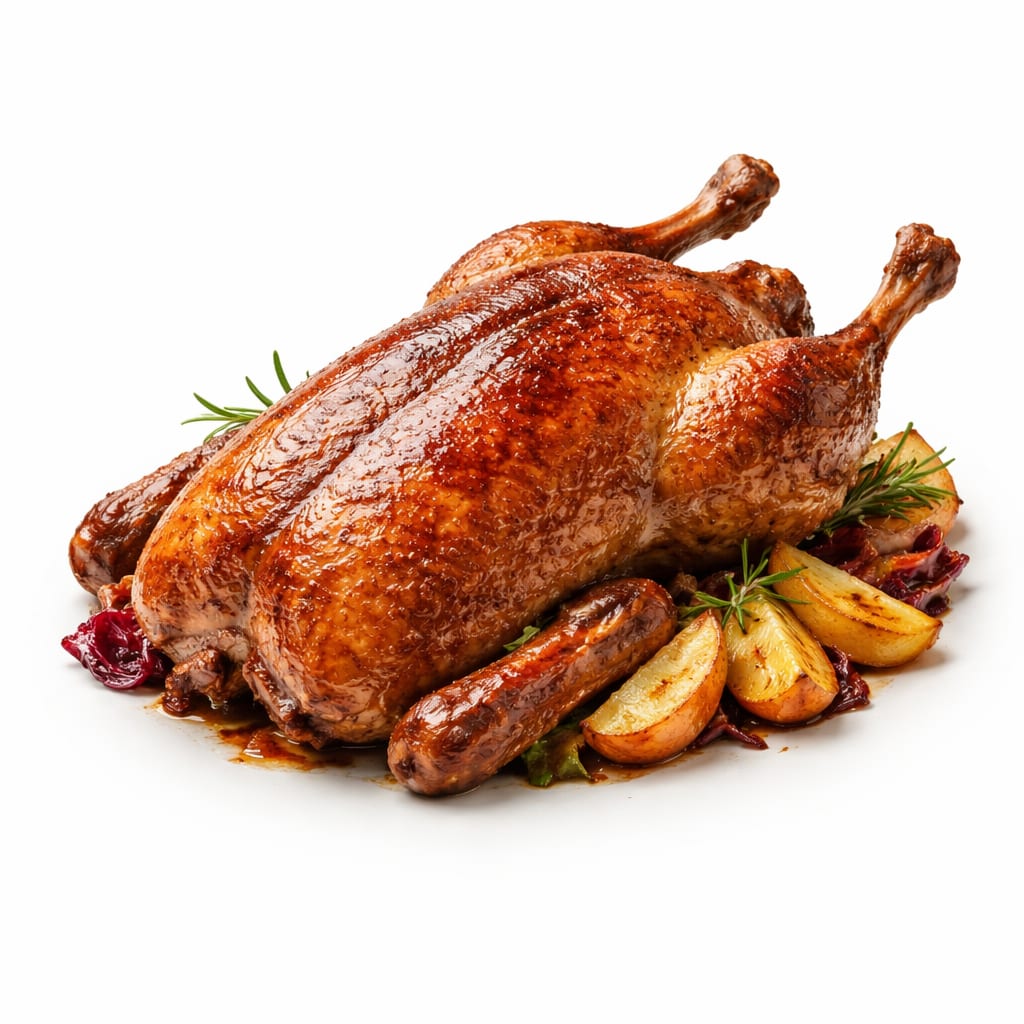
Goose
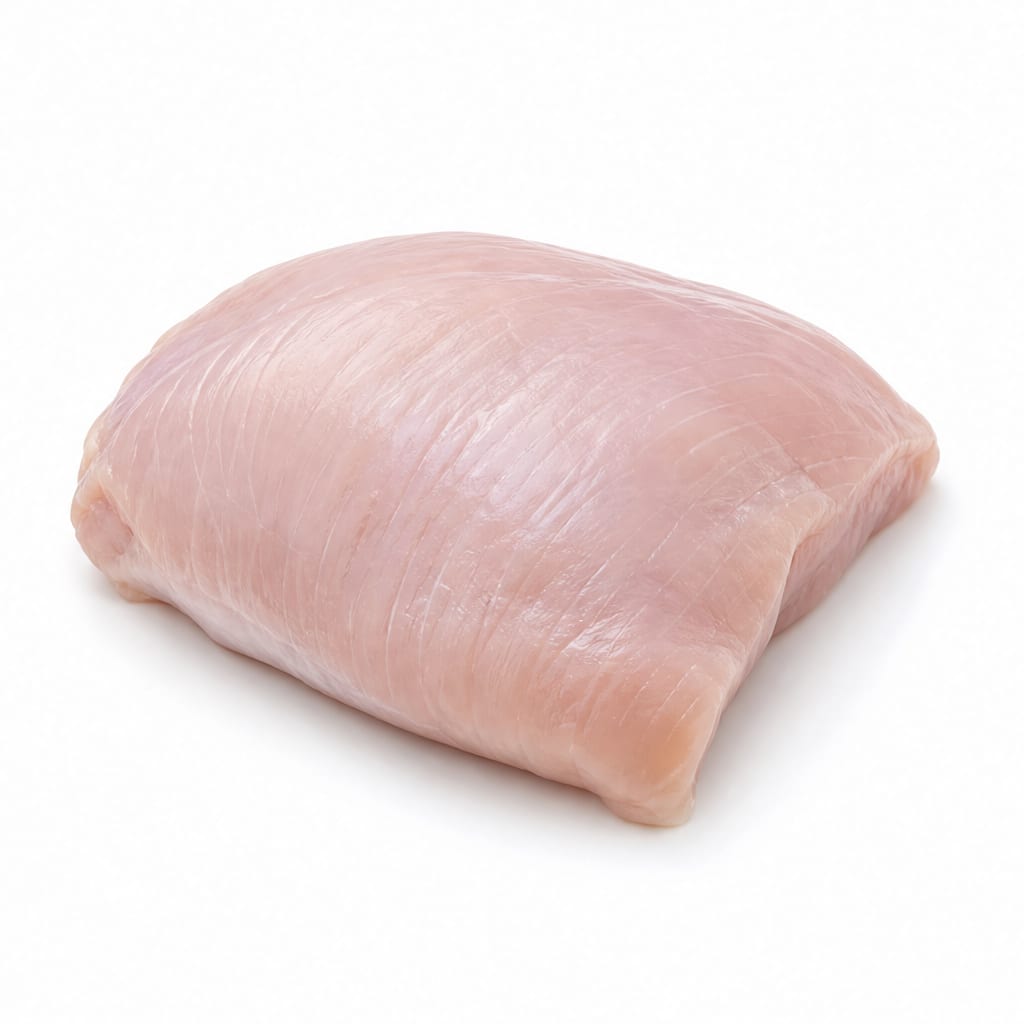
Turkey breast
Turkey breast is the smarter everyday choice with far more protein per calorie and a fraction of the fat. Goose delivers a richer, more indulgent eating experience best reserved for special occasions.
Turkey breast scores significantly higher due to its superior protein-to-calorie ratio, heart-health profile, and everyday practicality. Goose is not unhealthy in isolation but its high fat and calorie load makes it a poor choice for regular consumption.
Flavor and satisfaction versus leanness and calorie control — goose tastes luxurious but costs you heavily in saturated fat and calories, while turkey breast is almost pure protein with minimal fat but can feel dry or bland without preparation effort.
At a glance
Executive summary
Overall
Turkey breast
Healthier
Turkey breast
More practical
Turkey breast
Daily use
Turkey breast
Key comparison lenses
lean protein vs rich flavor tradeoff
This is the core tension: turkey breast delivers maximum protein with minimal fat, while goose offers a richer eating experience at a caloric cost
weight management and calorie control
The calorie gap between these two is massive, making this critical for anyone watching intake
heart health and cholesterol concerns
Goose is significantly higher in saturated fat and cholesterol, raising cardiovascular considerations
everyday vs special occasion eating
Goose is traditionally a celebratory meal while turkey breast is a weekly staple for many households
micronutrient density comparison
Both offer strong nutrient profiles but in different ways — goose excels in iron and B12 while turkey provides selenium and B3
Best choice for
Goose
- Special occasion meals where indulgence is intentional
- People needing extra calories and fat in their diet
- Those prioritizing iron and B12 intake
- Cold-weather meals where rich, warming food feels right
- Culinary enthusiasts who value traditional flavor
Turkey breast
- Daily lean protein needs
- Weight loss or calorie-controlled diets
- Heart-conscious eaters managing cholesterol
- Athletes and bodybuilders tracking macros
- Meal preppers wanting versatile, affordable protein
Least suitable for
Goose
- Anyone on a calorie-restricted diet
- People managing high cholesterol or heart disease
- Daily meal planning — too heavy and expensive
- Those who dislike fatty meats
Turkey breast
- People who find lean meats unsatisfying and end up overeating later
- Those needing calorie density for weight gain
- Special occasions where a show-stopping centerpiece matters
- Anyone bored by mild flavors who struggles with dietary adherence
Deep comparison
Dimension by dimension
Each lens scores both foods and breaks down who each option suits.
- Dimension 1 · Priority 95Turkey breast
protein_efficiency
Goose · 45Turkey breast · 95Turkey breast is one of the most protein-dense foods available, delivering roughly 30g protein per 100g with almost no fat. Goose provides decent protein but much of its calorie content comes from fat instead.
Tradeoff
You get more total calories from goose but far less protein per calorie eaten, making it inefficient for muscle building or satiety from protein alone.
Why it matters
If you are eating meat primarily for protein — as most health-conscious people are — turkey breast gives you dramatically more of what you want per bite.
Real-world impact
A turkey breast dinner leaves you full from protein without feeling heavy. A goose dinner fills you up from fat, which can feel sluggish afterward.
Goose
- Meals where calorie density is actually desired
Better for
- Anyone tracking protein grams per calorie
Worse for
Turkey breast
- Post-workout recovery meals
- High-protein diets where every calorie must earn its protein
- Cutting phases for athletes
Better for
- Situations where extreme leanness causes early hunger return
Worse for
- Dimension 2 · Priority 90Turkey breast
fat_profile_and_heart_health
Goose · 30Turkey breast · 90Goose contains roughly 7-10 times more fat than turkey breast, with a significant portion being saturated. Turkey breast is one of the leanest meats you can eat.
Tradeoff
Goose provides some beneficial monounsaturated fats but the saturated fat load is substantial enough to warrant caution for anyone with cardiovascular concerns.
Why it matters
Regular consumption of high-saturated-fat meats raises LDL cholesterol over time, while lean poultry actively supports heart-healthy eating patterns.
Real-world impact
Eating goose weekly would likely show up in bloodwork. Turkey breast can be eaten daily without lipid concerns for most people.
Goose
- Keto or very-low-carb diets where fat intake is intentional
Better for
- Anyone with existing heart disease or high LDL
- People on statins or lipid-lowering protocols
Worse for
Turkey breast
- Heart-healthy eating patterns
- Mediterranean-style diets emphasizing lean protein
- Cholesterol management
Better for
- Very low-fat diets that have caused gallbladder issues for some
Worse for
- Dimension 3 · Priority 75It depends
micronutrient_density
Goose · 75Turkey breast · 72Goose wins on iron and vitamin B12, while turkey breast excels in selenium and niacin. Both are strong nutrient sources but in different ways.
Tradeoff
The micronutrient advantage of goose comes packaged with far more calories and fat, so you pay a higher caloric price for those nutrients.
Why it matters
Iron and B12 are common deficiencies, especially for women and older adults. Selenium is crucial for thyroid and immune function.
Real-world impact
If you are anemic or B12-deficient, goose could help more per serving. For general immune and thyroid support, turkey breast delivers selenium efficiently.
Goose
- People with iron deficiency or low B12
- Women of reproductive age who need more iron
Better for
- Anyone who already has adequate iron stores — excess iron is not beneficial
Worse for
Turkey breast
- Those focused on selenium for thyroid health
- People getting iron from other sources already
Better for
- Those relying solely on turkey breast for B12 and iron intake
Worse for
- Dimension 4 · Priority 80It depends
satiety_and_satisfaction
Goose · 80Turkey breast · 70Goose is more immediately satisfying due to its fat content, which enhances flavor and slows digestion. Turkey breast provides strong protein-driven satiety but can feel less indulgent.
Tradeoff
Fat-driven satiety from goose feels richer and more comforting, but protein-driven satiety from turkey breast lasts longer with fewer calories.
Why it matters
Meals that feel satisfying prevent snacking later. But satisfaction comes from both fullness and enjoyment — goose wins on enjoyment, turkey on efficient fullness.
Real-world impact
After goose, you likely will not want dessert. After turkey breast, you might crave something rich unless you add healthy fats to the plate.
Goose
- Celebratory meals where satisfaction matters more than efficiency
- People who feel deprived on lean diets and need richer food to stick with eating changes
Better for
- People who find rich food triggers overeating
Worse for
Turkey breast
- Portion-controlled eating where you want fullness without excess calories
- Multiple meals per day where heavy food would cause sluggishness
Better for
- Those who find lean meat leaves them hunting for snacks an hour later
Worse for
- Dimension 5 · Priority 70Turkey breast
practicality_and_accessibility
Goose · 35Turkey breast · 90Turkey breast is available year-round in every grocery store, affordable, and easy to prepare. Goose is seasonal, expensive, and requires more cooking skill.
Tradeoff
Choosing goose means planning ahead, spending more, and investing cooking effort. Turkey breast can be a weeknight staple with minimal fuss.
Why it matters
The best protein source is the one you can consistently prepare and eat. Accessibility drives adherence more than nutrition theory.
Real-world impact
Turkey breast can be meal-prepped on Sunday for the whole week. Goose is typically a project meal requiring hours and planning.
Goose
- Holiday traditions and intentional slow-cooking experiences
Better for
- Anyone without access to specialty butchers
- Weeknight dinner needs
Worse for
Turkey breast
- Busy professionals needing quick protein
- Meal preppers cooking in batches
- Budget-conscious households
Better for
- Culinary experiences where the process matters as much as the nutrition
Worse for
- Dimension 6 · Priority 88Turkey breast
calorie_efficiency
Goose · 25Turkey breast · 95Turkey breast delivers roughly 135 calories per 100g with 30g protein. Goose delivers approximately 370 calories per 100g with 25g protein. The calorie-to-protein ratio is dramatically different.
Tradeoff
If you need calories, goose provides them abundantly. If you are watching calories, goose uses up your daily budget very quickly for relatively little protein return.
Why it matters
For most adults in sedentary to moderately active lifestyles, calorie efficiency determines whether a food supports or undermines health goals.
Real-world impact
A single goose portion can consume a third of your daily calories. Turkey breast portions are easy to fit into virtually any meal plan.
Goose
- Underweight individuals needing calorie density
- Athletes in intense training phases burning 4000+ calories daily
Better for
- Sedentary individuals — the calories add up fast
- Anyone tracking calories with an app
Worse for
Turkey breast
- Anyone in a calorie deficit
- People who eat frequent meals and need each one to be light
- Older adults with reduced calorie needs but high protein needs
Better for
- Hard gainers who struggle to eat enough calories
Worse for
Timeline
Health impact over time
Short-term
Hours to days
Goose
- Heavy, satisfying fullness that can border on uncomfortable if portions are large
- Slower digestion due to high fat content — you stay full longer but may feel sluggish
- Warming, comforting sensation that feels appropriate in cold weather
Turkey breast
- Clean, light energy without digestive heaviness
- Quick satiety from protein that may fade faster without added fats or fiber
- Easy to eat multiple times per day without feeling weighed down
Long-term
Months to years
Goose
- Regular consumption would likely raise LDL cholesterol and total cholesterol
- High calorie intake from frequent goose meals could contribute to weight gain
- Iron and B12 benefits are real but obtainable from leaner sources
- Occasional consumption (holidays) has negligible health impact for most people
Turkey breast
- Consistent lean protein intake supports muscle maintenance, especially important with aging
- Heart-friendly lipid profile when replacing fattier meats in the diet
- Very low fat intake long-term may require intentional addition of healthy fats from other sources
- Boring repetition without recipe variety could lead to diet fatigue and abandonment
Risk profile
Safety & processing
Both whole goose and whole turkey breast are minimally processed when purchased as raw meat. However, deli-sliced turkey breast often contains sodium, nitrates, and preservatives — always check labels if buying pre-sliced.
Goose
Undercooking contamination
mediumLike all poultry, goose must be cooked to an internal temperature of 165°F (74°C). The dense meat and fat layer can make it harder to verify doneness compared to thinner turkey breast cuts.
High environmental contaminant load
lowWaterfowl like goose can accumulate environmental contaminants from their diet more than land-raised poultry, though farmed goose generally poses low risk.
Turkey breast
Processed deli meat concerns
mediumIf purchasing pre-sliced deli turkey breast, sodium nitrite and other preservatives may be present. These are linked to increased cancer risk with regular consumption. Choose fresh unprocessed turkey breast when possible.
Salmonella risk
lowStandard poultry safety applies — proper handling and cooking eliminates risk. Turkey breast's thinner profile actually makes it easier to verify safe cooking temperatures.
Who wins for whom
Audience fit
Same foods, different winners depending on your goal.
children
Turkey breastTurkey breast is easier for children to chew and digest, and its milder flavor is more widely accepted. Goose fat and richness can be overwhelming for young palates.
daily consumption
Turkey breastDaily eating demands calorie efficiency, affordability, and health sustainability. Turkey breast excels on all three. Goose is too calorie-dense and expensive for regular use.
diabetes
Turkey breastBoth meats have zero carbohydrates, but turkey breast's lower saturated fat content is preferable for cardiovascular risk management in diabetes, where heart disease risk is already elevated.
elderly
Turkey breastOlder adults need high protein with minimal calories and heart-friendly fat profiles. Turkey breast fits perfectly. Goose's saturated fat and calorie load are counterproductive for most seniors.
muscle gain
Turkey breastMuscle building requires high protein intake within a manageable calorie budget. Turkey breast delivers more protein per calorie, making it easier to hit macro targets without overshooting calories.
weight loss
Turkey breastTurkey breast provides maximum protein with minimal calories, making it the gold standard for weight loss diets. Goose's calorie density works against fat loss goals.
Your move
Decision guide
Choose Goose
- You are planning a special occasion meal and want something memorable and rich
- You are underweight or have high calorie needs and benefit from calorie-dense foods
- You are on a ketogenic diet and actively seeking high-fat protein sources
- You have low iron or B12 and want a food that delivers both in abundance
- You simply love the taste of goose and are eating it mindfully as an occasional indulgence
Choose Turkey breast
- You need a reliable daily lean protein source for weight management or muscle maintenance
- You are managing cholesterol, blood pressure, or cardiovascular risk factors
- You meal prep and want a versatile protein that works in sandwiches, salads, and stir-fries
- You are an athlete tracking macros and needing efficient protein delivery
- You want to eat poultry multiple times per week without calorie or fat concerns
Either works if
- You have no specific health concerns and enjoy variety in your protein sources
- You are eating a balanced diet with plenty of vegetables and healthy fats from other sources
- You rotate proteins throughout the week and both fit your budget and preferences
Avoid both if
- You follow a plant-based or vegetarian diet
- You have gout and are sensitive to purine-rich meats — both are moderate-to-high in purines
- You have a poultry allergy
Final recommendation
Make turkey breast your everyday protein and save goose for celebrations. This is not because goose is bad — it is a delicious traditional food — but because its calorie and fat profile makes it a luxury your body can only handle occasionally. Turkey breast gives you the protein you need without the saturated fat you do not, and it is affordable enough to eat regularly. If you do indulge in goose, balance the plate with plenty of vegetables and skip the heavy sides.
Practical
Consumer tips
- 1
If buying turkey breast, choose whole unprocessed cuts over deli slices to avoid sodium nitrites and excess salt
- 2
Roast goose on a rack so fat drains away — this reduces the final fat content significantly compared to pan-cooking
- 3
Pair turkey breast with olive oil, avocado, or nuts to add healthy fats that make the meal more satisfying without saturated fat
- 4
Goose fat saved from roasting is prized in cooking and is actually lower in saturated fat than butter — reuse it rather than discarding
- 5
If turkey breast feels too dry, brine it before cooking or slice it thinner for sandwiches with moisture from toppings
- 6
Check country of origin labels — free-range and organic options for both meats reduce antibiotic and pesticide exposure
- 7
For goose, consider portion size — half a breast is usually sufficient given the richness, unlike turkey breast where a full portion feels appropriate