
Nutrition comparison
Goose vs Quail: Nutrition, Taste, and Health Comparison
Comparing Goose and Quail: Discover which bird is leaner, which has more iron, and which is better for your health and dinner table.
Overall winner · Quail
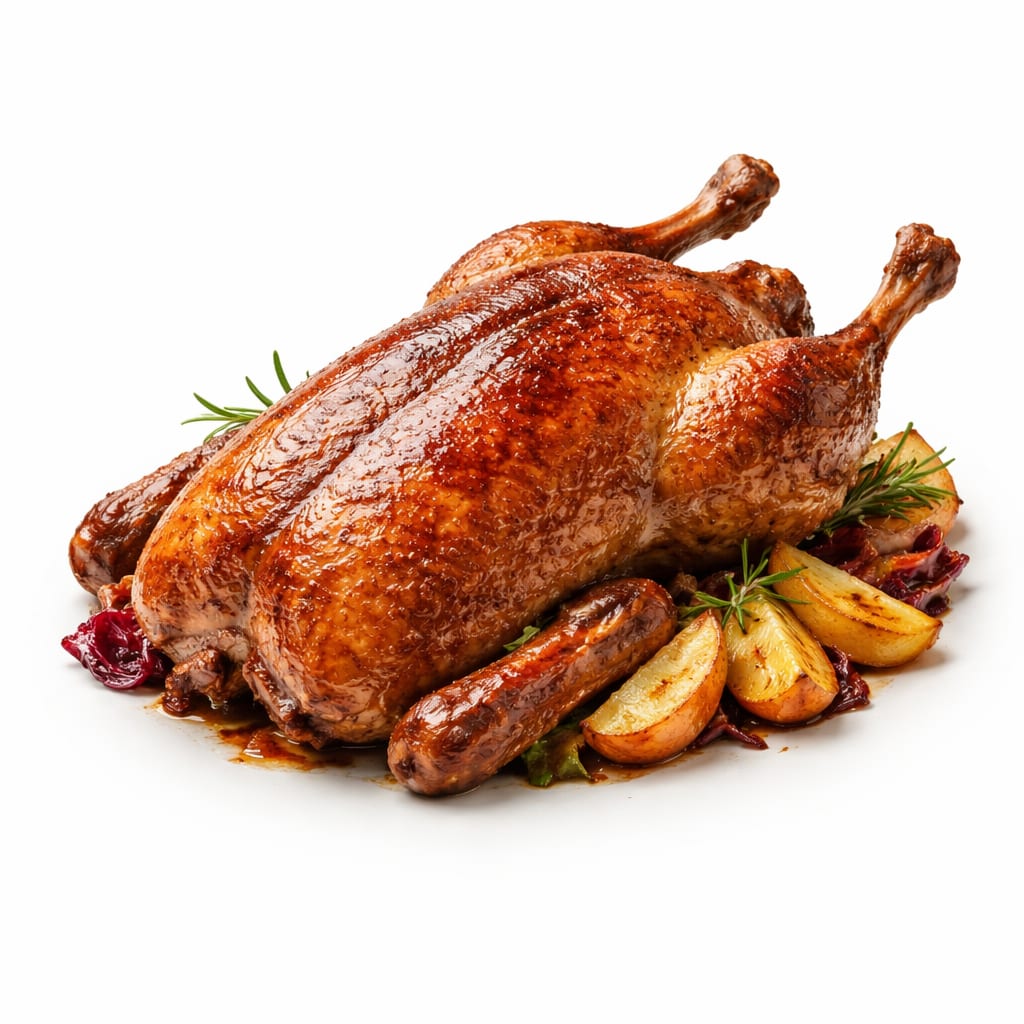
Goose
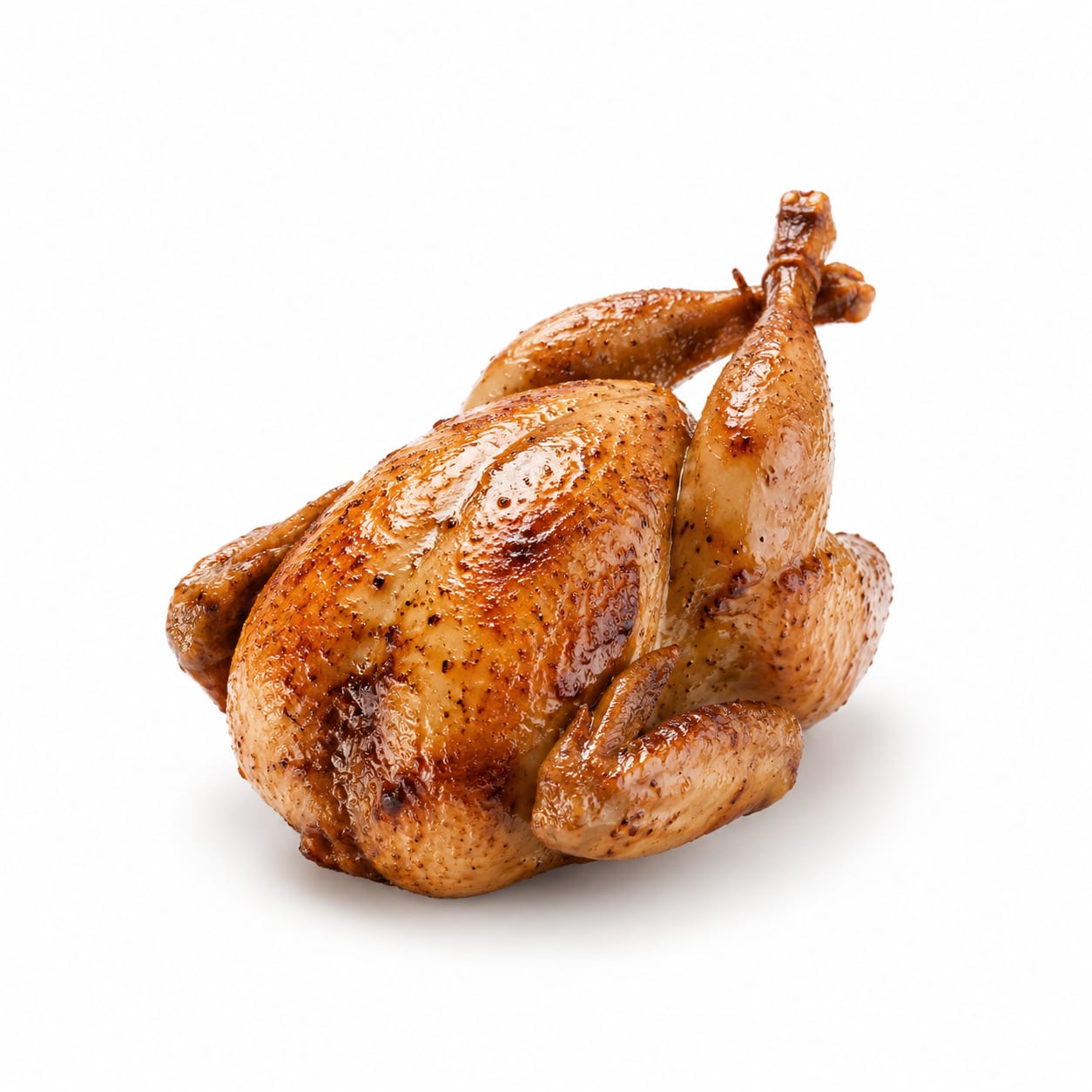
Quail
Goose is a rich, indulgent bird packed with fat and iron, while Quail is a lean, delicate protein better suited for everyday meals.
Quail scores higher due to its lean profile and everyday practicality, while Goose is penalized for its high fat and calorie density, limiting its regular use.
You trade the deep flavor and high calories of Goose for the light, low-fat profile of Quail.
At a glance
Executive summary
Overall
Quail
Healthier
Quail
More practical
Quail
Daily use
Quail
Key comparison lenses
Fat and calorie density
Goose is exceptionally high in fat and calories compared to the lean Quail, making this the primary nutritional tradeoff.
Heart health impact
The saturated fat load in Goose versus the lean profile of Quail creates a stark contrast for cardiovascular outcomes.
Culinary practicality
Goose requires hours to roast and serves a crowd, while Quail cooks in minutes for an individual portion.
Micronutrient profile
Goose offers heavy heme iron, while Quail provides B-vitamins and bone minerals if eaten whole.
Best choice for
Goose
- Holiday feasts and special occasions featuring a grand roast
- High-calorie bulking diets needing Goose's dense energy
- Those needing a rich source of heme iron from Goose
Quail
- Weight management and low-fat diets utilizing Quail
- Quick weeknight dinners where Quail shines
- Heart-healthy eating patterns relying on Quail's lean protein
Least suitable for
Goose
- Daily consumption due to Goose's heavy fat load
- Cardiovascular patients watching saturated fat in Goose
- Those on a calorie deficit who find Goose too dense
Quail
- High-calorie bulking phases where Quail is too lean
- Large family roasts on a budget where Quail is too small
- Those who prefer the dark, rich meat of Goose over Quail
Deep comparison
Dimension by dimension
Each lens scores both foods and breaks down who each option suits.
- Dimension 1 · Priority 90Quail
Protein-to-Calorie Ratio
Goose · 45Quail · 85Quail provides significantly more protein per calorie, making it far more efficient for muscle maintenance and weight control.
Tradeoff
Goose offers protein alongside heavy calories, whereas Quail delivers protein with minimal caloric baggage.
Why it matters
A higher protein-to-calorie ratio helps you stay full and build muscle without gaining excess fat.
Real-world impact
Eating Quail keeps your meal light and energizing, while a Goose dinner can leave you feeling sluggish and over-caloried.
Goose
- Those on a dirty bulk who welcome the extra calories from Goose
Better for
- People trying to lose body fat who want to avoid Goose's heavy calories
Worse for
Quail
- Anyone tracking macros or cutting weight who prefers Quail's lean profile
Better for
- Those who struggle to eat enough calories and find Quail too light
Worse for
- Dimension 2 · Priority 85Quail
Fat Profile and Heart Health
Goose · 35Quail · 80Goose is very high in saturated fat, while Quail is remarkably lean and gentle on the cardiovascular system.
Tradeoff
The rich, succulent mouthfeel of Goose comes from its heavy fat content, which Quail sacrifices for a leaner, healthier profile.
Why it matters
High saturated fat intake raises LDL cholesterol and increases heart disease risk over time.
Real-world impact
Choosing Quail regularly supports healthy cholesterol levels, whereas frequent Goose consumption could negatively impact blood work.
Goose
- Keto or very low-carb diets utilizing Goose's animal fats
Better for
- People with high cholesterol who should limit Goose's saturated fat
Worse for
Quail
- Heart-healthy diets that benefit from Quail's lean profile
Better for
- Those relying on fat for satiety who might find Quail unsatisfying
Worse for
- Dimension 3 · Priority 75It depends
Micronutrient Density
Goose · 80Quail · 75Goose is an iron and zinc powerhouse, while Quail offers excellent B-vitamins and bone minerals if eaten whole.
Tradeoff
Goose provides more heme iron for blood health, but Quail's edible bones offer calcium and collagen that Goose lacks.
Why it matters
Iron prevents fatigue, while calcium and collagen support bone strength and joint health.
Real-world impact
Goose is better for fighting anemia and boosting energy, while Quail can support bone density if you eat the soft bones.
Goose
- Individuals with iron-deficiency anemia who benefit from Goose's rich heme iron
Better for
- People with hemochromatosis who must avoid iron-heavy meats like Goose
Worse for
Quail
- Older adults needing bone support from Quail's edible bones
Better for
- Those who discard Quail's bones and miss out on the calcium
Worse for
- Dimension 4 · Priority 70Quail
Culinary Practicality and Convenience
Goose · 40Quail · 85Quail cooks in minutes and serves one easily, while Goose requires hours of roasting and serves a crowd.
Tradeoff
Goose creates a dramatic, festive centerpiece but demands heavy prep, whereas Quail is a quick, effortless weeknight option.
Why it matters
Foods that are easy to prepare are more likely to be cooked at home consistently.
Real-world impact
You can pan-sear Quail after work on a Tuesday, but Goose is strictly a weekend project or holiday event.
Goose
- Large family gatherings where a roasted Goose serves as a centerpiece
Better for
- Quick weeknight dinners where roasting a Goose is impractical
Worse for
Quail
- Busy professionals needing the fast cook time of Quail
Better for
- Feeding a large group on a budget where Quail becomes too expensive per pound
Worse for
Timeline
Health impact over time
Short-term
Hours to days
Goose
- Heavy, satisfying fullness from Goose that can lead to sluggishness
- Sustained energy from Goose's high fat content
Quail
- Light, energizing feeling after eating Quail
- May require larger portions or side dishes to feel full from Quail
Long-term
Months to years
Goose
- Risk of weight gain if Goose is consumed frequently due to high calorie density
- Potential increase in LDL cholesterol from Goose's saturated fat
Quail
- Supports lean body mass and cardiovascular health via Quail
- Consistent low-calorie protein intake from Quail aids weight management
Risk profile
Safety & processing
Both Goose and Quail are typically sold as whole, minimally processed birds with no artificial additives, making them equally clean whole-food choices.
Goose
Pathogenic bacteria
mediumLike all poultry, raw Goose can carry Salmonella; requires thorough cooking and safe handling.
Fat flare-ups
mediumRendering Goose fat during roasting can cause oven smoke or grill flare-ups if not managed properly.
Quail
Bone choking hazard
mediumQuail has many small, sharp bones that require careful eating, especially for children.
Undercooking risk
lowQuail is often served pink or medium-rare, which carries a slight risk if not sourced from a reputable supplier.
Who wins for whom
Audience fit
Same foods, different winners depending on your goal.
children
GooseGoose meat is easier to eat without the choking hazard of Quail's small, sharp bones.
daily consumption
QuailQuail's lean profile and quick cook time make it a sustainable, healthy everyday protein.
diabetes
QuailQuail's low fat and zero carbohydrate content make it ideal for insulin sensitivity and blood sugar management.
elderly
QuailQuail is easier to digest and lower in saturated fat, which is crucial for aging cardiovascular systems.
muscle gain
QuailQuail offers a much better protein-to-fat ratio, supporting muscle growth without excess calorie gain.
weight loss
QuailQuail is extremely lean and low in calories, making it easy to fit into a calorie deficit.
Your move
Decision guide
Choose Goose
- You want a dramatic, indulgent Goose centerpiece for a holiday meal
- You are on a keto or high-fat diet and need Goose's calorie-dense protein
- You need a rich source of heme iron from Goose to combat fatigue
Choose Quail
- You want a lean, quick-cooking Quail protein for a weeknight dinner
- You are watching your cholesterol or trying to lose weight with Quail
- You prefer lighter meals from Quail that won't leave you feeling heavy
Either works if
- You want high-quality complete protein from game birds
- You enjoy rich, savory poultry flavors over standard chicken
Avoid both if
- You follow a strict plant-based or vegan diet
- You have a severe poultry allergy
Final recommendation
Choose Quail for a lean, everyday protein that supports heart health and cooks in minutes. Save Goose for special occasions when its rich, indulgent fat and festive presentation are the main event.
Practical
Consumer tips
- 1
Prick Goose skin thoroughly before roasting to render out the heavy fat and achieve crispy skin.
- 2
Quail cooks very quickly; avoid overcooking to keep the breast meat tender and juicy.
- 3
Save rendered Goose fat for roasting potatoes or vegetables—it adds incredible flavor and has a high smoke point.
- 4
If eating Quail whole, chew carefully to navigate the small bones, or ask your butcher to bone it for you.