
Nutrition comparison
Goose vs Chicken Breast: Nutrition, Health, and Which to Choose
Compare goose and chicken breast side by side — protein, fat, calories, micronutrients, and real-world practicality. Find out which meat fits your health goals better.
Overall winner · Chicken breast
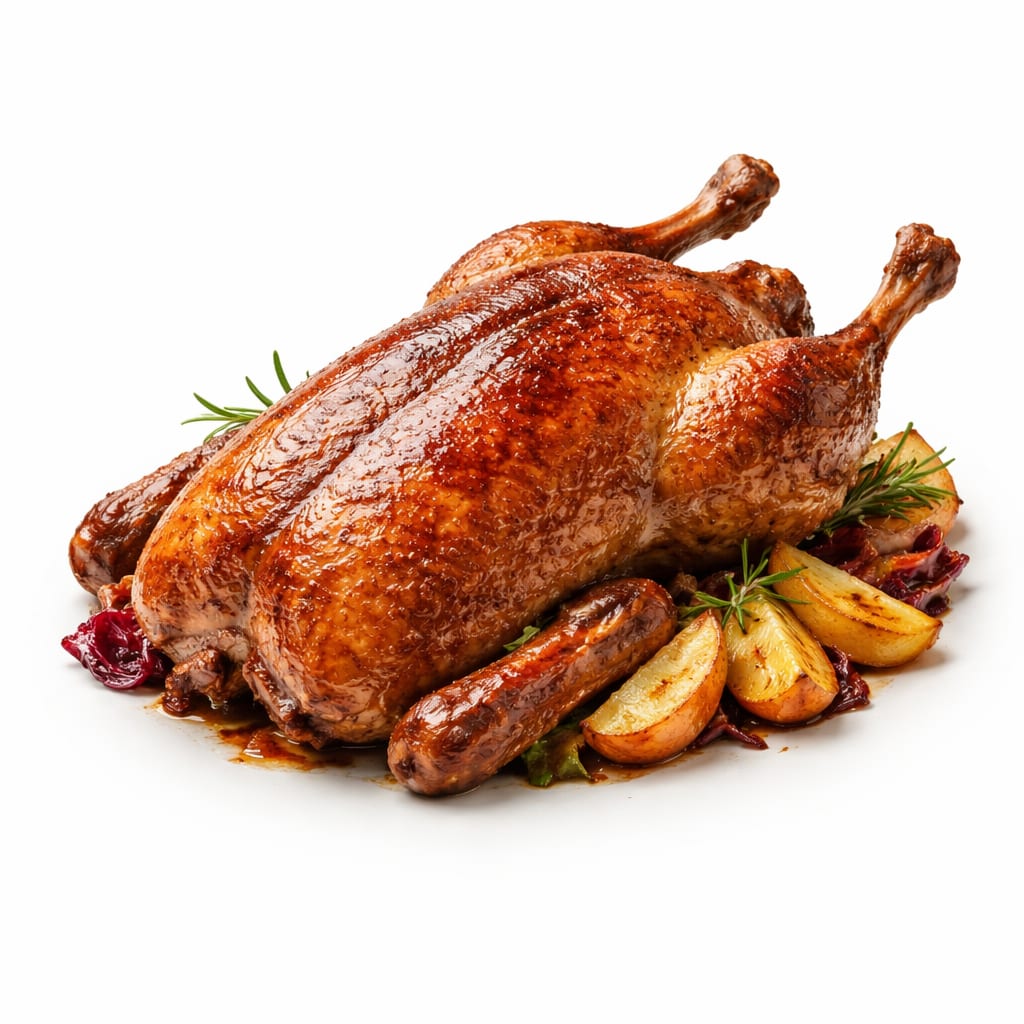
Goose
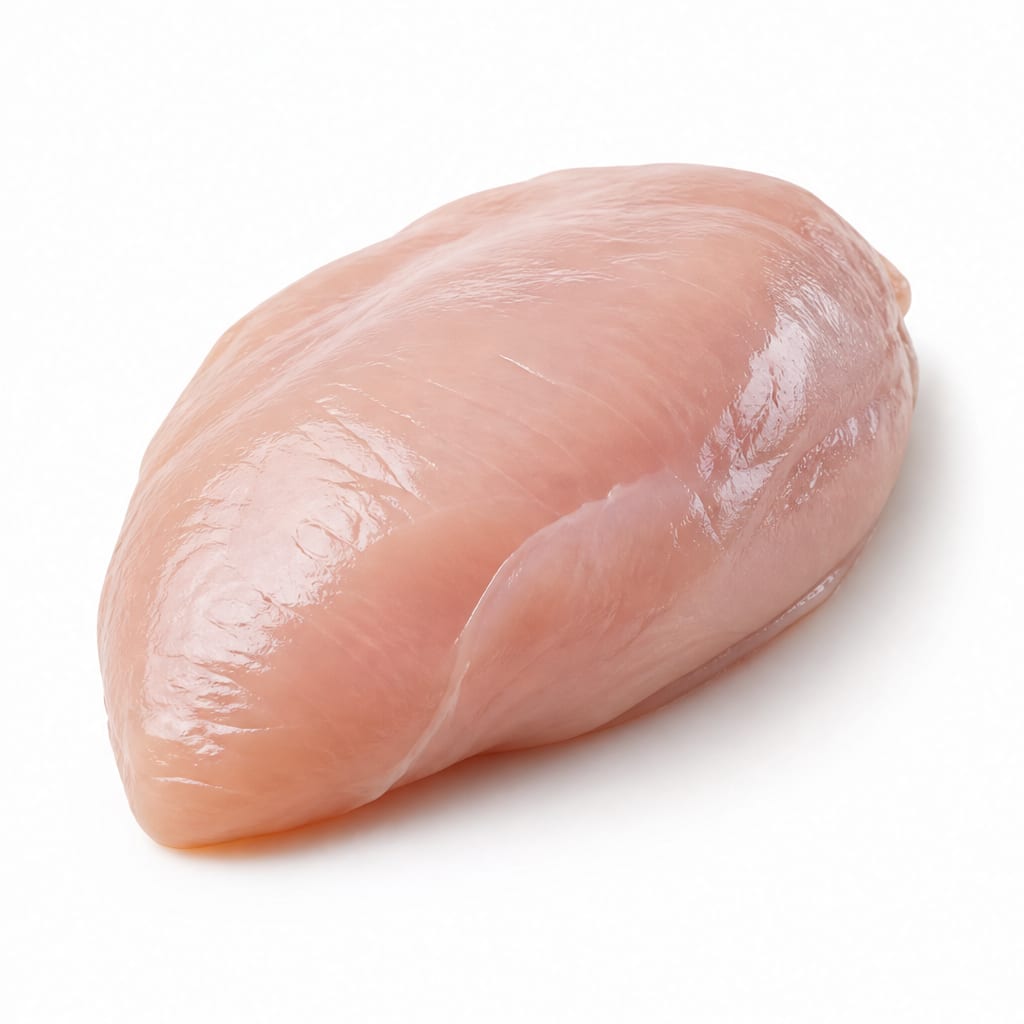
Chicken breast
Chicken breast wins for everyday lean protein, while goose offers richer flavor and micronutrients at a steep fat and calorie cost.
Chicken breast scores substantially higher due to its lean protein profile, everyday practicality, and cardiovascular safety. Goose earns points for micronutrient density and satiety from fat content but loses ground on calorie density, saturated fat, and limited accessibility.
You trade far more calories and saturated fat for deeper flavor and better iron, zinc, and B-vitamin intake when choosing goose over chicken breast.
At a glance
Executive summary
Overall
Chicken breast
Healthier
Chicken breast
More practical
Chicken breast
Daily use
Chicken breast
Key comparison lenses
protein source selection for fitness or weight management
Users comparing these two are almost always deciding which meat fits their macro goals better
fat and calorie tradeoffs between dark and white meat
Goose is dramatically fattier than chicken breast, making this the central nutritional tension
heart health and cholesterol concerns
Goose carries significantly more saturated fat and cholesterol, raising cardiovascular relevance
practicality and everyday usability
Chicken breast is a weekly staple; goose is a specialty item most people cook rarely
micronutrient density comparison
Goose surprisingly outshines chicken breast on several vitamins and minerals despite its fat content
Best choice for
Goose
- Occasional celebratory meals where flavor matters more than macros
- People needing extra iron or B-vitamins from food sources
- Cold-climate diets where higher fat intake is desirable
- Those tired of bland lean meats and wanting satisfaction from less food volume
Chicken breast
- Consistent weight loss or maintenance diets
- Body recomposition and muscle-building phases
- Heart-health-conscious eaters managing cholesterol
- Meal preppers who need an affordable, versatile weekly protein
Least suitable for
Goose
- Anyone strictly managing saturated fat or calorie intake
- Daily meal prep routines — too expensive and calorie-dense
- People with cardiovascular risk factors
Chicken breast
- Those who find lean meats unsatisfying and end up overeating later
- Diets requiring high caloric intake without excessive food volume
- People seeking iron-rich proteins to address deficiency
Deep comparison
Dimension by dimension
Each lens scores both foods and breaks down who each option suits.
- Dimension 1 · Priority 95Chicken breast
Protein Quality and Density
Goose · 60Chicken breast · 92Chicken breast delivers more protein per calorie and per gram, making it far more efficient for muscle building and satiety without excess energy intake.
Tradeoff
Goose still provides solid protein, but you consume significantly more fat to get the same amount of protein.
Why it matters
If you are tracking macros or eating for body composition, protein-per-calorie is the metric that moves the needle most.
Real-world impact
A 6 oz chicken breast gives you roughly 46g protein and 280 calories. The same protein from goose costs you over 500 calories.
Goose
- Meals where fat contributes to longer-lasting fullness
Better for
- Lean bulking where you want protein without excessive fat
Worse for
Chicken breast
- Post-workout recovery meals
- Cutting phases where every calorie must earn its protein
- High-protein diets with calorie limits
Better for
- Situations where very lean protein leaves you hungry an hour later
Worse for
- Dimension 2 · Priority 90Chicken breast
Fat Content and Heart Health
Goose · 35Chicken breast · 88Goose contains roughly 5-7 times more total fat and significantly more saturated fat than skinless chicken breast, raising cardiovascular concerns with regular consumption.
Tradeoff
Goose fat includes a meaningful amount of monounsaturated fat, which is healthier than the saturated portion, but the overall fat load is still high.
Why it matters
Frequent high saturated fat intake raises LDL cholesterol over time, which is a leading driver of heart disease.
Real-world impact
Eating goose regularly could push your saturated fat intake well above recommended limits, while chicken breast easily fits within heart-healthy guidelines.
Goose
- Keto or low-carb diets that embrace higher fat intake
Better for
- People with family history of heart disease
- Those already exceeding saturated fat limits from other foods
Worse for
Chicken breast
- Heart-healthy eating patterns
- Low-fat diet protocols
- Anyone with elevated cholesterol
Better for
- Very low-carb dieters who need fat as a primary energy source
Worse for
- Dimension 3 · Priority 80Goose
Micronutrient Density
Goose · 82Chicken breast · 65Goose outperforms chicken breast on iron, zinc, riboflavin, vitamin B6, and vitamin B12, thanks to its dark meat and higher fat-soluble nutrient content.
Tradeoff
You get more vitamins and minerals per serving with goose, but you also absorb more calories and saturated fat in the process.
Why it matters
Iron and B12 deficiencies are surprisingly common, and goose is an excellent food-source remedy — just not an everyday one.
Real-world impact
A single goose serving can cover over 50% of your daily B12 needs and a meaningful chunk of iron, which chicken breast cannot match per serving.
Goose
- People with or at risk for iron-deficiency anemia
- Those needing B12 from whole foods rather than supplements
Better for
- Getting those nutrients alongside excessive fat and calories
Worse for
Chicken breast
- Anyone already meeting micronutrient needs through variety
- Selenium intake, where chicken breast performs comparably
Better for
- Relying solely on chicken breast may leave iron and zinc intake low
Worse for
- Dimension 4 · Priority 78Goose
Satiety and Eating Satisfaction
Goose · 80Chicken breast · 68Goose is more satiating per bite due to its fat content and richer flavor, which slows eating and increases meal satisfaction.
Tradeoff
Higher satiety comes with far more calories, so you feel fuller but may still exceed your energy needs.
Why it matters
People who feel unsatisfied after lean meals often snack later, negating the calorie savings of choosing chicken breast.
Real-world impact
A small portion of goose can feel like a complete, indulgent meal. Chicken breast often needs sides and sauces to feel equally satisfying.
Goose
- People who feel hungry after lean protein meals
- One-dish meals where satisfaction matters more than macros
Better for
- It is easy to overconsume calories before feeling full because fat is calorie-dense
Worse for
Chicken breast
- Portion-controlled diets where you eat multiple small meals
- Satiety from volume rather than fat content
Better for
- Blandness can trigger cravings for richer foods later in the day
Worse for
- Dimension 5 · Priority 82Chicken breast
Practicality and Accessibility
Goose · 30Chicken breast · 94Chicken breast is affordable, available everywhere, quick to cook, and works in nearly any recipe. Goose is expensive, seasonal, hard to find, and requires more cooking skill.
Tradeoff
Goose offers a special-occasion experience that chicken breast cannot replicate, but it demands effort, planning, and budget.
Why it matters
The best protein source is the one you can consistently prepare and eat. Accessibility drives adherence more than nutrition facts.
Real-world impact
You can buy chicken breast at any grocery store on any day. Goose may require a specialty butcher, advance ordering, and a bigger budget.
Goose
- Holiday meals and special occasions worth planning around
Better for
- Spontaneous cooking — you cannot just grab goose on the way home
Worse for
Chicken breast
- Weekly meal prep
- Budget-conscious households
- Quick weeknight dinners
Better for
- Special meals that should feel distinct from everyday eating
Worse for
- Dimension 6 · Priority 88Chicken breast
Calorie Efficiency
Goose · 32Chicken breast · 90Chicken breast provides dramatically more food volume and protein per calorie, making it the clear choice for anyone managing weight.
Tradeoff
Goose packs more calories into less food, which benefits undereaters but works against anyone watching their intake.
Why it matters
Calorie density is the single strongest predictor of unintentional overconsumption and weight gain over time.
Real-world impact
You can eat nearly twice the weight of chicken breast for the same calories as a goose serving, which matters enormously for portion satisfaction.
Goose
- Hard gainers who struggle to eat enough calories
- Cold-weather activities where calorie density is an advantage
Better for
- Sedentary lifestyles where excess calories accumulate quickly
Worse for
Chicken breast
- Weight loss diets
- Calorie-counting approaches
- Anyone who prefers larger portion sizes
Better for
- Athletes who need energy-dense meals to meet high caloric demands
Worse for
Timeline
Health impact over time
Short-term
Hours to days
Goose
- Heavy, satisfying meal that reduces desire to snack for hours
- Potential sluggishness after eating due to high fat content slowing digestion
- Rich flavor can make the meal feel more emotionally rewarding
Chicken breast
- Light, clean energy without digestive heaviness
- May feel hungry sooner if not paired with fats or fiber
- Quick to digest, making it suitable for pre- or post-workout timing
Long-term
Months to years
Goose
- Regular consumption increases saturated fat and cholesterol intake, raising cardiovascular risk
- Excellent B12 and iron status if consumed periodically
- Risk of gradual weight gain if portion sizes are not carefully managed
Chicken breast
- Supports lean body composition and cardiovascular health when eaten regularly
- Possible iron or zinc shortfalls if chicken breast is the only protein source
- Sustained low saturated fat intake benefits long-term heart health
Risk profile
Safety & processing
Both goose and chicken breast are whole, minimally processed meats. The main concern is not processing but rather how the animals were raised — factory-farmed chicken may carry antibiotic residues, while goose is more often free-range but not always. Source quality matters more than processing level here.
Goose
Undercooking and foodborne illness
mediumLike all poultry, goose must be cooked to an internal temperature of 165°F. Its thick skin and dense meat make it easier to undercook the center, especially with whole-bird roasting.
High environmental contaminant load
lowWaterfowl can accumulate environmental contaminants from their diet more than land poultry, though this is typically a minor concern with farmed goose.
Chicken breast
Antibiotic-resistant bacteria
mediumConventionally raised chicken carries a higher risk of antibiotic-resistant bacteria like salmonella and campylobacter. Proper handling and cooking mitigate this significantly.
Processing plant contamination
lowMass-produced chicken breast may be exposed to chlorinated washes or cross-contamination in processing facilities. Buying from trusted sources reduces this concern.
Who wins for whom
Audience fit
Same foods, different winners depending on your goal.
children
Chicken breastChicken breast is easier to chew, milder in flavor, and lower in saturated fat, making it more appropriate for regular childhood nutrition.
daily consumption
Chicken breastAffordability, availability, leanness, and cooking ease make chicken breast one of the few proteins realistic for daily use.
diabetes
Chicken breastLower saturated fat intake is strongly associated with better insulin sensitivity, giving chicken breast the edge for blood sugar management.
elderly
Chicken breastOlder adults need lean protein to preserve muscle without stressing cardiovascular health, which aligns better with chicken breast.
muscle gain
Chicken breastMore protein per calorie and per serving makes chicken breast more efficient for muscle repair and growth, especially in calorie-controlled bulking.
weight loss
Chicken breastChicken breast provides high protein and volume with minimal calories, making it the strongest ally for sustainable fat loss.
Your move
Decision guide
Choose Goose
- You are cooking a special occasion meal and want something memorable
- You need more iron and B12 from food and can accommodate the extra calories
- You follow a low-carb or keto diet and welcome higher fat intake
- You find lean meats unsatisfying and prefer eating smaller amounts of richer food
Choose Chicken breast
- You want a reliable, affordable lean protein for daily meals
- You are managing weight, cholesterol, or heart health
- You meal prep and need a versatile protein that works in many recipes
- You prioritize protein-per-calorie efficiency for fitness goals
Either works if
- You rotate proteins throughout the week and want variety
- You are not calorie-restricted and enjoy both flavor profiles
- You are meeting micronutrient needs through other foods already
Avoid both if
- You follow a plant-based diet
- You have gout flares triggered by purine-rich meats — both are moderate-to-high in purines
- You have a poultry allergy
Final recommendation
Make chicken breast your everyday protein and save goose for occasional meals where the experience matters more than the macros. This gives you the best of both worlds: lean, consistent nutrition most days and rich, satisfying indulgence when it counts.
Practical
Consumer tips
- 1
Remove goose skin before eating to cut roughly 30-40% of the fat and calorie content while retaining most of the protein and micronutrients
- 2
Pair chicken breast with healthy fats like olive oil or avocado to improve satiety and absorption of fat-soluble vitamins
- 3
Roast goose on a rack so fat drips away from the meat, reducing the final calorie density significantly
- 4
Buy organic or antibiotic-free chicken breast when budget allows to reduce exposure to antibiotic-resistant bacteria
- 5
If cooking goose for a crowd, serve smaller portions alongside lean sides like roasted vegetables to balance the meal nutritionally
- 6
Use leftover goose in small amounts as a flavor enhancer in soups or salads rather than as a main protein