
Nutrition comparison
Goose vs Chicken Thigh: Nutrition, Calories, and Health Comparison
Compare goose and chicken thigh to see which is healthier. Learn about fat, protein, calories, and the best uses for each poultry type.
Overall winner · Chicken thigh
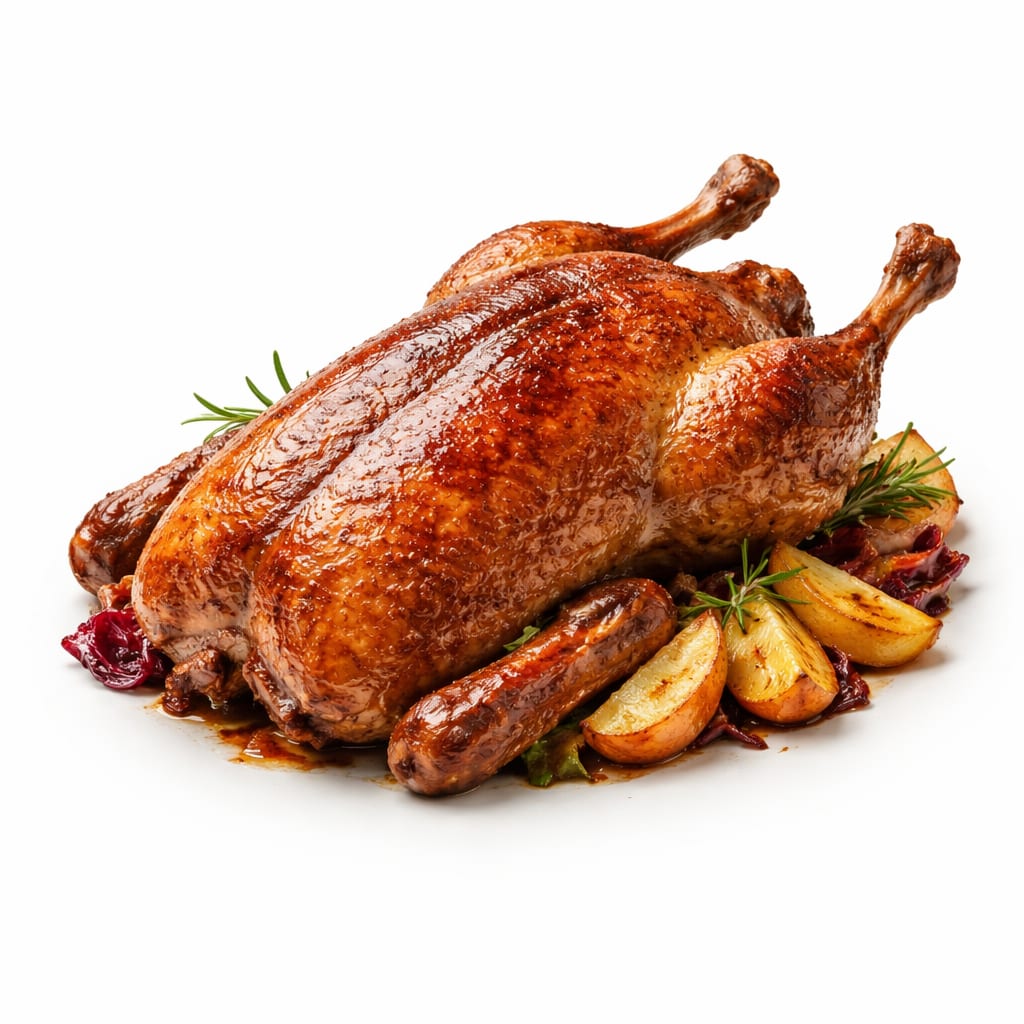
Goose
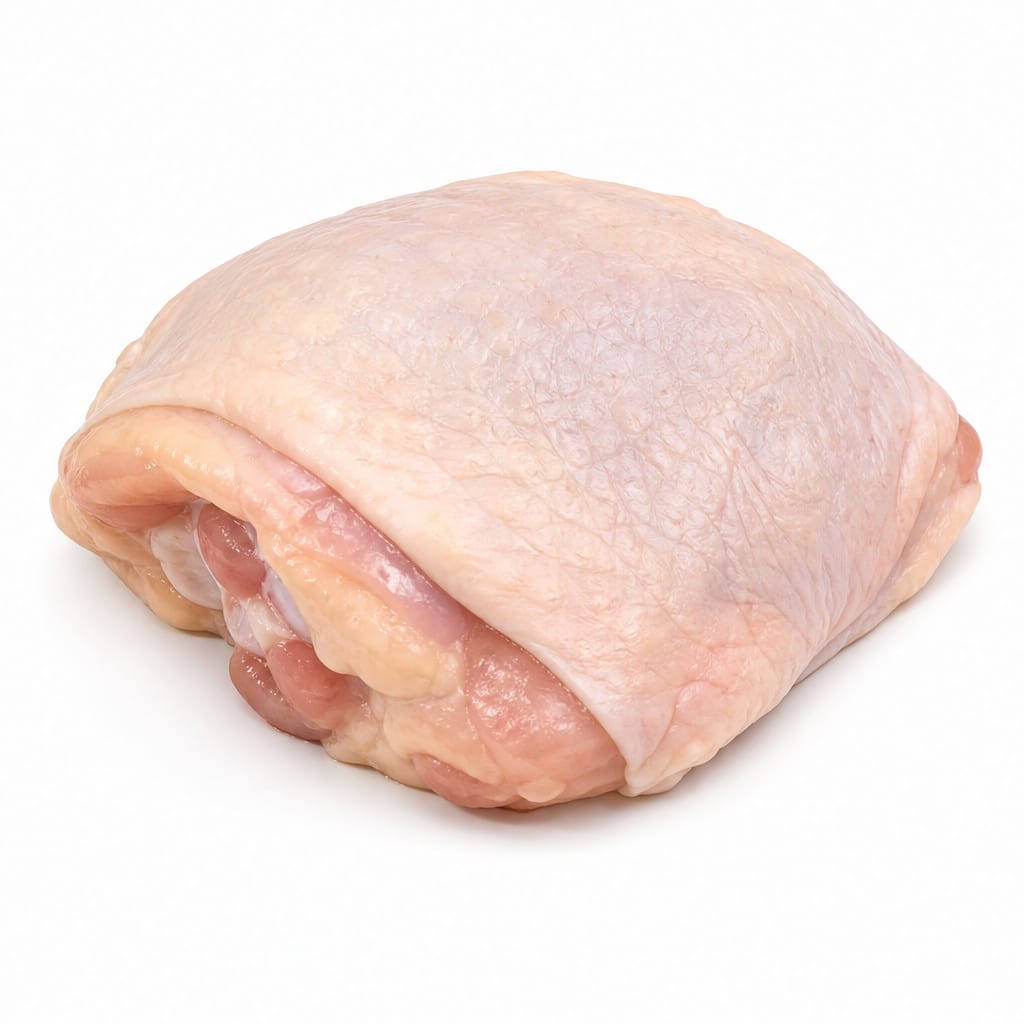
Chicken thigh
Chicken thigh is the practical, leaner choice for everyday meals, while goose is a rich, indulgent treat best enjoyed occasionally.
Chicken thigh scores significantly higher due to its better fat-to-protein ratio, affordability, and everyday practicality. Goose is penalized for its extreme fat and calorie density, making it less suitable for regular consumption.
Intense flavor and high satiety versus a much heavier fat and calorie load.
At a glance
Executive summary
Overall
Chicken thigh
Healthier
Chicken thigh
More practical
Chicken thigh
Daily use
Chicken thigh
Key comparison lenses
Fat and calorie density
Goose is exceptionally high in fat compared to chicken thigh, drastically changing its nutritional profile and health impact.
Practicality and affordability
Chicken thigh is an everyday, budget-friendly staple, whereas goose is expensive, seasonal, and reserved for special occasions.
Protein efficiency
Chicken thigh provides significantly more protein per calorie, making it a leaner choice for muscle maintenance and weight management.
Micronutrient density
Goose offers higher levels of certain B-vitamins and iron, but these benefits come packaged with a heavy fat load.
Culinary richness and satiety
Goose provides intense flavor and extreme satiety due to its fat content, while chicken thigh offers a more balanced, lighter eating experience.
Best choice for
Goose
- Holiday feasts and special occasions
- Keto or low-carb diets needing high fat
- High-calorie winter meals
Chicken thigh
- Weekly meal prep
- Budget-friendly family dinners
- Balanced macronutrient eating
Least suitable for
Goose
- Weight loss diets
- Heart health concerns
- Frequent everyday consumption
Chicken thigh
- Ultra-low-fat diets
- Novel culinary experiences
Deep comparison
Dimension by dimension
Each lens scores both foods and breaks down who each option suits.
- Dimension 1 · Priority 95Chicken thigh
Fat and Calorie Profile
Goose · 30Chicken thigh · 75Goose is extremely high in fat and calories, while chicken thigh offers a much more balanced macro profile.
Tradeoff
You get incredible richness and flavor from goose, but at a massive calorie cost.
Why it matters
High fat intake can easily lead to overconsumption of calories if portions are not carefully managed.
Real-world impact
A single serving of goose can use up half your daily calorie budget, whereas chicken thigh fits easily into a standard meal plan.
Goose
- Keto or low-carb diets
- Cold weather calorie needs
Better for
- Calorie restriction
- Low-fat diets
Worse for
Chicken thigh
- Weight management
- Leaner meal prep
Better for
- Very high-calorie bulking
Worse for
- Dimension 2 · Priority 85Chicken thigh
Protein Efficiency
Goose · 55Chicken thigh · 85Chicken thigh delivers more protein per calorie, making it a far more efficient muscle-building food.
Tradeoff
Goose still has plenty of protein, but it comes packaged with a heavy fat load.
Why it matters
Getting enough protein without excess calories is key for body composition and metabolic health.
Real-world impact
Eating chicken thigh after a workout gives you the protein you need without making you feel sluggish from fat.
Goose
- High-calorie bulking phases
Better for
- Lean bulking
- Macro tracking
Worse for
Chicken thigh
- Muscle gain
- High-protein, moderate-calorie diets
Better for
- Those needing extreme calorie surpluses
Worse for
- Dimension 3 · Priority 75Goose
Micronutrient Density
Goose · 82Chicken thigh · 70Goose edges out chicken thigh in certain B-vitamins and iron due to its richer dark meat and fat-soluble nutrient content.
Tradeoff
The micronutrient boost in goose comes with a high saturated fat price tag.
Why it matters
B-vitamins and iron are crucial for energy production and oxygen transport.
Real-world impact
Goose can provide a notable energy-supportive nutrient boost, but you can get similar benefits from chicken thigh without the fat overload.
Goose
- Addressing iron deficiency
- Boosting B-vitamin intake
Better for
- Those watching cholesterol
Worse for
Chicken thigh
- Sustained nutrient intake without excess fat
Better for
- Those needing maximum iron per bite
Worse for
- Dimension 4 · Priority 90Chicken thigh
Practicality and Affordability
Goose · 25Chicken thigh · 95Chicken thigh is cheap, available everywhere, and easy to cook. Goose is expensive, seasonal, and requires careful preparation.
Tradeoff
Goose offers a unique dining experience, but chicken thigh is a no-brainer for weekly meal prep.
Why it matters
Consistency and budget dictate long-term dietary habits more than any single meal.
Real-world impact
You can throw chicken thighs in the oven any night of the week; goose requires planning and a larger grocery budget.
Goose
- Impressive dinner parties
- Holiday traditions
Better for
- Tight grocery budgets
- Last-minute meals
Worse for
Chicken thigh
- Budget meal prep
- Quick weeknight dinners
Better for
- When you want to impress foodie guests
Worse for
- Dimension 5 · Priority 70It depends
Satiety and Richness
Goose · 90Chicken thigh · 75Goose is incredibly filling and rich, while chicken thigh is satisfying but lighter.
Tradeoff
Goose's richness means a little goes a long way, but it can feel too heavy for regular eating.
Why it matters
Feeling satisfied after a meal prevents snacking, but feeling overly stuffed is uncomfortable.
Real-world impact
A small portion of goose will keep you full for hours, but you might feel sluggish afterward.
Goose
- Long winter meals
- One-dish feasts
Better for
- Eating before physical activity
- Hot summer days
Worse for
Chicken thigh
- Post-workout meals
- Lighter dinners
Better for
- When you need extreme satiety from a small portion
Worse for
Timeline
Health impact over time
Short-term
Hours to days
Goose
- Feeling very full and potentially sluggish due to high fat content
- High satiety from rich protein and fat
Chicken thigh
- Steady energy without feeling overly stuffed
- Comforting and satisfying without heaviness
Long-term
Months to years
Goose
- Risk of elevated cholesterol if consumed frequently
- Potential weight gain from high calorie density
Chicken thigh
- Sustainable protein source for muscle maintenance
- Easier to maintain healthy weight due to balanced macros
Risk profile
Safety & processing
Both goose and chicken thigh are whole, unprocessed meats. The main concern isn't additives, but rather the natural fat content and how the animals were raised.
Goose
Pathogen contamination
mediumLike all poultry, goose carries a risk of Salmonella or Campylobacter; requires thorough cooking.
Environmental contaminants
lowWild goose may have higher exposure to environmental toxins depending on habitat, though farmed goose is standard.
Chicken thigh
Antibiotic residue
mediumConventional chicken may have antibiotic exposure; opt for organic or antibiotic-free if concerned.
Pathogen contamination
highChicken is a common carrier of Salmonella; strict kitchen hygiene is essential to prevent cross-contamination.
Who wins for whom
Audience fit
Same foods, different winners depending on your goal.
children
Chicken thighChicken thigh is easier to chew, milder in flavor, and provides lean protein without the heavy fat load of goose.
daily consumption
Chicken thighAffordable, versatile, and balanced in macros, chicken thigh is ideal for daily meals.
diabetes
Chicken thighLower in saturated fat, which is better for insulin sensitivity and cardiovascular health often compromised in diabetes.
elderly
Chicken thighLower saturated fat supports heart health, and the softer texture of cooked chicken thigh is easier to digest.
muscle gain
Chicken thighMore protein per serving and per calorie makes chicken thigh a more efficient choice for building muscle without excess fat gain.
weight loss
Chicken thighChicken thigh provides high protein with far fewer calories and less fat, making it much easier to fit into a calorie deficit.
Your move
Decision guide
Choose Goose
- You are hosting a holiday dinner and want a show-stopping centerpiece
- You are on a keto diet and need high-fat protein sources
- You want a rich, indulgent meal for a special occasion
Choose Chicken thigh
- You are meal-prepping for the week on a budget
- You want a high-protein dinner without excessive calories
- You need a versatile meat that works in everything from stir-fries to roasts
Either works if
- You want high-quality complete protein from poultry
- You are cooking a warm, comforting winter meal
Avoid both if
- You are vegetarian or vegan
- You have severe poultry allergies
- You are on a strict low-protein diet for kidney issues
Final recommendation
Choose chicken thigh for your everyday protein needs—it is leaner, cheaper, and far more versatile. Save goose for special occasions when its rich, luxurious flavor can truly shine without weighing down your regular diet.
Practical
Consumer tips
- 1
Prick goose skin thoroughly before roasting to render out as much fat as possible.
- 2
Save rendered goose fat for roasting potatoes—it is a culinary treat, but use it sparingly due to high saturated fat.
- 3
Buy bone-in, skin-on chicken thighs for the best flavor and juiciness; remove the skin before eating to save on fat and calories.
- 4
Look for pasture-raised or organic chicken to minimize antibiotic and pesticide exposure.