
Nutrition comparison
Goose vs Lamb Shoulder: Nutrition, Health Impact, and Which to Choose
Compare goose and lamb shoulder side by side — fat quality, calories, B12, iron, and practical cooking advice. Find out which rich meat fits your health goals and lifestyle.
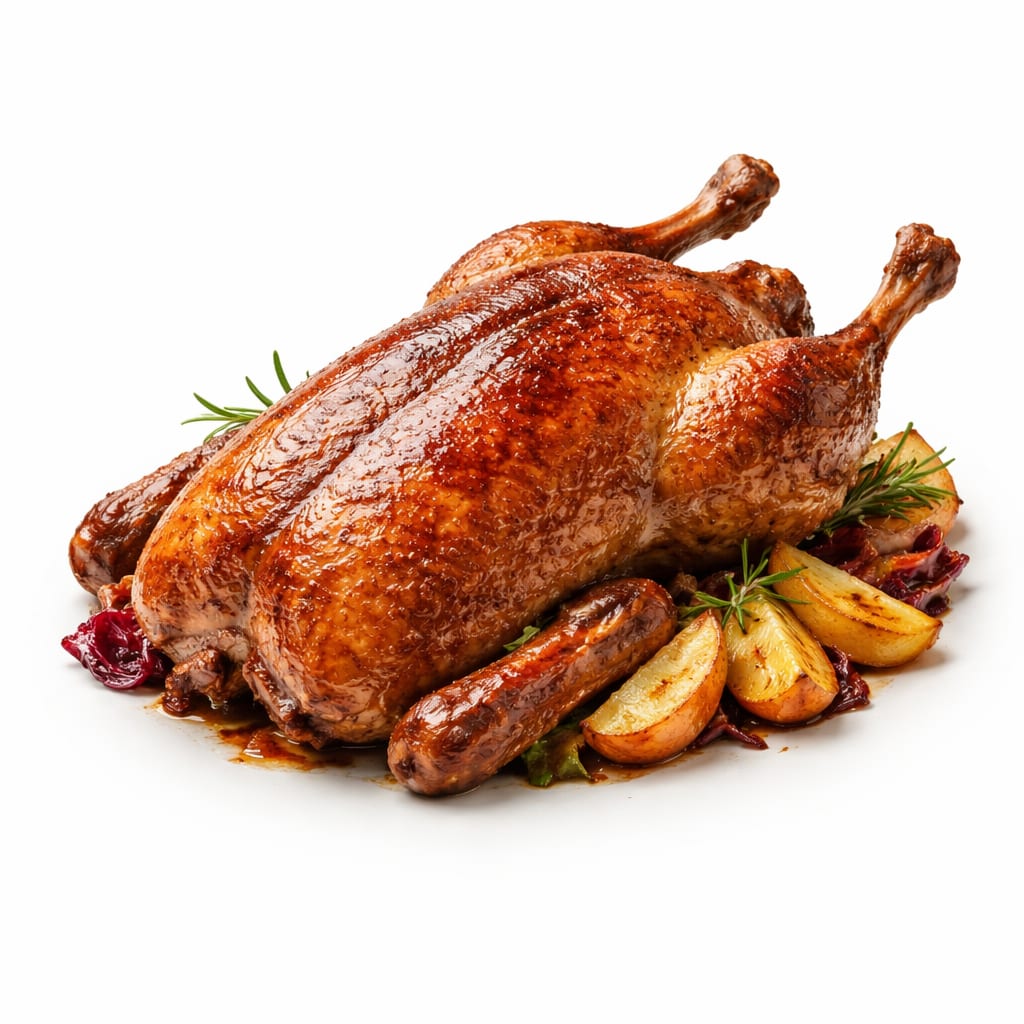
Goose
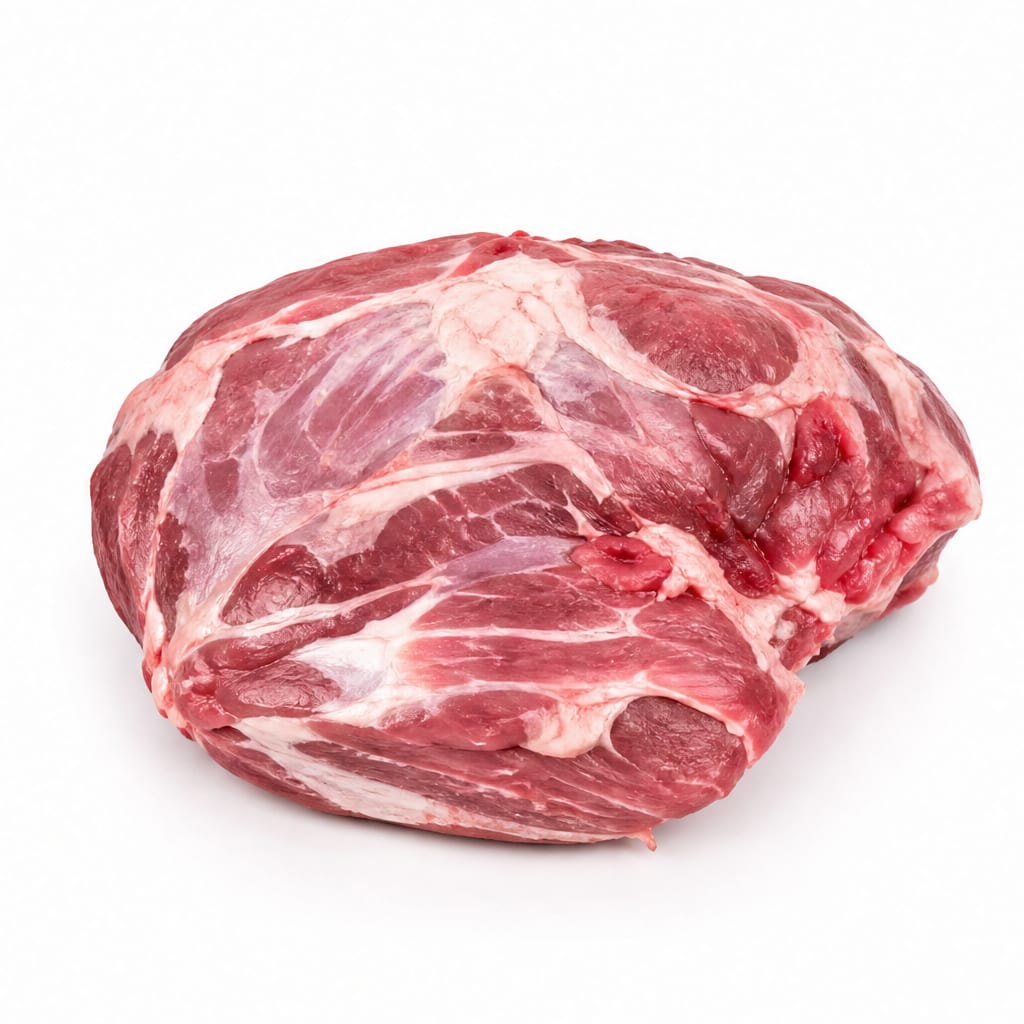
Lamb shoulder
Both are indulgent, high-fat meats with genuine nutritional upside — the right pick depends on whether you prioritize micronutrients or fat quality.
Lamb shoulder edges ahead thanks to superior B12, heme iron, and everyday practicality. Goose scores lower mainly due to extreme calorie density and limited availability, though its fat quality is surprisingly decent.
Lamb shoulder delivers far more B12 and heme iron, while goose offers a better fatty acid profile with more monounsaturated fat and less inflammatory potential.
At a glance
Executive summary
Overall
It depends
Healthier
Lamb shoulder
More practical
Lamb shoulder
Daily use
Lamb shoulder
Key comparison lenses
saturated fat and heart health tradeoffs
Both are among the fattiest meats available, making cardiovascular impact the central concern
protein quality and micronutrient density
Users choosing between rich meats often care about what nutritional value they get alongside the fat
everyday practicality versus special occasion appeal
Goose is seasonal and specialty while lamb shoulder is a year-round staple in many cuisines
cooking method and fat renderability
How each meat handles cooking affects both taste and final fat content significantly
inflammatory potential of red meat versus poultry
Lamb is red meat with associated concerns; goose is poultry but eaten like red meat nutritionally
Best choice for
Goose
- Special occasion meals where rich flavor matters more than everyday nutrition
- Those wanting poultry fat for roasting potatoes or cooking
- People avoiding red meat for personal or religious reasons but still wanting a hearty meal
- Home cooks who enjoy rendering fat for later use
Lamb shoulder
- Regular meal rotation needing reliable protein and iron
- Anyone with B12 deficiency or low iron levels
- Slow-cooking enthusiasts wanting tender, collagen-rich results
- Athletes and lifters prioritizing micronutrient density alongside protein
Least suitable for
Goose
- Anyone monitoring calorie intake closely
- People with high cholesterol managing saturated fat strictly
- Weeknight cooks wanting fast preparation
- Those unfamiliar with cooking whole birds
Lamb shoulder
- Individuals limiting red meat for heart health
- People with gout or high uric acid concerns
- Those seeking lean protein sources
- Anyone avoiding high-purine foods
Deep comparison
Dimension by dimension
Each lens scores both foods and breaks down who each option suits.
- Dimension 1 · Priority 95Goose
fat quality and heart impact
Goose · 58Lamb shoulder · 48Goose fat is roughly 50% monounsaturated, similar to olive oil in composition. Lamb shoulder fat is more saturated and linked to higher LDL cholesterol risk.
Tradeoff
Goose wins on fat profile but still packs enormous total fat. Lamb has worse fat quality but slightly less total fat per serving.
Why it matters
The type of fat you eat regularly matters more than total fat for heart health. Monounsaturated fat is genuinely protective.
Real-world impact
If you roast with goose fat instead of lamb drippings, your cholesterol numbers will likely thank you — but portion size still matters enormously.
Goose
- Heart-conscious eaters who still want rich meat
- Anyone saving cooking fat for later use
Better for
- People who overeat because the rich taste is so satisfying
Worse for
Lamb shoulder
- Those with existing high LDL cholesterol
- Anyone eating fatty red meat multiple times per week
Worse for
- Dimension 2 · Priority 88Lamb shoulder
micronutrient density
Goose · 55Lamb shoulder · 78Lamb shoulder is a B12 powerhouse with roughly 4-5 times more than goose, plus significantly more heme iron, zinc, and selenium.
Tradeoff
You sacrifice some B-vitamin richness in goose but gain a better fat profile. The micronutrient gap is real and meaningful.
Why it matters
B12 and iron deficiencies are common, especially among women and older adults. Lamb shoulder is one of the best food sources for both.
Real-world impact
A single serving of lamb shoulder can cover your entire B12 need for days. Goose provides respectable nutrition but cannot match that.
Goose
- Those relying on it as a primary iron source
Worse for
Lamb shoulder
- Anyone with low iron or B12
- Older adults at risk for B12 deficiency
- Women of reproductive age needing iron
Better for
- Dimension 3 · Priority 85Lamb shoulder
calorie density and portion control
Goose · 35Lamb shoulder · 50Goose with skin delivers roughly 370 calories per 100g. Lamb shoulder is also fatty but closer to 280-300 calories per 100g trimmed.
Tradeoff
Neither is a low-calorie choice, but goose makes portion control much harder. A small serving disappears fast.
Why it matters
Calorie density drives overeating more than willpower. Richer-tasting food encourages larger portions almost automatically.
Real-world impact
A typical goose dinner can easily hit 800+ calories before sides. Lamb shoulder portions are easier to keep reasonable.
Goose
- Weight-conscious eaters
- Those who find rich food hard to stop eating
Worse for
Lamb shoulder
- Anyone tracking calories
- People who struggle with portion control around rich foods
Better for
- Dimension 4 · Priority 82Lamb shoulder
practicality and availability
Goose · 30Lamb shoulder · 75Lamb shoulder is available year-round in most butcher shops and grocery stores. Goose is seasonal, expensive, and requires advance ordering.
Tradeoff
Goose is a memorable centerpiece but impractical for regular meals. Lamb shoulder works for Tuesday dinner or Sunday supper equally well.
Why it matters
The healthiest food is the one you can actually cook and eat consistently. Accessibility drives real-world nutrition more than theory.
Real-world impact
Most people cook goose once a year at most. Lamb shoulder can become a reliable weekly staple with slow cooking.
Goose
- Holiday meal planners wanting a showstopper
Better for
- Spontaneous weeknight cooks
- Budget-conscious shoppers
Worse for
Lamb shoulder
- Busy home cooks
- Meal preppers
- Anyone without a specialty butcher nearby
Better for
- Dimension 5 · Priority 78Lamb shoulder
cooking versatility
Goose · 40Lamb shoulder · 72Lamb shoulder excels in stews, braises, curries, grilling, and roasting. Goose is essentially a roast-and-carve bird with limited leftover potential.
Tradeoff
Goose delivers a dramatic presentation but one-dimensional cooking. Lamb shoulder adapts to dozens of cuisines and techniques.
Why it matters
Versatility means you actually use the ingredient instead of letting it sit in the freezer. Variety also prevents meal fatigue.
Real-world impact
Leftover lamb shoulder becomes tacos, stews, or sandwiches. Leftover goose is dry and less appealing the next day.
Goose
- Cooks who want rendered fat for potatoes and roasting
Better for
- People who hate food waste
Worse for
Lamb shoulder
- Batch cooks
- Fans of multiple cuisines
- Anyone who values leftovers
Better for
- Dimension 6 · Priority 75Goose
inflammatory potential
Goose · 55Lamb shoulder · 45Red meat consumption is more consistently linked to inflammatory markers than poultry. Goose, despite being fatty, carries less inflammatory concern.
Tradeoff
Goose is technically poultry with a milder inflammatory profile, but its extreme fat content still poses risks if eaten frequently.
Why it matters
Chronic low-grade inflammation drives aging and disease. Small differences in inflammatory potential compound over years of eating patterns.
Real-world impact
If you eat rich meat weekly, choosing goose over lamb shoulder may slightly reduce long-term inflammatory burden — but both should be moderate.
Goose
- People managing chronic inflammation
- Those reducing red meat intake
Better for
Lamb shoulder
- Anyone with inflammatory conditions
- Frequent red meat eaters already pushing limits
Worse for
Timeline
Health impact over time
Short-term
Hours to days
Goose
- Very filling due to high fat content — you likely will not overeat at one sitting
- Can feel heavy and sluggish afterward, especially with skin
- Rendered fat can be saved and used for days of cooking
Lamb shoulder
- Deeply satisfying and comforting, especially slow-cooked
- Collagen breaks down into gelatin, which can feel soothing on the stomach
- High purine content may trigger gout flares in susceptible people
Long-term
Months to years
Goose
- Occasional consumption poses minimal risk and provides genuine nutrition
- Regular consumption would likely raise LDL cholesterol due to total saturated fat load
- Monounsaturated fat component offers some cardiovascular protection if portions stay moderate
Lamb shoulder
- Excellent B12 and iron status with regular consumption
- Frequent red meat intake is associated with elevated cardiovascular and colorectal cancer risk
- Collagen and connective tissue support joint health when consumed as part of bone broth or braises
Risk profile
Safety & processing
Both goose and lamb shoulder are whole, unprocessed cuts of meat. Neither typically contains additives, preservatives, or artificial ingredients when purchased from a quality butcher. The main concern is not processing but inherent fat content.
Goose
Undercooking and bacterial contamination
mediumLike all poultry, goose must reach 165°F internally. The thick fat layer can mask undercooking near the bone.
Environmental contaminants in fat
lowFat-soluble contaminants like PCBs can accumulate in goose fat, especially in wild-caught birds. Farmed goose carries lower risk.
Lamb shoulder
Pathogenic bacteria on surface
mediumLamb shoulder should be handled with standard raw meat precautions. Ground lamb from shoulder carries higher risk than whole cuts.
Purine load and gout
mediumLamb is high in purines, which convert to uric acid. People with gout history should limit portions significantly.
Who wins for whom
Audience fit
Same foods, different winners depending on your goal.
children
Lamb shoulderLamb shoulder offers critical iron and B12 for growing bodies, and slow-cooked lamb is easier for kids to chew than goose which can be tough if overcooked.
daily consumption
Lamb shoulderNeither should be eaten daily due to fat content, but lamb shoulder is more practical and nutritionally balanced for regular rotation if kept to moderate portions.
diabetes
GooseGoose has zero carbs and a slightly better fat profile with more monounsaturated fat, making it marginally better for blood sugar stability and insulin sensitivity.
elderly
Lamb shoulderB12 absorption declines with age, making lamb shoulder's exceptional B12 content particularly valuable. Slow-cooked lamb is also easier to chew and digest.
muscle gain
Lamb shoulderLamb shoulder provides more bioavailable iron and B12 alongside solid protein, supporting the higher demands of muscle building and recovery.
weight loss
It dependsNeither is ideal for weight loss. If forced to choose, lamb shoulder has fewer calories per serving and easier portion control, but both should be limited during active weight loss phases.
Your move
Decision guide
Choose Goose
- You want a showstopping holiday centerpiece with incredible flavor
- You care about cooking fat quality and want to save the rendered fat
- You avoid red meat but still want a deeply satisfying meat experience
- You eat rich meats only occasionally and want the most memorable option
Choose Lamb shoulder
- You need reliable iron and B12 in your diet
- You want a versatile cut that works in stews, braises, and multiple cuisines
- You cook for a family and need practical weeknight options
- You prefer slow-cooked tenderness over roasted presentation
Either works if
- You simply want a rich, satisfying protein source for a special meal
- You are comfortable managing saturated fat intake through portion control
- You value whole, unprocessed foods over lean but processed alternatives
Avoid both if
- You have active cardiovascular disease and need to limit saturated fat strictly
- You are following a low-fat diet for medical reasons
- You have gout and need to limit purine intake
- You are trying to lose weight and find rich foods trigger overeating
Final recommendation
For most people, lamb shoulder is the more practical and nutritionally valuable choice — especially if you need iron and B12. Reserve goose for special occasions where its dramatic presentation and rendered fat justify the indulgence. If you eat rich meats only a few times per month, either is fine. If you eat them weekly, lamb shoulder in moderate portions is the more sustainable habit.
Practical
Consumer tips
- 1
Trim visible fat from lamb shoulder before cooking to reduce calorie and saturated fat content by 20-30%
- 2
Save goose fat after roasting — it is excellent for roasting vegetables and adds flavor with a better fat profile than butter
- 3
Slow-cook lamb shoulder at low temperature for 3-4 hours to break down collagen into tender, digestible gelatin
- 4
Remove goose skin before eating to cut calories dramatically, though you lose much of the flavor
- 5
Pair either meat with large portions of bitter greens or cruciferous vegetables to balance the richness and support digestion
- 6
Buy lamb shoulder with the bone in for more flavorful braises and the option to make bone broth afterward
- 7
If cooking goose, prick the skin generously before roasting to help fat render out — this reduces the final fat content significantly