
Nutrition comparison
Goose vs Pork Shoulder: Nutrition, Taste, and Value Comparison
Compare goose and pork shoulder side by side. Discover which is healthier, more affordable, and better for your cooking needs with this detailed nutritional breakdown.
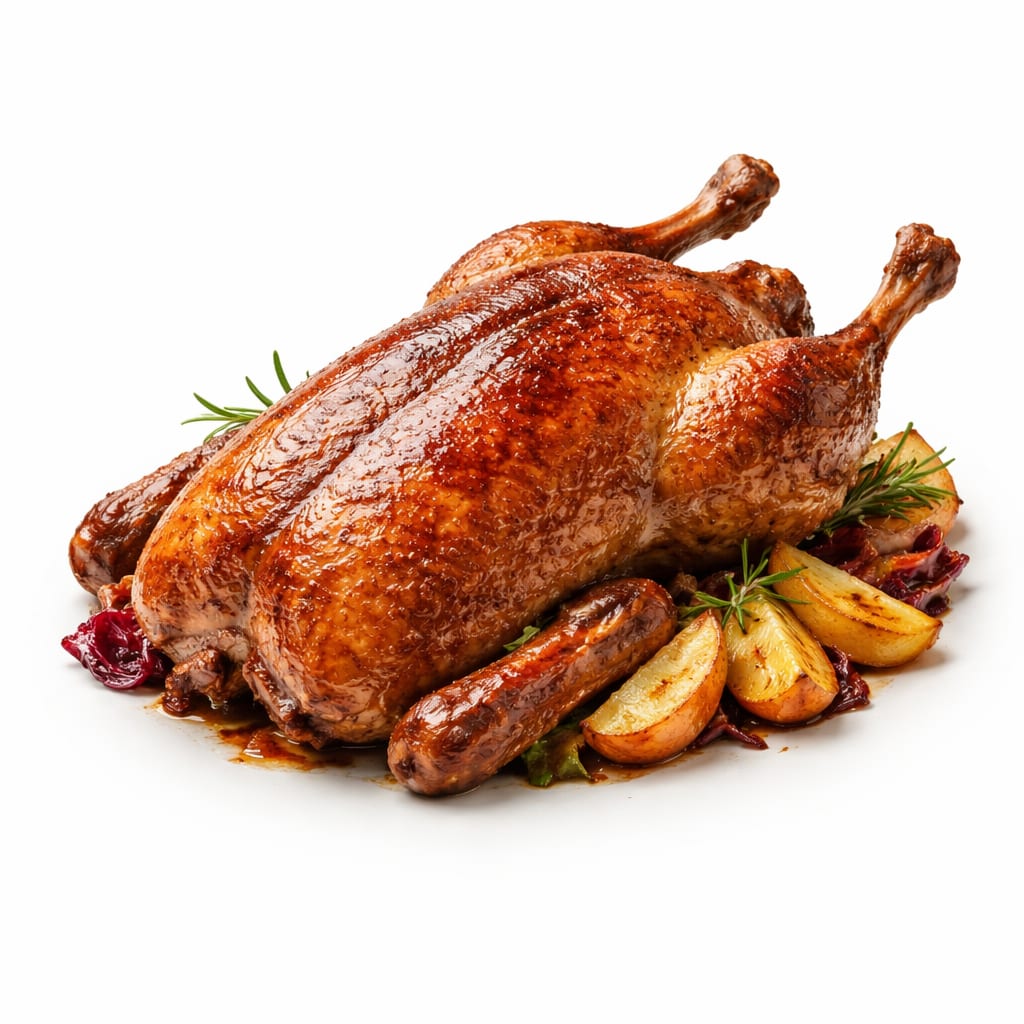
Goose
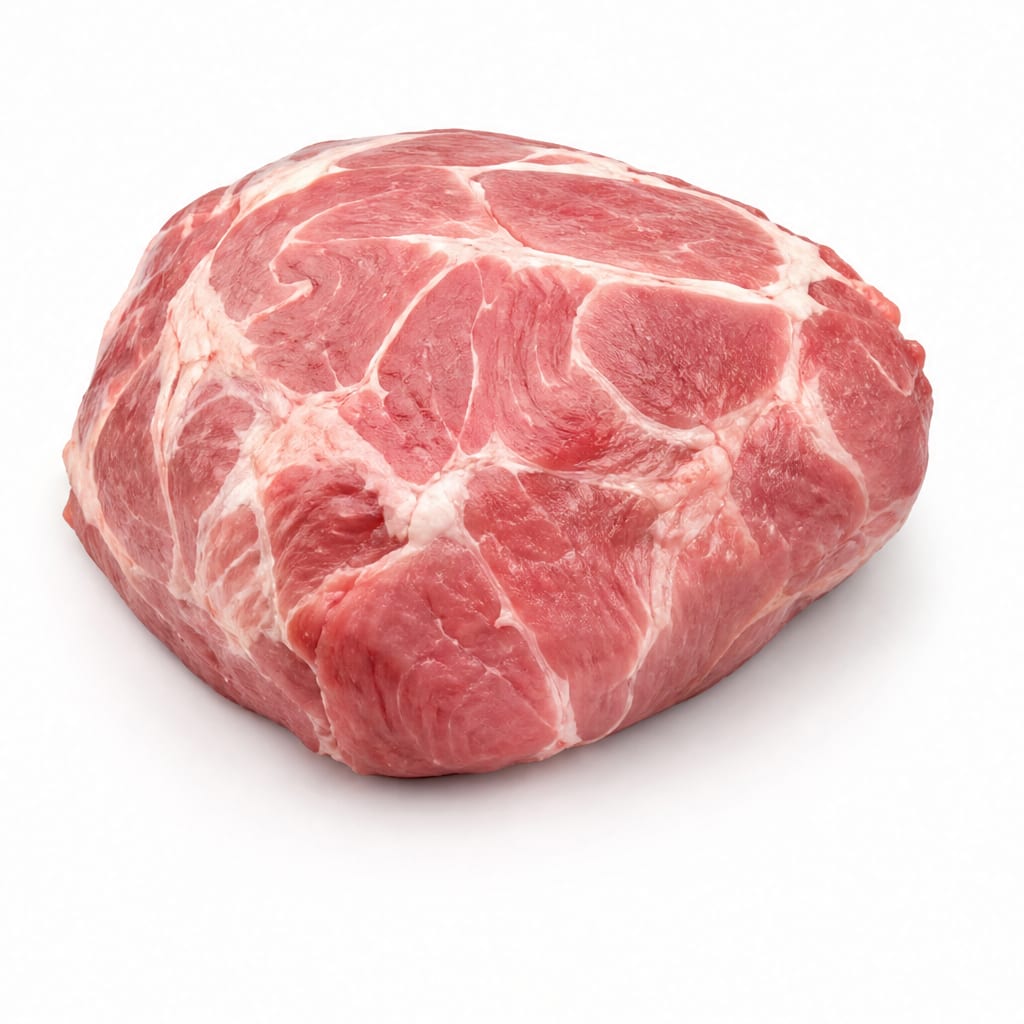
Pork shoulder
Goose delivers richer micronutrients and a luxurious eating experience, while pork shoulder wins on affordability, versatility, and everyday practicality.
Pork shoulder scores slightly higher due to practicality, affordability, and everyday usability. Goose edges ahead on micronutrient density and fat quality but loses ground on accessibility and saturated fat load.
Goose offers superior iron and B-vitamin density with a celebratory flavor profile, but pork shoulder is far more accessible, affordable, and adaptable for weekly meal prep.
At a glance
Executive summary
Overall
It depends
Healthier
Goose
More practical
Pork shoulder
Daily use
Pork shoulder
Key comparison lenses
Fat profile and heart health impact
Both are high-fat meats, but the type and ratio of fats differ significantly, making cardiovascular implications the primary concern
Everyday practicality and availability
Goose is seasonal and specialty while pork shoulder is affordable and available year-round, heavily influencing real-world choice
Protein quality for muscle and satiety
Both deliver solid protein but differ in leanness and how filling they feel in practice
Micronutrient density comparison
Goose offers more iron and certain B vitamins while pork shoulder excels in thiamin, making nutritional tradeoffs meaningful
Cooking versatility and meal planning
Pork shoulder adapts to dozens of recipes and cooking methods while goose is more limited and occasion-specific
Best choice for
Goose
- Special occasion meals where richness and presentation matter
- Iron-deficient individuals needing a bioavailable iron boost
- Those seeking higher monounsaturated fat intake from poultry
- Keto or low-carb dieters wanting high-fat poultry
Pork shoulder
- Weekly meal prep on a budget
- Slow-cooked comfort meals like pulled pork or stews
- Families needing affordable, scalable protein
- Anyone prioritizing thiamin intake
Least suitable for
Goose
- People watching saturated fat closely
- Budget-conscious households
- Anyone needing quick weeknight meals
- Those unfamiliar with cooking whole birds
Pork shoulder
- People strictly limiting fat and calorie intake
- Those avoiding pork for religious or personal reasons
- Anyone concerned about processed pork preparations with nitrates
Deep comparison
Dimension by dimension
Each lens scores both foods and breaks down who each option suits.
- Dimension 1 · Priority 95Goose
Fat quality and heart health
Goose · 58Pork shoulder · 48Goose fat has a surprisingly favorable monounsaturated-to-saturated ratio compared to pork shoulder, though both are high-fat cuts that require moderation.
Tradeoff
Goose provides more monounsaturated fat but comes with heavy total fat and calorie load per serving. Pork shoulder is slightly lower in total fat but has more saturated fat proportionally.
Why it matters
The type of fat you eat regularly matters more than total fat. Monounsaturated fats support heart health better than saturated fats.
Real-world impact
Roasting goose and using its fat for cooking gives you a fat profile closer to olive oil than butter. Pork shoulder fat is more saturated and less heart-friendly in large amounts.
Goose
- Heart-conscious eaters who still want rich meat
- Those cooking with rendered fat for vegetables and potatoes
Better for
- Anyone on a strict low-fat diet
- People with high cholesterol managing saturated fat intake
Worse for
Pork shoulder
- People who trim visible fat before cooking
- Anyone controlling portions of high-fat meat
Better for
- Regular consumers of fatty cuts already exceeding saturated fat limits
- Those not trimming the fat cap before slow cooking
Worse for
- Dimension 2 · Priority 82Goose
Protein and satiety
Goose · 72Pork shoulder · 68Goose delivers slightly more protein per serving with higher fat content that extends fullness longer, while pork shoulder offers solid protein with a more balanced fat-to-protein ratio.
Tradeoff
Goose keeps you fuller longer due to its fat content, but the calorie cost per gram of protein is much higher. Pork shoulder gives you more protein efficiency per calorie.
Why it matters
If you are tracking calories while building muscle, protein-per-calorie matters. If you just want to stay full, fat helps.
Real-world impact
A goose dinner keeps you satisfied for hours. Pork shoulder fills you up too, but you may feel hungry sooner unless you pair it with fiber-rich sides.
Goose
- Long gaps between meals where sustained fullness matters
- Keto dieters prioritizing fat-driven satiety
Better for
- Calorie-counters finding the protein-to-calorie ratio inefficient
Worse for
Pork shoulder
- Active people tracking protein per calorie
- Anyone meal-prepping leaner portions after trimming fat
Better for
- Those relying solely on meat for satiety without side dishes
Worse for
- Dimension 3 · Priority 78Goose
Micronutrient density
Goose · 78Pork shoulder · 65Goose is notably richer in iron, vitamin B6, and riboflavin, while pork shoulder dominates in thiamin content, which most other meats lack.
Tradeoff
Goose gives you broader B-vitamin coverage and significantly more iron. Pork shoulder is one of the best thiamin sources available but is weaker in other minerals.
Why it matters
Iron deficiency is common, especially in women. Thiamin deficiency is rare but pork remains the top dietary source.
Real-world impact
Eating goose occasionally can meaningfully boost iron stores. Eating pork shoulder regularly ensures excellent thiamin intake for energy metabolism.
Goose
- Women with low iron or heavy menstrual cycles
- Anyone needing a broad B-vitamin boost from food
Better for
- Anyone expecting lean poultry-level micronutrients per calorie
Worse for
Pork shoulder
- Those relying on meat as their primary thiamin source
- People recovering from illness needing energy metabolism support
Better for
- Iron-deficient individuals who need heme iron sources beyond pork
Worse for
- Dimension 4 · Priority 90Pork shoulder
Practicality and everyday usability
Goose · 35Pork shoulder · 85Pork shoulder is affordable, widely available, and works in dozens of recipes. Goose is expensive, seasonal, and requires special preparation knowledge.
Tradeoff
Pork shoulder fits seamlessly into weekly grocery shopping and meal prep. Goose demands planning, skill, and budget.
Why it matters
The healthiest food is the one you can actually cook and eat regularly without friction.
Real-world impact
You can buy pork shoulder at any grocery store and slow-cook it with minimal effort. Goose requires ordering ahead, dealing with a large whole bird, and rendering copious fat.
Goose
- Holiday feasts and celebratory dinners
- Adventurous home cooks wanting a project
Better for
- Anyone without oven space for a large bird
- Last-minute meal planners
Worse for
Pork shoulder
- Busy families needing reliable weeknight protein
- Meal preppers cooking in bulk on weekends
- Budget shoppers maximizing protein per dollar
Better for
- Those who find slow cooking too time-consuming despite minimal active effort
Worse for
- Dimension 5 · Priority 85Pork shoulder
Cost and accessibility
Goose · 25Pork shoulder · 88Pork shoulder is one of the most affordable protein sources available. Goose is a premium specialty item costing several times more per pound.
Tradeoff
Pork shoulder lets you feed a family cheaply. Goose is an investment meal for special occasions.
Why it matters
Budget determines what ends up on the plate more often than nutrition knowledge.
Real-world impact
Pork shoulder often costs under $3 per pound and feeds a crowd. Goose can run $8-15 per pound and requires advance ordering in many areas.
Goose
- Special occasions where cost is secondary to experience
Better for
- Anyone feeding a household on a tight budget
- Rural shoppers without specialty butcher access
Worse for
Pork shoulder
- Weekly grocery budgets under constraint
- Large families needing affordable protein
Better for
- Those willing to pay more for perceived premium quality
Worse for
- Dimension 6 · Priority 72Pork shoulder
Cooking versatility
Goose · 40Pork shoulder · 82Pork shoulder adapts to roasting, braising, slow-cooking, grilling, and shredding across many cuisines. Goose is essentially roasted whole and served as a centerpiece.
Tradeoff
Pork shoulder gives you culinary flexibility all week. Goose gives you one spectacular meal and leftover meat with limited reinvention options.
Why it matters
Versatility reduces food waste and keeps meals interesting without extra grocery trips.
Real-world impact
Leftover pork shoulder becomes tacos, sandwiches, stir-fries, or soup. Leftover goose works in a few dishes but dries out quickly and loses its appeal.
Goose
- Those who enjoy traditional roasts and don't mind limited leftovers
Better for
- People who hate eating the same flavor profile for days
Worse for
Pork shoulder
- Home cooks who repurpose leftovers creatively
- Anyone cooking across multiple cuisines
Better for
- Those wanting a dramatic centerpiece presentation
Worse for
Timeline
Health impact over time
Short-term
Hours to days
Goose
- Heavy, satisfying meal that delays hunger for many hours
- Rich fat content may cause sluggishness if overeaten
- High calorie density makes portion control important
Pork shoulder
- Filling and comforting, especially when slow-cooked with vegetables
- Can feel heavy depending on fat content and portion size
- Leftovers reheat well and maintain satisfying texture
Long-term
Months to years
Goose
- Occasional consumption poses minimal risk and adds dietary iron variety
- Regular consumption would significantly increase saturated fat and calorie intake
- Strong heme iron contribution supports red blood cell production
Pork shoulder
- Regular consumption supports thiamin status and energy metabolism well
- Frequent intake without fat trimming raises saturated fat exposure
- Affordable access makes consistent protein intake more sustainable long-term
Risk profile
Safety & processing
Both goose and pork shoulder are whole, unprocessed cuts of meat when purchased fresh. The main concern is that pork shoulder is sometimes sold cured or smoked with added nitrates, which changes its risk profile entirely. Always check labels if buying pre-seasoned or smoked versions.
Goose
Undercooking and bacterial contamination
mediumLike all poultry, goose must reach an internal temperature of 165°F to eliminate Salmonella and Campylobacter risk. The dense meat and fat layers can make temperature verification tricky.
Rendering fat handling
lowGoose produces large volumes of rendered fat that can become a contamination vector if not stored properly. Refrigerate or freeze promptly.
Pork shoulder
Parasitic contamination
lowTrichinella risk in commercial pork is now extremely rare in developed countries, but proper cooking to 145°F remains recommended. Freezing also eliminates risk.
Cured versions with nitrates
mediumSmoked or cured pork shoulder may contain nitrates and nitrites linked to increased cancer risk with regular consumption. Choose fresh uncured cuts when possible.
Who wins for whom
Audience fit
Same foods, different winners depending on your goal.
children
Pork shoulderPork shoulder is more familiar, easier to serve in kid-friendly forms like shredded pork, and more affordable for growing families. Goose can be overwhelming for young palates.
daily consumption
Pork shoulderPork shoulder is affordable, available, and versatile enough for regular rotation. Goose is best reserved for occasional meals due to cost, fat load, and limited culinary flexibility.
diabetes
It dependsNeither meat contains carbohydrates, so blood sugar impact is minimal for both. The deciding factor is saturated fat intake, where portion-controlled pork shoulder may be easier to manage.
elderly
Pork shoulderSlow-cooked pork shoulder is tender and easy to chew, with excellent thiamin content that supports energy metabolism in aging bodies. Goose can be tougher if overcooked.
muscle gain
Pork shoulderPork shoulder provides solid protein with more manageable fat content after trimming, making it easier to hit protein targets without overshooting calories.
weight loss
Pork shoulderPork shoulder can be trimmed of fat and portioned more easily, offering better calorie control. Goose is simply too calorie-dense to fit comfortably into most weight loss plans.
Your move
Decision guide
Choose Goose
- You are planning a special meal and want something impressive and memorable
- You need an iron boost and want a rich source of heme iron
- You enjoy cooking with rendered fat and want a poultry-based alternative to duck fat
- You follow a keto or high-fat diet and want variety beyond red meat
Choose Pork shoulder
- You need affordable, reliable protein for weekly meal prep
- You want a versatile cut that works across many cuisines and recipes
- You are feeding a family on a budget and need maximum value per pound
- You enjoy slow cooking and want tender, shreddable meat with minimal active effort
Either works if
- You want a satisfying, filling main course for a cold-weather meal
- You are comfortable with high-fat meats and manage portions accordingly
- You pair meat with plenty of vegetables and whole grains for balance
Avoid both if
- You are on a strict low-fat or low-cholesterol diet
- You have gout or are sensitive to purine-rich meats
- You eat red meat or high-fat poultry daily and need more variety in protein sources
Final recommendation
Make pork shoulder your everyday workhorse for affordable, versatile protein. Save goose for occasions when the experience matters more than the price tag. Both deserve a place in a varied diet, but pork shoulder earns its spot on the weekly rotation while goose shines as a seasonal luxury.
Practical
Consumer tips
- 1
Trim the fat cap from pork shoulder before cooking to significantly reduce saturated fat and calorie content per serving
- 2
Save rendered goose fat for roasting vegetables — it has a fat profile similar to olive oil and adds incredible flavor
- 3
Buy pork shoulder in bulk when on sale and freeze portions for future slow-cooker meals
- 4
If buying pre-seasoned pork shoulder, check for added nitrates and sodium on the label
- 5
Let goose rest for at least 20 minutes after roasting to allow juices to redistribute for better texture
- 6
Pair either meat with cruciferous vegetables like broccoli or Brussels sprouts to balance the richness and add fiber
- 7
Use a meat thermometer for both — guesswork leads to either unsafe poultry or dry, overcooked pork